
Main Courses
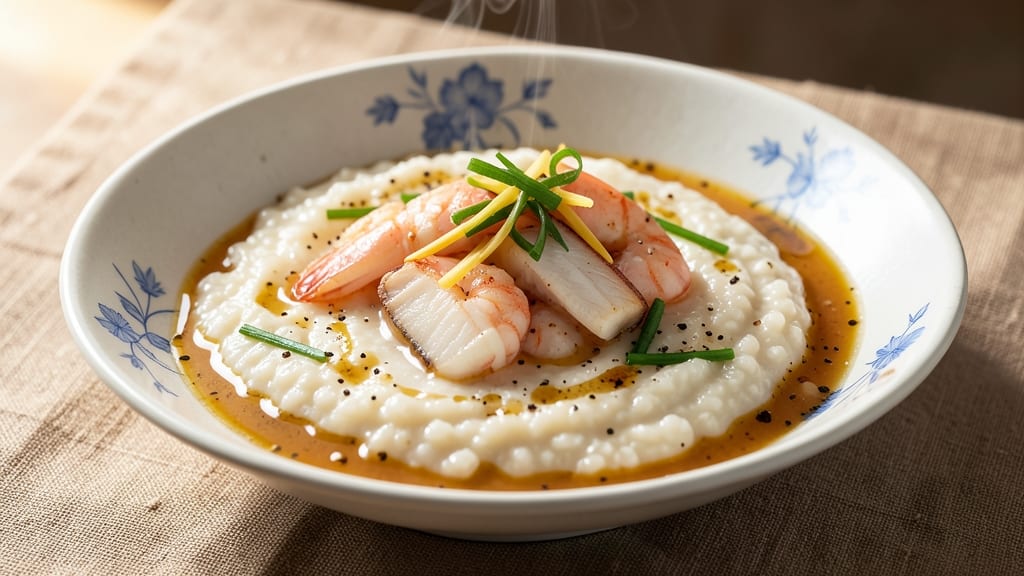
Seafood congee transforms simple ingredients into a velvety, nourishing dish that feels like a hug in bowl form—this recipe delivers restaurant-quality texture and flavor at home. After years of perfecting the balance between delicate rice and bold seafood, I’ve developed a method that’s both traditional and approachable, using pantry staples and a few key techniques. The secret lies in slow simmering the rice until it dissolves into an almost liquid consistency, then layering in seafood that’s cooked just until tender.
What makes this recipe special is its versatility—you can use any combination of shrimp, fish, or clams, and adjust the broth to your preference. The dish is naturally light yet satisfying, making it perfect for a comforting weeknight meal or a special occasion when you want something elegant but effortless.
With just 30 minutes of active time and a few hours of gentle simmering, you’ll have a dish that’s rich in flavor and texture without requiring advanced skills.
The result is a silky porridge with tender seafood swimming in a fragrant, lightly seasoned broth. Each spoonful delivers a perfect balance of creamy rice, delicate seafood, and aromatic herbs, creating a dish that’s both nourishing and deeply satisfying.
Whether you’re serving it as a light lunch or a hearty dinner, this seafood congee will become a staple in your cooking repertoire.
For extra depth, consider adding a splash of soy sauce, a sprinkle of green onions, or a drizzle of chili oil at the end. The possibilities are endless, but the foundation remains the same: a silky, comforting base that lets the seafood shine. Let’s get started!
Ingredients for seafood congee
Simple pantry staples meet oceanic flavors in this comforting seafood congee.
| Ingredient | Amount | Notes |
|---|---|---|
| Jasmine Rice 🍚 | 1 cup | Uncooked, long-grain preferred |
| Fresh Ginger 🧅 | 2 tbsp | Finely grated, peeled |
| Green Onions 🧅 | 4 whole | White and green parts separated |
| Shrimp 🦐 | 1 lb | Medium size, peeled, deveined |
| White Fish Fillets 🐟 | 12 oz | Cod or haddock preferred |
| Chicken or Seafood Broth 💧 | 6 cups | Low-sodium preferred |
| Soy Sauce 🍶 | 2 tbsp | Light or dark variety |
| Sesame Oil 🫒 | 1 tbsp | Toasted, for finishing |
| Garlic Cloves 🧄 | 3 cloves | Minced, aromatic |
| Salt 🧂 | 1 tsp | Sea salt preferred |
| White Pepper 🌶️ | ½ tsp | Freshly ground preferred |
| Cornstarch 🌾 | 1 tsp | For shrimp coating |
| Lime Wedges 🍋 | 2 whole | For serving |
The rice is the heart of this dish—jasmine rice gives that fragrant, delicate texture you want. Trader Joe's or Asian markets usually carry it in bulk, and it keeps well for months. Fresh ginger is key here—look for firm, bumpy pieces with no soft spots. The seafood should be fresh too: shrimp should smell clean, fish should have a mild ocean scent. If you're using frozen shrimp, thaw it in cold water for 10 minutes—don't skip this step. For the fish, cod or haddock hold up best to the long simmering time. If you can't find these, tilapia or mahi-mahi work in a pinch, but they'll get a little softer.
No shrimp? Scallops or squid work beautifully—just adjust cooking time. The fish fillets can be swapped for clams or mussels, but you'll need to steam them separately for 3-4 minutes before adding to the congee. Soy sauce is flexible here—light for delicate flavor, dark for richer depth. If you're avoiding sodium, low-sodium soy sauce or coconut aminos are great substitutes. The cornstarch is just for the shrimp—toss them in it before cooking to help them stay tender. And if you're worried about texture, cut the fish into 1-inch pieces so they cook evenly in the broth. The broth itself? Store-bought works, but if you have time, simmer fish scraps with ginger and green onions for 20 minutes—game changer.
This reheats beautifully—just add a splash of water or broth to loosen it up. Keeps in the fridge for 3-4 days, freezes for 2 months if you want to prep ahead. I always make a double batch because it's perfect for leftovers—tastes even better the next day as flavors meld. Store the broth separately if you're freezing, then reheat and add the seafood fresh when serving. The lime wedges should be added right before eating—they brighten everything up. And if you've got chili oil on hand, drizzle it over the top for a little kick.
Why You'll Love This Recipe
- One-Pot Magic: I swear by this recipe—just jasmine rice, shrimp, and fish simmering together in one pot. No extra bowls, no mess, and honestly? The smell alone makes my kitchen feel like a little coastal escape.
- Ginger-Zing Kick: That fresh ginger isn’t just for show—it’s the secret weapon. Thinly sliced and simmered low, it infuses the broth with a warm, bright punch that makes every spoonful feel like a hug. (Yes, even on a Tuesday night.)
- Lazy Meal Prep: Between us, this is my go-to for busy mornings. Cook a big batch on Sunday, and you’ve got breakfast, lunch, or dinner covered—just reheat and top with a fried egg or extra green onions. My kids call it "magic soup."
- Budget Luxury: Shrimp and fish might sound fancy, but they stretch farther than you’d think. A single fillet and a handful of shrimp turn into three hearty servings, and the rice soaks up every last bit of flavor. Frugal? Absolutely. Delicious? Ridiculously.
Step-by-step instructions for seafood congee recipe
Here's how to create a velvety seafood congee that's light yet packed with oceanic flavor.
Prepare the Base Ingredients
Begin by rinsing the 1 cup jasmine rice under cold water until the water runs clear. This removes excess starch that can make your congee gummy. Transfer the rinsed rice to a large pot and add the 6 cups chicken or seafood broth. Bring everything to a gentle boil over medium-high heat until small bubbles form around the edges.
Once boiling, immediately reduce heat to low and add the 2 tbsp finely grated fresh ginger and 3 cloves minced garlic. Stir gently to combine, then cover the pot with a tight-fitting lid. Let it simmer undisturbed for 30 minutes—this is where the magic happens. You'll see the rice break down into a silky, porridge-like consistency. The broth should be mostly absorbed, leaving you with a thick, creamy texture.
Cook the Seafood
While the rice simmers, prepare the seafood. In a separate bowl, toss the 1 lb shrimp with 1 tsp cornstarch to create a light coating. This helps them stay tender and slightly crispy. In a small skillet, heat 1 tbsp sesame oil over medium heat until shimmering. Add the shrimp and cook for 1-2 minutes per side until they turn pink and opaque. Remove them from the pan and set aside.
Next, cut the 12 oz white fish fillets into ½-inch cubes. In the same skillet (no need to clean it—the fond adds flavor), add the fish and cook for 2-3 minutes until just opaque in the center. The fish should be cooked through but still tender. Remove from heat and set aside with the shrimp.
Finish the Congee
After the rice has simmered for 30 minutes, stir in the 2 tbsp soy sauce and 1 tsp salt. Adjust the seasoning if needed—you want a balance of savory and umami. Add the cooked shrimp and fish to the pot, gently stirring to distribute them evenly. Let the congee simmer uncovered for another 5 minutes to allow the flavors to meld.
Here's the thing—don't overcook the seafood. It should be just cooked through when added, so it stays tender in the warm congee. If the mixture looks too thick, add ½ cup hot broth to reach your desired consistency. The final texture should be smooth and silky, like a thick soup but with the body of porridge.
Garnish and Serve
To finish, turn off the heat and stir in the 0.5 tsp white pepper for a subtle, aromatic kick. Divide the congee into bowls and garnish each serving with the white and green parts of the 4 whole green onions, sliced separately. Add a drizzle of 1 tbsp sesame oil over each bowl for extra richness.
Serve immediately with the 2 whole lime wedges on the side. The acidity of the lime brightens the dish and cuts through the richness of the seafood. Each spoonful should deliver a harmonious blend of tender rice, delicate seafood, and fragrant aromatics. This is the moment that matters—enjoy it warm while the flavors are at their peak!
Pro Tips For Making Seafood Congee
- Parboil the Rice First: I learned this the hard way—skipping the quick parboil leads to gummy congee. Rinse the jasmine rice until the water runs clear, then boil it for 5 minutes before adding to the broth. This step guarantees a creamy texture without the mushiness that ruins so many attempts.
- Peel Shrimp After Cooking: Peeling shrimp before adding them to the pot is a rookie move. Toss them in whole, then peel and devein them right after they turn pink—it’s faster and keeps the broth clear. (Yes, even if you’re impatient like me.)
- Simmer, Don’t Boil: After adding the rice to the broth, keep the heat low enough that you barely see bubbles. Boiling turns congee gluey, and no one wants that. A gentle simmer—about 150°F (65°C)—is the sweet spot for that silky, restaurant-quality consistency.
- Save the Ginger Water: Don’t toss the water from blanching the ginger—strain it and add it back to the pot. That liquid packs a punch of flavor, and it’s the non-negotiable secret to depth in the broth. (Your future self will thank you.)
Flavor customization for these flavors
Spicy Kick
For a bold twist, stir in 1 teaspoon chili crisp or ½ teaspoon red pepper flakes when adding the soy sauce. I like to add a splash of 1 tablespoon rice vinegar too—it brightens the heat and balances the richness.
If you love Thai flavors, toss in ½ teaspoon fish sauce and a pinch of white pepper for depth. The shrimp will absorb the heat beautifully, while the fish stays delicate. 🌶️
Creamy Coconut
Swap the broth for 4 cups coconut milk (full-fat for best texture) and add 1 cup chicken broth> to dilute slightly. Simmer the rice in this mixture, then stir in 1 teaspoon turmeric and ½ teaspoon cumin> for warmth.
Top with fresh cilantro and lime zest for a tropical vibe. The coconut milk makes the congee luxuriously creamy while keeping it light enough for seafood.
Umami Boost
Elevate the broth by adding 2 dried shiitake mushrooms> (soaked in hot water for 20 minutes) and 1 tablespoon oyster sauce> when seasoning. The mushrooms add a deep, earthy umami that pairs perfectly with seafood.
For extra richness, stir in 1 teaspoon miso paste> at the end—it dissolves smoothly and adds a fermented depth. This version feels restaurant-quality without extra effort.
Herb-Infused
Fresh herbs transform this dish into something vibrant. After simmering the rice, stir in 2 tablespoons chopped Thai basil> or Italian parsley> along with the seafood. For a brighter flavor, add 1 tablespoon chopped mint> or cilantro> at the end.
The herbs cut through the richness and add a fresh, bright finish. I love this version with a drizzle of chili oil> for a perfect balance of heat and freshness.
Smoky Depth
Add a smoky element by mixing ½ teaspoon smoked paprika> into the soy sauce before adding it to the congee. For extra smokiness, char a small piece of ginger> in a dry skillet until fragrant, then grate it into the broth.
The smoky notes complement the seafood beautifully, especially with shrimp or fish. Finish with a sprinkle of crushed fried shallots> for crunch and visual appeal.
Citrus Zing
Brighten the dish with zest from 1 orange> or lemon> added to the broth while simmering. The citrus notes pair wonderfully with seafood, especially shrimp. After cooking, garnish with supreme segments> or a wedge for serving.
The acidity cuts through the richness, making each bite refreshing. I find this version especially refreshing for a light lunch or brunch.
Nutrition facts
Frequently asked questions
What type of rice works best for seafood congee?
Jasmine rice is ideal for its delicate, fragrant texture that dissolves beautifully into a silky porridge. It absorbs the broth perfectly, creating that signature creamy consistency. For extra authenticity, use short-grain or sweet rice—both work well but may yield slightly thicker results. Avoid long-grain white rice as it stays too firm.
Can I use frozen seafood instead of fresh?
Just thaw the seafood completely before cooking. For shrimp, place them in cold water for 10-15 minutes to preserve texture. Fish fillets should thaw in the fridge overnight. Avoid microwaving—it can make seafood rubbery. If using frozen clams or mussels, steam them first for 3-4 minutes before adding to the congee.
How do I adjust the texture if it's too thick or thin?
For a thicker consistency, simmer uncovered for 5-10 more minutes to evaporate excess liquid. If too thin, stir in 1-2 tablespoons of cornstarch mixed with water, or add a splash of hot broth if you prefer it looser. The perfect texture should coat the back of a spoon but still be spoonable—think "thick soup" rather than "porridge."
What are the best seafood pairings beyond shrimp and fish?
Clams, mussels, scallops, and squid all shine in this dish. For clams/mussels, steam them first, then add to the congee at the end. Scallops cook in 2 minutes per side—remove them when just opaque. Squid should be sliced into rings and cooked for 1-2 minutes to avoid toughness. Avoid overcooking any seafood, as it'll continue cooking in the warm broth.
Can I make this ahead of time?
Yes! Prepare the congee base (without seafood) up to 2 days ahead and refrigerate. Reheat gently on low heat, adding a splash of water or broth as needed. Cook the seafood fresh when serving to maintain texture. For freezing, store components separately: broth, rice base, and seafood. Thaw overnight in the fridge, then combine and reheat—just avoid refreezing after cooking.