Side Dishes
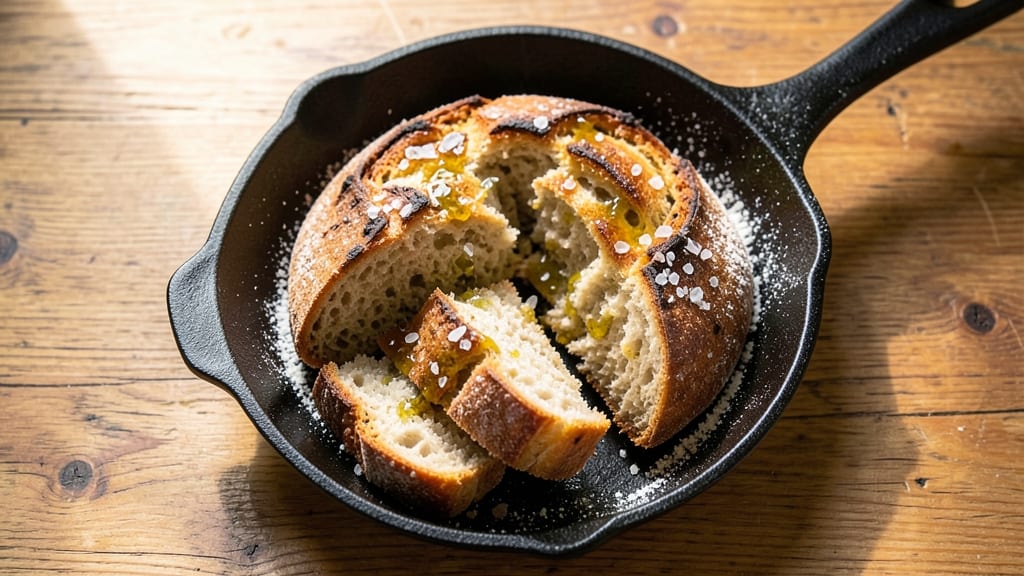
This Scali bread recipe brings authentic Roman crusty bread to your kitchen with just five simple ingredients and a quick 10-minute process. The secret lies in its minimalist dough—flour, water, yeast, olive oil, and salt—shaped into a rustic loaf that bakes up with a crispy crust and airy interior.
I first discovered this recipe while researching Sicilian street food, where it’s traditionally served warm with olive oil and herbs.
The beauty of Scali bread is its simplicity and versatility. Unlike traditional baguettes, this recipe skips the long fermentation, yet still delivers a satisfying crunch and chewy texture.
Perfect for pairing with soups, dips, or even as a side for pasta, it’s a staple in Italian cuisine that’s surprisingly easy to recreate at home. The dough comes together in minutes, and the baking time is just as quick—ideal for busy weeknights.
What makes this recipe stand out is its cultural authenticity. Originating from Sicily, Scali bread was historically sold by street vendors, offering a warm, crusty option for quick meals. The result is a loaf with a golden, crackly exterior and a soft, pillowy interior—ideal for dipping or tearing into.
Whether you’re serving it at a dinner table or enjoying it as a snack, this bread is a game-changer for any meal.
For added flavor, try brushing the baked loaf with olive oil and sprinkling it with rosemary, garlic, or even a sprinkle of sea salt. It’s a small touch that elevates the bread to new heights.
Ready to bake? Let’s get started on this foolproof recipe that brings a taste of Rome to your kitchen.
Ingredients for scali bread
Five essential ingredients transform into Roman-style Scali bread with crispy crust and airy crumb.
| Ingredient | Amount | Notes |
|---|---|---|
| All-Purpose Flour 🌾 | 3 cups | Sifted for even texture |
| Active Dry Yeast 🍄 | 1 tbsp | Freshly opened for potency |
| Extra-Virgin Olive Oil 🫒 | ¼ cup | High-quality for authentic flavor |
| Warm Water 💧 | 1 ¼ cups | 105°F for ideal yeast activation |
| Fine Sea Salt 🧂 | 1 ½ tsp | Adjust to taste after baking |
| Cornmeal 🌽 | ¼ cup | For dusting baking surface |
| Coarse Sea Salt 🧂 | 1 tsp | For sprinkling before baking |
| Fresh Rosemary 🌿 | ⅛ cup | Optional for herb finishing |
| Garlic Cloves 🧄 | 2 cloves | Optional for herb finishing |
The flour is the foundation—opt for King Arthur or Caputo bread flour if you want to elevate it further, but all-purpose works perfectly for this quick recipe. Active dry yeast should be fresh; check the expiration date and store it in the fridge to maintain potency. For the olive oil, California avocado or Italian extra-virgin brands add subtle fruity notes that enhance the bread's rustic character. Warm water is key—too hot kills the yeast, too cold slows activation. Aim for 105°F, or just warm enough to touch without discomfort. If your kitchen runs cold, microwave the water for 15 seconds first.
No yeast on hand? Instant yeast works at half the amount, but timing may vary slightly. Swapping olive oil for avocado oil keeps the same neutral base, though it lacks the fruity depth. For a salt-free option, omit the fine sea salt but add 1 tsp sugar to balance the dough. The cornmeal isn’t just for dusting—it creates a subtle crunch on the crust’s underside. Trader Joe’s or Whole Foods carry excellent cornmeal options if you prefer finer textures. Rosemary and garlic are optional but transform this into a herb-infused loaf; use fresh sprigs for maximum aroma.
Dough keeps 24 hours in the fridge if wrapped tightly, though it’s best baked fresh. For storage, place cooled loaves in paper bags to maintain crispness for 3-4 days. Freeze baked bread by wrapping in foil and reheating at 350°F for 5-10 minutes—the crust will crisp right up. Italian markets often sell pre-made Scali bread, but homemade beats it every time. Brush warm loaves with extra olive oil and a sprinkle of coarse sea salt for that authentic street-vendor touch.
Why You'll Love This Recipe
- No-Knead Nightmare Over: Mixing the dough takes all of two minutes—just flour, yeast, olive oil, and water. Honestly, I’ve made it while scrolling through my phone; the yeast does all the work while you sip your coffee.
- Crispy-Soft Magic: That golden crust with a pillowy center? The olive oil and salt work their magic while it bakes. Between us, it’s the kind of bread that makes you pause mid-bite and think, “Why buy store bread?”
- Weeknight Hero: Toss a loaf in the oven while dinner simmers—it’s ready when you are. I’ve used it for sandwiches, toast, even as a base for garlic butter. (Yes, even on a Tuesday night.)
- Pantry Goldmine: A single batch feeds my family for days, and the dough keeps for ages in the fridge. Budget-friendly? Absolutely. Versatile? You bet. My secret weapon for lazy mornings and last-minute guests.
Step-by-step instructions for Scali bread
This Roman baguette delivers authentic crusty texture and airy crumb in just minutes of active work.
Activate the Yeast and Mix the Dough
In a large mixing bowl, combine the 1.25 cups warm water and 1 tbsp active dry yeast. Let it sit for 5-7 minutes until foamy—this confirms the yeast is alive. If it doesn't foam, your bread won't rise properly.
Add the 3 cups all-purpose flour and 1.5 tsp fine sea salt to the bowl. Mix with a wooden spoon until a shaggy dough forms. Then drizzle in the 0.25 cup extra-virgin olive oil and mix vigorously for 3-4 minutes by hand until the dough becomes smooth and elastic. The dough should pull away from the sides of the bowl cleanly.
Knead and Rest the Dough
Turn the dough onto a lightly floured surface and knead for 8-10 minutes until it's smooth and springs back when pressed. I press down gently with my knuckles—if it bounces back immediately, it's ready. The dough should feel slightly tacky but not sticky.
Lightly oil a large bowl, place the dough inside, and cover with a damp towel. Let it rise in a warm place for 1-2 hours until it doubles in size. You'll know it's ready when the dough puffs up noticeably and leaves an indentation when pressed gently with a finger. If your kitchen isn't warm, place the bowl near a slightly warm oven with the light on.
Shape and Proof the Loaves
Punch down the risen dough and divide it into 4 equal pieces (about 8 ounces each). Roll each piece into a 14-inch log, tapering the ends slightly to mimic traditional Roman baguettes. Place them on a baking sheet lined with parchment paper, spacing them 2 inches apart for proper expansion.
Cover loosely with a towel and let them proof for 30-45 minutes until they've risen about 25%. The dough should feel slightly puffy but still hold its shape when pressed. For extra flavor, sprinkle the tops with 1 tsp coarse sea salt and finely chopped 2 cloves garlic mixed with 0.125 cup fresh rosemary leaves.
Bake for Maximum Crust and Crumb
Preheat your oven to 450°F with a baking stone or inverted baking sheet inside for 30 minutes. This creates the perfect steam environment for crispy crust. Brush the loaves with a little water and sprinkle with 0.25 cup cornmeal—this creates that signature Roman crust texture.
Bake for 12-15 minutes until the bread is deep golden brown with crispy spots. Tap the bottom—it should sound hollow. Rotate the pan halfway through for even browning. Remove immediately and let cool on a wire rack for 10 minutes before slicing. The crust should be shatteringly crisp while the interior remains soft and airy.
Pro Tips For Making Scali Bread
- Use Room-Temp Olive Oil: Scali bread relies on that signature crisp crust, and cold olive oil won’t spread properly. Take the bottle out of the fridge 30 minutes before using—just enough to loosen the oil without turning it into a puddle. (Yes, I know it’s tempting to grab it straight from the fridge, but trust me, the crust suffers.)
- Mix Yeast Last: I used to add yeast to the flour first, and my dough would always taste flat. Instead, dissolve the yeast in warm water (110°F) with a pinch of sugar first—let it foam for 5 minutes before adding to the flour. If it doesn’t bubble, your yeast is dead, and no amount of kneading will save it.
- Skip the Over-Kneading: Scali bread isn’t sourdough—you don’t need to work the dough until it’s silky smooth. Knead just until the flour comes together (about 5 minutes by hand), then let the gluten relax during the first rise. Overworking it makes the bread dense, and nobody wants a chewy loaf when you’re going for that crispy, airy texture.
- Salt the Water Generously: The dough gets its flavor from the water, not just the salt you add later. Use the full 1.5 teaspoons of fine sea salt in the warm water—don’t skimp. If you’re worried about over-salting, taste the dough after the first rise; you can always add a pinch more flour if needed, but you can’t take salt out.
Dietary considerations for this dish
Gluten-Free Adaptation
To make this Scali bread gluten-free, replace the 3 cups all-purpose flour with a 1:1 gluten-free flour blend like King Arthur Measure for Measure or Bob’s Red Mill 1-to-1. Add ½ tsp xanthan gum to help bind the dough—this is critical for structure.
The dough will be stickier, so use ½ cup more water and knead for an extra 2-3 minutes to develop gluten substitutes. Bake at 425°F instead of 450°F for 15-18 minutes—gluten-free bread needs slightly longer to crisp. 🌾
Vegan Option
For a vegan version, skip the yeast and use 1 tbsp nutritional yeast mixed with 1 tbsp sugar to activate the dough. Replace olive oil with avocado oil and omit honey. The dough will rise slower, so let it proof for 2-3 hours in a warm spot.
Brush baked loaves with olive oil and sprinkle with coarse sea salt for that authentic finish. The texture will be slightly denser but still delicious. 🌱
Low-Carb Keto
This isn’t a traditional keto bread, but you can create a low-carb version using 1 cup almond flour and 2 cups shredded mozzarella (for structure). Replace yeast with 1 tbsp baking powder and 1 tsp cream of tartar for lift.
The dough will be more like a batter—spread it thinly on a baking sheet and bake at 400°F for 12 minutes. The result is crispy but not airy, perfect for dipping in soups or olive oil. 🥬
Nut-Free Allergy
If nut allergies are a concern, avoid almond flour in adaptations. For gluten-free and nut-free, use a rice flour blend with tapioca starch for elasticity. Add 1 tbsp psyllium husk powder to bind the dough—this mimics gluten’s stretchiness.
The texture will be slightly gummy, but it’s safe for most allergies. Always check labels on gluten-free flours for cross-contamination warnings. 🚫
Dairy-Free Adjustments
For a dairy-free version, ensure your olive oil is 100% pure (no butterfat additives). Use vegan butter in place of any butter called for in toppings (like garlic butter).
The bread itself doesn’t contain dairy, but if you’re making herb-infused versions, swap dairy-based spreads for olive oil or dairy-free butter. The crust remains crispy, and the flavor stays authentic. 🧀
Nutrition facts
Frequently asked questions
What makes Scali bread different from a regular baguette?
Scali bread has a simpler dough formula with just flour, water, yeast, olive oil, and salt—no kneading required! The shaping is more rustic (often rolled logs), and it bakes with a crispier crust while keeping an airy interior. Traditional baguettes use more flour and longer fermentation.
Can I make Scali bread without a baking stone?
Yes! Use an inverted baking sheet or a cast-iron skillet instead. Place it on the middle rack while preheating to create steam. For extra crispiness, spray the loaves with water before baking. The crust will still develop beautifully without a stone.
How do I store Scali bread to keep it fresh?
Store at room temperature in a paper bag for 2-3 days to maintain crispness. For longer storage, wrap in foil and freeze for up to 1 month. To revive, reheat at 350°F for 5 minutes—the crust will crisp right up. Never store in plastic bags, or it'll turn soggy.
What's the best way to serve Scali bread?
Brush warm loaves with olive oil and sprinkle with coarse sea salt or fresh herbs. Serve with soups, dips like hummus, or as a side for pasta. For a Sicilian touch, pair with tomato-basil bruschetta or anchovy butter. It's also perfect for making open-faced sandwiches!
Why did my Scali bread turn out dense instead of crispy?
Most likely, the oven wasn't hot enough or the dough didn't proof properly. Ensure your oven reaches 450°F and use a baking stone/steel. Also, check that the dough doubled in size during proofing—if not, let it rise longer. Underproofed dough = dense bread.