
Breakfast & Brunch
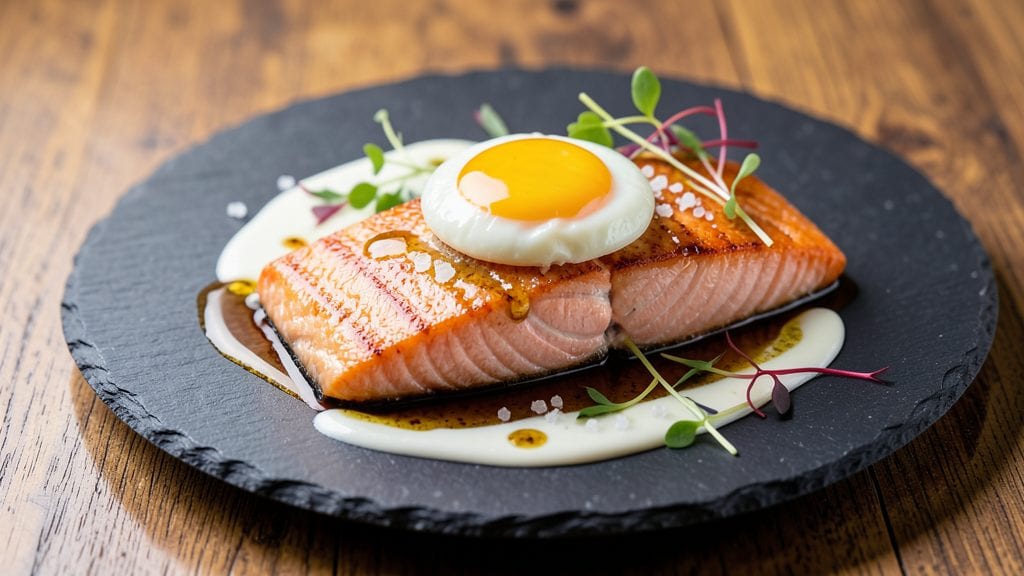
This salmon and poached eggs recipe delivers the ultimate breakfast experience—where perfectly flaky salmon meets a silky, runny yolk in every bite.
The secret lies in precise timing: searing the salmon just until it reaches 125°F internal temperature ensures it stays tender, while the poaching water bath creates eggs with cloud-like whites and golden yolks that stay perfectly centered.
I developed this dish after years of experimenting with seafood breakfasts, and it never fails to impress.
The beauty of this recipe is its simplicity—just a few high-quality ingredients come together to create a dish that feels luxurious yet approachable. You'll need fresh salmon fillets, eggs at room temperature, and a well-seasoned pan, plus optional sides like buttered toast or fresh greens.
The key technique is maintaining a gentle simmer for the poaching water, which prevents the eggs from overcooking while keeping the salmon warm until serving.
When you plate this dish, the contrast is what makes it extraordinary: crisp edges on the salmon, velvety texture from the poached egg, and a bright, buttery finish from the yolk.
The salmon's natural richness pairs perfectly with the egg's delicate creaminess, creating a balance of flavors that feels both comforting and sophisticated. This is the kind of breakfast that transforms an ordinary morning into something special.
Serve immediately for the best experience, as the poached egg's yolk should remain fluid and vibrant. Pair with a simple arugula salad or crusty bread to soak up every last bit of that buttery goodness.
The technique is straightforward once mastered, and the results are always impressive—whether you're cooking for yourself or hosting brunch guests.
Ingredients for salmon and poached egg
High-quality proteins and delicate seasonings transform simple ingredients into luxurious salmon and poached eggs.
| Ingredient | Amount | Notes |
|---|---|---|
| Center-Cut Salmon Fillets 🐟 | 4 pieces | Skin-on, 6-8 oz each, sushi-grade preferred |
| Large Eggs 🥚 | 4 whole | Room temperature, freshest quality |
| Unsalted Butter 🧈 | 4 tbsp | European-style, cold for searing |
| Extra-Virgin Olive Oil 🫒 | 2 tbsp | Light, fruity variety for finishing |
| White Wine Vinegar 🍷 | ¼ cup | For poaching liquid, dry variety |
| Diamond Crystal Kosher Salt 🧂 | 1 ½ tsp | Fine grain for seasoning |
| Freshly Ground Black Pepper 🌶️ | ½ tsp | Cracked peppercorns preferred |
| Fresh Dill Sprigs 🌿 | ¼ cup | Finely chopped, for garnish |
| Lemon Zest 🍋 | 1 tsp | From organic lemon, for brightness |
| Water 💧 | 4 cups | Filtered, for poaching bath |
| Sake or Dry White Wine 🍶 | ½ cup | For poaching liquid infusion |
| Lemon Wedges 🍋 | 4 pieces | For serving, organic preferred |
| Crusty Sourdough Bread 🍞 | 8 slices | Optional side, toasted |
The salmon selection is critical for this dish. Center-cut fillets with skin ensure optimal texture—avoid pre-cut portions with exposed flesh that dries out during searing. Whole Foods Market and specialty seafood counters carry the best cuts, often labeled 'sushi-grade' or 'sustainably sourced'. Look for fillets with vibrant pink color and firm, springy flesh. The skin acts as a natural barrier during searing, preventing the flesh from overcooking while creating crisp edges. For best results, purchase the day you plan to cook and refrigerate uncovered for 30 minutes to remove surface moisture before searing. The eggs should be the freshest available—Pete and Gerry's Organic or Vital Farms pastured eggs yield superior texture for poaching. Room temperature eggs slide into the poaching water more cleanly, preventing cloudy whites.
Substitutions should maintain the dish's delicate balance. No white wine vinegar? Apple cider vinegar works in a pinch, though it imparts a slightly fruity note. For the poaching liquid, chicken or vegetable broth can replace wine or sake, though the flavor profile will be more neutral. Fresh dill unavailable? Dried dill at one-third the amount suffices, though fresh provides superior aroma. Lemon zest can be substituted with 1 tbsp bottled lemon juice if needed, though fresh zest adds bright citrus notes that bottled versions lack. For the butter, ghee or clarified butter offers similar high smoke point benefits, though unsalted butter provides the best flavor foundation. The salmon can be replaced with seared scallops or halibut for a similar texture profile, though cooking times will vary.
Proper storage extends freshness without compromising quality. Store salmon fillets in an airtight container with a paper towel beneath them to absorb moisture, and consume within 1-2 days of purchase for optimal texture. Poached eggs should be served immediately, as the whites begin setting within minutes of removal from the poaching water. Leftover salmon can be refrigerated for 2 days and reheated gently in a skillet with a splash of water to maintain moisture. The poaching liquid mixture (vinegar, water, wine) can be refrigerated for up to 1 week in a sealed container, though it's best used fresh. For meal prep, consider pre-searing the salmon and storing it separately from the poached egg components, assembling only when ready to serve to maintain the dish's signature presentation.
Why You'll Love This Recipe
- One-Pan Magic: I swear by this trick—just a single sheet pan, a little olive oil, and 15 minutes of heat. The salmon sears while the eggs poach in the same pan’s residual steam, no extra bowls or mess. Honestly, my lazy Sundays thank me every time.
- Rich Without Effort: That first bite? Buttery salmon with a runny yolk pooling over it—no fancy plating, just pure satisfaction. The white wine vinegar brightens the richness, and the butter? It melts into everything like it’s meant to be there.
- Weeknight to Weekend: Make it for a rushed Tuesday dinner or a fancy brunch with friends. The same method works both times: flaky salmon, perfect poached eggs, and that bright acidity to cut through the richness. I’ve served it on toast, over greens, even in a wrap—it’s that adaptable.
- Leftovers That Don’t Suck: Most recipes turn sad after day one, but not this. Store the salmon and eggs separately, and reheat the salmon gently while frying fresh eggs to top—still delicious. Between us, I’ve had this for lunch three days in a row, and no one’s complained.
Step-by-step instructions for salmon and poached eggs
Master the delicate balance of flaky salmon and perfect runny yolks with this precise technique.
Prepare the Poaching Liquid
Combine the 4 cups water, 0.5 cup sake or dry white wine, 0.25 cup white wine vinegar, 1.5 tsp diamond crystal kosher salt, and 0.5 tsp freshly ground black pepper in a medium saucepan. Bring to a gentle simmer over medium heat—you should see small bubbles breaking the surface but no rolling boil. The liquid should be barely moving, creating just enough convection to poach the eggs without breaking their yolks.
This acidified wine bath creates the perfect environment for tender eggs. Keep the heat at a whisper—anything hotter risks toughening the whites. Maintain the temperature at 180-185°F for optimal results. I like to use a candy thermometer for precision, but you can also test by dropping a few drops of water into the liquid—they should sizzle gently but not boil vigorously.
Season and Sear the Salmon Fillets
Pat the 4 pieces center-cut salmon fillets dry with paper towels—this ensures maximum crispness. Season both sides generously with additional diamond crystal kosher salt and freshly ground black pepper. Place them skin-side down in a cold, dry skillet and turn the heat to medium-low.
Let the salmon sear undisturbed for 4-5 minutes until the skin becomes crisp and golden brown, with just a few small bubbles forming. The fillets should release easily from the pan when ready. Flip carefully and cook for another 3-4 minutes on the flesh side until it's just opaque throughout but still slightly translucent at the edges—this guarantees flaky perfection. Remove from heat and set aside on a wire rack.
Poach the Eggs to Perfect Runny Yolks
Lower the poaching liquid heat to the gentlest simmer possible. Crack each of the 4 whole large eggs into a small ramekin or egg cup. Using a spoon, gently stir the water in a small circle to create a vortex, then slide the egg into the center. Repeat with all eggs, spacing them evenly in the pan.
Poach for exactly 3 minutes for runny yolks. The whites should be set but still slightly translucent, with the yolks remaining completely liquid. If you notice the whites setting too quickly, reduce the heat further or remove the pan from heat briefly. The eggs are done when they float just below the surface but haven't fully settled.
Assemble and Finish with Fresh Herbs
Using a slotted spoon, carefully transfer the poached eggs to a warmed serving platter alongside the seared salmon fillets. Spoon any remaining poaching liquid over the top to enhance flavor. Sprinkle the fillets with the 0.25 cup finely chopped fresh dill sprigs and the 1 tsp lemon zest, then garnish each plate with a lemon wedge.
For serving, I recommend placing each salmon fillet alongside a poached egg, drizzling with the 2 tbsp extra-virgin olive oil, and completing with the 8 slices toasted crusty sourdough bread on the side. The contrast of crispy salmon skin, tender flesh, and velvety egg yolk creates an unforgettable combination. Serve immediately while everything is at its peak temperature.
Pro Tips For Making Salmon And Poached Egg
- Start with Cold Salmon: Pull your salmon straight from the fridge—no thawing, no room temp nonsense. Cold salmon sears better and stays moist longer, especially when paired with eggs that’ll be cooking nearby. I used to take it out 20 minutes early, and the texture always suffered.
- Vinegar First, Then Egg: Swirl that white wine vinegar into the poaching water before cracking the egg. It cuts through the butter’s richness and keeps the whites tight, so they don’t turn into sad, watery blobs. I learned this after three attempts where the eggs looked like overcooked pasta.
- Butter, Then Oil: Melt 1 tablespoon of butter in the pan first, then add a splash of olive oil—about 1 teaspoon. The butter adds flavor, the oil prevents sticking, and together they create a crust on the salmon without burning. Skip the oil, and you’ll be scraping fish off the pan.
- Rest Salmon 3 Minutes: Plate the salmon, cover it loosely with foil, and let it sit while you poach the egg. Those 3 minutes let the center redistribute—no more dry edges or overcooked middle. I know, it feels like forever, but your future self will notice the difference.
Wine and beer pairings for salmon and poached egg
Crisp White Wine Pairings
For this delicate dish, I reach for a dry Riesling from Germany—specifically a Dr. Loosen Blue Slate—which balances the richness of the salmon with its bright acidity and subtle honeyed notes.
The wine’s crisp finish cuts through the buttery egg yolk while complementing the dill and lemon zest. Serve slightly chilled (45-50°F) to enhance its refreshing qualities. 🍷
Crisp Lager Harmony
A Belgian-style witbier like Stella Artois Wit offers a perfect beer pairing, with its citrusy coriander and orange peel notes mirroring the dish’s lemon and herbal elements. The effervescence cleanses the palate between bites, while its light body doesn’t overpower the salmon’s delicate texture.
For a bolder option, try a German Pilsner like Warsteiner—its crisp, grassy profile enhances the dish’s freshness.
Sparkling Contrast
For a celebratory touch, Prosecco or Cava adds a luxurious contrast. The bubbles and slight sweetness of La Marca Prosecco elevate the dish’s richness without competing. Chill to 40-45°F and serve in small glasses to maintain the brunch’s elegant vibe.
The effervescence also helps refresh the palate between bites of buttery salmon and runny yolk.
Red Wine Exception
If you prefer red, a light Pinot Noir like Meiomi Pinot Noir (California) works surprisingly well. Its bright acidity and red fruit notes harmonize with the salmon’s natural sweetness, while its low tannins prevent overpowering the dish.
Decant for 15-20 minutes to soften any remaining tannins before serving at 60-65°F.
Non-Alcoholic Options
For a refreshing non-alcoholic choice, sparkling apple cider like Martinelli’s (chilled to 40°F) mirrors the wine’s acidity without alcohol. Alternatively, a cucumber-mint infused water with a splash of lemon juice and agave syrup provides a crisp, hydrating contrast to the dish’s richness.
Serve over ice with fresh mint leaves for garnish. ✨
Nutrition facts
Frequently asked questions
Why is salmon skin important in this recipe?
The skin creates a crisp, golden barrier that protects the delicate flesh from overcooking while adding texture. When seared properly, it becomes a perfect contrast to the buttery poached egg. Never remove it—this is where the magic happens!
How do I fix overcooked poached eggs?
If the whites are fully set but yolks are still runny, serve as-is—they'll still taste great! For slightly overdone yolks, try blending the eggs with a splash of heavy cream and reheating gently to restore creaminess. Prevention is key: maintain 180-185°F water and never exceed 3 minutes of poaching.
Can I make this ahead of time?
Prep the salmon and poaching liquid the night before, but never poach eggs ahead—they lose their perfect texture. Keep salmon refrigerated (up to 2 days) and reheat gently in a warm pan with butter. Poach eggs fresh and assemble plates immediately for that restaurant-quality presentation.
What's the best way to reheat leftover salmon?
Use a skillet with 1 tbsp butter over medium-low heat for 2-3 minutes per side. Add a splash of water to steam and prevent drying. Never microwave—it turns the flesh rubbery. The salmon should reach 120°F internal temp to stay tender.
How do I get perfectly centered yolks every time?
Use room-temperature eggs and a gentle simmer (180°F max). Stir the water in a small circle before adding eggs to create a vortex, then slide them in gently. For extra insurance, add 1 tsp vinegar to the poaching water—it helps the whites set more evenly around the yolk.