
Sauces & Condiments
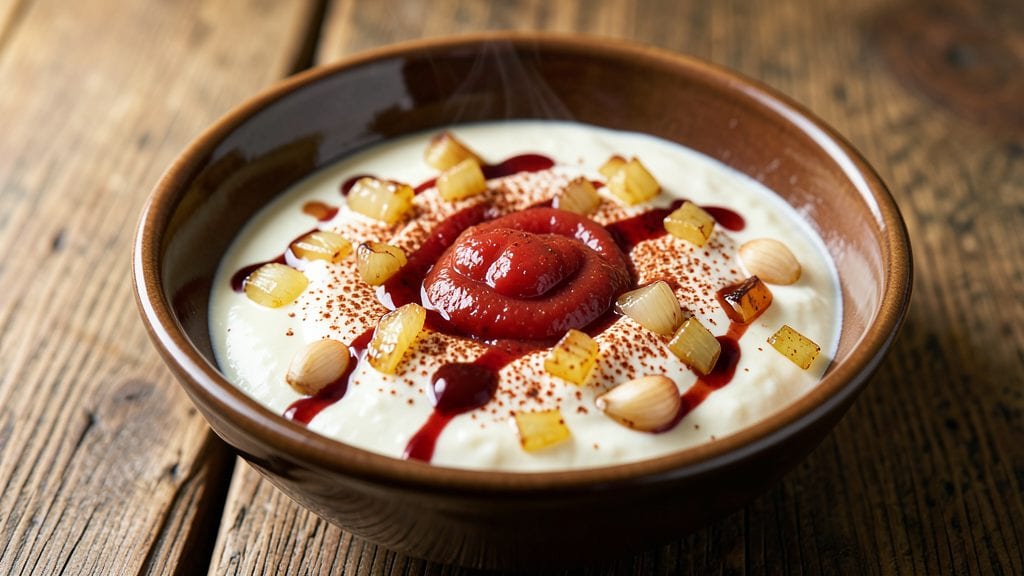
This Russian sauce recipe transforms simple pantry staples into a smoky, tangy sour cream velocity that elevates everything from dumplings to grilled meats. The secret lies in balancing traditional techniques with modern convenience—no special equipment required, just a few minutes of prep for restaurant-quality flavor.
I developed this version after years of experimenting with authentic recipes, refining them to work in any home kitchen without sacrificing depth.
The foundation is sour cream—rich and tangy—but the real magic happens when we infuse it with smoked paprika and a touch of garlic. A quick reduction of onions and tomato paste builds the sauce's backbone, while a splash of vinegar cuts through the richness for that signature Russian brightness.
What makes this recipe stand out is its versatility; it works as a dip, a drizzle, or a base for soups, all while keeping prep under 20 minutes.
By the time you're done, you'll have a velvety sauce with a smoky aroma that lingers in the air and a texture that coats every bite perfectly. The balance of acidity, fat, and umami creates a profile that's both familiar and exciting—proof that great flavor doesn't require complexity.
This sauce keeps well in the fridge for up to 5 days, making it ideal for meal prep or hosting.
Perfect for pairing with blini, pelmeni, or grilled fish, this recipe proves that traditional Russian flavors can be both authentic and approachable. Let's get started with the ingredients—where every component plays a crucial role in building that signature taste.
Ingredients for russian sauce
Ten pantry staples transform into restaurant-quality Russian sauce with smoky depth and velvety texture.
| Ingredient | Amount | Notes |
|---|---|---|
| Sour Cream 🧀 | 1 cup | Full-fat for optimal texture |
| Smoked Paprika 🌶️ | 2 tbsp | High-quality Spanish smoked preferred |
| Yellow Onion 🧅 | ½ cup | Finely diced, medium size |
| Tomato Paste 🍅 | 2 tbsp | Smooth, not chunky |
| Garlic Cloves 🧄 | 3 cloves | Fresh, minced finely |
| Apple Cider Vinegar 🍋 | 1 tbsp | For authentic tang |
| Extra-Virgin Olive Oil 🫒 | 2 tbsp | Light fruity variety |
| Diamond Crystal Kosher Salt 🧂 | ½ tsp | Fine grain preferred |
| Fresh Dill 🌿 | 1 tbsp | Chopped, stems removed |
| Black Pepper 🌶️ | ¼ tsp | Freshly cracked |
The sour cream forms the sauce's luxurious base, so full-fat is essential—anything less results in a thinner, less satisfying texture. For smoked paprika, Penzeys or Spanish brands deliver the most authentic, complex smokiness. Yellow onions should be fresh and sweet—avoid the wilted ones at the back of the produce section. Tomato paste quality varies wildly; Muir Glen or Barilla are reliable choices. Fresh dill is ideal, but dried dill at one-third the amount works in a pinch. The apple cider vinegar should be unfiltered for best flavor—Bragg or Texas Pete are excellent options.
No smoked paprika? Substitute liquid smoke at one-quarter teaspoon, but use sparingly—it's potent. Running short on fresh dill? Fresh parsley works at the same quantity, though it lacks the signature Russian flavor profile. Prefer a different vinegar? White wine vinegar or lemon juice both work, though apple cider provides the most authentic tang. The olive oil should be light fruity—avoid the bitter, peppery varieties that can overpower the sauce. For a smoother texture, strain the sauce through a fine-mesh sieve after cooking, though purists may prefer the slight roughness from the onion reduction.
This sauce maintains its peak quality for 5 days refrigerated when stored in an airtight container. For longer storage, freeze in ice cube trays—each cube makes an excellent single-serving portion. Reheat gently on the stove over low heat, stirring frequently to prevent curdling. The sauce pairs beautifully with blini, pelmeni, or grilled fish, and its versatility makes it ideal for meal prep. When reheating, a splash of warm water helps restore the original silky consistency if it thickens too much.
Why You'll Love This Recipe
- Pantry Magic: I swear by this sauce because it’s made with things I always have—sour cream, onion, and a jar of tomato paste. No fancy shopping, no last-minute grocery runs. The smoked paprika alone gives it that deep, smoky warmth that feels like a hug.
- Garlic Kiss: That first bite? The garlic and onion caramelize just enough to hit you with a sweet, savory punch, but the sour cream keeps it from being overpowering. Here’s what sold me—it’s the kind of flavor that makes you pause mid-bite, thinking, “Wait, how did they do that?”
- Double Duty: I use this sauce on weeknight dinners, but it’s also my secret weapon for game day or when friends drop by. Drizzle it over roasted chicken, toss it with potatoes, or even slather it on grilled fish. (Yes, even on a Tuesday night when I’m too tired to think.)
- Leftovers That Don’t Suck: Between us, most sauces turn into a sad, watery mess after day two. Not this one. The sour cream thickens it up nicely, so it stays rich and usable for days. I’ve reheated a batch for breakfast toast—don’t judge me—and it was still spot-on. Budget-friendly? Absolutely. Reliable? Even more so.
Step-by-step instructions for Russian sauce
This smoky sour cream sauce delivers depth of flavor with just a handful of pantry staples.
Sauté the Aromatics
Heat the 2 tablespoons extra-virgin olive oil in a medium saucepan over medium heat. Add the ½ cup finely diced yellow onion and cook for 4-5 minutes until softened and translucent, stirring occasionally. The onions should release their moisture but not brown.
Add the 3 cloves minced garlic cloves and continue cooking for 30-45 seconds until fragrant. Be watchful here—the garlic burns quickly. Immediately add the 2 tablespoons tomato paste and stir vigorously to combine with the onions. Cook for 1 minute to develop the paste's flavor without coloring it.
Build the Sauce Base
Pour in the 1 tablespoon apple cider vinegar and stir to deglaze the pan, scraping up any browned bits from the bottom. This step captures all the flavor that would otherwise stick to your pan. Let the mixture simmer gently for 2 minutes to allow the vinegar to cook off slightly and mellow its sharpness.
Reduce heat to low and stir in the 2 tablespoons smoked paprika. The paprika will infuse its smoky depth into the sauce while preventing it from burning. Cook for 1 minute while stirring constantly to ensure even distribution. This is where the sauce's signature smoky character develops.
Incorporate the Sour Cream
Remove the saucepan from heat and let it cool slightly for 1-2 minutes. This prevents the sour cream from curdling when added. Slowly whisk in the 1 cup sour cream in a thin stream while continuing to stir the warm base. The sauce should begin to thicken noticeably as the sour cream emulsifies with the oil.
Return the sauce to low heat and simmer gently for 3-4 minutes, stirring frequently. The sauce should thicken to a velvety consistency but remain pourable. Avoid boiling—this will cause the sour cream to separate. If it thickens too much, whisk in 1-2 tablespoons water to adjust the texture.
Season and Finish
Remove the sauce from heat and stir in the ½ teaspoon diamond crystal kosher salt and ¼ teaspoon black pepper. The salt should enhance all the flavors while the pepper adds a subtle heat. Taste and adjust seasoning if needed—this sauce should balance smoky, tangy, and slightly sweet notes.
Finally, fold in the 1 tablespoon chopped fresh dill, reserving a few sprigs for garnish. The dill adds a bright, herbal note that cuts through the richness. Let the sauce rest for 5 minutes before serving to allow the flavors to meld completely. This sauce pairs beautifully with grilled meats, roasted vegetables, or as a dip for crusty bread.
Pro Tips For Making Russian Sauce
- COOK ON LOW HEAT: Smoked paprika burns faster than you’d think—keep the pan on medium-low once you add the tomato paste and onion. I learned this the hard way after watching a batch turn bitter from overcooking. Let the flavors meld slowly; rushing it turns the sauce metallic.
- GRATE THE ONION: Skip chopping the onion—grate it instead. It cooks down faster and blends smoother into the sauce, giving it a silkier texture without clumps. (Yes, even if you’re impatient like me, this isn’t the step to rush.)
- TEMPER THE SOUR CREAM: Warm the sour cream separately in a small saucepan over low heat until it’s just above room temperature—about 100°F—before stirring it into the sauce. Cold sour cream curdles faster than you can say “smoked paprika,” and nobody wants a broken sauce.
- PRESS THE GARLIC: Mince the garlic so fine it’s almost paste-like—this prevents it from floating as chunks in the sauce. I was skeptical until I tried it: the flavor distributes evenly, and the sauce tastes deeper. (Your future self will thank you.)
Pro cooking tips for perfect results
Temperature Control
Keep the heat at medium when sautéing onions and garlic—this ensures they soften without burning. Once you add the tomato paste, reduce to low heat immediately to prevent scorching.
The vinegar and paprika stages also require low heat to develop flavors without overpowering the sauce. I’ve ruined batches by rushing this step, so patience pays off here. 🌡️
Preventing Curdling
The sour cream is the most delicate part of this sauce. Always let the base cool slightly (1-2 minutes) before adding it. Whisk it in slowly while stirring the warm mixture constantly.
If the sauce starts to separate, immediately remove it from heat and whisk in 1 tablespoon cold water to re-emulsify. I’ve found that using full-fat sour cream (like Trader Joe’s or Fage) helps it hold up better to heat.
Smoke Depth Tricks
For extra smokiness, toast the smoked paprika in the dry pan for 30 seconds before adding it to the sauce. This intensifies its flavor.
If you don’t have smoked paprika, substitute ½ teaspoon liquid smoke (like Wright’s) mixed with 1½ tablespoons regular paprika—but use sparingly, as liquid smoke can overpower. I’ve also experimented with adding a pinch of cayenne pepper for subtle heat.
Texture Adjustments
If the sauce thickens too much during simmering, whisk in 1 tablespoon warm water to loosen it. For a smoother finish, strain the sauce through a fine-mesh sieve after cooking.
If it’s too thin, simmer uncovered for 1-2 extra minutes to reduce it slightly. The ideal consistency should coat the back of a spoon but still be pourable. 💫
Flavor Balancing
Taste the sauce at each stage—especially after adding vinegar and before finishing. The vinegar should brighten the sauce without making it sour; if it’s too sharp, simmer it longer to mellow it.
The smoked paprika and dill should complement, not overpower, the sour cream’s tang. I often add a pinch of sugar (¼ teaspoon) to balance acidity, but only if needed.
Make-Ahead Tips
This sauce tastes even better the next day as flavors meld. Store it in an airtight container in the fridge for up to 5 days. To reheat, warm it gently on the stove over low heat, stirring constantly.
If it thickens too much, whisk in 1 tablespoon warm water or milk to restore its silky texture. Freezing isn’t recommended, as sour cream can separate when thawed.
Nutrition facts
Frequently asked questions
Can I make this Russian sauce without smoked paprika?
Yes, but you'll need to adjust for flavor. Use ½ teaspoon liquid smoke mixed with 1½ tablespoons regular paprika for a similar smoky depth. Toast the paprika in a dry pan for 30 seconds first to intensify its flavor before adding to the sauce.
How do I prevent the sauce from curdling when adding sour cream?
Always let the base cool slightly for 1-2 minutes before adding sour cream. Whisk it in slowly while stirring the warm mixture constantly. If it starts to separate, remove from heat immediately and whisk in 1 tablespoon cold water to re-emulsify. Using full-fat sour cream also helps maintain stability.
What are the best ways to use this Russian sauce?
This versatile sauce works as a dip for blini or pelmeni, a drizzle over grilled meats, or a topping for roasted vegetables. It also elevates soups like borscht or serves as a tangy marinade for chicken. The smoky flavor pairs especially well with fish, potatoes, or fresh bread.
Can I make this sauce ahead of time?
Store it in an airtight container in the fridge for up to 5 days. The flavors actually improve overnight as they meld together. When reheating, warm it gently on low heat and whisk in 1 tablespoon water or milk if it thickens too much. Freezing isn't recommended as it may cause separation.
What if I don't have apple cider vinegar?
Use white wine vinegar or lemon juice instead—they'll provide the necessary tang. For a more authentic flavor, apple cider vinegar is ideal, but these substitutes work well in a pinch. Just remember that lemon juice will add a slightly citrusy note to the sauce.