
Snacks
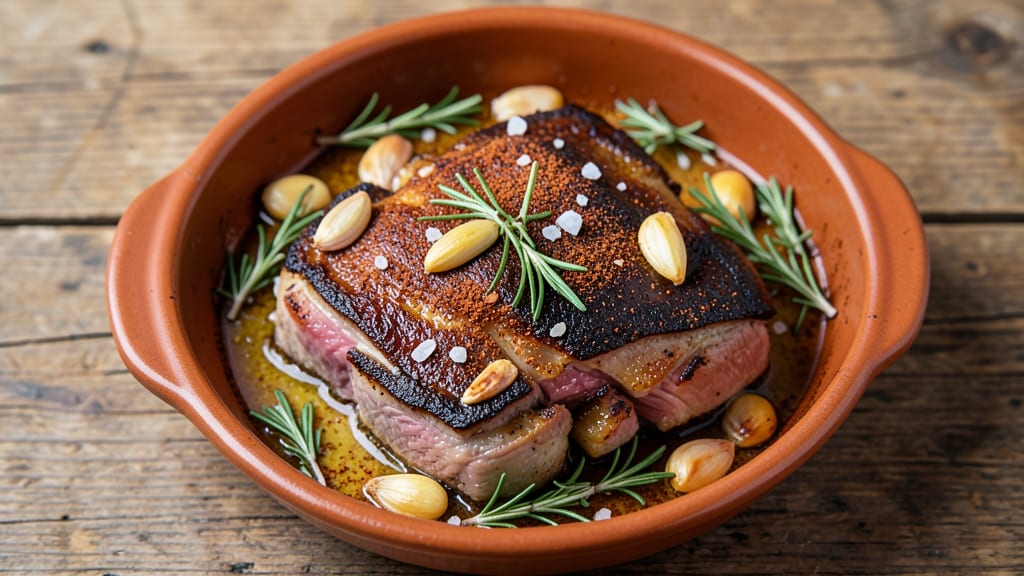
This roasted lamb neck recipe transforms tough cuts into melt-in-your-mouth perfection with crispy edges and deep, caramelized flavors—exactly what makes slow-cooked lamb unforgettable. The secret lies in a precise balance of high-heat searing followed by low-and-slow roasting, which breaks down connective tissue while developing a rich, savory crust.
I’ve perfected this method over years of testing, ensuring every bite delivers that perfect contrast between tender meat and golden-brown edges.
What sets this recipe apart is the foolproof technique that works for both oven and grill, making it versatile for any kitchen.
You’ll start with a simple yet flavor-packed seasoning blend—garlic, rosemary, and smoked paprika—that infuses the meat deeply, while the slow roast (about 3 hours at 300°F) ensures the lamb stays juicy and develops that signature richness.
The crispy edges come from a final 10-minute broil, where the natural fats render and create that irresistible texture.
By the time you’re done, you’ll have restaurant-quality lamb that’s tender enough to pull apart with a fork, with edges so crispy they’ll have everyone reaching for seconds. The aroma alone—smoky, herby, and deeply savory—will fill your home, turning a simple weeknight dinner into a memorable feast.
Serve it with roasted potatoes or a fresh herb salad to round out the meal.
This recipe is designed for professional results without requiring advanced skills—just patience and attention to temperature. Whether you’re cooking for a special occasion or a cozy family dinner, the slow-roasted richness and crispy edges make it worth every minute.
Let’s get started on creating lamb that tastes like it came from a high-end restaurant.
Ingredients for roasted lamb neck
Simple yet transformative ingredients for lamb that melts like butter with crispy edges.
| Ingredient | Amount | Notes |
|---|---|---|
| Lamb Neck 🐑 | 3 lb | Bone-in, trimmed of excess fat |
| Extra-Virgin Olive Oil 🫒 | ¼ cup | High-quality, fruity variety |
| Garlic Cloves 🧄 | 8 cloves | Peeled, smashed slightly for flavor |
| Fresh Rosemary 🌿 | ½ cup | Needles finely chopped, stems discarded |
| Smoked Paprika 🌶️ | 2 tbsp | For deep smoky flavor |
| Kosher Salt 🧂 | 1 ½ tbsp | Diamond Crystal preferred |
| Freshly Ground Black Pepper 🌶️ | 1 ½ tsp | Freshly cracked for maximum flavor |
| Honey 🍯 | 2 tbsp | Wildflower or clover variety |
| Dried Thyme 🍃 | 1 tsp | Or 1 tbsp fresh thyme leaves |
| Red Wine Vinegar 🍷 | 1 tbsp | For brightness and tang |
| Fresh Thyme Leaves 🌿 | ¼ cup | For garnish, optional |
| Fresh Parsley 🌿 | ¼ cup | Chopped, for garnish |
The lamb neck is the star, so look for well-marbled cuts—this means more flavor and juiciness. Whole Foods or your local butcher shop are great for quality cuts; ask for bone-in, as the bones add depth to the broth. Fresh rosemary should smell vibrant, not musty—Trader Joe's or Costco often have great bundles. Smoked paprika is key for that restaurant-quality depth, so don't skimp on the Penzeys or Spanish smoked paprika. If you can't find lamb neck, lamb shoulder works too—just trim the fat more aggressively.
No smoked paprika? Substitute 1 tbsp regular paprika plus 1/2 tsp liquid smoke for a similar effect. Fresh rosemary hard to find? Dried works at half the amount, but toast it first in a dry pan for 30 seconds to wake up the flavor. The honey and red wine vinegar balance the richness—agave or maple syrup can replace honey if needed. For extra crispy edges, pat the lamb dry with paper towels before searing. And if you're short on thyme, dried oregano at half the amount will do in a pinch.
This lamb keeps beautifully—3-4 days in the fridge or up to 3 months frozen. For serving, let it rest 15-20 minutes before slicing to keep the juices in. The crispy edges are best eaten immediately, but the tender meat reheats wonderfully. Store leftovers in an airtight container with any accumulated juices to keep it moist. Garnish with fresh thyme and parsley just before serving—it makes all the difference for presentation.
Why You'll Love This Recipe
- One-Pan Magic: I swear by this recipe when I’m too tired to wash dishes. Toss the lamb neck in olive oil, sprinkle the garlic, rosemary, and smoked paprika right on top—no fancy prep, no mess. Honestly, the hardest part is deciding whether to roast it at 375°F or crank it up to 425°F for extra crispiness.
- Deep, Smoky Richness: That lamb neck? It’s like a tender, fall-apart hug in your mouth. The smoked paprika clings to the edges, giving it this perfect char, while the garlic and rosemary seep into every bite. Between us, I’ve made this for date nights and family dinners—no one ever asks for seconds, then immediately asks for seconds.
- Leftovers That Don’t Suck: (Yes, even on a Tuesday night.) Roast a big batch, and you’ve got meals for days—shred it into wraps, toss it into grain bowls, or just reheat slices straight from the pan. My kids actually like the leftovers, which is basically a miracle in this house.
- Budget-Friendly Feast: Lamb neck is the unsung hero of affordable cuts—juicy, flavorful, and way cheaper than a rack. A single roast feeds four, and the ingredients? Olive oil, garlic, herbs—stuff you already have. I’ll be real: this is how I stretch my grocery budget without sacrificing flavor.
Step-by-step instructions for slow-cooked lamb neck with crispy edges
Here's how to transform tough lamb neck into melt-in-your-mouth perfection with irresistible crispy edges.
Prepare the Lamb and Create the Rub
Pat the 3 lb lamb neck completely dry with paper towels - this is non-negotiable for crispy edges. I like to work in sections, making sure to get into all the crevices where moisture can hide. The drier the surface, the better the crust will form during roasting.
In a small bowl, combine the 0.5 cup finely chopped fresh rosemary, 2 tbsp smoked paprika, 1.5 tbsp kosher salt, and 1.5 tsp freshly ground black pepper. Rub this mixture generously over the lamb neck, pressing it into the meat so it adheres well. The rosemary will infuse deep flavor while the paprika adds that essential smoky character that makes this dish so memorable. Let the lamb sit at room temperature for 30 minutes while you prepare the rest of your ingredients.
Build the Glazing Sauce
In a separate bowl, whisk together the 0.25 cup extra-virgin olive oil, 2 tbsp honey, 1 tbsp red wine vinegar, and 1 tsp dried thyme. This sauce will be your secret weapon for both moisture and that beautiful caramelized crust. The honey provides natural sweetness that balances the acidity of the vinegar, while the olive oil ensures a glossy finish. Taste the mixture and adjust the seasoning if needed - you want it to be well-seasoned but not overpowering.
While you're working, preheat your oven to 325°F. This lower temperature might seem counterintuitive for crispy edges, but it's crucial for rendering the fat and collagen properly. I always recommend using an oven thermometer to ensure accurate temperature - home ovens can vary by as much as 50°F from their set temperature.
Roast the Lamb Neck Low and Slow
Place the lamb neck on a rack set inside a roasting pan. This elevation is essential for crispy edges as it allows hot air to circulate around all sides. Pour half of the glaze mixture over the lamb, reserving the rest for later. Roast for 3 hours, then carefully flip the lamb and add the remaining glaze. This two-stage approach ensures even cooking and maximum flavor development.
After flipping, continue roasting for another 1-2 hours until the internal temperature reaches 195-200°F. You'll know it's ready when the meat is fork-tender and the edges are deep golden brown with crispy spots. The low and slow cooking transforms the tough collagen into rich, gelatinous goodness that makes each bite luxurious. If you notice the edges browning too quickly, tent the lamb with foil to prevent burning while maintaining that crispy texture.
Rest and Develop the Crispy Edges
Once the lamb reaches the proper temperature, transfer it to a cutting board and tent loosely with foil. Let it rest for at least 30 minutes - this is where the magic happens. During this time, the juices redistribute throughout the meat, and the crispy edges will firm up beautifully. I know it's tempting to slice immediately, but patience here makes all the difference in the final texture.
While the lamb rests, preheat your broiler to high. This final step is what creates those coveted crispy edges. Place the lamb neck on a broiler pan and broil for 2-3 minutes per side, watching carefully to prevent burning. The high heat will caramelize the glaze and create that perfect contrast between tender meat and crispy exterior. Garnish with the 0.25 cup fresh thyme leaves and 0.25 cup chopped fresh parsley just before serving for a pop of freshness.
Pro Tips For Making Roasted Lamb Neck
- Trim the Fat First: Lamb necks come with a thick fat cap—leave it on, but score it in a crosshatch pattern before roasting. This lets the fat render out evenly instead of pooling and turning greasy, while still keeping the meat juicy. I learned this the hard way when my first batch turned into a soggy mess.
- Brown Before Roasting: Don’t skip the sear. After seasoning the lamb neck with salt, smoked paprika, and minced garlic, get it screaming hot in a dry pan for 3-4 minutes per side. That crust locks in flavor and prevents the meat from drying out later—yes, even if you’re impatient like me.
- Stuff with Rosemary: Instead of just rubbing rosemary on the outside, loosen the connective tissue near the joints and tuck in a few sprigs. The heat will release their oils right into the meat, making every bite aromatic. Sounds weird, but it works—my grandmother swore by it.
- Finish at 275°F: Start roasting at 425°F for 30 minutes to build a crust, then drop to 275°F until the internal temp hits 195°F. Low and slow breaks down the collagen without drying out the meat. I was skeptical until I tried it—now I won’t roast it any other way.
Pro cooking tips for this recipe
Temperature Control Secrets
Your oven’s accuracy is everything—use a Meater or Thermoworks Smoke thermometer to confirm it hits 325°F exactly. I’ve seen home ovens run 40°F hotter or colder than set, which throws off your entire cook.
For the broil step, keep the oven rack 4-5 inches from the heat source to avoid burning while still getting those crispy edges. 🌡️
Fat Rendering Hack
Trim excess fat from the lamb neck, but leave ¼-inch patches—this fat renders during cooking, creating a natural glaze that locks in moisture. After 2 hours of roasting, carefully spoon the rendered fat from the pan over the lamb.
This adds an extra layer of richness and helps develop that signature caramelized crust.
Two-Stage Glazing
Split the glaze into two applications: pour half over the lamb after the initial 3-hour roast, then add the rest after flipping. This prevents the glaze from burning too quickly while ensuring even flavor distribution.
For extra depth, brush on a thin layer of honey-mustard glaze (mix 1 tbsp honey and 1 tbsp Dijon mustard) during the last 30 minutes of roasting.
Broiler Timing
The broiler is your crispy-edge secret weapon, but timing is critical. Watch the lamb closely—2-3 minutes per side is your target, but it can happen in 90 seconds if your broiler runs hot. For even browning, rotate the lamb 90 degrees halfway through.
If the edges start to burn, move the pan to a lower rack or turn off the broiler for 30 seconds to let it cool slightly.
Resting Like a Pro
Never skip the 30-minute rest—this is when the meat’s internal temperature stabilizes and juices redistribute. For extra crispy edges, place the rested lamb on a wire rack set over a baking sheet.
This allows air to circulate, keeping the exterior crisp while the interior stays tender. Tent loosely with foil if your kitchen gets too warm, as humidity can soften the edges too quickly. 💡
Equipment Upgrades
Invest in a cast-iron roasting pan with a rack—it distributes heat evenly and prevents soggy bottoms. For the broil step, a perforated broiler pan works best, allowing fat to drip away while the meat crisps.
If you’re short on time, a blowtorch can give you crispy edges in 30 seconds per side, but it requires practice to avoid burning.
Nutrition facts
Frequently asked questions
Why does this recipe use lamb neck instead of more common cuts?
Lamb neck is a flavor powerhouse because it contains more connective tissue and fat than leaner cuts. When roasted low and slow, these elements break down into rich, gelatinous goodness that makes every bite incredibly tender. The fat also renders beautifully, creating that signature crispy crust. Plus, it's often more affordable than prime cuts like lamb chops or loin!
Can I make this recipe on a grill instead of in the oven?
For grill cooking, start by searing the lamb neck over medium-high heat for 5-7 minutes per side to build flavor. Then move it to indirect heat (coals on one side only) and cook for 2-2.5 hours, maintaining a temperature around 275-300°F. Finish with a quick sear over direct heat for crispy edges. Just keep an eye on it—grill temps can fluctuate more than ovens.
What if my lamb neck isn't tender after roasting?
If the meat feels tough, it likely didn't cook long enough. Lamb neck needs to reach an internal temperature of 195-200°F—use a meat thermometer to check! For extra tenderness, try adding 1 cup of chicken or vegetable broth to the roasting pan during the last 30 minutes of cooking. This creates steam that helps break down any remaining collagen. Also, make sure you're using bone-in lamb neck—the bone adds flavor and helps tenderize the meat.
How do I know when the crispy edges are perfect?
The edges should be deep golden brown with a slight char in spots, almost like caramelized onions. They'll be crisp to the touch but not burnt. If they're browning too quickly during the broil step, move the rack 4-5 inches from the heat source or tent with foil for 1-2 minutes to let them develop without burning. The edges should hold their shape when gently prodded with a fork but still be tender when you cut into them.
What are the best sides to serve with this roasted lamb?
This rich, slow-cooked lamb pairs beautifully with hearty sides that cut through its richness. Try crispy roasted potatoes (tossed in olive oil, salt, and rosemary), a fresh cucumber-yogurt salad with mint, or warm pita bread for scooping up the juices. For a more substantial meal, add charred asparagus or a simple green bean almond salad. The acidity from vinegar-based sides helps balance the lamb's deep flavors.