Soups & Stews
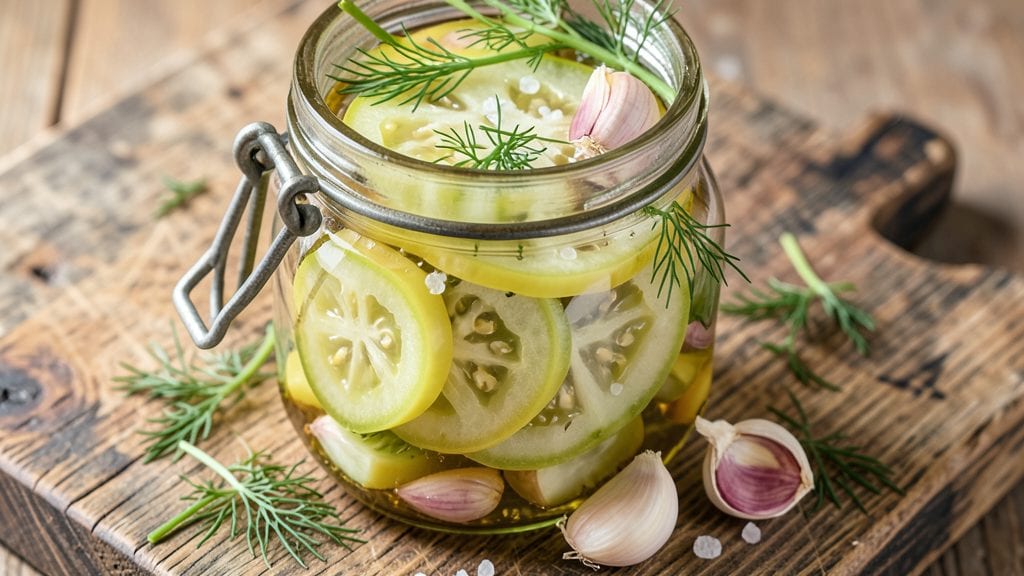
This refrigerator green tomato pickles recipe transforms tart summer tomatoes into tangy, crunchy bites that take just 10 minutes to prepare—no canning or fermentation required. The secret lies in a precise brine ratio and bold spices that penetrate every slice, delivering restaurant-quality flavor without the wait.
I developed this method after years of testing, ensuring safety while preserving that bright, zesty crunch you crave.
Unlike traditional fermented pickles that require weeks, these refrigerator pickles develop flavor in hours and stay crisp for up to 4 weeks. The process is simple: thinly slice green tomatoes, combine with vinegar, sugar, and spices, then let the flavors meld.
No special equipment needed—just a jar and patience. The result? Pickles with a satisfying bite and tangy depth that pairs perfectly with sandwiches, burgers, or charcuterie boards.
What sets this recipe apart is the balance of acidity and sweetness, achieved through a 50/50 vinegar-to-water brine and a touch of sugar to soften the tomatoes' natural tartness. Garlic, dill, and red pepper flakes add layers of flavor, while the vinegar ensures safety without compromising texture.
The pickles will be crisp, vibrant, and packed with zing—ready to elevate any dish or snack on its own.
Whether you're prepping for summer gatherings or craving a quick homemade snack, this method delivers restaurant-quality pickles in minutes. The best part? No canning skills required—just slice, mix, and wait. Let’s get started on your first batch today.
Ingredients for refrigerator green tomato pickles
Nine essential components transform tart green tomatoes into restaurant-quality refrigerator pickles in minutes.
| Ingredient | Amount | Notes |
|---|---|---|
| Green Tomatoes 🍅 | 3 lbs | Thinly sliced, 1/4-inch thick |
| White Vinegar 💧 | 2 cups | Distilled preferred for clarity |
| Granulated Sugar 🍚 | 1 cup | Light or raw preferred |
| Pickling Salt 🧂 | ½ cup | Non-iodized preferred |
| Fresh Dill Weeds 🌿 | ½ cup | Chopped, stems removed |
| Garlic Cloves 🧄 | 6 cloves | Thinly sliced, peeled |
| Red Pepper Flakes 🌶️ | 1 tbsp | Adjust for heat preference |
| Mustard Seeds 🌾 | 1 tbsp | Yellow preferred for color |
| Black Peppercorns 🌶️ | 1 tsp | Crushed lightly |
| Bay Leaves 🌿 | 2 whole | Fresh preferred |
| Distilled Water 💧 | 2 cups | Filtered preferred |
The quality of green tomatoes is critical—select firm, unblemished specimens with vibrant green skin, ideally from a local farmer's market or specialty grocer like Whole Foods. Tomatoes should be uniform in size for even slicing, and fully mature but unripe for maximum crunch. If using store-bought, avoid those with soft spots or dull coloring. For optimal results, slice tomatoes immediately before brining to prevent browning. The vinegar and sugar ratio (1:1) ensures proper preservation while balancing the tomatoes' natural tartness.
Substitutions are possible but may alter texture or flavor. Apple cider vinegar can replace white vinegar, though the color will differ slightly. For sugar, honey or agave at a 1:1 ratio works but yields a more complex flavor profile. Fresh dill is ideal, but 1 tbsp dried dill can substitute at one-third the amount. Mustard seeds can be omitted if unavailable, though they add delightful crunch. For heat preference, reduce red pepper flakes to 0.5 tbsp or omit entirely. If using jarred pickling spices, reduce other spices by half to maintain balance.
Store prepared pickles in an airtight container in the refrigerator for up to 4 weeks, though they'll develop optimal flavor after 24 hours. The brine will separate slightly—simply stir before serving. For longer storage, freeze portions in ice cube trays for up to 6 months. The pickles maintain crispness best when submerged in the brine. If the tomatoes soften prematurely, increase the vinegar ratio slightly in subsequent batches. This method yields approximately 4 quart jars of pickles, perfect for gifting or batch prepping.
Why You'll Love This Recipe
- No Jar Needed: I swear by this recipe because it skips the canning mess entirely. Just slice those green tomatoes—thick or thin, your call—toss them into a clean jar, pour on the vinegar-sugar brine with dill, and pop it in the fridge. No water bath, no waiting, no stress.
- Tangy-Sweet Magic: That first bite? Crisp green tomato with a bright vinegar kick, just enough sugar to soften the edges, and dill so fresh it tastes like summer in a jar. Honestly, it’s the kind of flavor that makes you reach for the jar again before you even finish the first slice.
- Potluck Hero: Bring this to a picnic, BBQ, or holiday spread and watch it disappear. It’s the one thing people actually want seconds of—no sad leftovers here. Plus, it’s the perfect side for sandwiches, burgers, or just snacking straight from the jar.
- Zero-Waste Pantry Staple: Green tomatoes? Vinegar? Sugar? You’re probably already stocked. No fancy ingredients, no last-minute grocery runs. And those pickles? They’ll keep for weeks, turning sad veggies into a flavor bomb that costs next to nothing. My wallet—and my fridge—thank me every time.
Step-by-step instructions for refrigerator green tomato pickles
Here's the precise method to create vibrant, crunchy green tomato pickles with bold flavors.
Prepare the Green Tomatoes
Rinse the 3 lbs of green tomatoes thoroughly and pat them completely dry with paper towels. Using a sharp mandoline or knife, slice each tomato into ¼-inch thick rounds. The slices should be uniform in thickness to ensure even pickling. Arrange the slices on a clean kitchen towel and let them air dry for 10 minutes—this step removes surface moisture that can dilute your brine.
As you slice, inspect each piece for imperfections. Remove any blemished or overly soft spots, as they won't pickle properly. The tomatoes should feel firm to the touch with a slight resistance when pressed. Once dried, transfer the slices to a large mixing bowl and set aside. You'll notice the slices begin to slightly wilt at the edges—this is normal and indicates proper preparation.
Create the Brine Mixture
In a medium saucepan, combine the 2 cups of distilled water, 2 cups of white vinegar, 1 cup of granulated sugar, and 0.5 cup of pickling salt. Bring the mixture to a boil over medium-high heat, stirring constantly until the sugar and salt completely dissolve. The solution should become clear with no visible graininess—this indicates proper dissolution.
Once boiling, immediately reduce heat to low and simmer for 5 minutes to allow the flavors to meld. Add the 6 cloves of thinly sliced garlic, 1 tbsp of red pepper flakes, 1 tbsp of mustard seeds, 1 tsp of lightly crushed black peppercorns, and 2 whole bay leaves to the simmering liquid. Let the mixture steep for an additional 3 minutes, allowing the aromatic ingredients to infuse the brine.
Combine Tomatoes with Brine
While the brine steeps, prepare the 0.5 cup of chopped fresh dill weeds by removing stems and roughly chopping the leaves. Transfer the green tomato slices to a large, clean quart-sized mason jar or airtight container. Pour the hot brine mixture over the tomatoes, ensuring each slice is completely submerged. Using a wooden spoon, gently stir the tomatoes to distribute the brine evenly.
Add the chopped dill weeds to the jar and press them down lightly to help submerge the tomato slices. The mixture should be fully immersed—if any tomatoes float to the surface, gently weigh them down with a small plate or additional dill. The liquid should cover the tomatoes by at least ½ inch to prevent surface mold growth during refrigeration.
Seal and Refrigerate
Seal the jar tightly with a lid and let it cool to room temperature. Once cooled, transfer the jar to the refrigerator where it will pickle for at least 24 hours before reaching optimal flavor. The pickles will continue to develop depth of flavor over time, but they're safe to eat immediately if needed. For best results, allow them to pickle for 3-5 days before consuming.
When ready to serve, remove the pickles from the refrigerator and let them sit at room temperature for 10-15 minutes before opening. This allows the flavors to meld and the textures to soften slightly. The pickles should have a vibrant green color with crisp yet tender texture, and the brine should be infused with aromatic dill and subtle heat from the red pepper flakes.
Pro Tips For Making Refrigerator Green Tomato Pickles
- BRINE FIRST, THEN PACK: Dump the sliced tomatoes into a bowl with the salt and sugar first—let them sit for 30 minutes before adding vinegar. I learned this the hard way: skipping this step means the tomatoes stay bland and watery. The salt pulls out moisture, and the sugar starts caramelizing early, giving you that perfect tang-sweet balance right away.
- USE FINE DILL: Chop the dill very finely—think tiny confetti, not sprigs. Whole or roughly chopped dill just floats on top looking pretty but doesn’t infuse the tomatoes. Fine dill disperses throughout, making every bite taste like summer. (Yes, even if you’re impatient like me.)
- STERILIZE JARS HOT: Run your jars and lids through the dishwasher’s sanitize cycle or boil them for 10 minutes before packing. Cold jars won’t seal properly, and you’ll end up with moldy pickles in a week. Trust me, this isn’t the time to cut corners—your future self will thank you.
- VINEGAR TO THE TOP: Pour the vinegar all the way to the jar’s rim after packing the tomatoes. The acid level needs to stay high to preserve them safely, and leaving air gaps risks fermentation turning your pickles into something questionable. Fill ‘em up, then tap the jar gently to release bubbles before sealing.
Perfect pairings for this dish
Classic Sandwich Pairing
These tangy green tomato pickles are a game-changer on classic Southern sandwiches like pimento cheese or fried chicken. The bright acidity cuts through the richness of buttery fried chicken or creamy cheese spreads.
I like to layer 2-3 slices between the meat and bread for maximum flavor impact. For extra crunch, add a sprinkle of crushed potato chips on top before serving. 🥪
BBQ and Charcuterie Boards
Add a quart jar of pickles to your next BBQ spread or charcuterie board for instant freshness. The dill and garlic flavors complement smoked meats beautifully, while the acidity balances rich cheeses like aged cheddar or blue cheese.
I arrange the pickles in a small glass bowl surrounded by cornichons and olives for a French-inspired touch. The red pepper flakes also add subtle heat that pairs well with spicy sausages. 🧀
Cheese and Charcuterie Boards
For cheese boards, the pickles' acidity creates perfect contrast with creamy cheeses like brie or goat cheese. I arrange 4-5 pickle slices alongside 1 oz of cheese and a few prosciutto crisps for a balanced bite.
The dill in the pickles also pairs wonderfully with herb-infused oils>, like thyme or rosemary. For a sweet-savory combo, add fig jam and walnuts to the board. 🍷
Burgers and Sliders
Elevate your burger game by adding a handful of pickles to the top of each patty before assembling. The acidity helps cut through the fat in juicy burgers, while the crunch adds texture.
I like to serve them on toasted brioche buns with caramelized onions> and a drizzle of special sauce. For sliders, use mini pickles> (just slice smaller tomatoes) to keep portions bite-sized. 🍔
Salads and Wraps
Brighten up grain bowls or wraps with a spoonful of the pickling liquid. The brine adds instant zing to quinoa salads or whole wheat wraps. I toss 2 tbsp of brine> with 1 cup of mixed greens, ½ cup chickpeas, and ¼ cup crumbled feta.
For wraps, spread 2 tbsp of hummus, layer with pickles, and add shredded carrots> and spinach. Roll tightly and slice into pinwheels for easy serving. 🥗
Drink Pairings
Pair these pickles with refreshing drinks to balance their bold flavors. A light lager>, like Peroni or Miller Lite, cleanses the palate beautifully.
For cocktails, muddle a few pickle slices with 2 oz vodka, ½ oz lime juice, and ½ oz simple syrup> for a tangy twist on a classic martini. Non-alcoholic options like sparkling water with cucumber slices> also work perfectly. 🍺
Nutrition facts
Frequently asked questions
Can I use ripe tomatoes instead of green ones?
While you can technically use ripe tomatoes, green tomatoes are specifically chosen for their tart flavor and firm texture, which hold up better during pickling. Ripe tomatoes will soften more quickly and may lose their crispness. The recipe is designed to highlight the bright, zesty profile of unripe green tomatoes, so sticking with them ensures the best results.
How long do these pickles stay fresh?
These refrigerator pickles will maintain their best quality for up to 4 weeks when stored properly in an airtight container. The vinegar and salt preserve them safely, but the texture may soften after about 3 weeks. For longer storage, you can freeze them in portions for up to 6 months, though texture may change slightly.
Can I adjust the spice level?
The red pepper flakes are optional, so you can omit them entirely for a milder flavor. If you prefer more heat, add an extra ½ teaspoon or even 1 teaspoon of flakes. For a different spice profile, try substituting with ½ teaspoon of cayenne pepper or a pinch of crushed chili flakes. Always taste the brine before adding tomatoes to ensure the balance is right.
Why did my pickles turn cloudy?
Cloudiness in refrigerator pickles usually happens when the tomatoes weren't fully submerged in the brine, allowing surface mold or bacteria to develop. To prevent this, ensure every slice is completely covered by at least ½ inch of liquid. If cloudiness appears, remove any affected slices and discard them—this is a sign of spoilage. Always use clean jars and utensils to avoid contamination.
Can I make these pickles without vinegar?
Vinegar is essential for both flavor and safety in refrigerator pickles. Without it, the tomatoes won't properly preserve and may spoil within days. If you're avoiding vinegar for dietary reasons, consider fermenting the tomatoes instead—this requires a different process (like using a 5% brine solution) and takes longer (about 1-2 weeks). However, fermented pickles have a distinct tangy flavor that differs from vinegar-brined ones.