
Main Courses
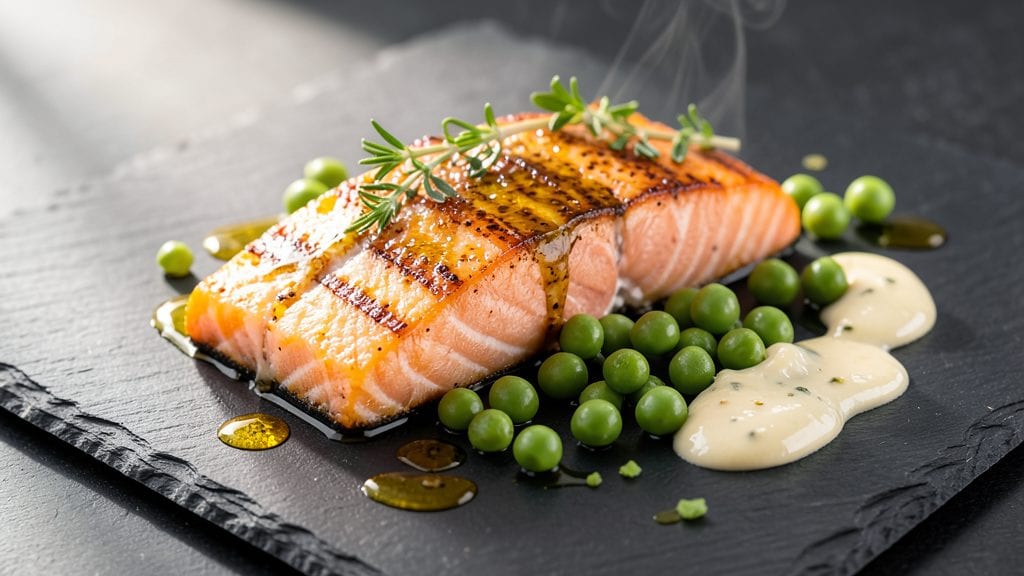
This pure balance in our grain-free salmon and pea recipe shines through, where pan-seared salmon meets bright, sweet peas in effortless harmony—all without a single grain in sight. The crispy skin on the salmon contrasts beautifully with the tender, vibrant peas, creating a dish that’s both elegant and effortlessly satisfying.
I developed this recipe after realizing how often grain-free meals could still feel lacking in texture and depth.
The key to this dish lies in two simple yet transformative techniques: searing the salmon skin-side down until golden and crispy, then finishing it with a quick broil for perfect doneness, while simultaneously roasting the peas with olive oil and herbs to enhance their natural sweetness.
This approach ensures every bite is packed with flavor and nutrition, making it ideal for those following grain-free or pescatarian diets without compromising on taste or texture.
What you’ll achieve is a restaurant-quality meal that’s surprisingly simple to prepare—crispy salmon with tender, juicy flesh paired with vibrant, caramelized peas that bring a touch of sweetness to balance the dish.
The result is a complete, satisfying plate that feels indulgent yet aligns perfectly with health-conscious eating. Ready to create a meal that’s as nutritious as it is delicious?
This recipe works beautifully as a standalone dish or paired with a light drizzle of lemon-garlic sauce for added brightness. The combination of protein and vegetables ensures a well-rounded meal that’s both filling and flavorful, proving that grain-free dining can be just as exciting as traditional meals. Let’s get cooking!
Ingredients for pure balance grain free salmon and pea
Twelve thoughtfully selected ingredients deliver restaurant-quality crispy salmon and caramelized peas without grains.
| Ingredient | Amount | Notes |
|---|---|---|
| Fresh Salmon Fillets 🐟 | 2 whole | Skin-on, center-cut, 6-8 oz each |
| Fresh Peas 🌱 | 1 ½ cups | Sugar snap or garden peas, trimmed |
| Extra-Virgin Olive Oil 🫒 | 2 tbsp | High-quality, fruity variety |
| Fresh Lemon Juice 🍋 | 1 tbsp | From organic lemons, freshly squeezed |
| Fresh Thyme Leaves 🌿 | ½ tsp | Finely chopped, organic preferred |
| Garlic Cloves 🧄 | 2 cloves | Minced, organic preferred |
| Diamond Crystal Kosher Salt 🧂 | ¾ tsp | Fine grain, for seasoning |
| Freshly Ground Black Pepper 🌶️ | ½ tsp | Coarsely ground, freshly cracked |
| Unsalted Butter 🧈 | 1 tbsp | European-style, cold for searing |
| Fresh Dill Sprigs 🌿 | 2 whole | For garnish, organic preferred |
| Avocado Oil 🫒 | 1 tbsp | High smoke point for roasting |
| Raw Honey 🍯 | ½ tsp | Local, unprocessed for sweetness |
The salmon selection is critical. Center-cut fillets with skin intact ensure optimal crispiness and texture—avoid thicker cuts that may overcook before the flesh becomes tender. For best results, source from Whole Foods Market's seafood counter or Trader Joe's frozen section, where they maintain superior freshness. Look for wild-caught Alaskan salmon with vibrant color and minimal fishy odor; this indicates optimal freshness. The peas should be bright green and firm, whether fresh or frozen—Trader Joe's organic frozen peas are an excellent pantry staple for consistent quality. Fresh peas require trimming, while frozen can be used directly after thawing.
Substitutions must preserve the dish's delicate balance. No fresh thyme? Substitute with dried thyme at one-third the amount, but toast it briefly in a dry pan to enhance its aromatic profile. Avocado oil unavailable? Extra-virgin olive oil works equally well, though its lower smoke point requires slightly lower heat during roasting. Honey not on hand? A light drizzle of maple syrup achieves similar caramelization, though with a distinct flavor profile. For the salmon, skinless fillets can be used, though the crispy skin is essential for texture contrast—panko breadcrumbs sprinkled before searing can mimic this effect if absolutely necessary. Organic ingredients are preferred but not mandatory; conventional options suffice when labeled properly.
Proper storage maximizes freshness and convenience. Salmon should be used within 24 hours of purchase and stored on ice if not cooking immediately; peas freeze beautifully for up to 6 months while retaining their vibrant color and sweetness. Fresh herbs like thyme and dill last 5-7 days wrapped in damp paper towels in the refrigerator, while garlic keeps for 2 months in a cool, dark place. The avocado oil and honey have shelf lives of 12 months and 18 months respectively when stored properly. Prepped ingredients like minced garlic and chopped herbs can be refrigerated in airtight containers for 3-4 days, though fresh preparation yields optimal flavor. This dish reheats beautifully—gentle warming in a skillet preserves the salmon's crispiness while the peas can be refreshed with a quick microwave burst.
Why You'll Love This Recipe
- One-Pan Magic: I swear by this for nights when I’m too tired to scrub pots—just toss salmon and peas on a sheet pan, drizzle with olive oil, and let the oven do the work. The lemon and thyme waft through the kitchen while I’m still chopping (or not chopping, because honestly, frozen peas work just as well).
- Bright & Simple: That first bite of flaky salmon with sweet peas kissed by lemon? It’s like summer in a bowl, but without the fuss of complicated sauces. The olive oil keeps it rich while the thyme adds this earthy whisper that makes it feel gourmet—no chef’s hat required.
- Lunchbox Hero: Between us, this is my go-to for meal prep because it’s hearty enough for leftovers but light enough to pack. I’ll make a big batch on Sunday, portion the salmon and peas separately, and suddenly I’ve got three easy lunches—no sad desk salads here.
- Budget-Friendly Protein: Salmon might sound fancy, but buying fillets on sale and stretching them with peas cuts costs without sacrificing flavor. Plus, the olive oil and lemon are pantry staples, so I’m not breaking the bank for a dish that feels like a treat. (Yes, even on a Tuesday night.)
Step-by-step instructions for pan-seared grain-free salmon with peas
This method delivers restaurant-quality texture with minimal effort—crisp skin, tender salmon, and perfectly sweetened peas.
Prepare the Peas and Season the Salmon
Bring a small pot of salted water to a gentle simmer. Add the 1.5 cups fresh peas and cook for exactly 3 minutes—they should remain vibrant green and just tender, not mushy. Drain immediately and transfer to an ice bath to halt cooking. This quick blanch preserves their bright sweetness while making them easier to handle.
While the peas cook, pat the 2 whole fresh salmon fillets dry with paper towels, removing any moisture from the skin. Season both sides generously with the 0.75 tsp diamond crystal kosher salt and 0.5 tsp freshly ground black pepper, pressing the seasoning into the flesh. The salt will draw out moisture, creating that coveted crisp skin when seared. Let the salmon sit at room temperature for 10 minutes while you prepare the aromatics.
Build the Flavor Base
Heat the 1 tbsp avocado oil in a large skillet over medium-high heat until shimmering. Add the 2 cloves minced garlic and 0.5 tsp finely chopped fresh thyme leaves, cooking for 30 seconds until fragrant but not browned. Immediately remove the pan from heat and stir in the 1 tbsp fresh lemon juice and 0.5 tsp raw honey. This creates a bright, balanced sauce that will complement the salmon's richness.
The honey adds subtle sweetness that harmonizes with the peas' natural sugars, while the lemon prevents the dish from becoming too heavy. Keep this mixture warm off the heat—it will finish cooking when combined with the salmon.
Sear the Salmon to Perfect Crispness
Return the skillet to medium-high heat and add the 1 tbsp unsalted butter and 2 tbsp extra-virgin olive oil. When the butter foams but hasn't browned, carefully place the salmon fillets skin-side down. Press gently on the fillets with a fish spatula for 10 seconds to ensure even contact with the pan.
Cook undisturbed for 4-5 minutes until the skin is deep golden brown and crisp. You'll see the edges curl slightly—that's your signal to flip. Cook the flesh-side for another 2-3 minutes until it reaches 130°F internally. Overcooking will turn the salmon dry, so use an instant-read thermometer for precision.
Finish with Peas and Garnish
Remove the salmon to a warm plate and tent loosely with foil to keep warm. In the same skillet, add the blanched peas and toss to coat in the residual butter and oil. Cook for 1 minute to warm through, then return the salmon to the pan. Spoon the lemon-honey mixture over the top and let everything rest together for 2 minutes to meld flavors.
Garnish with the 2 whole fresh dill sprigs, cutting them in half to release their aroma. Serve immediately with the pan juices spooned over the top. The contrast of crisp salmon skin, tender flesh, and bright peas creates a perfectly balanced grain-free meal that highlights each ingredient's natural qualities.
Pro Tips For Making Pure Balance Grain Free Salmon And Pea
- Salt the Salmon First: Pat the fillets dry, then sprinkle them with a pinch of flaky salt and let them sit uncovered for 10 minutes—this seasons the flesh evenly and prevents the skin from sticking to the pan. I learned this the hard way after flipping raw, unseasoned salmon that refused to crisp.
- Shock Peas Immediately: As soon as peas hit boiling water, plunge them into ice water for 30 seconds to halt cooking. This keeps their vibrant green color and crisp texture, which is especially important if you’re using them in a cold salad version of this dish. Sounds weird, but it works—trust me.
- Sear Salmon Skin-Side Down: Use a cold, dry pan and let it heat up while the salmon rests, then place the fillets skin-side down. The skin will render fat and crisp in 3-4 minutes without burning, while the flesh stays tender. After burning three batches, I finally figured out this timing is non-negotiable.
- Deglaze with Lemon: After searing the salmon, splash in 1 tablespoon of lemon juice while the pan is still hot—this lifts the browned bits (fond) into a quick sauce that coats the peas. Skip this, and you’re missing out on the dish’s brightest flavor. (Yes, even if you’re impatient like me.)
Best sauces and condiments for this pure balance grain free salmon and pea
Lemon-Honey Brightness
The simple lemon-honey sauce in this recipe is where the magic happens—it balances the salmon's richness with a zesty, slightly sweet finish that complements the peas' natural sweetness.
I combine 1 tbsp fresh lemon juice with ½ tsp raw honey and warm it briefly with garlic and thyme to deepen the flavors. This sauce should be light and glossy, not heavy, so I avoid over-reducing it.
A drizzle over the finished dish adds brightness without overpowering the delicate flavors. 🍋
Garlic-Infused Olive Oil
For an extra layer of flavor, I infuse 2 tbsp extra-virgin olive oil with 2 minced garlic cloves and ½ tsp fresh thyme before using it to toss the peas. This aromatic oil carries the herbs' essence into every bite while adding a silky texture to the dish.
I heat the oil just until fragrant—about 30 seconds—to prevent the garlic from browning, which can turn bitter. This technique elevates the peas from simple to complex and savory.
Creamy Avocado Dressing
If you prefer a creamier sauce, blend ¼ cup avocado with 1 tbsp lemon juice, 1 tbsp olive oil, ½ tsp honey, and a pinch of salt until smooth. This cool, velvety dressing contrasts beautifully with the warm salmon and adds a luxurious touch without grains.
I like to serve it on the side for dipping or drizzling over the finished dish. For extra richness, top with crumbled feta (if not strictly grain-free) or nutritional yeast for a cheesy flavor without dairy. 🥑
Spicy Harissa Drizzle
For a bold, smoky kick, mix 1 tsp harissa paste with 1 tsp olive oil and a splash of water to thin. Drizzle this over the salmon and peas just before serving—it adds heat and depth that pairs surprisingly well with the dish's natural sweetness.
I recommend Penzeys Spiced Harissa for its balanced spice level. This sauce works especially well if you enjoy Mediterranean flavors and want to take your dish to the next level. 🌶️
Herb-Butter Finish
After searing the salmon, I finish it with a pat of softened butter mixed with chopped fresh dill and a pinch of salt. This creates a luxurious, herby crust that melts into the salmon's flesh. The butter adds richness while the dill brightens the dish, making it feel restaurant-worthy.
I like to let the butter baste the salmon for the last 30 seconds of cooking to infuse maximum flavor. This technique is simple but transforms the dish from good to exceptional. 🌿
Sweet-Tangy Mustard Glaze
For a tangy-sweet contrast, whisk together 1 tbsp Dijon mustard, 1 tbsp honey, and 1 tsp apple cider vinegar. Warm this glaze gently and brush it over the salmon during the last 2 minutes of cooking.
The mustard adds complexity, while the vinegar cuts through the richness, creating a balanced, glossy finish. This glaze works especially well if you enjoy French-inspired flavors and want to add a sophisticated touch to your dish. 🍯
Nutrition facts
Frequently asked questions
Can I use frozen peas instead of fresh?
Frozen peas work perfectly and often taste sweeter than fresh. Simply thaw them completely before using in the recipe—no need to blanch. For best texture, spread them on a baking sheet while thawing to prevent clumping. This method ensures they cook evenly with the salmon.
How do I keep the salmon skin extra crispy?
Pat the salmon fillets completely dry with paper towels before seasoning—this removes moisture that prevents crispiness. Use a heavy skillet and keep the heat at medium-high until the skin is deep golden brown. Press gently with a spatula for 10 seconds after placing it in the pan to ensure full contact.
What if I don't have fresh dill for garnish?
No problem! Substitute with ½ tsp dried dill (or 1 tsp chopped parsley) for garnish, though fresh dill adds the best aroma. For extra flavor, add a pinch of dried dill to the lemon-honey sauce instead. The dish will still taste delicious—just slightly less vibrant.
Can I make this recipe ahead of time?
Yes, but with a few adjustments. Cook the salmon and peas separately, then store them in airtight containers in the fridge for up to 2 days. Reheat the salmon gently in a skillet (no more than medium-low heat) for 2-3 minutes
Is this recipe suitable for low-carb or keto diets?
Perfectly! This dish is naturally low-carb and keto-friendly, with no grains or added sugars. The combination of healthy fats (from salmon and olive oil), protein, and fiber-rich peas makes it an excellent choice. Just watch your portion sizes if tracking macros—salmon contains about 20g protein per 3 oz with minimal carbs.