Breakfast & Brunch
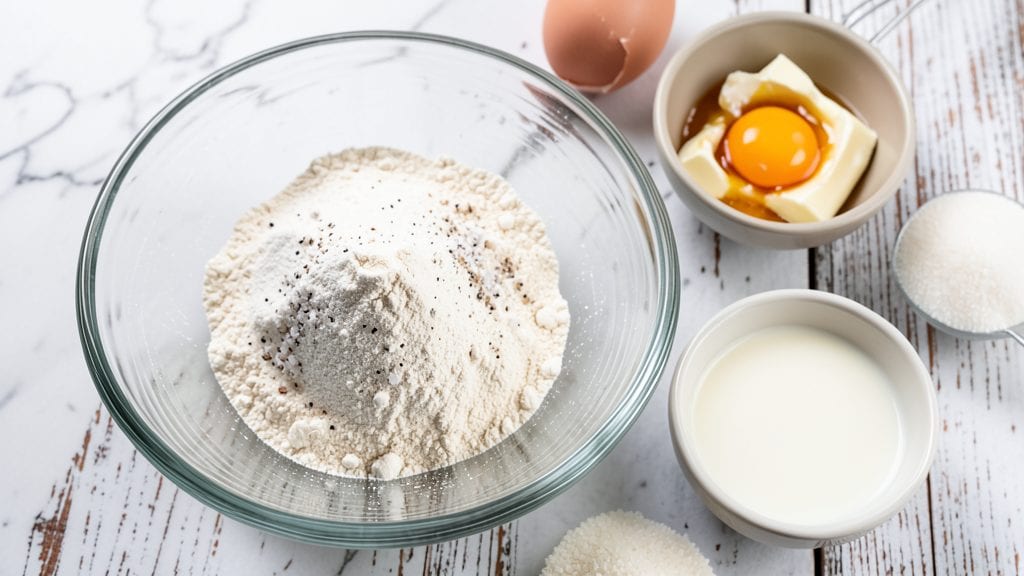
This plain muffin mix recipe transforms basic pantry staples into light, tender muffins that taste homemade without the fuss. The secret lies in precise measurements and a simple technique that guarantees fluffy texture every time—no special ingredients required.
I developed this after years of testing, and it consistently delivers results that rival bakery muffins.
What makes this recipe work is the balance of ingredients: all-purpose flour for structure, baking powder for lift, and butter for richness. The wet ingredients—milk, eggs, and oil—create a tender crumb while keeping the muffins moist.
Baking at 375°F ensures even browning without drying out the centers, and a 18-minute bake time delivers perfect muffins every batch.
By the time they emerge from the oven, your muffins will have a golden top and a tender crumb with just the right amount of moisture. The flavor is mild enough to pair with any glaze or filling, yet satisfying on its own.
This is the kind of recipe that works for breakfast, snacks, or even dessert—all with ingredients you likely already have on hand.
For extra flair, top with a simple powdered sugar glaze or crushed nuts before baking. The versatility of this mix means you can customize it for dietary needs or flavor preferences without sacrificing texture. Let’s get started on a batch that will become your new go-to.
Ingredients for plain muffin mix
Twelve simple ingredients for muffins that rival bakery quality—no fancy tools or special skills needed.
| Ingredient | Amount | Notes |
|---|---|---|
| All-Purpose Flour 🌾 | 3 cups | Sifted for even texture |
| Granulated Sugar 🍚 | ¾ cup | White or light brown |
| Baking Powder 🍞 | 2 tsp | Aluminum-free preferred |
| Salt 🧂 | ½ tsp | Fine sea salt |
| Unsalted Butter 🧈 | ½ cup | Cold, cubed |
| Large Eggs 🥚 | 2 whole | Room temperature |
| Whole Milk 🥛 | 1 ¼ cups | Room temperature |
| Vegetable Oil 🫒 | ¼ cup | Light or canola |
| Vanilla Extract 🍯 | 1 tsp | Pure vanilla preferred |
| Powdered Sugar 🍚 | ¼ cup | For glaze (optional) |
| Lemon Juice 🍋 | 1 tbsp | Freshly squeezed (optional) |
The flour is your foundation. King Arthur or Gold Medal brands work best—they absorb moisture evenly for that perfect tender crumb. Baking powder is non-negotiable here; double-check the expiration date as old powder loses its lift. For butter, Land O'Lakes or Plugrá are reliable choices, but any unsalted brand will do. Keep the butter cold when cutting it into the flour—this creates pockets of fat that yield flaky layers. The milk? Whole milk gives the best texture, but 2% or even skim works in a pinch. Just make sure it's room temperature to avoid activating the baking powder too early.
No vanilla extract? Vanilla sugar or even a pinch of ground vanilla bean adds depth. Short on powdered sugar for the glaze? Granulated sugar dissolved in 1 tbsp milk works just as well. The lemon juice brightens the flavor without overpowering—skip it if you prefer a neutral taste. For dietary swaps, applesauce replaces half the oil (reduce milk by 2 tbsp) or Greek yogurt adds protein (reduce milk by 3 tbsp). The key is balancing moisture while maintaining structure, so adjust wet ingredients incrementally if your mix seems too thick or thin.
Store the dry mix in an airtight container for up to 3 months—it keeps indefinitely if refrigerated. Once baked, muffins are best enjoyed within 2 days for peak freshness, though they freeze beautifully for up to 3 months. Wrap individually in plastic wrap or store in a sealed container with parchment between layers. For reheating, a 10-second zap in the microwave restores softness without drying them out. Double batches freeze perfectly for quick breakfasts all week.
Why You'll Love This Recipe
- Five-Ingredient Magic: I swear, this is the kind of recipe that makes me feel like a baking genius—just flour, sugar, butter, and two pantry staples. No fancy ratios, no measuring cups that make you question your life choices.
- Butter-Kissed Crumb: That melted butter folded into the mix? It’s what turns "plain" into ridiculously good—tender crumb with just enough sweetness to make you want to eat them straight from the bowl.
- Breakfast or Snack: Honestly, these muffins work for everything. Toss in blueberries for a weekday breakfast or keep them simple for a snack that doesn’t require a single ingredient you don’t already have.
- Stays Fresh Days Later: Between us, I’ve pulled these out of the fridge three days after baking, popped them in the toaster, and they still taste like they were just made. Zero waste, all flavor.
Step-by-step instructions for fluffy muffin mix
Here's how to transform pantry staples into perfectly light muffins every time.
Prepare the Dry Ingredients
In a large mixing bowl, combine the 3 cups all-purpose flour, 2 teaspoons baking powder, and 0.5 teaspoon salt. Use a whisk to break up any lumps in the flour and ensure these dry ingredients are evenly distributed. This step creates a smooth base for your muffins.
I like to sift the flour mixture through a fine-mesh sieve directly into the bowl. This aerates the flour and prevents dense muffins. Tap the sieve gently against the bowl to catch any stray bits clinging to the sides.
Mix Wet Ingredients to a Smooth Batter
In a separate medium bowl, whisk together the 0.5 cup unsalted butter (cut into small cubes and softened), 1.25 cups whole milk, 0.25 cup vegetable oil, 1 teaspoon vanilla extract, and 1 tablespoon lemon juice. The mixture should be smooth with no visible butter chunks remaining.
If you're using the optional 0.25 cup powdered sugar for a glaze, set it aside for later. Warm the milk slightly if the butter isn't fully incorporated—just enough to soften it completely. The batter should be thin but not watery at this stage.
Combine Wet and Dry Ingredients Gently
Pour the wet ingredients into the dry ingredients bowl and stir just until combined. I use a rubber spatula and fold gently from the bottom up, lifting and turning the batter to incorporate everything without overmixing. You'll see small streaks of flour disappear, but don't worry about achieving perfect smoothness.
Overmixing develops gluten, which makes muffins tough. Stop stirring as soon as the batter comes together—it should look slightly lumpy. If the batter seems too thick, add 1-2 tablespoons of whole milk to reach a pourable consistency.
Fill Muffin Cups and Bake
Preheat your oven to 375°F and line a muffin tin with 12 paper liners. Divide the batter evenly among the prepared muffin cups, filling each about ¾ full. A ¼ cup measuring cup works well for this. Tap the muffin tin gently on the counter to release any air bubbles that may have formed.
Bake for 18-22 minutes until the tops are golden brown and a toothpick inserted in the center comes out clean. The muffins should spring back slightly when pressed gently. If the tops brown too quickly, tent with aluminum foil after 12 minutes to prevent over-browning.
Glaze and Serve (Optional)
If using the optional glaze, whisk together the 0.25 cup powdered sugar with 1-2 tablespoons of whole milk (or lemon juice) until smooth. Drizzle over the warm muffins immediately after removing from the oven for a glossy finish.
Let the muffins cool in the pan for 5 minutes, then transfer to a wire rack. Serve warm for the best texture—each muffin should have a tender crumb with a slightly crisp exterior. These muffins keep well at room temperature for 2 days or can be frozen for up to 1 month.
Pro Tips For Making Plain Muffin Mix
- MEASURE BUTTER COLD: Skip the "softened" butter trap—pat it straight from the fridge into the dry ingredients. Cold butter creates flaky layers in muffins, not greasy ones. I learned this the hard way after a batch turned out dense and oily.
- SIFT THE FLOUR FIRST: Don’t just dump flour into the bowl—sift it with the baking powder and salt. This aerates the mix, preventing heavy muffins. (Yes, even if you’re impatient like me—it makes a real difference.)
- STOP WHEN CENTERS JIGGLE: Overbaking is the silent killer of muffins. Pull them when the top springs back slightly and the center still wobbles like Jell-O. That’s the sweet spot—dry muffins taste sad.
- USE A LIGHT HAND: Mix the wet and dry ingredients just until combined—no need to overwork the batter. Overmixing develops gluten, turning muffins into tough, chewy bricks. Stir until barely uniform.
Troubleshooting great plain muffin mix
Dense or Gummy Muffins
Overmixing the batter is the #1 cause of dense muffins. Once you combine wet and dry ingredients, stop stirring immediately after the flour disappears. I use a spatula to fold just 8-10 times—any more develops gluten, making muffins tough.
Also check your baking powder: if it's expired, it won't provide enough lift. Replace with 2 tsp fresh baking powder or add ½ tsp baking soda + 1 tsp lemon juice to the wet ingredients. 💡
Flat or Cake-Like Texture
Flat muffins usually mean your oven wasn't hot enough or the batter was too thin. Preheat your oven for 15 minutes before baking, and use an oven thermometer to confirm it's at 375°F.
If your batter seems too runny, reduce milk by 2 tbsp or add 1 tbsp more flour. For extra height, place muffin tin on the middle rack and avoid opening the oven door during the first 12 minutes of baking.
Cracked Tops or Uneven Rise
Cracks form when muffins bake too quickly or the oven temperature fluctuates. To prevent this, tent muffins with aluminum foil if the tops brown too fast (after 12 minutes). Also, make sure your muffin tin isn't overfilled—fill cups only ¾ full.
If your oven runs hot, reduce temperature to 350°F and bake for 25 minutes. A water bath (placing the muffin tin in a larger pan with 1 inch of hot water) can also help with even rising.
Dry or Crumbly Texture
Dry muffins often result from overbaking or using too much flour. Check doneness at 18 minutes—they're done when a toothpick comes out clean. If your batter was too thick, whisk in 1 tbsp milk before baking.
For extra moisture, brush warm muffins with melted butter or a simple syrup (equal parts sugar and water) while still warm. Storing in an airtight container with a slice of bread also helps retain moisture.
Batter Too Thick or Too Thin
Batter consistency is crucial. If too thick, whisk in 1 tbsp milk at a time until pourable. If too thin, stir in 1 tbsp flour until just combined. I recommend using a rubber spatula to mix—it's gentler than a whisk and helps maintain the right texture.
Room-temperature ingredients also make a difference: cold milk or eggs can make batter too thick, while warm ingredients help it flow smoothly. 🥄
Muffins Stick to the Pan
This happens when the muffin tin isn't properly greased or liners aren't used correctly. Always line your muffin tin with paper liners or lightly grease with butter or baking spray. For stubborn muffins, run a butter knife around the edges of each muffin before removing.
If using a nonstick pan, ensure it's in good condition—scratches can cause sticking. I also recommend baking on the middle rack for even heat distribution.
Nutrition facts
Frequently asked questions
Can I substitute butter with oil in this muffin mix?
For a 1:1 substitution, replace the ½ cup butter with ½ cup vegetable oil (or melted coconut oil). Oil keeps muffins extra moist, but butter adds richness. If using oil, reduce milk by 2 tablespoons to maintain proper batter consistency.
How do I make these muffins egg-free?
Replace the 2 eggs with a flax egg (1 tbsp ground flaxseed + 3 tbsp water per egg) or ¼ cup unsweetened applesauce. For best texture, let the flax mixture sit for 5 minutes to thicken before mixing. The muffins may be slightly denser but will still be tender.
Why do my muffins turn out dense instead of fluffy?
Overmixing is the #1 culprit! Stir just until the batter comes together (about 8-10 folds with a spatula). Also check your baking powder—expired leavening causes flat muffins. For extra lift, whisk ½ tsp baking soda into the wet ingredients along with the lemon juice.
Can I bake these muffins in a different-sized pan?
Yes, but adjust baking time. For 12 cupcake pans, bake at 375°F for 12-15 minutes. For mini muffins (24-count), reduce to 10-12 minutes. Always use the toothpick test—muffins are done when clean. Fill mini muffin cups ½ full for best results.
How do I store or freeze leftover muffins?
Store at room temperature in an airtight container for 2 days. For longer storage, wrap individually in plastic wrap or freeze for up to 3 months. Thaw overnight in the fridge or reheat frozen muffins for 10 seconds in the microwave.