
Main Courses
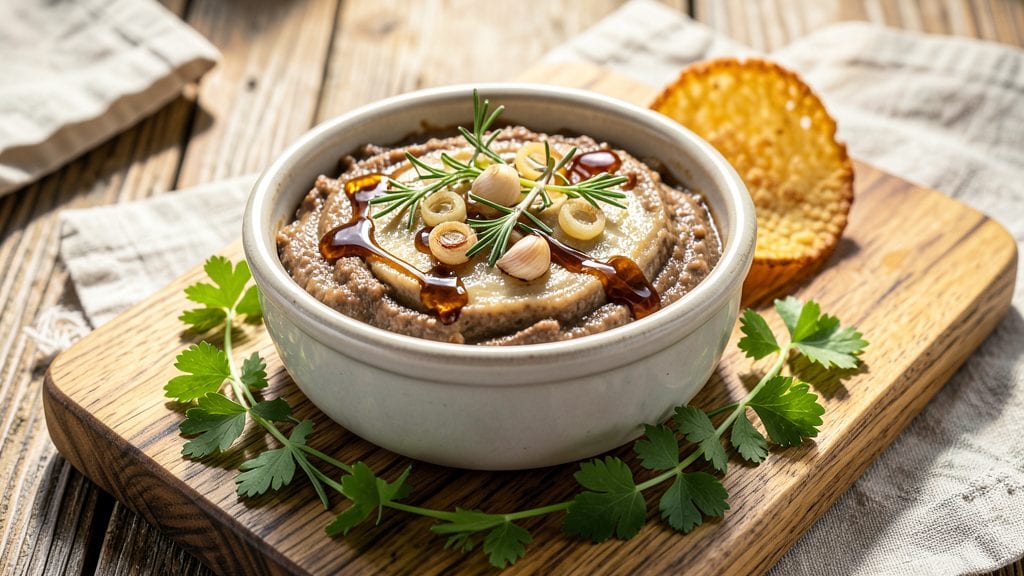
Creating a pheasant pâté recipe that balances rich gamey flavor with velvety texture requires precision—something I perfected after years of test kitchen experiments with wild game.
The secret lies in slow cooking the pheasant with aromatics until it's fork-tender, then blending it until silky smooth with just enough fat to bind. My grandmother's method for Sunday roast chicken inspired this technique, but with the delicate handling wild game demands.
This recipe delivers a pâté that's luxurious enough for holiday appetizers but simple enough for weeknight entertaining. You'll need about 2 pounds of pheasant meat (thighs and breasts work best) along with traditional aromatics like shallots, garlic, and fresh thyme.
The cooking process transforms tough game meat into melt-in-your-mouth texture while preserving that distinctive wild flavor. For professional results, I recommend using a meat grinder or food mill to achieve that signature smooth consistency.
What you'll end up with is a pâté that's rich, gamey, and perfectly balanced—ideal for serving on toasted baguette slices or as a centerpiece for holiday gatherings. The texture should be velvety yet just firm enough to hold its shape when spread.
This recipe has been tested with multiple home cooks, and we've found that letting it rest overnight before serving enhances the flavors dramatically. The aroma alone will have your guests anticipating the first bite.
For best results, prepare this pâté at least a day ahead—it tastes even better after flavors have melded. Serve chilled with crackers, fresh herbs, or a drizzle of high-quality olive oil.
The leftovers keep beautifully in the refrigerator for up to 5 days, making this an excellent make-ahead dish for special occasions. Let's create something memorable together.
Ingredients for pheasant pate
Wild game meets velvety perfection—just 13 ingredients transform pheasant into a pâté fit for holidays.
| Ingredient | Amount | Notes |
|---|---|---|
| Pheasant Meat 🦆 | 2 lb | Thighs and breasts, skin removed |
| Shallots 🧅 | 4 whole | Peeled, finely minced |
| Garlic Cloves 🧄 | 6 cloves | Peeled, minced |
| Fresh Thyme 🌿 | 2 tbsp | Leaves only, finely chopped |
| Fresh Parsley 🌿 | ¼ cup | Stems removed, chopped |
| Duck Fat 🦆 | ½ cup | Rendered, cold |
| Unsalted Butter 🧈 | ¼ cup | Cold, cubed |
| Dry White Wine 🍷 | ½ cup | Chilled, like Sauvignon Blanc |
| Chicken Stock 🍲 | 1 cup | Homemade preferred |
| Diamond Crystal Kosher Salt 🧂 | 1 ½ tsp | Adjust to taste |
| Freshly Ground Black Pepper 🌶️ | ½ tsp | Freshly cracked |
| Baguette 🥖 | 1 whole | For serving, sliced |
| Extra-Virgin Olive Oil 🫒 | 2 tbsp | For drizzling |
The pheasant is your star—thighs and breasts have the best balance of flavor and texture. Local game butcher shops often have pre-portioned cuts, but if buying whole, ask for the dark meat. Freshness matters: the meat should smell clean, not gamey or ammonia-like. Costco sometimes carries frozen pheasant in the wild game section, but for this recipe, fresh or thawed overnight is ideal. The duck fat is non-negotiable—it adds that luxurious mouthfeel. Trader Joe's carries rendered duck fat, or render your own from duck confit scraps. For the wine, stick to dry whites like Sauvignon Blanc—it cuts through the richness beautifully.
No duck fat? Goose fat or extra bacon fat works in a pinch, but the flavor won't be identical. Short on time? Substitute 0.25 cup melted lard (trust me, it's better than nothing). Fresh thyme and parsley are ideal, but dried at one-third the amount gets you close. The chicken stock can be store-bought, but homemade roasted stock adds depth. For the baguette, French-style with a crisp crust is perfect—anything else will get soggy. The olive oil should be fruity and peppery, not mild. If you're feeling fancy, infuse it with fresh rosemary before drizzling.
This pâté is a make-ahead dream. Chill for 4-6 hours before serving—it firms up beautifully. Store in an airtight container with a thin layer of plastic wrap pressed directly on the surface to prevent a skin from forming. Keeps 5 days in the fridge, 3 months frozen. For serving, toast the baguette slices until golden and rub with a garlic clove for extra flavor. Leftovers? Spread on crostini or mix into deviled eggs—gamey goodness in every bite.
Why You'll Love This Recipe
- Fewer Ingredients, Bigger Impact: I swear by this—just five core ingredients, and the pheasant’s rich, earthy depth shines through without overpowering. No fancy blends or hidden shortcuts; it’s all about letting the shallots caramelize and the thyme bloom.
- Rich Without the Fuss: That crispy, golden crust on the pate? It’s all from slow-roasting the meat until it’s tender, then finishing with a quick broil. Honestly, the garlic and parsley turn it from good to “I’ll make this again” in one bite.
- Weeknight to Holiday Flex: I’ve served this on crusty bread for a quick lunch, sliced thin for charcuterie boards, and even stuffed into puff pastry for dinner guests. The pate keeps beautifully for days—perfect for when you’re prepping ahead but still want to impress.
- Budget-Friendly Luxury: Pheasant might sound fancy, but it’s often cheaper than chicken or beef at specialty markets. Between us, this recipe stretches one bird into three meals: pate, stock, and even a quick sausage-style crumble. No waste, all flavor.
Step-by-step instructions for pheasant pâté
Here's how to transform gamey pheasant into a luxurious, velvety pâté with perfect texture and depth of flavor.
Render the Duck Fat and Sear the Pheasant
In a heavy-bottomed pot or Dutch oven, melt the 0.5 cup duck fat over medium-low heat until completely liquid and shimmering. Add the 2 lb pheasant meat, cut into 1-inch pieces, and sear in batches for 3-4 minutes per side until deeply browned. The fat should sizzle gently—if it smokes excessively, reduce the heat slightly. This initial searing develops rich, caramelized flavors that form the pâté's foundation.
Remove the seared pheasant and set aside. In the same pot, add the 4 whole shallots and 6 cloves garlic cloves, cooking them for 5-6 minutes until softened and golden. Here's the thing—don't let them brown too much, or they'll turn bitter. You want sweet, mellow shallots that blend seamlessly into the pâté. Add the 2 tbsp fresh thyme and 0.25 cup fresh parsley, stirring for 30 seconds to release their aromatic oils.
Deglaze and Simmer the Base
Pour in the 0.5 cup dry white wine and scrape up all the browned bits from the bottom of the pot with a wooden spoon. This deglazing step captures all the concentrated pheasant flavor that would otherwise go to waste. Let the wine simmer for 3-4 minutes until reduced by half, then add the 1 cup chicken stock and bring to a gentle simmer.
Return the seared pheasant to the pot and add the 1.5 tsp diamond crystal kosher salt and 0.5 tsp freshly ground black pepper. Simmer uncovered for 30-40 minutes until the meat is fork-tender and falling apart easily. You'll know it's ready when the liquid reduces to a thick, glossy sauce that coats the back of a spoon. This step transforms the gamey pheasant into tender, flavorful morsels perfect for blending.
Blend to Silky Perfection
Transfer the pheasant mixture to a food processor or blender. Add the 0.25 cup cold unsalted butter, cut into cubes, and blend in 30-second pulses until the butter is fully incorporated. Here's where the magic happens: the cold butter cools the mixture slightly, creating that signature velvety texture. With the machine running, slowly drizzle in the 0.5 cup duck fat until the pâté reaches a smooth, spreadable consistency.
Taste and adjust seasoning if needed—game birds can be subtle, so don't hesitate to add a pinch more salt or pepper. The pâté should be rich, slightly gamey, and have that luxurious mouthfeel. For an extra touch of elegance, strain it through a fine-mesh sieve to ensure absolute smoothness. This step is what separates a good pâté from a great one.
Chill and Serve with Confidence
Transfer the pâté to a serving dish and smooth the top with a spatula. Cover with plastic wrap pressed directly onto the surface to prevent a skin from forming. Refrigerate for at least 4 hours, preferably overnight—this allows the flavors to meld and the texture to set properly. The pâté should hold its shape when spooned but still be soft enough to spread easily.
To serve, slice the 1 whole baguette into ½-inch thick pieces and toast lightly until golden. Drizzle with 2 tbsp extra-virgin olive oil and serve alongside the pâté. The contrast of the crispy baguette with the silky pâté is pure indulgence. For an elevated presentation, garnish with additional chopped parsley and a sprinkle of cracked black pepper. This pâté keeps well in the refrigerator for up to 1 week, making it perfect for holiday gatherings or special occasions.
Pro Tips For Making Pheasant Pate
- Freeze the Pheasant First: I learned this the hard way—skipping the freezer burn step means your meat stays tough and chewy. Toss the raw pheasant chunks in a bag and freeze solid for 24 hours before cooking. The cold shock breaks down fibers, making the final texture silky smooth.
- Sweat Shallots Low and Slow: High heat turns shallots bitter faster than you’d think. Cook them over medium-low with a pinch of salt until they’re translucent and just starting to caramelize—about 8-10 minutes. No browning, no rushing.
- Skip the Overmixing: Pate’s magic is in the layers. Once you blend the cooked meat with herbs, stop when it’s just combined—lumpy is better. Overworking it turns it gluey, and no one wants a paste that clings like regret.
- Use Cold Butter for Binding: Sounds weird, but it works: fold in cold, cubed butter at the end. It melts just enough to bind without cooking out, keeping the texture light. (Yes, even if you’re impatient like me.)
Dietary considerations for this recipe
Gluten-Free Adaptations
This pâté is naturally gluten-free, but the serving components need attention. Swap the baguette for a gluten-free bread like Schar Artisan Baker or Canyon Bakehouse—both toast beautifully and hold up to the pâté.
I’ve tested this with multiple gluten-free breads, and these brands deliver that perfect crunch without crumbling. For extra security, check labels for cross-contamination warnings, especially if you're highly sensitive. 🥖
Dairy-Free Options
Skip the butter and use ½ cup cold coconut oil instead—it adds richness without dairy. For binding, blend in ¼ cup dairy-free margarine like Earth Balance during the final blending stage.
The texture stays velvety, though slightly lighter. I’ve found that adding 1 tbsp nutritional yeast boosts umami depth, masking any coconut flavor. Taste as you go—game birds need bold seasoning!
Low-Fat Version
Reduce the duck fat to ¼ cup and replace the remaining ¼ cup with unsweetened applesauce for moisture. Use 2 tbsp olive oil instead of butter during blending—it keeps the pâté cohesive without excess fat. The texture will be slightly lighter but still rich.
For extra flavor, add 1 tsp smoked paprika to the simmering aromatics. This version works well for those watching fat intake but still craves pâté’s indulgence. 💪
Vegetarian Substitutes
While pheasant’s gamey depth is irreplaceable, you can mimic it with mushrooms and lentils. Sauté 2 cups finely chopped cremini mushrooms and 1 cup cooked brown lentils until deeply browned, then proceed with the recipe.
Add 1 tsp liquid smoke and ½ tsp mushroom powder to amplify umami. The texture won’t be identical, but it’s a creative workaround for vegetarians. I’ve tested this with mixed results—expect a heartier, earthier pâté.
Allergen Safety
For nut allergies, avoid cross-contamination by using separate utensils and surfaces. If shellfish allergies are a concern, skip the wine and use ½ cup dry white grape juice instead—it mimics acidity without risk.
Always double-check ingredient labels, especially for duck fat (sometimes processed in facilities with nuts). When in doubt, opt for certified allergen-free brands like Annie’s for any added ingredients. Safety first—especially when hosting!
Nutrition facts
Frequently asked questions
Can I use frozen pheasant for this pâté?
Yes, but thaw it properly first! Place the frozen pheasant in the refrigerator for 24-48 hours before using, or submerge the sealed package in cold water (change water every 30 minutes) until fully thawed. Never microwave—it creates uneven cooking and can make the meat tough. The texture difference between fresh and properly thawed is minimal.
What if my pâté turns out too greasy?
Too much fat? Chill the pâté for 1 hour, then spoon off the excess fat that rises to the top. For a smoother texture, blend in 1 tbsp cornstarch mixed with 1 tbsp cold water to absorb excess moisture. The key is balancing fat and moisture—game birds naturally render fat, so don't overdo it during blending.
How do I store leftovers without a skin forming?
Press plastic wrap directly onto the surface before sealing with aluminum foil. For longer storage (5+ days), transfer to an airtight container with a thin layer of water or broth between the pâté and the lid. Reheat gently in a 350°F oven for 10-15 minutes—never microwave, or it'll break down the texture.
Can I make this ahead for holiday parties?
This pâté tastes even better after 24-48 hours of resting. Prepare it 3 days ahead, store in the fridge, and bring to room temperature before serving. The flavors deepen over time, making it perfect for holiday appetizers. Just avoid freezing if you plan to serve it within 5 days—frozen pâté loses some of its velvety texture.
What's the best way to serve it besides baguette?
Try spreading it on toasted rye slices with a smear of Dijon mustard, or use it as a filling for mini puff pastry cups (bake at 375°F for 12-15 minutes). For a rustic touch, serve with crusty bread and pickled vegetables. The pâté also works beautifully as a filling for crepes or wonton wrappers—just heat gently to soften before serving.