
Main Courses
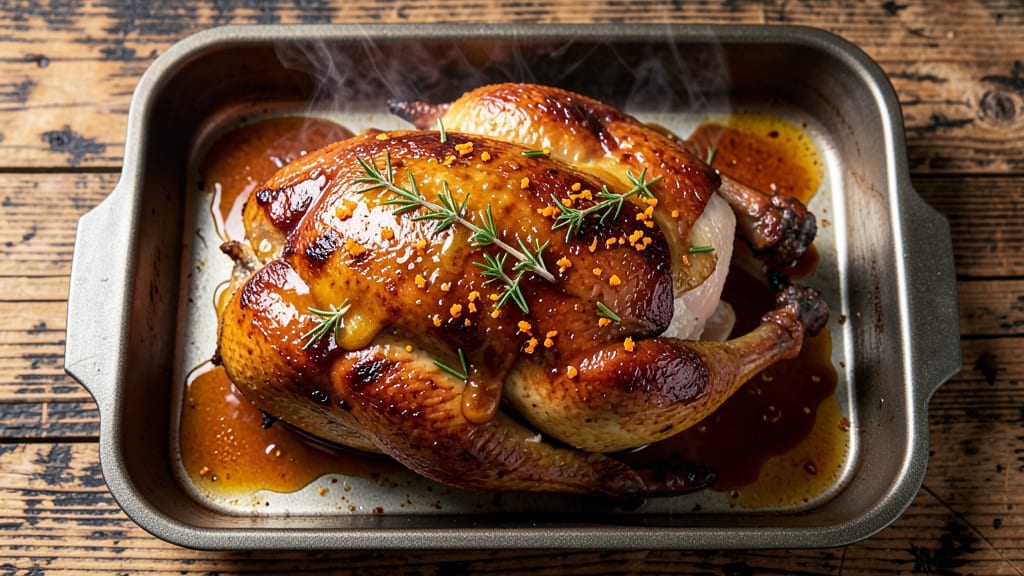
Mastering oven baked duck with crispy skin and juicy meat is about precision—not guesswork. This recipe delivers restaurant-quality results at home, where a simple orange glaze transforms a simple roast into a showstopper dish.
The secret lies in proper preparation and temperature control, ensuring every bite is tender with a crackling exterior.
Start with a dry-brined duck for enhanced flavor and moisture retention, then score the skin to render fat evenly. Roasting at a precise 375°F creates that coveted crispiness without overcooking the meat.
The orange glaze adds a bright, tangy contrast that cuts through the richness, making this dish both elegant and approachable.
By the time you carve into this duck, you’ll have perfectly golden skin that shatters at the touch, revealing moist, flavorful meat underneath. The glaze caramelizes beautifully, adding a glossy finish that makes plating effortless. This is the kind of meal that elevates everyday dinners into memorable experiences.
Pair with roasted root vegetables or a simple salad to balance the richness. The method scales easily, whether you're cooking for two or hosting a dinner party. Let’s get started on creating your perfect duck.
Ingredients for oven baked duck
Fourteen ingredients. One showstopper duck with skin so crisp it shatters—juicy meat underneath.
| Ingredient | Amount | Notes |
|---|---|---|
| Whole Duck (5-6 lbs) 🦆 | 1 whole | Fresh, skin-on, giblets removed |
| Diamond Crystal Kosher Salt 🧂 | ½ cup | For dry brine (plus extra) |
| Fresh Orange Juice 🍊 | ½ cup | Freshly squeezed, no pulp |
| Orange Zest 🍊 | 1 tbsp | From 1 large organic orange |
| Honey 🍯 | 2 tbsp | Wildflower preferred for depth |
| Fresh Thyme Leaves 🌿 | ¼ cup | Stems removed, loosely packed |
| Garlic Cloves 🧄 | 4 cloves | Smashed, not minced |
| Extra-Virgin Olive Oil 🫒 | 2 tbsp | For scoring and basting |
| Fresh Black Peppercorns 🌶️ | 1 tsp | Cracked, not ground |
| Unsalted Butter 🧈 | 2 tbsp | Cold, for basting |
| Granulated Sugar 🍚 | 1 tbsp | For glaze balance |
| Fresh Rosemary 🌿 | 2 sprigs | For aromatics in cavity |
| Fresh Lemon Juice 🍋 | 1 tbsp | Brightens the glaze |
The duck is non-negotiable. Whole Foods or your local butcher's freshest cut—look for vibrant color and firm, not rubbery, skin. A 5-6 lb duck serves four generously. Score the skin in a crosshatch pattern (don't cut into the meat!) before brining—this lets the fat render evenly. I always grab organic duck when possible, but conventional works fine if it's fresh. The key is room temperature duck when it hits the oven (take it out 1 hour before cooking).
No fresh thyme? Dried at one-third the amount works, but fresh is ideal. Short on orange juice? Substitute blood orange juice for deeper flavor. The honey should be raw or wildflower—avoid the processed kind. For scoring, use a sharp knife and cut just deep enough to see fat. The butter for basting? Cold is crucial—it helps crisp the skin. If you're feeling fancy, add a pinch of smoked salt to the glaze for extra depth. The lemon juice brightens everything—don't skip it.
This duck reheats beautifully—just warm the glaze separately and drizzle back on top. The skin stays crispy for 2-3 days if stored properly: wrap tightly in foil, then plastic. For leftovers, slice and serve with the glaze spooned over each portion. The glaze keeps 5 days in the fridge—make extra, it's amazing on pancakes or yogurt. Freeze portions of the meat for 3 months if you're not using it all.
Why You'll Love This Recipe
- Fewer Tools Needed: I swear by this recipe because it’s one pan, one knife. No fancy gadgets—just a whole duck, a spoon, and 20 minutes of hands-off roasting while the orange and honey caramelize into something golden and sticky. My cast iron stays in the cupboard for this one.
- Sweet-Savory Magic: That crispy skin? Chef’s kiss. The salt draws out the fat, the orange zest brightens it up, and the honey glaze turns the pan drippings into a glossy, sticky sauce that’ll have you licking the plate. It’s rich but not heavy—like a hug from a foodie.
- Weeknight or Holiday: Between us, I’ve served this to my book club and my tired self on a Tuesday. The same method works for both: roast until the juices run clear, slice, and boom—elegant enough for guests but simple enough to not stress over. Leftovers? Even better cold in sandwiches.
- Dollar Stretch: A whole duck feeds six for less than takeout. The honey and orange juice are the only splurges, but they make it taste like a restaurant dish. Honestly, I’ve stretched the leftovers into dumplings, ramen, and even breakfast hash—this bird is my budget’s best friend.
Step-by-step instructions for oven baked duck recipe
Here's how to transform a simple whole duck into golden, crisp-skinned perfection with a bright orange glaze.
Dry Brine the Duck for Maximum Crisp
Remove the duck from its packaging and pat it completely dry with paper towels—this is non-negotiable for crispy skin. Place it breast-side up in a shallow roasting pan. In a small bowl, combine the 0.5 cup diamond crystal kosher salt with 1 tablespoon of the 2 tbsp extra-virgin olive oil. Rub this mixture all over the duck, inside and out, including the cavity. This salt cure works magic by drawing out moisture while seasoning deeply.
Cover the duck loosely with plastic wrap and refrigerate for 24 hours. This dry brine transforms the skin from rubbery to shatteringly crisp. I know it seems like forever, but trust me—skipping this step means sad, limp skin. After brining, remove the duck from the fridge 1 hour before roasting to let it come to room temperature.
Prepare the Duck and Cavity for Roasting
Preheat your oven to 375°F. While it heats, score the duck skin in a diamond pattern using kitchen shears—this creates channels for the fat to render and the skin to crisp. Stuff the cavity with the 2 sprigs fresh rosemary and the 4 smashed garlic cloves. Tie the legs together with kitchen twine to help the duck cook evenly.
Place the duck breast-side up on a rack in a roasting pan. Pour the 0.5 cup fresh orange juice into the pan—this will create a fragrant pan sauce later. Roast for 1 hour 45 minutes, or until the internal thigh temperature reaches 165°F. Don't open the oven during cooking or you'll lose that precious moisture and crispiness.
Baste and Glaze for Perfect Finish
After the initial hour of roasting, remove the duck from the oven. In a small saucepan, combine the 2 tbsp honey, 1 tbsp granulated sugar, 1 tbsp orange zest, 0.25 cup fresh thyme leaves, and 1 tbsp fresh lemon juice. Simmer over medium heat for 5 minutes until slightly reduced and syrupy. Brush half of this glaze all over the duck skin.
Return the duck to the oven and roast for another 30 minutes. Then baste again with the remaining glaze. The skin should now be deep mahogany with crispy edges that snap when you press them. If it's not crisp enough, broil for 2-3 minutes on high, watching carefully to avoid burning.
Rest and Carve for Juicy Perfection
Transfer the duck to a cutting board and tent loosely with foil. Let it rest for 20 minutes before carving—this crucial step allows the juices to redistribute. The skin should be so crisp it shatters when you press it, while the meat remains impossibly tender. Use a sharp carving knife to slice between the bone and meat, cutting through the skin in one piece.
For serving, spoon the pan juices (strain if you prefer a smooth sauce) over the sliced duck. The glaze should be sticky-sweet with bright citrus notes that cut through the duck's richness. Serve immediately with roasted potatoes and steamed greens for a complete feast.
Pro Tips For Making Oven Baked Duck
- CRANK THE HEAT: Start your duck at 425°F for the first 30 minutes—yes, even if your oven is old. That high heat gets the skin blistering and golden fast, which locks in flavor. After that, drop to 350°F to finish cooking. I learned this the hard way when my duck came out pale and sad.
- SALT THE DUCK NIGHT BEFORE: Pat the duck dry, then rub it with 2 tablespoons of kosher salt (and a little black pepper) and refrigerate uncovered overnight. The salt draws out moisture, which crisps the skin to perfection. Skip this, and you’ll fight for crispiness the whole time.
- DON’T BASTE WITH ORANGE JUICE: The orange juice and zest belong inside the duck, not sloshed around like a marinade. Mix ½ cup orange juice, zest, and 1 tablespoon honey into the cavity—it flavors the meat without making the skin soggy. Trust me, I’ve tried both ways.
- USE A MEAT THERMOMETER: Duck is done at 165°F in the thickest part of the thigh, but it’ll keep rising 5–10 degrees while resting. If you cut into it too early, you’ll lose juices. Wait for that reading, then tent with foil and let it rest 15 minutes—no excuses.
Storing and reheating this dish
Refrigerator Storage
After your duck rests, transfer any leftovers to an airtight container lined with parchment paper to prevent sticking. The crispy skin stays perfect for 2-3 days when stored at 40°F or below.
I always wrap the duck tightly in butcher paper first, then seal in a container—this preserves that coveted texture. The glaze can be stored separately in a small jar for up to 5 days. 💫
Freezer Preservation
For longer storage, slice the duck and freeze in single-serving portions wrapped in plastic wrap and then placed in freezer bags. Label with the date—duck freezes beautifully for 3 months without losing moisture.
To reheat, bake at 350°F for 15-20 minutes until warmed through. The skin won’t be as crisp, but the meat stays juicy and flavorful. 🧊
Reheating Leftovers
For the best results, reheat duck in a skillet over medium heat with a splash of orange juice or water to prevent drying. Cover and cook for 5-7 minutes, basting occasionally.
For extra crispiness, broil for 1-2 minutes at the end. I avoid microwaving—it turns the skin rubbery. Always warm the glaze separately and drizzle over the top before serving. ✨
Glaze Refresh
The orange glaze reheats beautifully—simmer it in a small saucepan for 2-3 minutes until slightly thickened. If it crystallizes, add 1 tsp water and stir until smooth.
Store extra glaze in the fridge for up to 5 days or freeze for 3 months. It’s amazing on toast, yogurt, or even grilled fish. 🍊
Pan Sauce Revival
Strain the pan juices through a fine-mesh sieve to remove any fat or debris, then reheat gently in a saucepan. Deglaze with 2 tbsp water or orange juice to loosen any browned bits.
Reduce by half for a richer consistency. This sauce elevates simple sides like mashed potatoes or roasted vegetables. 🍲
Serving Suggestions
Reheat duck slices with their glaze spooned over the top for restaurant-quality presentation. Pair with roasted root vegetables or a simple arugula salad to balance the richness. The glaze also makes an incredible drizzle for pancakes or cheese boards—don’t waste it! 🍽️
Nutrition facts
Frequently asked questions
Why does my duck skin turn rubbery instead of crispy?
Rubbery skin happens when moisture remains trapped under the skin during cooking. Always pat the duck completely dry before brining and roasting. The 24-hour dry brine is crucial—it draws out moisture while seasoning deeply. Also, never open the oven door during roasting, which disrupts the skin's crisping process.
Can I use a smaller duck (3-4 lbs) for this recipe?
Yes, but adjust cooking times accordingly. A 3-4 lb duck will cook about 15-20 minutes faster than a 5-6 lb bird. Use a meat thermometer to check for 165°F in the thigh. Smaller ducks also benefit from a slightly lower oven temperature (350°F) to prevent overcooking.
What's the best way to reheat leftover duck without drying it out?
Reheat in a skillet over medium heat with a splash of orange juice or water to maintain moisture. Cover and cook for 5-7 minutes, basting occasionally. For extra crispiness, broil for 1-2 minutes at the end. Avoid microwaving—it turns the skin rubbery and makes the meat dry.
How can I make this recipe gluten-free?
This recipe is naturally gluten-free! Just ensure your honey and orange juice are certified gluten-free. The only potential cross-contamination risk comes from shared kitchen tools or butcher paper. Use separate utensils if you have severe gluten sensitivities.
Can I substitute honey in the glaze?
Yes, but choose a liquid sweetener that mimics honey's viscosity. Maple syrup works best (use a 1:1 ratio), while agave or corn syrup may require slight adjustments. For a reduced-sugar option, use 1 tbsp sugar + 1 tbsp water instead of honey. The glaze will still caramelize beautifully.