
Desserts
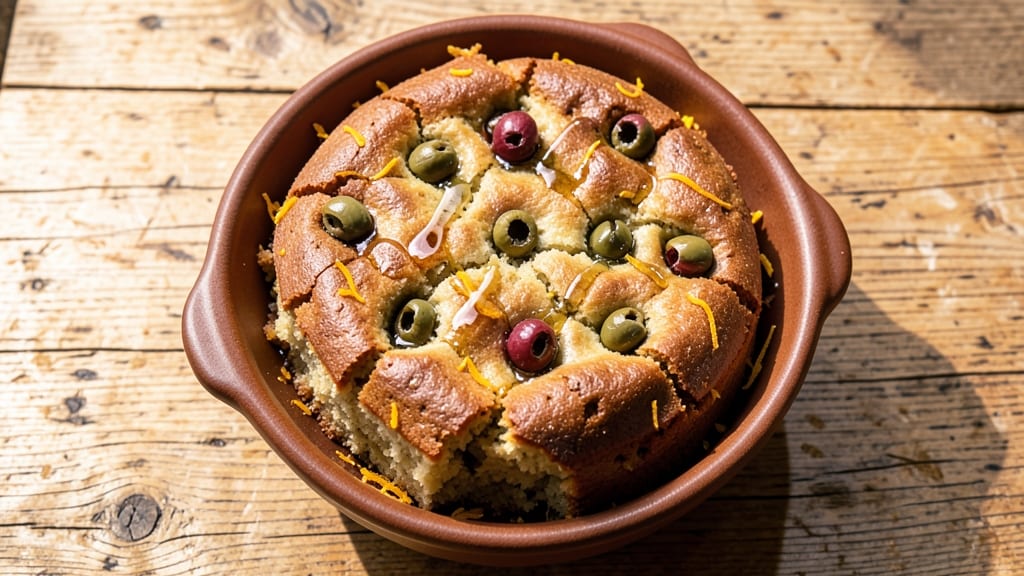
This olive cake recipe transforms humble olives into a moist, richly textured dessert that balances Mediterranean boldness with citrus brightness—something unexpected yet utterly satisfying. The secret lies in olive oil's natural richness, which creates a tender crumb while pitted olives add subtle briny depth.
I developed this after years of baking where traditional cakes felt too sweet, and I wanted something sophisticated yet approachable.
The cake's moistness comes from a precise blend of olive oil and citrus zest, which also prevents dryness while adding a refreshing contrast to the olives' saltiness. No special equipment is needed—just a standard mixing bowl and oven.
The baking process yields a golden dome with a fine, even crumb that holds up beautifully to knife cuts. This isn't your typical dessert; it's a textural revelation that pairs perfectly with a dollop of whipped cream or a sprinkle of flaky sea salt.
What makes this recipe stand out is how it redefines dessert expectations—no heavy frosting or cloying sweetness here. The olives provide a sophisticated twist, while the citrus keeps it bright and modern. The result is a cake that's restaurant-worthy yet simple enough for a weeknight treat.
Whether you're serving it at a dinner party or enjoying a slice with coffee, this olive cake delivers a memorable experience.
For those curious about variations, you can adjust the olive-to-citrus ratio or add a layer of orange glaze for extra shine. The recipe scales easily, making it ideal for gifting or special occasions. Let's dive into the details to bring this unique dessert to life.
Ingredients for olive cake
Simple Mediterranean ingredients that transform into a uniquely moist, citrus-kissed olive cake.
| Ingredient | Amount | Notes |
|---|---|---|
| Extra-Virgin Olive Oil 🫒 | 1 cup | High quality, fruity flavor preferred |
| All-Purpose Flour 🌾 | 2 cups | Sifted for even texture |
| Granulated Sugar 🍚 | 1 ½ cups | Light brown sugar for depth |
| Pitted Green Olives 🫒 | 1 cup | Mediterranean or Kalamata preferred |
| Large Eggs 🥚 | 3 whole | Room temperature for blending |
| Orange Zest 🍊 | 1 tbsp | Freshly grated from organic orange |
| Lemon Zest 🍋 | 1 tbsp | Freshly grated from organic lemon |
| Baking Powder 🧂 | 1 tsp | Aluminum-free for best results |
| Salt 🧂 | ½ tsp | Fine sea salt preferred |
| Vanilla Extract 🌿 | 1 tsp | Pure vanilla for authentic flavor |
| Unsalted Butter 🧈 | ½ cup | Cold, cubed for mixing |
| Orange Juice 🍊 | ½ cup | Freshly squeezed, no pulp |
| Almond Flour 🌰 | ¼ cup | For added texture and richness |
The olive oil is the star here—look for extra-virgin with a fruity, peppery finish at specialty stores like Whole Foods or Trader Joe's. Their bulk bins often have the best quality at a better price. For olives, Kalamata or Mediterranean green work perfectly—their briny depth balances the sweetness beautifully. If you're using jarred olives, rinse them well to remove excess salt. The zest matters too—organic citrus has more vibrant flavor, and you'll need about 2 oranges and 1 lemon for both zest and juice. I always zest mine right before mixing to keep the oils fresh.
No extra-virgin olive oil? Light olive oil works in a pinch, but the flavor won't be as rich. Swap almond flour for walnut flour or extra flour if needed—just add 1 tbsp more liquid to keep the batter moist. Short on olives? Dried apricots or raisins add sweetness, though they won't match the briny contrast. The baking powder is crucial—double-check it's fresh (old powder loses lift). For extra shine, add 1 tbsp of orange liqueur or more juice, but don't exceed the 0.5 cup total or the cake will be too dense. The butter should be cold when you measure it—cut it into small cubes and let it sit out for 10 minutes before mixing.
This cake keeps beautifully—3 days at room temperature wrapped in foil, or 1 week refrigerated in an airtight container. For longer storage, freeze slices wrapped individually for up to 3 months. The texture actually improves after a day or two as the flavors meld. I like to slice it thin and serve with a sprinkle of flaky sea salt and a dollop of whipped cream. If you want to make ahead, bake the cake a day early, wrap it tightly, and let it come to room temperature before serving.
Why You'll Love This Recipe
- No-Fuss Mixing: I swear by this—just toss the wet and dry ingredients together like a lazy Sunday morning. No creaming butter, no waiting for eggs to come to room temp. The olive oil keeps everything moist without the fuss, and honestly? My cake turns out better than half the boxed mixes I’ve tried.
- Salty-Sweet Magic: That first bite—crispy edges, tender crumb, and the briny punch of olives cutting through the sweetness? It’s the kind of contrast that makes you reach for seconds. (Yes, even on a Tuesday night.) The olives aren’t just garnish; they’re the star, and they don’t overpower—just enough to make it feel special.
- Leftovers That Don’t Suck: This cake actually improves the next day. Slice it up for breakfast toast with a sprinkle of flaky salt, or pack it in lunches—trust me, my kids beg for it. No sad, dry crumbs here; the olive oil keeps it rich and satisfying, even days later.
- Budget Bright Spot: I use the same pantry staples for this that I do for cookies or muffins, but the result feels like a fancy dessert. Extra-virgin olive oil is cheap in bulk, and a jar of olives lasts forever. It’s my go-to when I want to impress without breaking the bank—or when I’m too tired to bake something complicated.
Step-by-step instructions for olive oil infused cake
Here's how to create a tender, citrus-kissed olive cake with rich olive oil moisture.
Prep the Olives and Mix Wet Ingredients
Chop the 1 cup pitted green olives into small, even pieces using a sharp knife. You want them to be bite-sized but not too fine—this ensures they distribute evenly throughout the cake. Set them aside.
In a large mixing bowl, combine the 1 cup extra-virgin olive oil with the 1.5 cups granulated sugar, mixing until fully incorporated. The sugar should dissolve completely, creating a smooth, golden liquid. This step is crucial for that signature olive oil richness that keeps the cake moist.
Add the 3 whole large eggs, one at a time, whisking well after each addition until fully blended. The mixture should thicken slightly as the eggs incorporate. Stir in the 1 tbsp orange zest, 1 tbsp lemon zest, and 1 tsp vanilla extract. The citrus zest will infuse the batter with bright, zesty flavor that pairs beautifully with the olives.
Combine Dry Ingredients and Fold in Wet Mixture
In a separate bowl, sift together the 2 cups all-purpose flour, 1 tsp baking powder, and 0.5 tsp salt. This ensures the flour is aerated and evenly distributed, which helps create a light, tender crumb. Whisk the dry ingredients gently to avoid developing gluten, which would make the cake dense.
Gradually add the dry mixture to the wet ingredients, mixing just until combined. Be careful not to overmix—you should still see a few flour streaks. Fold in the chopped olives and the 0.25 cup almond flour, reserving a few olives for garnishing the top if desired. The almond flour adds a subtle nutty depth and helps balance the richness of the olive oil.
Incorporate Butter and Orange Juice
Cut the 0.5 cup unsalted butter into small cubes and add them to the batter. Using a wooden spoon or spatula, gently fold the butter into the mixture until fully incorporated. The butter should melt slightly but remain in small, pea-sized pieces for added texture.
Pour in the 0.5 cup orange juice and mix until the batter is smooth and well combined. The orange juice adds moisture and brightens the overall flavor, complementing the olives and citrus zest. The batter should be thick but pourable—if it seems too stiff, add 1-2 tablespoons of water to loosen it slightly.
Bake to Golden Perfection
Preheat your oven to 350°F and grease an 8-inch round cake pan or line it with parchment paper. Pour the batter into the prepared pan and smooth the top with a spatula. Sprinkle the reserved chopped olives evenly over the top for a beautiful presentation.
Bake for 45-50 minutes, or until a toothpick inserted into the center comes out clean. The cake should be golden brown on top and slightly springy to the touch. If the edges brown too quickly, tent the pan with aluminum foil to prevent over-browning while the center cooks through.
Once baked, remove the cake from the oven and let it cool in the pan for 10 minutes. Then transfer it to a wire rack to cool completely before slicing. This resting period allows the cake to set properly, ensuring clean slices and maximum moisture. Serve at room temperature for the best texture and flavor.
Pro Tips For Making Olive Cake
- CHOP OLIVES UNIFORMLY: I learned this the hard way—jagged olives sink unevenly and create weird pockets in the cake. Rough-chop them into ¼-inch pieces (about the size of a pea) so they distribute evenly when folded into the batter. No food processor—your fingers work better here, and you’ll feel every stubborn pit.
- WHISK EGGS ROOM TEMP: Cold eggs? Don’t. Whisk them at room temperature for at least 10 minutes before mixing—this prevents lumps in the batter and ensures the cake rises smoothly. I used to skip this, and the texture always turned out dense. Trust me, your future self will notice the difference.
- BAKE UNTIL TOOTHPICK COMES OUT CLEAN: Olive oil cakes are forgiving, but don’t pull them out at the first sign of golden edges. Wait until a toothpick inserted in the center comes out with just a few moist crumbs—not wet batter. Overbaking dries them out, but underbaking leaves a gummy mess. Aim for 325°F and patience.
- FOLD OLIVES GENTLY: Dump those olives straight into the batter, and you’ll end up with a lumpy disaster. Instead, spread half the batter in the pan, sprinkle olives evenly, then fold the rest over like a lazy lasagna. This keeps them distributed and avoids a single sad olive-heavy pocket. (Yes, I’ve opened cakes with one giant olive clump.)
Perfect pairings for this olive cake
Citrus Beverage Pairings
The bright acidity of this olive cake makes it a perfect match for refreshing citrus drinks. I love serving it with a glass of sparkling blood orange soda—just mix equal parts San Pellegrino Aranciata with chilled sparkling water and a squeeze of fresh orange.
The effervescence cuts through the richness while the citrus notes echo the cake's zest. For something stronger, a gin and tonic with grapefruit juice (I use Hendrick's gin) adds herbal complexity that complements the olives' briny edge. 🍊
Creamy Contrast Toppings
To balance the cake's savory-sweet profile, serve it with a dollop of whipped mascarpone lightly sweetened with honey and a pinch of flaky Maldon salt. The creamy texture contrasts beautifully with the cake's moist crumb, while the salt enhances the olives' flavor.
For a lighter option, try vanilla bean ice cream—its coolness and vanilla notes harmonize perfectly with the citrus and olive oil. I also like adding a few toasted almond slivers for extra crunch.
Wine Selections
This cake's unique flavor profile calls for wines that can stand up to its complexity without overpowering it. A dry Riesling from Germany—like Dr. Loosen Blue Slate—works wonders with its crisp acidity and mineral notes.
For red wine lovers, a Pinot Noir with bright fruit and earthy undertones, such as Meiomi, pairs surprisingly well. Avoid heavy, oaked Chardonnays or bold Cabernets, as they can clash with the citrus and olive flavors. 🍷
Unexpected Sweet Pairings
For a dessert course that feels elevated yet approachable, serve the olive cake with a side of dark chocolate-dipped figs. The figs' natural sweetness and jammy texture contrast beautifully with the cake's briny olives.
Another unexpected but fantastic pairing is prosciutto-wrapped melon—the salty, sweet, and savory combination mirrors the cake's flavor profile. The melon's juiciness also helps cleanse the palate between bites. 🍇
Coffee and Tea Complements
If you prefer coffee or tea with your dessert, opt for a medium-roast espresso with a hint of orange peel—like Illy Caffè—to enhance the citrus notes in the cake.
For tea lovers, a hibiscus and rosehip infusion (I use Yogi Tea) adds a floral, slightly tart dimension that pairs wonderfully with the olives. Avoid overly sweetened lattes or heavily spiced chai, as they can compete with the cake's delicate flavors.
Seasonal Adaptations
In warmer months, serve the cake chilled with a mint-infused lemonade made with fresh mint and a splash of St-Germain elderflower liqueur. The cooling effect of the lemonade balances the richness of the olive oil.
During colder months, warm spiced apple cider with a cinnamon stick and a dash of bourbon complements the cake's depth while adding cozy warmth. The spices in the cider echo the cake's citrus and olive notes beautifully. ❄️
Nutrition facts
Frequently asked questions
Is this olive cake sweet or savory?
This recipe leans sweet with a sophisticated twist—think of it as a citrus-infused olive oil cake with briny olives adding depth. The citrus zest and sugar balance the olives' saltiness, creating a unique dessert that's neither overly sweet nor savory. Perfect for those who enjoy bold flavors with a dessert twist!
Can I substitute regular olive oil for extra-virgin?
Yes, but expect a less rich flavor. Extra-virgin olive oil adds fruity depth that keeps the cake moist and flavorful. If substituting, use light olive oil—just know the texture and taste won't be as premium. For the best results, stick with extra-virgin for that signature Mediterranean richness.
How do I prevent the cake from tasting too salty?
Rinse jarred olives well to remove excess brine, and use unsalted butter as called for. The recipe's citrus and sugar balance the saltiness naturally. If your olives are very salty, soak them in water for 10 minutes before chopping. Taste the batter before baking—adjust with a pinch more sugar if needed.
Can I make this cake gluten-free?
Replace the 2 cups all-purpose flour with a 1:1 gluten-free baking blend. Add 1 tsp xanthan gum to help bind the crumb. For extra moisture, reduce the orange juice by 1 tablespoon since gluten-free flours absorb liquid differently. Test with a small batch first to adjust ratios.
Why does my olive cake turn out dense?
Overmixing the batter develops gluten, making the cake dense. Mix dry ingredients just until combined, and fold wet ingredients gently. Ensure your baking powder is fresh (test with vinegar: if it fizzes, it's good). Also, don't overbake—remove it when a toothpick comes out clean (not dry). For extra moisture, brush warm slices with orange syrup after baking.