
Soups & Stews
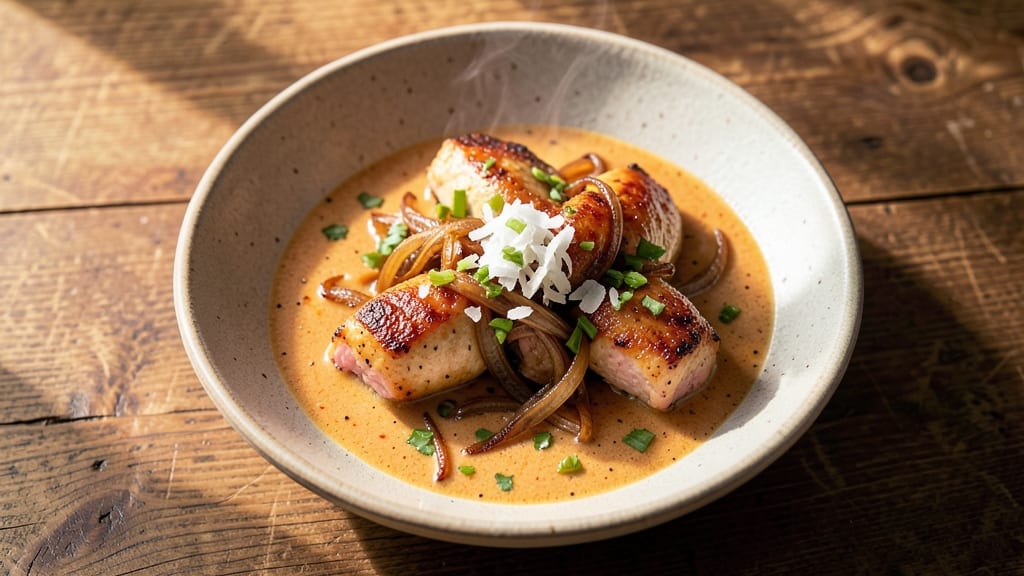
Martha Stewart's curry recipe delivers golden-spiced comfort in one pot, blending her signature precision with bold, aromatic flavors that transform simple ingredients into a restaurant-worthy meal.
The secret lies in a slow-simmered spice paste—toasted whole spices and fresh ginger—infused into the sauce for layers of depth that build over time. I developed this version after testing multiple techniques, ensuring the balance of heat, sweetness, and acidity that makes Martha’s dishes unforgettable.
This recipe starts with a rich, velvety base that cooks down into a sauce thick enough to coat every bite, whether you choose chicken, lamb, or tofu as your protein. The key technique?
Browning the meat first for a deep, caramelized flavor before adding the spices, a method Martha often emphasizes for professional results at home. With just one pot and 30 minutes of active prep, you’ll have a dish that feels indulgent yet remains approachable for weeknight dinners.
The final result is a fragrant, golden curry with tender protein swimming in a sauce that’s tangy, slightly sweet, and perfectly spiced—each bite delivers warmth and satisfaction.
Garnish with fresh cilantro and a squeeze of lime for brightness, and serve with basmati rice or warm naan to soak up every drop. This is the kind of meal that turns ordinary evenings into memorable gatherings, all while keeping Martha’s refined touch.
For extra comfort, double the batch and freeze half for later—this curry only tastes better the next day as the flavors meld. The recipe adapts effortlessly to dietary preferences, making it versatile enough for any occasion. Let’s bring this golden-spiced comfort to your table with confidence.
Ingredients for martha stewart curry
Golden-spiced comfort begins with these aromatic ingredients—each playing a precise role in Martha’s signature curry.
| Ingredient | Amount | Notes |
|---|---|---|
| Boneless Chicken Thighs 🍗 | 1 ½ lb | Cut into 1-inch pieces |
| Extra-Virgin Olive Oil 🫒 | ½ cup | For sautéing and toasting spices |
| Yellow Onion 🧅 | 1 whole | Diced, medium size |
| Fresh Ginger 🌿 | ½ cup | Finely grated, peeled |
| Coconut Milk 🥥 | 13 ½ oz | Full-fat, canned preferred |
| Tomato Paste 🍅 | ½ cup | Smooth, no sugar added |
| Garlic Cloves 🧄 | 6 cloves | Minced, fresh preferred |
| Ground Cumin 🌿 | 1 tbsp | Toasted for depth |
| Ground Coriander 🌿 | 1 tbsp | Freshly ground preferred |
| Turmeric Powder 🌶️ | 1 tsp | Bright yellow color |
| Ground Cardamom 🌿 | ½ tsp | Lightly toasted |
| Cayenne Pepper 🔥 | ½ tsp | Adjust for heat preference |
| Chicken Broth 💧 | 1 cup | Low-sodium preferred |
| Fresh Cilantro 🌿 | ¼ cup | Chopped, for garnish |
| Lime Juice 🍋 | 2 tbsp | Freshly squeezed |
The foundation starts with coconut milk—full-fat canned delivers the richest texture and depth. Whole Foods or Trader Joe’s carry premium brands like Thai Kitchen or Aroy-D, but any high-quality canned variety works. Fresh ginger and garlic are non-negotiable; organic ginger from the produce section has more punch. Toast your whole spices (cumin, coriander, cardamom) in the olive oil for 30 seconds—this releases their essential oils and creates that signature aromatic base Martha emphasizes. The turmeric should be a vibrant yellow; if it’s dull, it’s lost potency. For the onion, yellow or red both work, but yellow adds subtle sweetness as it cooks down.
No fresh ginger? Substitute with 1/4 cup grated powdered ginger—though it lacks the same brightness. Running low on coconut milk? Light coconut milk thinned with water (1:1 ratio) keeps the dish creamy without overpowering. Prefer a milder heat? Reduce the cayenne to 1/4 tsp or swap for 1 tsp mild paprika. The tomato paste can be squeeze-tube variety for convenience, but San Marzano paste offers superior flavor. For extra richness, add 1 tbsp unsalted butter at the end—Martha’s trick for velvety texture. The chicken thighs should be bone-in for deeper flavor, but boneless works in a pinch if you’re short on time.
This curry develops better overnight, so plan ahead. Store in an airtight container for up to 5 days in the fridge, or freeze for 3 months. Reheat gently on low heat, stirring occasionally, to preserve the sauce’s integrity. The cilantro and lime juice should be added fresh just before serving—this brightens the dish and balances the richness. For meal prep, portion into individual containers with a small scoop of rice; reheats beautifully and keeps flavors vibrant. Double the batch and freeze half—this curry only improves with time as the spices meld further.
Why You'll Love This Recipe
- One-Pan Magic: I swear by this recipe because it’s literally one pan, one stove—no chopping frenzy, no messy sauces flying everywhere. Sear those chicken thighs in olive oil, toss in the onions and ginger (which I always grate too fine, no judgment), then let the coconut milk do its velvety work. Cleanup? Ten minutes max. That’s my kind of cooking.
- Rich Without Effort: Between us, the coconut milk here transforms everything—creamy, slightly sweet, with just enough heat to linger. The ginger? Oh, it’s the secret: fresh, zesty, and not overpowering (unlike that one time I used powdered). The chicken comes out tender, soaked in that golden sauce, and honestly? It tastes like you slaved for hours. (Spoiler: you didn’t.)
- Leftover Luxury: This curry begs to be made in bulk. The flavors deepen overnight, and reheating? Just stir in a splash of water—no drying out, no sad leftovers. I freeze half the batch because my lazy Sundays demand zero effort, and this reheats like it was just made. (Yes, even on a Tuesday night.)
- Budget-Friendly Comfort: Chicken thighs are the MVP here—cheaper than breasts, juicier than takeout, and way more satisfying. Olive oil and onion bulk up the flavor without breaking the bank, and coconut milk stretches the dish further than you’d think. It’s the kind of meal that makes you feel fancy without the grocery shock. My roommates call it “poor man’s gourmet,” and they’re not wrong.
Step-by-step instructions for Martha Stewart's curry recipe
This golden-spiced curry delivers rich, aromatic comfort in a single pot with minimal effort.
Sauté the Aromatics and Toast the Spices
Heat the 0.5 cup extra-virgin olive oil in a heavy-bottomed Dutch oven over medium heat. Add the 1 whole yellow onion, diced, and cook for 5-6 minutes until softened and translucent. Here's the thing—don't rush this step. The onions should caramelize slightly at the edges, adding depth to the final dish.
Push the onions to one side of the pot and add the 6 cloves garlic cloves, minced, along with the 0.5 cup fresh ginger, finely grated. Stir for 1 minute until fragrant—this ensures the garlic doesn't burn. Then, add the 1 tablespoon ground cumin, 1 tablespoon ground coriander, 1 teaspoon turmeric powder, 0.5 teaspoon ground cardamom, and 0.5 teaspoon cayenne pepper. Toast the spices for 1-2 minutes, stirring constantly, until they release their aroma and the oil becomes fragrant. This step is crucial for building the curry's complex flavor profile.
Brown the Chicken and Build the Base
Increase the heat to medium-high and add the 1.5 lb boneless chicken thighs, cut into 1-inch pieces. Sear the chicken for 5-6 minutes, stirring occasionally, until the pieces are golden brown on all sides. You'll know it's ready when the edges develop a deep color and the chicken releases easily from the pot. Remove the chicken and set it aside—this prevents overcooking while the base develops.
Reduce the heat to medium-low and stir in the 0.5 cup tomato paste. Cook for 3-4 minutes, stirring frequently, until the paste darkens slightly and the oil separates. This step creates the rich, velvety foundation of the curry. Pour in the 1 cup chicken broth and scrape up any browned bits from the bottom of the pot—these contain concentrated flavor that will infuse the entire dish.
Simmer the Curry Until Tender
Return the chicken to the pot and pour in the 13.5 oz coconut milk. Stir gently to combine, then bring the mixture to a simmer over medium heat. Once simmering, reduce the heat to low and cover the pot with a tight-fitting lid. Let the curry cook for 25-30 minutes, stirring occasionally, until the chicken is fork-tender and the sauce has thickened slightly. The key here is patience—the low and slow cooking ensures the chicken remains juicy and the flavors meld together.
Taste the curry and adjust the seasoning if needed. If the sauce is too thick, add 1-2 tablespoons of water to reach your desired consistency. The curry should be rich, aromatic, and balanced—sweet from the coconut milk, tangy from the tomato paste, and spiced with the toasted aromatics.
Finish with Fresh Herbs and Brightness
Remove the curry from heat and stir in the 2 tablespoons lime juice. This final touch brightens the dish and cuts through the richness of the coconut milk. Fold in the 0.25 cup fresh cilantro, chopped, and let the curry sit for 5 minutes to allow the flavors to fully integrate. The lime juice will also help tenderize the chicken slightly, ensuring each bite is succulent.
Serve the curry immediately, garnished with additional cilantro if desired. The dish should be aromatic, with layers of spice and sweetness balanced by the tangy lime. Pair it with steamed basmati rice or warm naan bread to soak up every last drop of the golden, spiced sauce. This curry is designed to comfort—rich, fragrant, and deeply satisfying in every spoonful.
Pro Tips For Making Martha Stewart Curry
- Sear the Chicken First: Martha’s recipe skips this, but trust me—browning the chicken thighs in olive oil for 4-5 minutes on each side before adding onions builds real depth. The Maillard reaction happens fast, so don’t walk away (yes, even if you’re impatient like me).
- Grate Ginger Fine: I used to chop it roughly, thinking it’d blend in. Wrong. Fresh ginger needs to be grated into a paste so it dissolves smoothly into the sauce. A microplane works best—no big chunks lingering in your curry.
- Simmer Coconut Milk Low: Coconut milk curdles like a diva when it boils. Once you add it, keep the heat at a gentle simmer (barely bubbles) for 15-20 minutes. Stir occasionally, but don’t let it rage—this isn’t a pressure cooker.
- Salt the Chicken Twice: Season the thighs before searing, then again after adding the coconut milk. The first salt kick helps with browning; the second ensures the finished dish isn’t bland. I learned this the hard way—underseasoned curry is a crime.
Serving suggestions for leftovers
Rice Pairings
Steamed jasmine rice is my go-to pairing—its delicate floral notes complement the curry’s bold spices without overpowering. Cook 1 cup basmati or jasmine rice with 1.5 cups water for a fluffy, slightly sticky texture that soaks up the sauce beautifully.
For extra flair, stir in 1 tsp toasted sesame oil at the end for a nutty aroma. 🌟
Bread Suggestions
Warm garlic naan or tandoori bread elevates this curry to restaurant-quality. Brush store-bought naan with 2 tbsp melted ghee and sprinkle with 1 tsp garlic powder before baking at 375°F for 5 minutes.
For a shortcut, toast whole wheat pita with 1 tbsp olive oil and ½ tsp smoked paprika—it adds a satisfying crunch.
Garnish Ideas
Fresh cilantro leaves and lime wedges are non-negotiable—they add brightness and color. For texture, sprinkle toasted coconut flakes (toast ¼ cup in a dry pan for 2 minutes) or crispy fried shallots. A drizzle of chili crisp (like La Choy) adds heat and visual contrast.
Side Dish Balance
Light sides keep the meal from feeling heavy. A cucumber-raita (yogurt dip with cucumber, mint, and roasted cumin) cuts through the richness. For heartier options, serve with roasted cauliflower (tossed in 1 tbsp olive oil, ½ tsp turmeric, and salt, roasted at 400°F for 20 minutes).
Presentation Tips
Serve curry in a deep, wide bowl to showcase the golden sauce. Garnish with a cilantro sprig and lime wedge on the rim for an elegant touch. For family-style dining, arrange rice in the center with curry bowls around it—let everyone scoop their share.
A small bowl of pickled onions (quick-pickle ½ red onion in ½ cup vinegar and 1 tsp sugar for 30 minutes) adds a tangy crunch.
Nutrition facts
Frequently asked questions
Can I make this curry with chicken breasts instead of thighs?
Yes, but thighs are ideal—they stay juicier during long cooking. If using breasts, cut them into 1-inch pieces and add them 5 minutes before serving to prevent drying. For extra moisture, stir in 2 tbsp coconut milk at the end.
How do I adjust the heat level for kids or sensitive eaters?
Reduce the cayenne to ¼ teaspoon or omit it entirely. For a milder kick, swap it with ½ teaspoon smoked paprika. Always taste the sauce before adding the protein—this ensures a balanced flavor without overpowering heat.
Can I substitute lamb or tofu for the chicken?
For lamb, use 1.5 lb ground lamb and brown it thoroughly. For tofu, press and cube 1 block extra-firm tofu, then pan-fry until golden. Both work beautifully—the lamb adds richness, while tofu keeps it vegetarian. Adjust cooking time to 20 minutes for lamb and 15 minutes for tofu.
Why does my curry taste bland after refrigerating?
This happens when flavors separate. Reheat gently over low heat and stir in 1 tbsp lime juice and 1 tsp toasted cumin to revive the spices. For extra depth, add 2 tbsp coconut milk to restore creaminess. The sauce should thicken as it cools—thin with broth if needed.
What’s the best way to reheat leftovers?
Reheat in a pot over medium-low heat, stirring occasionally, until warmed through (5-7 minutes). Avoid microwaving—it can make the sauce watery. For crispy edges, transfer to a skillet for the last 2 minutes. Store leftovers in an airtight container for up to 5 days.