Sauces & Condiments
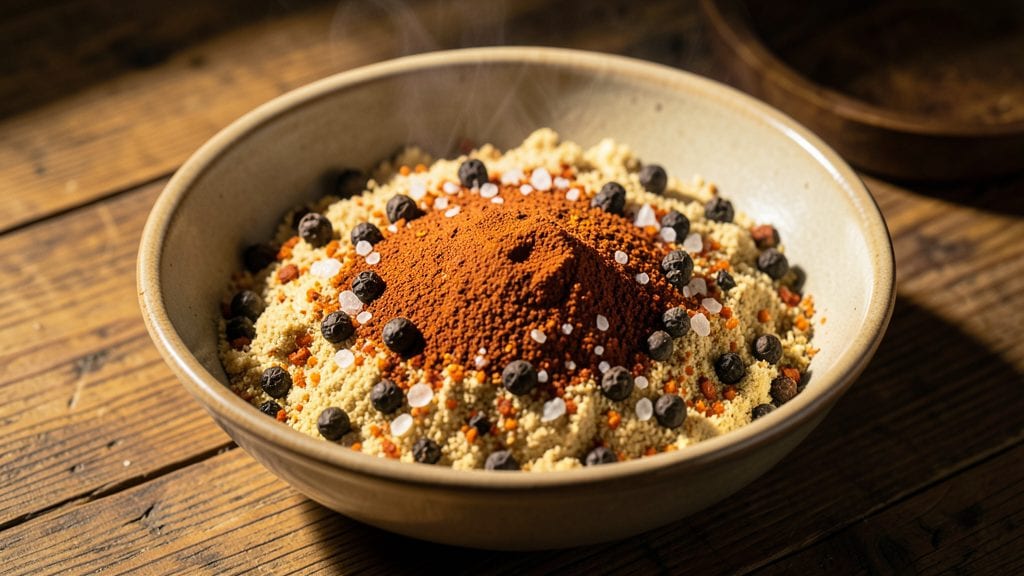
Creating a Longhorn Steakhouse seasoning recipe at home means unlocking that signature smoky, spiced flavor that transforms ordinary grilled meats into restaurant-quality masterpieces.
After years of perfecting my own blends—especially during those late-night cookouts when the grill was the only thing keeping me sane—I developed this precise mix that delivers every time.
The secret lies in balancing bold spices with just the right amount of heat, ensuring each bite carries that unmistakable steakhouse taste.
This dry spice blend requires just six simple ingredients, each playing a crucial role in building depth and complexity. You’ll need garlic powder, onion powder, smoked paprika, coarse black pepper, kosher salt, and a touch of cayenne—all measured precisely to create that perfect harmony.
The smoked paprika adds that signature smoky aroma, while the garlic and onion powders build a savory foundation that sticks to meat like a second skin. What makes this blend special is how it enhances rather than overpowers, letting the natural flavors of the meat shine through.
Once mixed, this seasoning keeps indefinitely in an airtight container, making it the ultimate pantry staple for grilled steaks, ribs, or even roasted vegetables. A generous sprinkle before grilling or searing creates a flavorful crust that locks in juices and delivers that restaurant-quality taste at home.
Whether you're cooking for a crowd or treating yourself to a solo steak night, this blend is your secret weapon for bold, smoky flavors that never disappoint.
For best results, apply the seasoning generously—don’t be shy with it—and let the meat rest for at least 15 minutes before cooking to allow the spices to penetrate. Pair it with a simple butter baste or a splash of Worcestershire sauce for an extra layer of depth.
Trust me, once you try this, you’ll never buy pre-packaged seasoning again. Let’s get seasoning!
Ingredients for longhorn steakhouse seasoning
Six spices. One legendary blend. Your grill game just leveled up.
| Ingredient | Amount | Notes |
|---|---|---|
| Smoked Paprika 🌶️ | 2 tbsp | High-quality smoked variety for depth |
| Garlic Powder 🧄 | 1 ½ tbsp | Freshly ground preferred for intensity |
| Onion Powder 🧅 | 1 ½ tbsp | Not onion salt—pure powder |
| Coarse Black Pepper 🌶️ | 1 tbsp | Freshly cracked for best texture |
| Kosher Salt 🧂 | 1 tbsp | Diamond Crystal preferred for flakiness |
| Cayenne Pepper 🔥 | ½ tsp | Adjust for heat preference |
The smoked paprika is non-negotiable—Penzeys or Gourmet Garden have the best quality. Look for deep, rich color, not that dull red stuff in cheap jars. Costco's bulk bin is my go-to for garlic and onion powders—they're fresher than the tiny shakers. Freshly ground black pepper makes all the difference, but pre-ground works in a pinch. The cayenne? Trader Joe's has a great organic option if you want to avoid the heat test. Pro tip: Toast your spices for 30 seconds in a dry pan before mixing—wakes up those flavors!
No smoked paprika? Substitute with 1 tbsp regular paprika plus 1/2 tsp liquid smoke—close enough for steak night. Ran out of cayenne? Red pepper flakes at half the amount gives a milder kick. Want more depth? Add 1/2 tsp of ground coriander or a pinch of mustard powder. The kosher salt is key—Diamond Crystal dissolves better than table salt. If you're using table salt, cut the amount by half. And trust me, measure accurately—this isn't the time for eyeballing!
Store this blend in an airtight glass jar away from light—it'll stay potent for 6-12 months. I double the recipe every time because once you go homemade, you never go back. Sprinkle generously on steaks, ribs, or even roasted potatoes. For extra smokiness, mix 1 tbsp of this blend with 2 tbsp brown sugar and rub it on pork chops before grilling. Game-changer every time!
Why You'll Love This Recipe
- Five-Ingredient Magic: I swear by this blend—just mix those five pantry staples (smoked paprika, garlic powder, onion powder, black pepper, salt) and you’ve got restaurant-quality depth without the fuss. No measuring cups, no fancy tools, just dump-and-stir while you’re waiting for the grill to heat up.
- Smoky-Savory Kick: That smoked paprika gives it this perfect charred-meat vibe—deep, slightly sweet, with a whisper of heat. Honestly, I’ve tried store-bought versions, and this homemade mix actually tastes like it came from a Texas steakhouse, not a jar.
- Works Anywhere: Slap it on grilled chicken, roasted potatoes, or even scrambled eggs—it’s my go-to for weeknight dinners and weekend BBQs. My kids even ask for it on their chicken nuggets (yes, really).
- Budget Booster: A single batch costs pennies and lasts forever—no more buying overpriced pre-mixed seasonings. I make a big jar at the start of the month and use it until it’s gone, which is basically never.
Step-by-step instructions for Longhorn steakhouse seasoning
This bold smoky-spiced blend transforms ordinary grilled meats into restaurant-quality masterpieces.
Measure All Ingredients Precisely
Start by gathering all your ingredients and measuring them exactly as listed. For the smoked paprika, I recommend using a high-quality smoked variety—you'll notice the depth of flavor it adds immediately. Use a standard measuring spoon for the 2 tablespoons of smoked paprika, leveling it off with the back of a knife for accuracy.
Next, measure out the 1.5 tablespoons each of garlic powder and onion powder. The key here is to use freshly ground powders if possible—they pack more punch than pre-ground spices that lose potency over time. For the coarse black pepper, I prefer freshly cracked peppercorns ground into flakes, as they add a more complex texture to the blend.
Combine Dry Ingredients in a Bowl
In a medium mixing bowl, add all the measured ingredients together. Start with the 1 tablespoon of kosher salt and 0.5 teaspoon of cayenne pepper, then sprinkle in the smoked paprika, garlic powder, onion powder, and coarse black pepper. The cayenne is where you can adjust to taste—start with the full amount if you like heat, but reduce to 0.25 teaspoon if you prefer milder flavor.
Use a whisk to break up any clumps in the smoked paprika and distribute the cayenne evenly. You want a completely uniform blend without any streaks of pure cayenne. This is also the perfect time to give the mixture a quick sniff—you should smell that rich, smoky, slightly spicy aroma that makes this blend so special.
Mix Thoroughly for Even Distribution
With the whisk, stir the mixture vigorously for about 30 seconds, lifting from the bottom of the bowl to ensure all ingredients are fully incorporated. The smoked paprika should be evenly distributed throughout, giving the blend its signature deep red color. You're looking for a completely homogeneous texture where you can't pick out individual spices.
I like to use a small rubber spatula to scrape down the sides of the bowl and fold any dry bits back into the center. This ensures you're not missing any of that precious seasoning. The blend should now look like a fine, slightly coarse powder with a beautiful reddish-brown hue—this is your visual cue that everything is properly mixed.
Store Properly for Maximum Freshness
Transfer the finished seasoning to an airtight container. I recommend a small glass jar with a tight-sealing lid—glass preserves the flavors better than plastic over time. Label the container with the contents and date to keep track of freshness. This blend will keep its peak flavor for about 3 months when stored in a cool, dark place like your pantry.
For best results, shake the container well before each use to redistribute any settled spices. The freshly ground powders and smoked paprika make this blend particularly potent, so a little goes a long way. When you're ready to use it, apply it generously to your meats before grilling—this is where that Longhorn Steakhouse flavor really shines.
Pro Tips For Making Longhorn Steakhouse Seasoning
- Sift the Dry Mix: I learned this the hard way—dumping the powders straight from the jar clumps the smoked paprika and garlic powder into useless lumps. Use a fine-mesh sieve or even a clean kitchen towel to break up the spices before measuring. The difference in even distribution is night and day, especially when rubbing it into steak.
- Toast the Paprika: Sounds weird, but it works: dry-toast the smoked paprika in a skillet over medium-low heat for 30 seconds. It deepens the flavor and removes any bitterness from older spices. Skip this when you're lazy, but the seasoning tastes noticeably richer when you don’t.
- Salt in Layers: Don’t just sprinkle salt at the end—mix half of the kosher salt into the dry spices first, then add the rest after coating the meat. This guarantees the seasoning sticks to the surface while letting the salt penetrate over time. (Yes, even if you’re impatient like me.)
- Store It Right: Keep the seasoning in an airtight container, but split it into small batches if you won’t use it all at once. Humidity turns the onion powder into a useless paste after a week, and stale spices ruin everything. Label the jar with the date—trust me, you’ll forget.
Best sauces and condiments for this longhorn steakhouse seasoning
Butter Baste Magic
Elevate your seasoned meats with a simple butter baste that melts into a flavorful crust. Melt 2 tablespoons unsalted butter with 1 tablespoon Worcestershire sauce and 1 teaspoon fresh lemon juice in a small saucepan over low heat.
Brush this mixture generously over your seasoned steaks during the last 5 minutes of grilling. The butter adds richness while the Worcestershire deepens the savory notes—just like Longhorn’s signature touch. 🔥
Smoky Chipotle Glaze
For a sweet-and-smoky finish, blend 2 tablespoons adobo sauce (from canned chipotles) with 1 tablespoon brown sugar and 1 teaspoon apple cider vinegar. Simmer for 3 minutes until slightly thickened, then brush over grilled meats or ribs.
This glaze pairs perfectly with the seasoning’s smoky depth, adding a touch of heat and caramelized sweetness. I love using this on pork chops or chicken thighs for a restaurant-worthy twist.
Garlic-Herb Compound Butter
Mix ½ cup softened butter with 2 tablespoons minced fresh garlic, 1 tablespoon chopped fresh parsley, and 1 teaspoon lemon zest. Roll into a log and chill for 30 minutes to firm up.
Slice and place on top of grilled steaks or serve on the side for dipping. The fresh herbs brighten the smoky seasoning, while the garlic adds another layer of complexity. This is my go-to for special occasions—it’s simple but feels luxurious.
Spicy Aioli Dip
Blend ½ cup mayonnaise with 1 tablespoon Longhorn seasoning blend, 1 teaspoon hot sauce, and ½ teaspoon garlic powder until smooth. Thin with a splash of water if needed. Serve this dip alongside grilled meats or use it as a marinade for 15-20 minutes before cooking.
The seasoning’s smoky heat shines in this creamy dip, making every bite unforgettable. Store leftovers in an airtight container for up to 3 days in the fridge.
Balsamic Reduction
Simmer ½ cup balsamic vinegar with 1 tablespoon brown sugar and 1 teaspoon Dijon mustard over medium heat for 8-10 minutes until syrupy. Drizzle over grilled meats or use as a marinade for 30 minutes before cooking.
The tangy-sweet reduction cuts through the smokiness of the seasoning, balancing flavors beautifully. I often drizzle this over steaks right before serving for a showstopping finish.
Honey-Mustard Marinade
Whisk together 3 tablespoons honey, 2 tablespoons Dijon mustard, 1 tablespoon apple cider vinegar, and 1 teaspoon Longhorn seasoning blend. Coat chicken or pork in this marinade and let it sit for 2-4 hours** in the fridge.
The sweetness caramelizes on the grill, while the mustard adds a tangy kick that complements the seasoning’s smoky depth. This marinade is a game-changer for quick weeknight meals—just 15 minutes on the grill and you’ve got restaurant-quality flavor.
Nutrition facts
Frequently asked questions
Can I adjust the heat level in this seasoning?
The cayenne pepper is where you control the heat—start with the full 0.5 teaspoon for medium heat, or reduce to 0.25 teaspoon for milder flavor. For extra kick, add a pinch of crushed red pepper flakes. The smoked paprika provides smokiness without heat, so you can tweak cayenne without losing the signature flavor profile.
How long should I let the seasoning sit on meat before cooking?
For best results, apply the seasoning 15-30 minutes before grilling or roasting. This allows the spices to penetrate the surface and create a flavorful crust. For thicker cuts like steaks or ribs, let it sit up to 1 hour in the fridge before cooking. The longer rest time enhances the smoky aroma and ensures deeper flavor infusion.
What's the best way to store homemade seasoning?
Transfer the blend to an airtight glass jar and store it in a cool, dark place like your pantry. It stays fresh for 6-12 months when properly sealed. For maximum potency, shake the jar before each use to redistribute settled spices. The glass container preserves flavors better than plastic and prevents moisture absorption.
Can I use this seasoning on foods other than meat?
This versatile blend works beautifully on roasted vegetables (like potatoes or Brussels sprouts), grilled corn, or even as a finishing salt for eggs and popcorn. The smoky-savory profile enhances many dishes beyond just meats. For vegetables, reduce the cayenne to 0.25 teaspoon or omit it entirely to avoid overpowering delicate flavors.
What's the secret to getting that perfect restaurant-style crust?
The key is using coarse black pepper and applying the seasoning generously—don't be shy! Let the meat rest after seasoning, then sear over medium-high heat until a deep crust forms. For extra richness, finish with a butter baste containing Worcestershire sauce during the last 5 minutes of cooking. This technique locks in juices while building that signature crust.