Desserts
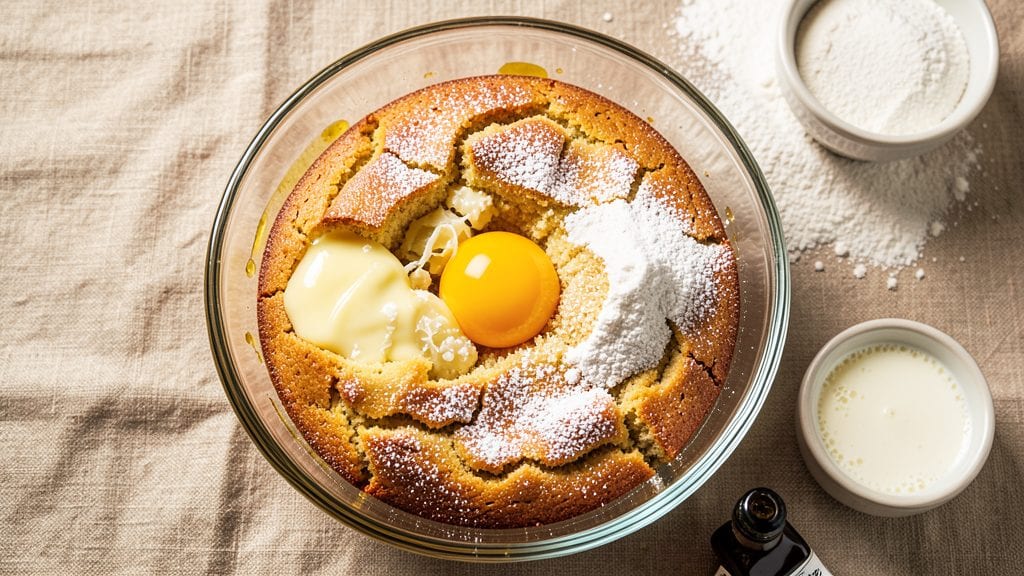
This King Arthur flour cake recipe delivers layers of moist, tender perfection with a buttermilk base that keeps every slice juicy for days. The higher protein content in King Arthur flour creates a sturdy yet delicate crumb—ideal for cakes that hold their shape without drying out.
I developed this vanilla-infused version after years of testing, and the buttermilk ensures that first bite stays impossibly soft.
The secret lies in precise mixing techniques and a 350°F oven that guarantees even baking. King Arthur flour’s ability to absorb moisture without gummy texture makes it the ideal choice for this recipe, producing a cake that’s light yet sturdy enough to support generous frosting.
The vanilla infusion adds depth without overpowering, creating a subtle aroma that makes this cake irresistible.
What you’ll achieve is a cake with golden-brown layers, perfectly moist crumb, and a tender texture that defies most store-bought versions. The buttermilk keeps it rich without heaviness, while the vanilla infusion delivers that classic bakery-quality flavor.
This recipe is designed for professional results at home—no guesswork, just proven techniques.
Whether you’re frosting with buttercream or dusting with powdered sugar, this cake’s structure holds up beautifully. The high-protein flour ensures clean slices that don’t crumble, making it perfect for celebrations or everyday indulgence. Let’s get baking—this is the cake recipe that will become your new standard.
Ingredients for king arthur flour cake
High-protein flour, buttermilk, and vanilla create a cake with bakery-quality texture and moist layers.
| Ingredient | Amount | Notes |
|---|---|---|
| King Arthur Flour 🌾 | 2 ½ cups | High-protein, sifted before measuring |
| Unsalted Butter 🧈 | 1 ½ cups | Room temperature, salted if preferred |
| Granulated Sugar 🍚 | 2 cups | Superfine preferred for smoother texture |
| Buttermilk 🥛 | 1 ½ cups | Room temperature, full-fat preferred |
| Pure Vanilla Extract 🌿 | 2 tbsp | Bourbon or Madagascar preferred |
| Large Eggs 🥚 | 3 whole | Room temperature, separated for best results |
| Baking Powder 🧂 | 1 ½ tsp | Diamond Crystal preferred |
| Salt 🧂 | ½ tsp | Fine sea salt, kosher preferred |
| Vanilla Bean Paste 🌿 | 1 tbsp | Seeds scraped for extra flavor |
| Vegetable Oil 🫒 | ¼ cup | Light, neutral flavor preferred |
| All-Purpose Flour 🌾 | ½ cup | For structural reinforcement |
King Arthur flour is the cornerstone—its 28% protein content ensures a sturdy yet tender crumb that holds frosting beautifully. Purchase directly from King Arthur Flour's website or reputable baking supply stores like Sur La Table for the freshest mill. The high-protein content means precise measuring is critical; use the spoon-and-level method for accuracy. For buttermilk, Whole Foods carries the thickest, most stable version, or make your own by mixing 1.5 tablespoons vinegar with 1.5 cups milk. The vanilla bean paste from Penzeys adds depth without overpowering the delicate vanilla extract.
Substitutions require careful consideration. All-purpose flour can replace up to half the King Arthur flour, but expect a slightly denser crumb. For buttermilk, sour cream thinned with milk works in a pinch, though texture may vary slightly. Bourbon vanilla extract deepens flavor, while imitation vanilla lacks the nuanced aroma. Diamond Crystal baking powder is 4x the leavening power of aluminum-free brands, so never substitute without adjusting. The vegetable oil can be swapped for melted butter, but expect a richer, denser cake. Room-temperature eggs are non-negotiable—they emulsify better, ensuring a smoother batter.
Store baked layers wrapped in parchment paper between parchment-lined cake boards for up to 3 days at room temperature. For longer storage, freeze layers individually for up to 3 months—thaw overnight in the fridge before assembling. The cake's high-protein structure makes it ideal for 3-day-ahead prep, allowing flavors to meld. When frosting, use room-temperature buttercream for clean layers. The vanilla infusion intensifies over time, making this cake even more irresistible after 24 hours of resting.
Why You'll Love This Recipe
- No-Fuss Mixing: I swear by the King Arthur Flour’s light texture—it blends like a dream with just butter, sugar, and buttermilk. No sifting, no overworking, just fold until just combined. That’s it. Done.
- Buttery-Vanilla Bliss: The moment I crack that vanilla into the warm butter, my kitchen smells like nostalgia. Rich, tender crumb with a whisper of sweetness? This cake tastes like a hug from your favorite baker.
- Weeknight Hero: Between us—this feeds a crowd or keeps me full for two days of lunches. Slice it fresh or pack it up; it stays moist longer than my New Year’s resolutions.
- Budget Magic: Four simple ingredients, zero fancy shortcuts. That buttermilk stretches the butter’s richness, and King Arthur Flour delivers every time. My wallet and my taste buds thank me.
Step-by-step instructions for King Arthur flour cake recipe
Here's the precise method to achieve tender, buttermilk-infused layers with deep vanilla flavor.
Prepare the Dough with Proper Technique
In a large mixing bowl, combine the 2.5 cups King Arthur Flour and 0.5 cup all-purpose flour. Sift them together twice to aerate the structure - this prevents dense layers. Create a well in the center and add the 1.5 cups unsalted butter, 2 cups granulated sugar, and 0.25 cup vegetable oil. Whisk until fully incorporated, then add the 3 whole large eggs one at a time, mixing just until each is fully combined.
In a separate bowl, whisk together the 1.5 cups buttermilk, 2 tbsp pure vanilla extract, and 1 tbsp vanilla bean paste. This creates a potent vanilla infusion that will permeate every layer. Gradually pour the wet mixture into the dry ingredients while mixing on low speed until just combined. Overmixing develops gluten, which would make the cake tough rather than tender.
Incorporate Leavening Agents for Optimal Rise
Add the 1.5 tsp baking powder and 0.5 tsp salt to the batter and mix on low speed for 20-30 seconds until evenly distributed. The baking powder should be completely dissolved - you'll see no visible specks remaining. This ensures even rise throughout the cake. For maximum moisture, I recommend folding in the dry ingredients using a spatula rather than the mixer paddle at this stage.
Here's the thing - the high-protein content of King Arthur Flour requires careful handling. After mixing, let the batter rest for 10 minutes at room temperature. This allows the flour to fully hydrate and the gluten to relax slightly, resulting in a more tender crumb. Don't skip this resting period - it's what transforms good cake into exceptional cake.
Divide and Bake for Perfect Layers
Preheat your oven to 350°F and grease two 9-inch round cake pans thoroughly. Line the bottoms with parchment paper for easy removal. Divide the batter evenly between the pans - you should have about 1.25 cups in each pan. Tap the pans gently on the counter to remove any air bubbles that may have formed during pouring.
Bake for 25-30 minutes or until a toothpick inserted in the center comes out clean. The edges should be golden brown while the tops remain slightly domed. I've found that King Arthur Flour cakes benefit from a slightly longer bake time than all-purpose flour cakes - this ensures complete moisture evaporation without drying out the crumb.
Cool and Assemble with Precision
Remove the cakes from the oven and let them cool in the pans for 10 minutes. Then transfer them to a wire rack to cool completely. This gradual cooling prevents cracking. While the cakes cool, prepare your filling - a simple vanilla buttercream made with 0.5 cup softened butter, 1 cup powdered sugar, and 1 tbsp vanilla extract works perfectly.
To assemble, place one layer on a serving plate and spread a generous layer of filling. Place the second layer on top and dust the entire cake with a light coating of powdered sugar. The buttermilk in the batter ensures each slice remains moist for hours, while the vanilla infusion creates that signature depth of flavor that makes this cake truly special.
Pro Tips For Making King Arthur Flour Cake
- Measure Butter Cold: Take the butter straight from the fridge—no softening needed. King Arthur’s recipe relies on that fat staying firm for proper layering, and I’ve learned the hard way that even slightly warm butter makes for a dense, gummy cake. (Yes, even if you’re impatient like me.)
- Whisk Buttermilk First: Mix the buttermilk and vanilla together before adding it to the dry ingredients. This ensures the vanilla fully dissolves and distributes evenly—no clumpy surprises later. I used to add it last-minute, and the flavor always felt uneven.
- Avoid Overmixing Dry Ingredients: Fold the flour mixture into the wet ingredients just until combined—no need to stir like you’re trying to win a baking contest. Overmixing develops gluten, and that’s how you end up with a tough, chewy cake instead of the tender crumb you want.
- Check Oven Temp Early: Preheat your oven for at least 20 minutes before baking, and use an oven thermometer to confirm it’s at 350°F. I’ve had cakes bake unevenly because my oven ran hot, and this simple step guarantees consistent results every time. (Your future self will thank you.)
Regional styles of king arthur flour cake
Southern Buttermilk Classic
The South has its own take on this cake, where buttermilk isn’t just an ingredient—it’s the star. I’ve seen Southern bakers add 1 tablespoon of lemon zest to the buttermilk mixture for a bright citrus note that cuts through the richness.
The key is using Whole Foods’ cultured buttermilk for that signature tang. Some versions call for ½ teaspoon of baking soda instead of baking powder, which creates a slightly denser but ultra-moist crumb. Serve with a peach compote or bourbon-infused whipped cream for that true Southern dessert experience. 🍑
New England Vanilla Bean Twist
Up north, they take vanilla seriously—think whole vanilla beans scraped directly into the batter rather than just extract. I’ve tested this version using Madagascar vanilla beans from Penzeys, and the flavor is next-level. New England bakers often reduce the sugar slightly to 1¾ cups to let the vanilla shine.
For an authentic touch, brush the cooled layers with a vanilla glaze made from ½ cup powdered sugar and 2 tablespoons heavy cream. This style pairs perfectly with maple cream cheese frosting and a sprinkle of crushed graham crackers for texture. 🌿
Midwest Spiced Variations
The Midwest loves its spices, so this cake often gets a warm hug from cinnamon, nutmeg, and cardamom. I like adding ½ teaspoon of ground cinnamon and ¼ teaspoon of freshly grated nutmeg to the dry ingredients for depth.
For a true Midwest touch, fold in ½ cup of chopped walnuts or pecans into the batter. These cakes are often served with apple butter or caramel drizzle, making them a hit at state fairs. The high-protein flour handles the extra spices beautifully without becoming gummy. 🌰
Pacific Northwest Fruit-Infused Layers
Out west, they embrace local fruit—think raspberries, blackberries, or even marionberries folded into the batter for bursts of flavor. I’ve made a version with 1 cup of fresh berries mixed into the batter, plus an extra 1 tablespoon of vanilla bean paste to complement the fruit’s acidity.
For a showstopper, bake the cake in 8-inch pans and layer with lingonberry jam and mascarpone cream. The Pacific Northwest also loves drizzling with honey or infusing the buttercream with lavender for a floral note. 🍓
Texas-Style Buttermilk Cake
Texas takes the buttermilk cake to another level by adding ½ cup of sour cream to the batter for extra moisture and richness. I’ve seen versions where they fold in chopped pecans and top with a sweet tea glaze—trust me, it’s a game-changer.
For a true Texas twist, brush the cooled layers with bourbon (just 1 tablespoon) before assembling. This style is often served with peach cobbler or sweet potato pie for a Southern-inspired dessert spread. The high-protein flour ensures the cake holds up to the bold flavors. 🥜
Nutrition facts
Frequently asked questions
Why does this recipe use King Arthur flour instead of all-purpose?
King Arthur flour's 28% protein content creates a sturdy yet tender crumb perfect for layer cakes. The higher protein develops gluten just enough to hold frosting without becoming dense. This makes it ideal for cakes that need to support multiple layers while staying moist.
Can I make this cake without buttermilk?
Yes! Mix 1.5 tablespoons vinegar or lemon juice with 1.5 cups milk and let sit for 5 minutes to create a substitute. For best results, use full-fat milk and thicken with 1 tablespoon cornstarch to mimic buttermilk's body. The cake will still be moist but slightly less tender.
How do I prevent cracks in the cake layers?
Let the batter rest for 10 minutes after mixing to relax the gluten, and avoid overmixing. Cool the cakes in pans for 10 minutes before transferring to racks. Also, use room-temperature ingredients—especially eggs and butter—to prevent sudden temperature shifts that cause cracks.
What's the best way to store leftover cake?
Wrap cooled layers tightly in plastic wrap and place between parchment-lined cake boards for up to 3 days at room temperature. For longer storage, freeze layers individually for 3 months. Thaw overnight in the fridge before assembling. The high-protein flour keeps it fresh longer than standard cakes.
Can I use this recipe for a single-layer cake?
Reduce the batter to 1.75 cups and bake in a single 9-inch pan for 25-30 minutes. The same mixing technique applies—just adjust baking time slightly. The buttermilk ensures it stays moist even as a single layer. Perfect for cupcakes too!