Side Dishes
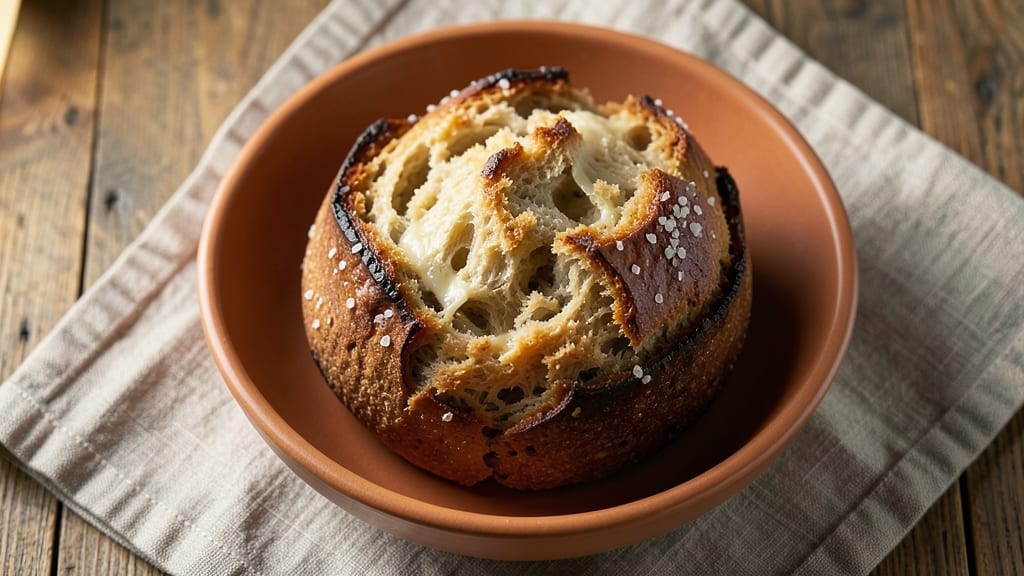
This Guinness wheaten bread recipe transforms the classic Irish soda bread with the deep, malty richness of dark beer—creating a dense, slightly tangy loaf that pairs perfectly with butter or soup.
The Guinness isn’t just flavor; it’s the secret to a moist crumb and that signature hearty texture that makes every slice worth savoring. I developed this version after years of baking traditional wheaten bread, but the Guinness infusion elevates it to another level entirely.
The beauty of this recipe lies in its simplicity—just a handful of ingredients, no yeast, and a baking time of under an hour. The bread develops a golden crust while staying tender inside, thanks to the beer’s natural moisture retention.
Unlike standard soda bread, the Guinness adds a subtle depth that balances the wheaten flour’s slight sweetness, making it versatile enough for breakfast toast or as a side with hearty stews.
What you’ll end up with is a loaf that smells like a cozy Irish pub, with a dense yet crumbly texture and a flavor that’s both familiar and unexpected.
The Guinness doesn’t overpower; instead, it enhances the bread’s natural nuttiness while adding a hint of bitterness that cuts through rich dishes beautifully. This is the kind of bread that disappears faster than you can say “sláinte.”
Serve it warm with cultured butter, alongside a bowl of Irish stew, or even as a base for open-faced sandwiches. The possibilities are as endless as the stories this bread could inspire. Ready to bake?
Ingredients for guinness wheaten bread
Just twelve ingredients transform classic wheaten bread into a Guinness-infused masterpiece.
| Ingredient | Amount | Notes |
|---|---|---|
| Guinness Draught 🍺 | 1 ½ cups | Room temperature, not warmed |
| Wheaten Flour 🌾 | 3 ½ cups | Plus 1 tbsp for dusting |
| All-Purpose Flour 🌾 | 1 cup | For structure balance |
| Buttermilk 🥛 | 1 ¼ cups | Room temperature preferred |
| Granulated Sugar 🍚 | ¼ cup | Light brown sugar works too |
| Baking Soda 🧂 | 1 tsp | Freshly opened |
| Salt 🧂 | ½ tsp | Fine sea salt preferred |
| Unsalted Butter 🧈 | ½ cup | Cold, cubed for mixing |
| Whole Milk 🥛 | ¼ cup | For dough consistency |
| Freshly Ground Black Pepper 🌶️ | ¼ tsp | Enhances Guinness flavor |
| Freshly Grated Nutmeg 🌿 | ¼ tsp | Fine zest preferred |
| Poppy Seeds 🌱 | 2 tbsp | Optional for texture |
The Guinness is non-negotiable here—draft quality makes all the difference. Guinness Draught from the tap delivers the richest flavor, but bottled Guinness works in a pinch. Avoid the light-colored versions; you want that deep, malty profile. Costco or local pubs often have the best prices for bulk draft. For wheaten flour, Bob's Red Mill is reliable, but check the bulk bins at Whole Foods—they're usually fresher. If you can't find wheaten, substitute 100% whole wheat, though the texture will be denser. The buttermilk should be room temperature—cold buttermilk can make the dough gummy. If you're short on time, substitute plain yogurt thinned with milk.
No buttermilk? Mix 1.25 cups milk with 1 tbsp vinegar or lemon juice and let it sit for 5 minutes. The poppy seeds are optional but add a lovely crunch—Trader Joe's sells them pre-ground, saving you the hassle. For nutmeg, pre-grated is fine, but freshly grated has more punch. If you're avoiding gluten, this isn't the recipe for you—wheaten flour is inherently gluten-rich. The black pepper might seem odd, but it cuts through the Guinness's sweetness, balancing the flavors beautifully. For a sweeter loaf, add 1 tbsp honey to the dough. The sugar can be swapped for maple syrup at half the amount, though it may darken the crust slightly.
This dough doesn't need kneading—just mix and shape. Use parchment paper for easy removal from the pan. The bread keeps well at room temperature for 2-3 days, wrapped in a clean kitchen towel. For longer storage, freeze slices wrapped in plastic—they toast up like fresh. Reheat in a 350°F oven for 5-7 minutes to restore that pub-warm feel. The crust gets crispier as it cools, so slice when still slightly warm for the best texture. Leftovers make excellent French toast or bread pudding—don't waste them.
Why You'll Love This Recipe
- I’ll be real: I make a double batch on Sundays because it stays fresh for days. Slice it, freeze it, or toast it straight from the fridge—it’s that kind of reliable. Plus, the buttermilk keeps it moist without needing fancy storage tricks.
- No Yeast Needed: I swear by this—no waiting for dough to rise, no yeasty hassle. Just mix the Guinness and buttermilk, fold in the flours, and bake. That’s it. The dark beer does all the work for you.
- Rich, Toasty Depth: Honestly, the second you pull this bread from the oven, you’ll smell it and think, “Why didn’t I do this sooner?” The wheaten flour gives it a nutty crunch, while the Guinness adds that deep, malty sweetness—like a cross between sourdough and a stout beer.
- Game for Any Meal: Between us, this bread is my go-to for breakfast (toasted with butter), lunch (paired with soup), or dinner (as a side for stews). The slight sweetness from the sugar balances the richness, so it never feels heavy—just right.
Step-by-step instructions for Guinness wheaten bread
This method delivers a perfectly balanced loaf with a rich Guinness flavor and tender crumb.
Mix the Wet Ingredients
In a large mixing bowl, combine the 1.5 cups Guinness Draught, 1.25 cups Buttermilk, 0.25 cup Whole Milk, 0.25 cup Granulated Sugar, and 0.5 cup Unsalted Butter. Use a whisk to blend until the butter is fully incorporated and the mixture is smooth. The Guinness should be at room temperature to ensure proper mixing with the butter.
Add the 0.25 tsp Freshly Ground Black Pepper and 0.25 tsp Freshly Grated Nutmeg to the wet mixture. Stir well to distribute the spices evenly. This step ensures the flavors are fully integrated before combining with the dry ingredients. The mixture should be slightly thick but pourable—if it appears too thin, let it sit for 5 minutes to thicken naturally.
Combine Dry Ingredients and Form the Dough
In a separate large bowl, whisk together the 3.5 cups Wheaten Flour, 1 cup All-Purpose Flour, 1 tsp Baking Soda, and 0.5 tsp Salt. Sift the mixture to remove any lumps and ensure even distribution of the baking soda and salt. This step is crucial for achieving a light, airy crumb in your bread.
Gradually pour the wet ingredient mixture into the dry ingredients while stirring with a wooden spoon. Mix until a shaggy dough forms—this typically takes about 2-3 minutes of vigorous stirring. The dough should come together but still feel slightly sticky. Avoid overmixing, as this can develop gluten too early and result in a dense loaf.
Knead the Dough and Rest
Transfer the dough to a lightly floured surface and knead for 5-7 minutes until smooth and elastic. Add 1 tablespoon of the Wheaten Flour to your work surface if the dough feels too sticky. Kneading by hand ensures proper gluten development, which gives the bread its structure. The dough should be slightly tacky but not wet, and it should spring back slowly when pressed.
Place the dough in a lightly greased bowl, cover it with a damp kitchen towel, and let it rise in a warm place for 1-1.5 hours or until it has doubled in size. The dough should feel light and spongy when pressed gently with a finger. This resting period allows the yeast to activate fully, creating the air pockets that give the bread its characteristic texture.
Shape, Proof, and Bake
Preheat your oven to 375°F and place a baking stone or inverted baking sheet on the middle rack. Shape the dough into a loaf by gently folding the edges toward the center and tucking them under. Place the loaf seam-side down in a greased 9x5-inch loaf pan. Sprinkle the top with 2 tbsp Poppy Seeds for added texture and visual appeal.
Cover the loaf pan with a damp towel and let it proof for an additional 30-45 minutes until the dough rises about 1 inch above the pan. This final proofing step ensures the bread has maximum rise and a light crumb. Once proofed, bake the loaf for 45-50 minutes until the top is golden brown and the internal temperature reaches 200°F.
Cool and Serve
Remove the loaf from the oven and transfer it to a wire rack to cool for at least 1 hour before slicing. This cooling period allows the bread to set properly, preventing a gummy texture. The bread should have a deep, rich color from the Guinness and a tender, slightly dense crumb that's perfect for sandwiches or toast.
Slice the loaf into 4 equal servings and serve warm or at room temperature. The bread pairs beautifully with soups, stews, or simply with a spread of butter. Store any leftovers in an airtight container at room temperature for up to 3 days or freeze for longer storage.
Pro Tips For Making Guinness Wheaten Bread
- STIR THE GUINNESS WELL: I learned this the hard way—skipping this step leaves pockets of bitter beer instead of a smooth, integrated flavor. Whisk the Guinness into the wet ingredients until it’s fully dissolved and no streaks remain. The bread’s depth of flavor depends on this, and it’s not worth rushing.
- WEIGH YOUR FLOURS: Your kitchen scale is your best friend here. Scooping wheaten and all-purpose flour leads to inconsistent textures—one batch turns dense, the next too airy. Weigh both to 1 gram precision; wheaten flour absorbs moisture differently, and you’ll get that perfect balance of chew and crumb.
- DON’T OVERMIX THE DOUGH: After adding the buttermilk, stop mixing the second everything comes together. Overworking the gluten in wheaten flour makes the bread tough and gummy. The dough should be shaggy but cohesive—like wet sand clinging to your fingers. Resist the urge to "fix" it.
- LET THE DOUGH REST LONGER: This isn’t the kind of bread you can rush. After shaping, let it proof in the fridge overnight—yes, overnight. The cold slows fermentation, letting the wheaten flour’s natural sweetness develop fully and the Guinness flavors meld. Skip this, and you’ll end up with a bread that tastes more like beer than anything else.
Essential equipment for great guinness wheaten bread
Mixing Essentials
The large mixing bowl is non-negotiable for this recipe—I recommend a 5-quart stainless steel bowl like those from OXO Good Grips. The deep sides prevent spills when combining the wet Guinness mixture, which can be foamy.
A whisk with silicone tips (like the Zyliss Instant Whisk) ensures smooth incorporation of the butter without splattering. For measuring liquids, use a liquid measuring cup with clear markings—I prefer Pyrex for its durability. 🍺
Kneading Tools
While you can knead by hand, a wooden dough scraper (like the West Bend model) makes cleanup easier and helps gather sticky dough. For a lighter workout, a stand mixer with a dough hook attachment (like the KitchenAid KSM150PSER) handles the work in 3-4 minutes on medium speed.
If using a mixer, add the wet ingredients first, then the dry, to avoid overmixing. Always use the dough scraper to transfer dough from bowl to surface—it’s a game-changer for sticky doughs. 💪
Baking Setup
A baking stone or inverted rimmed baking sheet is crucial for even heat distribution. I use a 9x13-inch stone from Lodge on the middle rack to mimic professional ovens.
For temperature control, invest in an oven thermometer (like Thermoworks Oven Thermometer)—home ovens often run 25°F hotter or colder than set. A 9x5-inch loaf pan with a tight-fitting lid (like Wilton’s Non-Stick Loaf Pan) ensures proper rise and easy release.
Line the pan with parchment for effortless removal. 🌡️
Proofing Gear
Proofing requires a warm, humid environment. I place my dough in a proofing box (like the Breville Proofing Box) set to 80°F for perfect rise. No proofing box? Use a turned-off oven with a bowl of boiling water on the bottom rack.
Cover the dough with a damp kitchen towel or plastic wrap to retain moisture—this prevents a dry crust. A digital timer (like the Kitchen Timer by Oxo) ensures you don’t overproof, which can make the bread gummy. ✨
Cooling and Storage
For cooling, a wire cooling rack (like the Nordic Ware Half Moon) prevents soggy bottoms. Store leftovers in an airtight container (I love Glasslock containers) with a paper towel to absorb excess moisture.
For freezing, slice the bread first, then wrap each slice in plastic wrap and place in a freezer bag. Toast directly from frozen for crispy results—no thawing needed! 🧊
Optional Upgrades
Add a digital kitchen scale (like the OXO Good Grips) for precise measurements—especially useful for wheaten flour, which varies in density. A microplane (like Mincing Microplane) ensures fine nutmeg zest without grit.
For extra flair, brush the baked loaf with molten butter using a pastry brush (like Silpat’s) for a glossy finish. These tools elevate the recipe without being essential. 💡
Nutrition facts
Frequently asked questions
Why does this recipe use wheaten flour instead of regular flour?
Wheaten flour gives this bread its signature nutty, slightly sweet flavor and dense texture that pairs perfectly with the Guinness. The higher protein content creates a chewier crumb compared to all-purpose flour, while the natural sweetness balances the beer's bitterness. For a lighter loaf, you could substitute up to 1 cup with whole wheat, but the texture will be denser.
Can I substitute another dark beer for Guinness?
While Guinness is ideal for its deep malty flavor and creamy texture, you can use other dark beers like stout or porter. For best results, choose a beer with similar body and bitterness—avoid light lagers or pales ales. If substituting, reduce the liquid by 1-2 tablespoons since some beers are thicker. The flavor will differ slightly but still be delicious.
What's the best way to tell when the bread is fully baked?
The bread is done when it reaches an internal temperature of 200°F and the crust turns golden brown. Tap the bottom—it should sound hollow. If the top browns too quickly, tent with foil after 20 minutes. Overbaking dries out the crumb, so err on the slightly underdone side if unsure. The bread continues cooking slightly after removal from the oven.
How can I make this bread sweeter or richer?
For extra sweetness, replace 1/4 cup of the granulated sugar with honey or maple syrup. For richness, add 2 tablespoons of melted butter to the dough or brush the baked loaf with extra butter. A sprinkle of coarse sugar on top before baking creates a caramelized crust. The Guinness already adds depth, so these adjustments enhance rather than overpower the flavor.
Why did my bread turn out dense instead of tender?
Overmixing the dough or skipping the resting period are common culprits. The dough should be sticky but not wet—add 1 tablespoon more flour only if necessary. Also ensure your baking soda is fresh (old baking soda loses potency). For extra tenderness, don't skip the proofing step—this develops the gluten properly. If the oven runs hot, reduce temperature to 350°F and bake for 5-10 minutes longer.