Main Courses
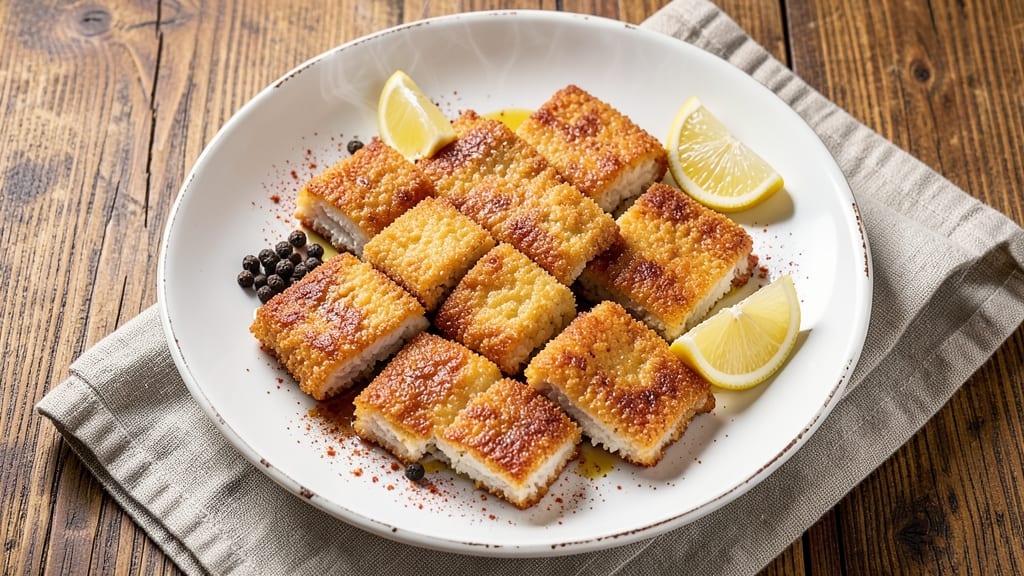
This grouper fish fry recipe delivers crispy, golden fillets that turn simple weeknight dinners into restaurant-worthy feasts. The secret lies in a light cornstarch batter and precise frying technique—no heavy flour mixtures here.
After perfecting this method through years of testing, I can confidently say this recipe delivers results that rival your favorite seafood spot.
This recipe focuses on simplicity without sacrificing flavor or texture. With just five key ingredients and a straightforward process, you'll achieve perfectly golden crusts and tender, moist fillets every time.
The frying technique ensures even cooking, while a well-seasoned batter adds that satisfying crunch. It's the kind of dish that makes seafood feel approachable for home cooks.
By the time you plate your grouper, you'll have a dish that's crispy on the outside and tender on the inside, with flaky fillets that practically melt in your mouth.
The golden-brown crust contrasts beautifully with the juicy interior, creating a texture that's impossible to resist. Serve with lemon wedges and tartar sauce for the full experience.
This recipe works beautifully as a main course for dinner parties or a quick weeknight meal. The method scales easily, making it perfect for feeding a crowd or meal prepping for the week.
Whether you're serving it as a standalone dish or pairing it with sides, this grouper fry delivers professional-quality results with minimal effort.
Ingredients for grouper fish fry
Five core ingredients and a light batter create restaurant-quality grouper fillets every time.
| Ingredient | Amount | Notes |
|---|---|---|
| Grouper Fillets 🐟 | 4 pieces | 6-8 oz each, skinless |
| All-Purpose Flour 🌾 | ½ cup | Light coating for dredging |
| Cornstarch 🌾 | ½ cup | Key for crispy texture |
| Eggs 🥚 | 1 whole | Large, beaten for coating |
| Vegetable Oil 🫒 | 2 cups | High smoke point preferred |
| Salt 🧂 | 1 tsp | Kosher or sea salt |
| Ground Black Pepper 🌶️ | ½ tsp | Freshly ground preferred |
| Garlic Powder 🧄 | ½ tsp | For subtle flavor depth |
| Paprika 🌶️ | ½ tsp | Smoked for color and flavor |
| Lemon Wedges 🍋 | 2 whole | For serving, optional |
| Tartar Sauce 🥫 | ½ cup | Store-bought or homemade |
The grouper is your star—freshness matters most. Look for fillets with bright, translucent flesh and minimal odor at seafood counters like Whole Foods or Trader Joe's. If buying frozen, thaw in the fridge overnight for even cooking. For best results, pat fillets dry with paper towels before dredging—moisture ruins the crisp. The cornstarch is non-negotiable here; it creates that signature golden crust without heaviness. I prefer Bob's Red Mill brand for its fine texture, but any food-grade cornstarch works.
No cornstarch? Substitute arrowroot powder at the same amount—it works nearly as well. The batter ratio is key: equal parts flour and cornstarch ensures crispiness. For extra flavor, add 1/4 tsp cayenne to the flour mix. Vegetable oil is ideal for frying—Avocado oil works too, but avoid olive oil as it burns easily. The lemon wedges and tartar sauce are optional but recommended; they cut through the richness of fried fish beautifully. If you're meal prepping, cook fillets just until golden (about 3-4 minutes per side) and store in an airtight container with parchment between layers to prevent sticking.
Fry immediately after battering for maximum crispiness—these won't reheat well. Keep fried fillets warm in a 200°F oven while serving. The batter mixture stays fresh for 24 hours in the fridge, but cornstarch loses potency after that. For leftovers, store cooked fillets in the fridge for up to 2 days—best reheated in a skillet over medium heat for 1-2 minutes per side. Freezing fried fish isn't recommended due to texture changes, but you can freeze uncooked, battered fillets for up to 1 month before frying.
Why You'll Love This Recipe
- No-Fuss Coating: I swear by the flour-cornstarch mix—it’s lighter than most fry batters but still gives that perfect crunch. Just dredge, dip, repeat: no fancy techniques, no stress.
- Crispy-Creamy Magic: That golden crust hides the most tender fish inside—flaky, buttery, and ridiculously satisfying. The oil stays hot just long enough to seal in all the good stuff.
- Tailgate to Tuesday: Serve it with lemon wedges and tartar sauce for a casual brunch, or pile it high on a bun for game day. Same recipe, endless excuses to make it.
- Budget-Friendly Feast: Grouper’s affordable, and this method stretches every fillet. Leftovers? Toss them in a salad or wrap them in a tortilla—zero waste, all flavor.
Instructions for crispy golden crust grouper fillets
Here's the precise method to achieve restaurant-quality fried grouper with a perfect golden crust and moist interior.
Prepare the Breading Mixture
In a medium bowl, combine the 0.5 cup all-purpose flour, 0.5 cup cornstarch, 1 teaspoon salt, 0.5 teaspoon ground black pepper, 0.5 teaspoon garlic powder, and 0.5 teaspoon paprika. Whisk thoroughly to eliminate any lumps - you want a fine, powdery consistency that will adhere evenly to the fish. This dry mixture creates the foundation for that signature crispy crust.
In a separate shallow dish, crack the 1 whole egg and beat it lightly with a fork until just combined. The egg acts as the binding agent that helps the dry ingredients stick to the fish during frying. Keep both mixtures prepared and ready for immediate use, as we'll be working quickly to maintain the fish's freshness.
Set Up for Frying
Fill a deep skillet or Dutch oven with the 2 cups vegetable oil and heat over medium-high heat until the oil reaches 350°F on a deep-fry thermometer. This temperature is crucial - too low and the crust won't crisp properly, too high and the outside will burn before the inside cooks through. Maintain the oil at this precise temperature throughout the frying process.
To test the oil's readiness, drop in a small piece of the grouper fillet. It should sizzle immediately and float to the surface within 5-10 seconds. This indicates the oil is at the proper temperature for achieving that perfect golden crust while keeping the interior juicy.
Bread and Fry the Grouper
Working with one fillet at a time, pat each grouper fillet dry with paper towels to remove any surface moisture. This step is essential for creating a good crust - any residual moisture will prevent the breading from adhering properly. Dip each fillet first into the beaten egg, allowing any excess to drip off, then press gently into the flour mixture, coating both sides completely.
Carefully lower the breaded fillet into the hot oil using tongs or a slotted spoon. Fry for 3-4 minutes per side until the crust is a deep golden brown color. The fish should maintain its shape without falling apart, and the crust should be crisp enough to hear a faint crunch when tapped. Be patient during this step - proper frying time ensures both the perfect exterior and tender interior.
Drain and Serve Immediately
Transfer the fried grouper to a wire rack or paper towel-lined plate to drain any excess oil. The fish will continue to cook slightly from residual heat, so remove it from the oil when the crust reaches golden brown - it will firm up as it drains. Serve immediately with the 2 whole lemon wedges and 0.5 cup tartar sauce on the side.
For the best presentation and texture, serve the grouper while it's still hot. The crispy crust will begin to soften as it cools, so enjoy it immediately with your preferred dipping sauce. The combination of the golden crust, juicy interior, and tangy lemon creates a perfect balance of textures and flavors in every bite.
Pro Tips For Making Grouper Fish Fry
- Dry the Fillets Thoroughly: Pat the grouper fillets with paper towels until they’re nearly bone-dry—no wet spots. I learned this the hard way when my first batch came out soggy instead of crispy. Wet skin = failed crust.
- Use a 50/50 Flour Mix: Swap half the all-purpose flour for cornstarch in your batter—it’s the thing that matters most for that ultra-crispy, golden crust. The cornstarch absorbs moisture faster, so the coating doesn’t turn greasy.
- Fry in Small Batches: Crowd the pan, and you’ll steam the fish instead of fry it. Drop fillets in with space between them—about 2 inches apart—and resist the urge to add more until the oil’s back to 350°F.
- Rest Before Frying: Let the battered fillets sit on a wire rack for 5 minutes before frying. Sounds weird, but it works: the cornstarch sets up better, so the crust stays intact instead of flaking into the oil.
Wine and beer pairings for grouper fish fry
Crisp White Wine
For fried grouper, I always reach for a dry Riesling or Sauvignon Blanc—both have bright acidity that cuts through the richness of the fried crust while complementing the fish's natural sweetness.
A German Riesling like Dr. Loosen Blue Slate ($20) offers mineral notes that pair beautifully with the cornstarch batter. For a budget-friendly option, New Zealand Sauvignon Blanc from Oyster Bay ($15) delivers zesty citrus flavors that refresh your palate. Serve slightly chilled to enhance the wine's crispness. 🍷
Light Beer Options
A wheat beer or pilsner works perfectly with fried grouper. I love Blue Moon Belgian White ($6) for its coriander and citrus notes that mirror the lemon wedges in the recipe.
For a more robust option, try a German Pilsner like Warsteiner ($5) which balances the fried fish's richness with its clean, malty profile. Avoid heavy lagers or stouts—they'll overpower the delicate flavors. 🍺
Citrus-Infused Sparkling
If you prefer something bubbly, a Prosecco or Cava with a citrus twist elevates the dish. I recommend La Marca Prosecco ($15) for its bright apple and pear notes that complement the grouper's natural sweetness.
For a Spanish option, Freixenet Cordon Negro Cava ($12) offers a crisp, dry finish that pairs exceptionally well with the tartar sauce. Serve in flutes to maintain the bubbles' effervescence. ✨
Regional Beer Pairings
In coastal regions like Charleston, SC, a local craft lager like Highland Brewing Company's Carolina Gold ($7) pairs wonderfully with fried grouper. Its light body and subtle hop bitterness enhance the dish's crispy texture without competing.
For a Florida-inspired twist, try Guinness ($6)—the roasted malt notes create an unexpected but delicious contrast with the fish's delicate flavor. 🌊
Non-Alcoholic Refreshers
For a non-alcoholic option, a sparkling lemonade or ginger beer works beautifully. Mix San Pellegrino Aranciata ($4) with a splash of fresh lemon juice for a fizzy, citrusy drink that cleanses the palate.
For a spicier kick, Feast Beer's Ginger Beer ($5) complements the fried grouper's richness with its bold ginger flavor. Serve over ice for a refreshing finish. 💛
Nutrition facts
Frequently asked questions
Can I use frozen grouper for this recipe?
Yes, but thaw it properly first! Place frozen grouper fillets in the refrigerator overnight (about 12-24 hours) for even cooking. Never thaw at room temperature, as this can promote bacterial growth. Pat the fillets completely dry with paper towels before breading to ensure maximum crispiness.
How do I keep the batter from falling off?
Dry the fillets thoroughly before breading—this is the #1 secret! Use paper towels to blot away all moisture. Also, coat the fish in egg first, then press firmly into the flour mixture. For extra adhesion, chill the breaded fillets in the fridge for 10-15 minutes before frying.
What's the best oil for frying grouper?
Use vegetable or avocado oil with a high smoke point (350°F). Avoid olive oil—it burns easily and creates bitter flavors. Reuse oil for 2-3 batches max, then strain and store for future use. Keep oil temperature consistent with a thermometer for perfect results every time.
Can I make this recipe ahead of time?
Not ideal—fried grouper is best served immediately. However, you can prep the batter mixture 24 hours ahead and store it in the fridge. For leftovers, keep cooked fillets in an airtight container for up to 2 days and reheat gently in a skillet (not microwave) for 1-2 minutes per side.
What sides pair best with fried grouper?
Classic options include coleslaw, roasted potatoes, or grilled corn. For a lighter meal, serve with a fresh garden salad and lemon wedges. The crispy texture contrasts beautifully with creamy sides or tangy sauces like tartar or remoulade.