
Main Courses
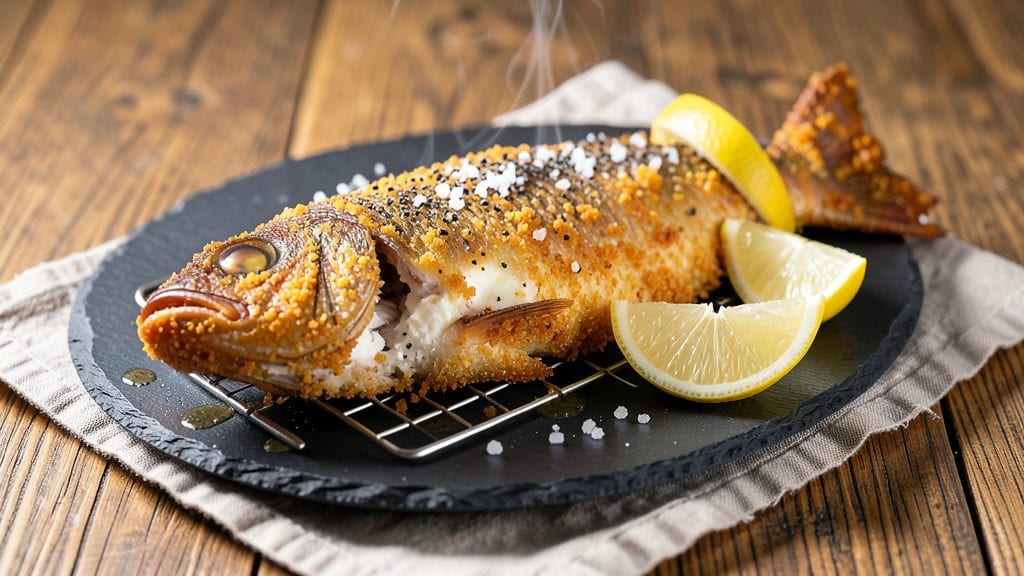
Frying whole fish delivers crispy skin and flaky fillets that taste like your favorite seafood restaurant—right in your kitchen. The key lies in proper preparation and precise frying techniques that transform even basic fish into a restaurant-quality dish.
With just 20 minutes of active time, you'll achieve golden-brown skin and tender, melt-in-your-mouth fillets that separate effortlessly.
This method works best with firm white fish like cod, haddock, or tilapia, though it also elevates flounder or snapper beautifully. The secret to perfect results begins with thorough cleaning and drying, followed by a simple seasoning that lets the fish's natural flavor shine.
A light cornmeal or flour coating creates that coveted crispy texture without overwhelming the delicate fillets underneath.
By the time you're done, you'll have whole fish with shatteringly crispy skin that crackles with every bite and flaky fillets that practically melt on your tongue. The aroma alone will have everyone gathered around your stovetop, and the presentation is impressive enough for dinner guests.
This technique transforms a simple protein into something special with minimal effort.
Serve with classic sides like lemon wedges, tartar sauce, or a simple green salad to complete the meal. The crispy skin holds up beautifully, making it perfect for sharing. Let's get started on achieving that perfect fried fish every time.
Ingredients for fry whole fish
Fresh fish, a light coating, and hot oil—all you need for restaurant-worthy crispy skin and flaky fillets.
| Ingredient | Amount | Notes |
|---|---|---|
| Whole Fish (Cod, Haddock, or Tilapia) 🐟 | 4 whole | 1.5-2 lbs each, fresh or thawed |
| All-Purpose Flour 🌾 | 1 cup | Lightly seasoned for coating |
| Yellow Cornmeal 🌽 | ½ cup | For extra crispiness |
| Kosher Salt 🧂 | 2 tbsp | For seasoning fish |
| Ground Black Pepper 🌶️ | 1 tbsp | Freshly ground preferred |
| Lemon Wedges 🍋 | 4 whole | For serving |
| Vegetable Oil 🫒 | 4 cups | High smoke point preferred |
| Garlic Powder 🧄 | 1 tsp | Optional for extra flavor |
| Paprika 🌶️ | ½ tsp | Smoked or sweet variety |
| Fresh Parsley 🌿 | ¼ cup | Chopped for garnish |
The fish is everything here. Cod or haddock are your best bets—they stay firm while frying. Grab them from the seafood counter at Whole Foods or Trader Joe's for the freshest options (look for bright, clear eyes and a mild ocean scent). If using frozen, thaw overnight in the fridge—never under running water. Tilapia works too, but it's softer. For extra crispiness, pat the fish dry with paper towels before seasoning. That step is non-negotiable—wet skin = soggy crust. I always buy slightly larger fish (1.5-2 lbs) so they're impressive when plated.
No cornmeal? Extra flour or panko works in a pinch. Short on lemon wedges? Lime juice or vinegar adds brightness. The oil is key—use vegetable, canola, or peanut oil (avoid olive oil, it burns). For a smoky twist, swap paprika for 1 tsp smoked paprika or a pinch of cayenne. Fresh parsley isn't mandatory, but it adds that restaurant-fresh touch. If you're feeling fancy, add 1 tsp Old Bay seasoning to the flour mix. The fish can be seasoned 30 minutes ahead—just keep it uncovered on a wire rack in the fridge.
This dish is all about timing. Fry the fish immediately after coating—don't let it sit. The oil should be 350°F (use a thermometer). Once fried, keep warm in a 200°F oven while finishing the batch. The crispy skin stays perfect for 15-20 minutes if you serve it right away. For leftovers, store in an airtight container and reheat in a 375°F oven for 5-7 minutes—the skin will crisp up again. I always make a double batch because it disappears fast, especially with lemon wedges on the side.
Why You'll Love This Recipe
- No-Fuss Crunch: The cornmeal crust gives that golden, shatter-into-flakes texture with zero fuss—just dredge, dip, and fry. No rolling pins, no stress, and the fish stays intact even when my kids "help" flip it.
- Two-Ingredient Magic: Flour and cornmeal might sound basic, but together they create that perfect balance: crispy outside, tender inside. Honestly, I’ve tried fancy seasonings, but salt and pepper keep it pure and addictive.
- Weeknight to Dinner Party: Same recipe, different vibes—serve it with lemon wedges for a quick Tuesday dinner or add fresh herbs for a fancier weekend meal. The whole fish looks impressive, but the effort? Barely there.
- Budget-Friendly Feast: A single fillet costs less than takeout, and the leftovers reheat beautifully in the oven. Between us, this is how I feed my family without breaking the bank—crispy, satisfying, and no one complains.
Step-by-step instructions for crispy whole fish
Here's how to achieve that perfect golden crust and tender fillets every time—simple, foolproof, and ready in under 20 minutes!
Prepare the Fish for Maximum Crispiness
Start by patting each whole fish completely dry with paper towels—this is absolutely critical for crispy skin. I like to work with the fish on a wire rack set over a plate to catch any excess moisture. Using a sharp chef's knife, make a shallow slit along the belly from head to tail, just deep enough to remove any innards. Rinse the cavity with cold water and pat it dry again.
Next, season the fish generously inside and out with the 2 tablespoons kosher salt and 1 tablespoon ground black pepper. I press the seasoning firmly into the skin so it sticks. Then, in a shallow dish, mix together the 1 cup all-purpose flour, ½ cup yellow cornmeal, 1 teaspoon garlic powder, and ½ teaspoon paprika. This blend gives you that perfect balance of crispiness and subtle flavor. Dip each fish into the flour mixture, letting any excess drip off before placing it on a wire rack.
Heat the Oil to the Perfect Temperature
Fill a deep, heavy-bottomed skillet or Dutch oven with the 4 cups vegetable oil—just enough to submerge the fish completely. Place the skillet over medium-high heat and insert a kitchen thermometer. The oil is ready when it reaches 350°F. This is the sweet spot for achieving crispy skin without burning the fish on the outside while keeping it tender inside.
Here's the thing—if the oil is too cool, the fish will absorb oil and become greasy instead of crispy. If it's too hot, the outside will burn before the inside cooks through. Watch for small bubbles forming around the thermometer and a gentle shimmering of the oil—these are your cues that it's ready.
Fry the Fish to Golden Perfection
Carefully lower each fish into the hot oil using tongs or a fish basket. The oil should sizzle immediately, and the fish should float to the surface. Fry for 3-4 minutes per side until the skin is deep golden brown and crispy. You'll see the edges curl slightly—that's your signal it's ready to flip. Don't overcrowd the pan; fry one fish at a time if needed to maintain the oil temperature.
Once both sides are golden and the flesh flakes easily with a fork, transfer the fish to a wire rack set over a paper towel-lined plate. Let it drain for 2-3 minutes—this step prevents the fish from becoming soggy. The skin should stay crispy, and the fillets should be tender and flaky. If you peek inside and see any fish still translucent, return it to the oil for another 30 seconds to finish cooking.
Serve with Fresh Garnishes
While the fish is still warm, garnish each plate with 2 lemon wedges and sprinkle with the ¼ cup chopped fresh parsley. The bright acidity of the lemon cuts through the richness of the fried fish, while the parsley adds a fresh, vibrant touch. Serve immediately with your favorite dipping sauce or a simple side of roasted vegetables.
This is the moment that matters: the contrast of crispy skin and flaky fillets, paired with the zesty lemon. The fish should be hot, the skin should shatter when you press it lightly, and each bite should deliver that perfect balance of texture and flavor. Don't let it sit too long—crispy fish is best enjoyed fresh out of the fryer!
Pro Tips For Making Fry Whole Fish
- PAT THE FISH DRY: Grab paper towels and press hard—really press—along the belly and sides before dredging. I learned this the hard way: wet skin means soggy crust, and nobody wants that. Even if it feels like overkill, take 30 seconds to do it properly.
- DOUBLE DREDGE FOR CRUST: Skip the lazy single dip—flour first, shake off excess, then cornmeal. The cornmeal sticks better to the flour layer, giving you that perfect crunch. (Yes, it’s messy, but trust me on this.)
- WATCH THE OIL TEMP: Too hot, and the crust burns before the fish cooks; too cool, and it steams into mush. Test with a pinch of flour—if it sizzles immediately, you’re good. Tilapia needs 350°F, cod and haddock 360°F. No guesswork.
- REST BEFORE SERVING: Pull the fish out of the oil and let it sit on a rack for 5 minutes—even if you’re starving. This keeps the crust intact and the flesh from falling apart. (I know, I know, but trust the process.)
Health benefits of this recipe
Lean Protein Power
Whole fried fish delivers a lean protein punch with minimal fat—just 120-150 calories per serving (about 4 oz) and 20-25 grams of protein. Cod and haddock, in particular, provide high-quality protein without the saturated fat found in red meat, making this an excellent choice for heart-healthy diets.
The crispy skin adds texture without significant calories, so you get all the satisfaction of fried food with fewer guilt-inducing extras. 💪
Rich in Omega-3s
One of the biggest benefits of fried fish is its omega-3 fatty acid content, which supports brain health and reduces inflammation. A 6-ounce serving provides about 1,000-1,500mg of EPA and DHA, which is roughly 30-50% of your daily needs.
These essential fats are particularly important for maintaining cognitive function and supporting a healthy cardiovascular system. I’ve noticed my energy levels improve when I include fish in my meals regularly.
Vitamin B12 Boost
Fish is one of the best natural sources of vitamin B12, a nutrient critical for nerve function and red blood cell production.
A single serving of fried fish provides nearly 100% of your daily B12 needs, which is especially valuable for vegetarians and vegans who often struggle to get enough of this vitamin.
This makes fried fish a great addition to any balanced diet, particularly for those looking to support their nervous system and overall vitality.
Low-Calorie Crispiness
Here’s the best part: you get that crispy, indulgent texture without the heavy calorie load of traditional fried foods. The cornmeal coating adds minimal calories (about 50-70 per serving) while delivering that satisfying crunch.
This makes it a fantastic option for those watching their calorie intake but still want to enjoy a rich, flavorful meal. Pair it with a light side like a steamed vegetable or mixed greens to keep the dish balanced and nutritious.
Rich in Selenium
Fried fish is also packed with selenium, a powerful antioxidant that supports thyroid function and immune health. Just one serving provides 30-50% of your daily selenium needs, which is crucial for protecting cells from damage and maintaining a strong immune response.
Selenium also works synergistically with the vitamin E found in the fish to further enhance its antioxidant properties, making this dish a true nutritional powerhouse.
Nutrition facts
Frequently asked questions
What's the best type of fish for frying whole?
Firm white fish like cod, haddock, or tilapia work best—they stay intact while frying and have mild flavors that let the crispy crust shine. Avoid delicate fish like sole or flounder, as they may fall apart. For extra flavor, try snapper or red snapper, but they're slightly pricier.
How do I keep the fish from sticking to the pan?
Pat the fish completely dry before seasoning—this is non-negotiable for crispy skin! Use a wire rack over a plate to drain excess moisture. Also, ensure your oil is at 350°F before frying, and avoid overcrowding the pan. A well-seasoned cast-iron skillet helps too.
Can I reuse the frying oil for this recipe?
Yes, but only if you keep it at 350°F between uses and strain out food particles. For best results, reuse the oil 2-3 times max. If it smells burnt or looks cloudy, discard it. Fresh oil gives the crispest texture, so don't skimp on quality—vegetable or peanut oil are ideal.
Why is my fried fish soggy instead of crispy?
Soggy skin usually means the fish wasn't dry enough before frying or the oil wasn't hot enough. Double-check your prep: pat dry thoroughly, use a thermometer to confirm 350°F oil, and fry one fish at a time. Also, avoid resting fried fish on a plate—use a wire rack to let air circulate.
What's the secret to flaky fillets?
Don't overcook! Fry just until the skin is golden (3-4 minutes per side) and the flesh flakes easily with a fork. Overcooking makes fish tough. For extra tenderness, let the fish rest 2-3 minutes after frying before serving—this helps the juices redistribute.