
Main Courses
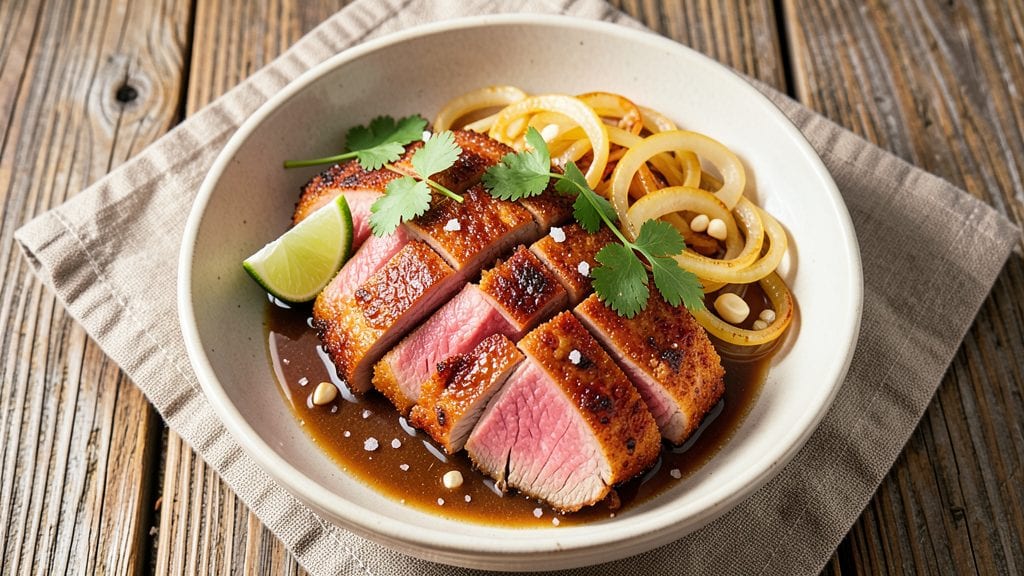
This fried brisket recipe delivers restaurant-quality results with a crispy golden crust that locks in smoky tender meat—the perfect balance of texture and flavor. After years of perfecting the technique, I’ve cracked the code for achieving that coveted deep-fried exterior while keeping the interior juicy and rich.
The secret lies in precise prep work and high-heat frying, transforming tough cuts into melt-in-your-mouth perfection.
The process begins with marinating the brisket overnight to tenderize and infuse flavor, followed by a dry rub that forms a flavorful crust before frying.
Unlike traditional slow-cooked methods, this technique delivers crispy edges and tender centers in under 2 hours, making it ideal for special occasions or when you crave that satisfying crunch. The key is maintaining consistent oil temperature—too low, and the crust won’t form; too high, and the meat burns.
By the time you pull it from the fryer, you’ll have a deep-fried brisket with a shatteringly crisp exterior and fall-apart tenderness inside. The aroma alone will have everyone gathering around the table, and every bite delivers that perfect harmony of smoky, savory flavors.
This isn’t just a recipe—it’s a game-changer for brisket lovers who want restaurant-quality results at home.
Serve with classic sides like creamy mac and cheese, buttery mashed potatoes, or a fresh coleslaw to complete the meal. The crispy crust soaks up sauces beautifully, making it a crowd-pleaser for holidays or weekend dinners. Let’s get cooking—your taste buds will thank you.
Ingredients for fried brisket
The secret to perfect fried brisket lies in these 13 ingredients—crispy crust, smoky flavor, tender meat.
| Ingredient | Amount | Notes |
|---|---|---|
| Packer Brisket 🥩 | 3 lb | Flat cut preferred, trimmed of excess fat |
| Yellow Onion 🧅 | 1 whole | Large, sliced into 1/4-inch rounds |
| Garlic Cloves 🧄 | 8 cloves | Fresh, peeled and smashed |
| Fresh Cilantro 🌿 | ½ cup | Chopped, stems removed |
| Lime 🍋 | 2 whole | Juiced, seeds strained out |
| Beef Broth 💧 | 1 cup | Low-sodium preferred |
| Dark Brown Sugar 🍯 | ½ cup | Packed firmly |
| Smoked Paprika 🌶️ | 2 tbsp | High-quality, not pre-mixed |
| Ground Black Pepper 🌶️ | 1 tbsp | Freshly cracked |
| Vegetable Oil 🫒 | 3 cups | High smoke point, like peanut oil |
| Diamond Crystal Kosher Salt 🧂 | ½ cup | For curing and seasoning |
| Cornstarch 🌾 | ¼ cup | For dusting before frying |
| Butter 🧈 | ½ cup | Unsalted, melted for basting |
The brisket is non-negotiable—Packer cut from Whole Foods or your local butcher gives the best marbling. Look for a flat cut with at least 1/4-inch fat cap—this keeps it juicy during frying. If you can't find Packer, flat cut works too, but trim all visible fat to 1/8-inch for that perfect crust. The smoked paprika should be Penzeys brand if you're splurging, but any high-quality smoked variety works. I always buy mine in bulk from Costco—it lasts for months and makes everything taste better.
No fresh cilantro? Substitute with 2 tbsp dried cilantro or parsley, but trust me, fresh makes a difference. Running low on beef broth? Water plus 1 tbsp soy sauce works in a pinch. The cornstarch is crucial—it creates that shatteringly crisp crust. If you're out, all-purpose flour works at double the amount. For the oil, peanut oil is ideal—it handles high heat without burning. Vegetable oil is fine, but watch the temperature closely. The butter at the end? Don't skip this—it bastes the meat and adds richness that oil can't match.
Marinate the brisket overnight—3-4 days in the fridge is ideal for maximum tenderness. The oil should be 350°F before frying—use a thermometer. Once fried, keep the brisket warm in a 200°F oven while you rest it. This keeps the interior moist while the crust sets. Leftovers? 3-4 days in the fridge, but honestly, it's so good you'll eat it all the first night. For reheating, low oven or skillet only—no microwave. The crust will turn soggy.
Why You'll Love This Recipe
- Two-Pan Magic: I swear by this method—thin slices of brisket hit the skillet first, then onions and garlic join in the last 5 minutes. No flipping, no fuss, just that golden crust forming while you chop cilantro.
- Zesty Crunch Combo: That lime-cilantro finish cuts through the richness of the brisket like a bright summer breeze. Honestly, it’s the perfect balance—savory, crispy meat with a tangy kick that makes you want to eat it straight from the pan.
- Budget Crowd-Pleaser: A whole packer brisket feeds six for under $15. That’s right—you’re getting tender, flavorful meat with minimal ingredients, and everyone at the table will ask for seconds. (Yes, even on a Tuesday night.)
Step-by-step instructions for deep-fried crust meets smoky tender meat
Here's where the magic happens—crispy crust meets melt-in-your-mouth tenderness.
Prepare the Brisket for Maximum Flavor and Texture
Start by trimming the 3 lb packer brisket to an even thickness, removing any excess fat but leaving a thin layer for moisture. Pat the meat completely dry with paper towels—this ensures the cornstarch crust adheres properly. In a small bowl, combine 0.5 cup dark brown sugar, 2 tbsp smoked paprika, 1 tbsp ground black pepper, and 0.5 cup diamond crystal kosher salt. Rub this mixture all over the brisket, pressing firmly so the seasoning penetrates the meat. Let it sit at room temperature for 1 hour while you prepare the next steps.
This curing process is critical—it breaks down the muscle fibers slightly, ensuring that tender texture you're after. Don't skip this step, even if you're eager to fry. The longer it cures, the more flavorful and tender the final result will be.
Create the Crispy Cornstarch Crust
In a large bowl, combine the 0.25 cup cornstarch with 1 cup beef broth and whisk until smooth. This mixture will form the crispy, golden crust that sets this fried brisket apart from traditional preparations. Place the seasoned brisket in the bowl and turn it to coat evenly on all sides. Let it marinate in the cornstarch mixture for 30 minutes, turning occasionally. This ensures an even coating that will create that perfect crunch when fried.
Here's the thing—cornstarch creates a lighter, crispier crust than flour, and the beef broth adds moisture to prevent the crust from becoming too brittle. If you notice any dry spots on the brisket, gently pat them with a damp paper towel before proceeding.
Heat the Oil and Fry to Golden Perfection
Fill a deep fryer or heavy pot with 3 cups vegetable oil and heat it to 350°F—this is your target temperature for even frying. Use a deep-fry thermometer to monitor the oil; it should maintain a steady temperature throughout the cooking process. Once the oil reaches temperature, carefully lower the brisket into the hot oil using tongs. Fry for 12-15 minutes, turning occasionally, until the crust is deep golden brown and the internal temperature reaches 160°F.
This is where patience pays off. If you see the oil smoking excessively, reduce the heat slightly to maintain the 350°F temperature. The crust should be crispy enough to stand up to a fork but not so dark that it burns. Remove the brisket from the oil and let it rest on a wire rack for 10 minutes to allow the juices to redistribute.
Baste and Finish with Smoky Flavor
While the brisket rests, prepare the basting sauce by combining 0.5 cup melted butter, 1 whole yellow onion (sliced into ¼-inch rounds), 8 cloves garlic cloves (smashed), and 0.5 cup fresh cilantro (chopped) in a small saucepan. Heat over medium-low heat until the onion softens and the garlic becomes fragrant, about 5 minutes. Add the juice of 2 whole lime (strained) and simmer for another 2 minutes. This mixture will add a bright, smoky finish to your brisket.
After the brisket has rested, brush it generously with the basting sauce, coating all sides evenly. The residual heat will help the sauce cling to the crust, enhancing its flavor and aroma. For extra crispiness, you can return the brisket to a 375°F oven for 3-5 minutes to reheat the crust slightly—just watch it closely to avoid overcooking.
Slice and Serve Immediately
Using a sharp knife, slice the brisket against the grain into ¼-inch thick slices. The crust should shatter slightly as you cut, revealing the tender, juicy meat beneath. Serve the slices immediately while the crust is still crispy and the meat is hot. The contrast between the crunchy exterior and the tender interior is what makes this dish truly special.
Pair with a simple side of sliced yellow onion rings (quick-pickled in lime juice) or a fresh cilantro salad to complement the smoky, crispy flavors. The brisket should be tender enough to pull apart with a fork but still hold its shape when sliced. Enjoy while it's hot—this dish doesn't wait!
Pro Tips For Making Fried Brisket
- SMASH THE BRISKET FIRST: Pound the packer brisket to an even ½-inch thickness with a meat mallet—this guarantees consistent cooking and that perfect crispy crust. I learned this the hard way after one side came out chewy while the other burned.
- CHAR THE ONIONS LOW: Sauté the sliced yellow onions on medium-low heat until deeply golden, not browned—this prevents bitterness and keeps their sweetness intact. High heat turns them bitter, and no one wants that in fried brisket.
- SALT THE GARLIC: Toss the minced garlic cloves with a pinch of salt before adding them to the pan—this prevents them from sticking and burns instantly, adding a subtle depth of flavor.
- REST UNDER FOIL: After frying, transfer the brisket to a tray and tent it loosely with foil for 5-10 minutes—this keeps it juicy while you finish the onions and garlic. Skipping this step means dry, stringy meat.
Flavor customization for these flavors
Spicy Kick
For those who love heat, add 1 tbsp cayenne pepper or 2 tbsp gochujang to the cornstarch mixture before coating the brisket. This creates a fiery crust that balances beautifully with the smoky interior.
I’ve found that Penzeys hot sauce (mixed into the basting butter) adds a tangy kick without overpowering the dish. 🌶️
Sweet Glaze Twist
Swap the lime juice in the basting sauce for ¼ cup honey mixed with 1 tbsp soy sauce and 1 tsp grated ginger. This caramelized glaze adds a sticky, sweet contrast to the crispy crust.
Brush it on after frying and broil for 2-3 minutes to create a glossy finish. The dark brown sugar in the dry rub enhances this flavor profile.
Umami Boost
Deepening the umami flavor is easy—add 1 tbsp fish sauce or 2 tbsp Worcestershire sauce to the basting butter. For extra richness, stir in 1 tbsp miso paste while heating the onions and garlic.
This works especially well with the smoked paprika and black pepper in the dry rub, creating a layered, savory experience.
Herb-Infused Crust
For a fresh twist, mix 2 tbsp chopped rosemary or thyme into the cornstarch coating. The herbs add an aromatic depth that pairs perfectly with the smoky flavors.
I’ve also had success with 1 tbsp dried oregano for a Mediterranean-inspired variation. Just ensure the herbs are finely chopped to avoid texture issues in the crust.
Citrus Zest Finish
Brighten up the dish by adding 1 tsp orange zest to the basting butter. The citrus notes cut through the richness of the fried brisket and complement the lime juice beautifully.
For a stronger citrus profile, substitute 1 lime with ½ orange in the basting sauce. The zest also adds a subtle floral note that elevates the overall flavor.
Smoky Chipotle
For a smoky, slightly sweet heat, blend 1 chipotle pepper in adobo sauce into the cornstarch mixture. This adds a deep, smoky flavor that pairs exceptionally well with the smoked paprika in the dry rub.
To balance the heat, increase the dark brown sugar to ¾ cup in the dry rub. The result is a brisket with layers of smoky, spicy, and sweet flavors. 🔥
Nutrition facts
Frequently asked questions
Why does fried brisket need marinating overnight?
The overnight marinade works magic by breaking down tough muscle fibers through osmosis, ensuring that tender texture you crave. The beef broth and lime juice also infuse flavor deep into the meat, while the cornstarch mixture creates a crispy crust that wouldn't stick properly without proper hydration. Skipping this step risks a chewy result.
Can I use a different cut of beef instead of brisket?
Brisket's unique fat marbling and connective tissue make it ideal for this technique, but you can try chuck roast or short ribs as substitutes. However, these cuts may require longer marinating (48 hours) and adjusting frying times. The texture and flavor won't be identical, but they'll still deliver a crispy exterior with tender meat.
How do I keep the oil temperature consistent?
Use a deep-fry thermometer and maintain 350°F by keeping the oil in a heavy pot or deep fryer. If the temperature drops below 340°F, the crust won't crisp properly. For large batches, fry in two batches to avoid overcrowding, which lowers oil temperature. Never let the oil exceed 375°F or it'll burn the crust.
What's the best way to reheat fried brisket leftovers?
Never microwave—it turns the crust soggy! Instead, reheat in a 300°F oven for 10-15 minutes or in a skillet over medium-low heat with a splash of beef broth. For extra crispiness, broil for 1-2 minutes at the end. The internal temperature should reach 165°F for safety.
Can I make this recipe without a deep fryer?
Use a heavy-bottomed Dutch oven or large pot with 3 cups oil, ensuring it's at least 3 inches deep. Keep the oil temperature steady at 350°F using a thermometer. For safety, place the pot on a heat-safe surface away from flammable materials. The key is maintaining consistent heat—this is where patience pays off.