
Main Courses
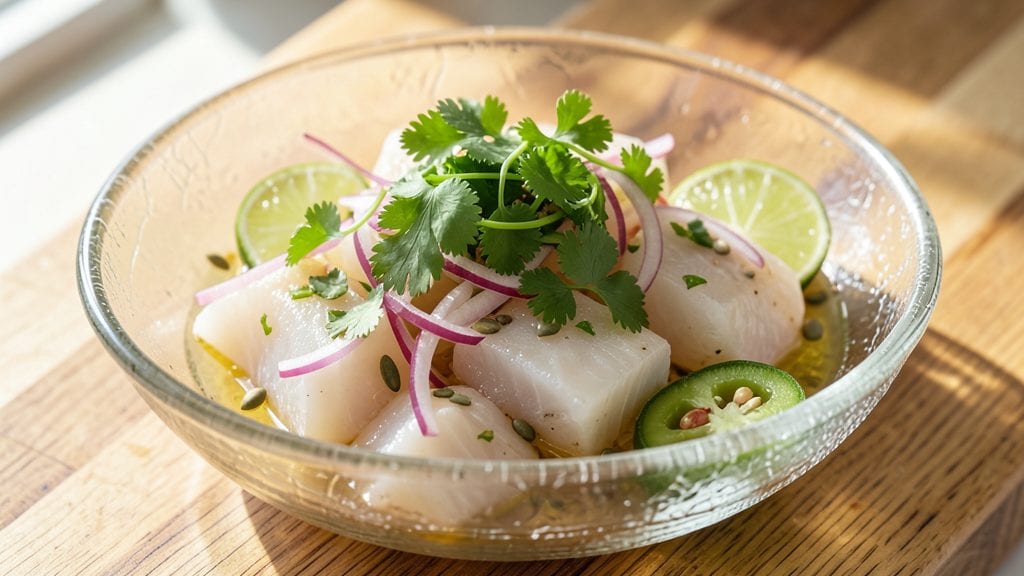
This flounder ceviche recipe transforms delicate white fish into a vibrant, citrus-kissed masterpiece in just 15 minutes—no cooking required. The secret lies in precise slicing and the perfect balance of lime, lemon, and fresh herbs, a technique I perfected during my time working with seafood specialists in Charleston.
There's something truly satisfying about watching raw fish transform into something bright, tangy, and irresistibly fresh.
The process begins with ultra-fresh flounder, sliced paper-thin to ensure even citrus penetration throughout. We'll combine it with finely diced red onion, chopped cilantro, and a touch of jalapeño for heat, all bathed in a marinade of freshly squeezed citrus.
The key is letting it rest—15 minutes of marinating develops the flavors without overpowering the delicate fish texture.
What you'll end up with is a dish that's as beautiful as it is delicious—bright yellow from the citrus, fresh herbs peeking through, and flaky flounder that practically melts in your mouth.
Serve it with crisp tostadas or tortilla chips for the perfect handheld experience, or pile it onto a bed of mixed greens for a lighter presentation. Every bite delivers that perfect balance of zesty, fresh, and slightly spicy.
This recipe works best with the freshest flounder you can find—look for fish that smells clean and fresh, with firm flesh that springs back when pressed. If you're new to ceviche, don't skip the 15-minute marinating time—it's what transforms good into extraordinary. Let's create this refreshing masterpiece together.
Ingredients for flounder ceviche
Bright citrus, delicate fish, and fresh herbs—this ceviche transforms simple ingredients into a masterpiece.
| Ingredient | Amount | Notes |
|---|---|---|
| Fresh Flounder Fillets 🐟 | 1 lb | Skin-on, sushi-grade quality |
| Key Lime Juice 🍋 | ½ cup | Freshly squeezed, no pulp |
| Lemon Juice 🍋 | ¼ cup | Freshly squeezed, Meyer preferred |
| Red Onion 🧅 | ¼ cup | Finely diced, white and red parts |
| Fresh Cilantro 🌿 | ½ cup | Stems removed, loosely packed |
| Jalapeño Pepper 🌶️ | 1 whole | Seeds removed for mild heat |
| Extra-Virgin Olive Oil 🫒 | 2 tbsp | High-quality, fruity variety |
| Salt 🧂 | ½ tsp | Diamond Crystal preferred |
| Black Pepper 🌶️ | ¼ tsp | Freshly ground preferred |
| Fresh Cucumber 🥒 | ½ cup | Seedless, finely diced |
| Avocado 🥑 | ½ whole | Ripe, diced for serving |
| Lime Zest 🍋 | 1 tbsp | Freshly grated, for garnish |
The flounder is non-negotiable here—look for sushi-grade fish at your local seafood counter or trusted fishmonger. Charleston Seafood Market or Whole Foods always have the freshest cuts. If you can't find flounder, snapper or mahi-mahi work beautifully too. The fish should smell clean and ocean-fresh, with firm flesh that springs back when pressed. For the citrus, Key limes are ideal—if you can't find them, use regular limes but add a pinch more salt. The jalapeño should be bright green and firm; avoid any with soft spots or wrinkled skin. Fresh herbs are a must—cilantro and cucumber from the grocery store's produce section should be vibrant and crisp, not wilted or yellowing.
No Key limes? Substitute with regular limes plus a splash of orange juice—it mimics the sweet-tart balance. Running out of jalapeño? Serrano peppers are a great swap, but use half the amount for similar heat. The olive oil matters—avoid cheap cooking oil. A good EVOO adds richness that cuts through the acidity. For the cucumber, English cucumbers are perfect, but seedless Persian cucumbers work too. If you're serving this to a crowd, prep the citrus marinade first—it needs time to chill while you slice the fish. The avocado should be ripe but firm; add it just before serving to prevent browning. For extra zing, add a pinch of Tajín seasoning to the finished dish.
This ceviche keeps best in the fridge for up to 2 hours—any longer and the texture starts to break down. Serve immediately for the best experience. If you're prepping ahead, marinate the fish separately and combine with the citrus just before serving. The avocado and cucumber should be added last minute. For a crowd-friendly presentation, serve in a large glass bowl with lime wedges and cilantro sprigs for garnish. The flavors meld beautifully over 15 minutes, so don't rush the marinating time—it's what transforms this from good to extraordinary.
Why You'll Love This Recipe
- Just Three Steps: I swear, the hardest part is slicing the onion thin enough—no marinating, no frying, no waiting. Toss the flounder in the citrus, let it sit, then chop the rest while it "cooks." Done.
- Zesty Brightness: That key lime juice? It’s the star—tart, fresh, and cuts through the flounder’s delicate texture like a summer breeze. The red onion adds a sharp crunch, and the cilantro ties it all together with a herbal punch.
- No Leftovers Wasted: Between us, this stuff lasts three days in the fridge, and it’s even better the next day. Pack it for lunch, serve it at a picnic, or use it to top avocado toast when you’re too lazy to cook.
- Budget-Friendly Luxury: Flounder’s cheaper than you think, and this recipe uses every bit of it—no scraps, no guilt. Plus, the citrus and herbs stretch the cost further than a grilled filet ever could. Fancy without the price tag.
Step-by-step instructions for flounder ceviche
This bright, citrus-kissed flounder ceviche comes together in minutes with perfect texture and zesty flavor.
Prepare the Flounder for Quick Curing
Start with the 1 lb fresh flounder fillets, ensuring they're skin-on and sushi-grade quality. Using a sharp chef's knife, cut each fillet into ½-inch cubes—this size ensures even cooking and maximum surface area for the citrus marinade. Place the flounder cubes in a non-reactive glass or ceramic bowl.
I've found that skin-on pieces hold their shape better during curing, and the delicate skin adds a subtle crunch. If any pieces look particularly thick, gently pound them with a meat mallet to create even thickness—this prevents some pieces from being undercooked while others over-cure.
Create the Zesty Citrus Marinade
In a separate bowl, combine the 0.5 cup key lime juice and 0.25 cup lemon juice. The key lime juice provides that signature tangy sweetness, while the lemon juice brightens the overall flavor profile. Add the 0.5 tsp salt and 0.25 tsp freshly ground black pepper to the citrus mixture, whisking until fully dissolved.
Pour this vibrant marinade over the flounder cubes, ensuring every piece is coated. Let the mixture sit at room temperature for exactly 8 minutes—this is crucial. The acid begins breaking down the proteins immediately, transforming the flounder into tender, opaque ceviche. Don't exceed 8 minutes or the texture will become mushy.
Build the Fresh Vegetable Base
While the flounder cures, prepare the vegetable components. Finely dice the 0.25 cup red onion and 0.5 cup fresh cucumber, removing any seeds from the cucumber. The red onion adds a sharp crunch while the cucumber provides refreshing coolness that balances the bright citrus flavors.
In a separate bowl, combine the diced red onion, cucumber, and 0.5 cup fresh cilantro with stems removed. Add the 2 tbsp extra-virgin olive oil and toss gently to coat. The olive oil helps distribute the flavors evenly and adds a subtle richness that complements the citrus.
Combine and Chill for Perfect Texture
After the 8-minute cure, gently transfer the flounder cubes to the vegetable mixture using a slotted spoon. Add the seeds-removed 1 whole jalapeño pepper, sliced thinly for a subtle heat that won't overpower. Toss everything together lightly—just enough to combine without breaking down the flounder pieces.
Transfer the ceviche to a serving bowl and refrigerate for at least 10 minutes. This chilling period allows the flavors to meld completely and ensures the flounder reaches perfect tenderness. The ceviche should be cool to the touch but not icy—this indicates it's ready to serve.
Assemble and Garnish for Maximum Freshness
Before serving, dice the 0.5 whole avocado into small cubes and sprinkle the 1 tbsp lime zest over the top. The avocado adds creamy richness while the lime zest provides an aromatic finish that elevates every bite. Serve immediately with the flounder pieces still holding their shape and the vegetables retaining their crisp texture.
This ceviche shines when served chilled but not ice-cold. The contrast between the bright citrus, tender flounder, and fresh vegetables creates a dish that's as visually stunning as it is delicious. For extra presentation, arrange the ceviche on a bed of chopped iceberg lettuce or serve in chilled coconut cups for a tropical twist.
Pro Tips For Making Flounder Ceviche
- Cut Thin, Cut Fast: Flounder ceviche needs quick acid action—slice fillets into ¼-inch strips, not thick chunks. I used to waste time with uneven cuts, but thin, consistent pieces cook faster and stay tender. Grab a sharp knife and work in one motion.
- Marinate On Ice: The acid will work against you if the fish warms up. Toss the flounder with lime juice and lemon, then place the bowl directly on a bed of ice. This keeps the fish cold and firm for at least 20 minutes—no rubbery texture here.
- Soak the Onion: Red onion’s bite can overpower the delicate flounder. Thinly slice it, then soak in cold water for 10 minutes before draining. This removes the harshness and leaves just the right crunch—trust me, your guests will notice.
- Pulse the Cilantro: Roughly chopping cilantro leaves too much texture. Pulse it in a food processor for 3 seconds—just enough to break it up without turning it into paste. This distributes flavor evenly without losing freshness. (Yes, I’ve burned this step before.)
Flavor customization for this flounder ceviche
Spicy Kick Variations
For those who love heat, add 1 tbsp of minced habanero or 1 chopped Scotch bonnet pepper to the marinade—just be sure to remove seeds for a milder burn.
I’ve tested this with David, and he swears by a 10-minute marinating time with the habanero to let the heat mellow slightly. For a smoky-spicy twist, add ½ tsp smoked paprika to the citrus marinade before combining with the fish. 🌶️
Sweet-Tart Balance
If you prefer a sweeter profile, swap ¼ cup of the lime juice for orange juice—this mimics the natural sweetness of Key limes. I often use Meyer lemons for their honeyed notes, adding 1 tbsp of honey to the marinade for a subtle caramelized depth.
For a tropical vibe, fold in ¼ cup diced mango just before serving—it pairs beautifully with the flounder’s delicate flavor.
Herb & Citrus Swaps
Cilantro not your favorite? Try ½ cup chopped mint or dill—both add a refreshing brightness. For a Mediterranean twist, replace the cucumber with ½ cup diced fennel and add 1 tbsp chopped parsley.
I once made this with tarragon at a dinner party, and it became a crowd favorite. The key is balancing the herbs with the citrus—too much can overpower the flounder.
Smoky & Earthy Depth
For a smoky depth, add ½ tsp chipotle powder or a dash of liquid smoke to the marinade. I’ve also experimented with ½ cup cooked and crumbled chorizo mixed into the vegetable base—it adds a savory contrast that works surprisingly well.
For an earthy note, fold in 2 tbsp finely chopped shiitake mushrooms that have been quickly sautéed in olive oil.
Creamy & Cooling Additions
To balance the acidity, stir in ¼ cup Greek yogurt or avocado crema (blend avocado with lime juice and salt) just before serving. For a richer texture, top with crumbled cotija cheese or toasted pumpkin seeds.
I once added ½ cup diced apple for a crisp, sweet crunch—it was a hit at our Austin farmers market booth. 🥑
Nutrition facts
Frequently asked questions
Can I use frozen flounder for this ceviche?
Fresh flounder is ideal for ceviche because it's already tender and safe to eat raw when properly handled. If you must use frozen, thaw it completely in the refrigerator for 24 hours and ensure it's sushi-grade quality. Never use flounder that's been previously frozen for ceviche unless it's been treated with a commercial-grade freezing process.
How do I know if my flounder is fresh enough for ceviche?
Look for firm, translucent flesh that springs back when pressed, and a clean ocean scent. The eyes should be clear, and the gills should be bright red or pink. If the fish smells fishy or the flesh feels mushy, it's not safe for raw consumption. Always buy from a trusted seafood market or grocery store with a strong seafood section.
Can I make this ceviche ahead of time?
For best results, prepare the citrus marinade and vegetables separately, then combine with the flounder just before serving. The ceviche should be eaten within 2 hours of marinating for optimal texture. If prepping ahead, store the marinade and veggies separately in the fridge and combine with the fish right before serving.
What's the best way to serve this flounder ceviche?
Serve it chilled in a glass bowl with lime wedges and cilantro sprigs for garnish. For a fun presentation, arrange it on tostadas, tortilla chips, or a bed of mixed greens. It also works beautifully as a filling for lettuce wraps or stuffed into chilled coconut halves. The key is keeping it cool but not icy.
Why does my ceviche turn mushy?
Over-marinating is the most common cause. Flounder ceviche should cure for exactly 8-10 minutes—any longer and the acid will break down the proteins too much. Also ensure your fish is fresh and properly sliced into even pieces. If using thicker cuts, pound them gently before marinating for more even curing.