Appetizers
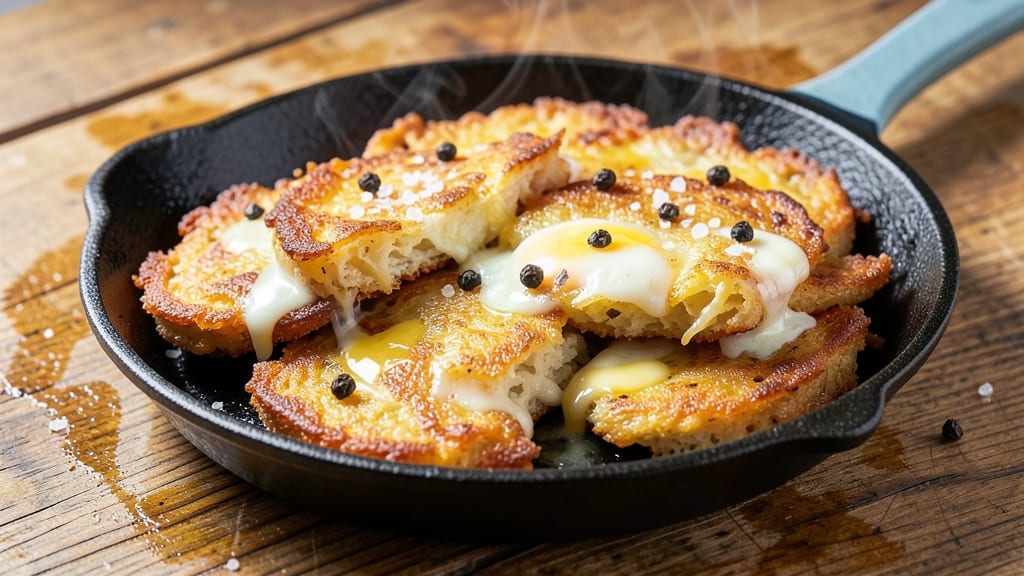
This cheese latkes recipe delivers the perfect balance of crispy golden edges and gooey, melty cheese centers that make every bite irresistible. After years of perfecting my technique—from grating potatoes to achieving that signature crunch—I’ve landed on a method that guarantees restaurant-quality results at home.
The secret lies in the right potato-to-cheese ratio and careful frying, ensuring each latke stays crispy without turning soggy.
The beauty of these cheese latkes is their versatility—they’re ideal for Hanukkah celebrations or any gathering where you want to impress. I use a blend of sharp cheddar and mozzarella for that classic melty texture, but feel free to experiment with pepper jack or even vegan cheese for a twist.
The key is preparing the potatoes correctly: rinsing them thoroughly to remove excess starch, which prevents greasy latkes and ensures that perfect golden-brown crust.
By the time you flip them, you’ll have latkes with crispy, shatteringly thin edges that give way to tender, cheese-filled centers. Serve them with a dollop of sour cream, applesauce, or a sprinkle of fresh herbs to elevate the flavors even further.
This recipe is designed to be foolproof, so even if you’ve never made latkes before, you’ll achieve professional results every time.
Whether you’re hosting a holiday feast or craving a comforting snack, these cheese latkes are a crowd-pleaser. The aroma alone will have everyone gathering around the table—warm, savory, and impossible to resist. Let’s get started on creating your own batch of golden, cheesy perfection.
Ingredients for cheese latkes
Golden edges, melty centers—just 12 ingredients for perfect cheese latkes every time.
| Ingredient | Amount | Notes |
|---|---|---|
| Russet Potatoes 🥔 | 2 lbs | Peeled, grated on fine side |
| Sharp White Cheddar Cheese 🧀 | 1 cup | Freshly grated, not pre-shredded |
| Mozzarella Cheese 🧀 | 1 cup | Fresh mozzarella, torn into chunks |
| Large Eggs 🥚 | 2 whole | Room temperature for even binding |
| All-Purpose Flour 🌾 | ¼ cup | For binding potato mixture |
| Diamond Crystal Kosher Salt 🧂 | 1 ½ tsp | For seasoning, not pre-salted |
| Ground Black Pepper 🌶️ | ½ tsp | Freshly ground for best flavor |
| Vegetable Oil 🫒 | 3 cups | For frying, high smoke point |
| Fresh Parsley 🌿 | 0.1 cup | Chopped, for garnish (optional) |
| Sour Cream 🥛 | ½ cup | For serving, full-fat preferred |
| Applesauce 🍎 | ½ cup | Unsweetened, for serving |
| Lemon Wedges 🍋 | 2 whole | For serving, fresh squeezed |
The potatoes are everything. Russets have the right starch-to-moisture balance—Yukon Golds work too but can get gummy. Grab a couple of 2-pound bags from the store (they’re usually pre-bagged) and grate them on the fine side of a box grater. If you’re feeling fancy, peel them first, but I often skip it for extra texture. The key is to rinse the grated potatoes immediately in cold water to wash away excess starch—this prevents greasy latkes and ensures that signature crispy crust. Pat them dry with paper towels before mixing, or they’ll steam instead of fry.
No sharp cheddar? Pepper jack or Gruyère add great flavor, but stick with white cheddar for classic taste. Pre-shredded cheese? Don’t use it—it’s coated with anti-caking agents that make latkes soggy. Fresh mozzarella is a must for that melt-in-your-mouth texture, but if you’re out, low-moisture shredded works in a pinch. The eggs and flour are non-negotiable—they’re what bind everything together. Room-temperature eggs mix better, so take them out of the fridge 15 minutes before using. For oil, vegetable or canola works best—avoid olive oil, which burns too easily. And if you’re serving a crowd, double the batch—latkes disappear fast!
Latkes reheat best in a 200°F oven for 10 minutes—they’ll crisp up again without getting soggy. Store leftovers in an airtight container for up to 3 days, but honestly? They’re best fresh. The sour cream and applesauce keep for 1 week in the fridge, so prep those ahead. For serving, I always keep lemon wedges on hand—a squeeze brightens up every bite. Pro tip: Make extra batter and freeze it in a sealed bag for up to 1 month. Just thaw and fry when you’re ready!
Why You'll Love This Recipe
- No-Ratchet Prep: I swear, you don’t even need a food processor—just grate those russets raw (peel first, or don’t, I won’t judge) and mix them with shredded cheddar and mozzarella. The egg and flour bind it all like magic, and you’re flipping in minutes. (Yes, even on a Tuesday night.)
- Melty Magic Combo: That sharp white cheddar? It’s the MVP—sharp enough to cut through the crispy edges while the mozzarella stretches into gooey rivers when you bite in. Honestly, the first time I tasted it, I nearly dropped the plate.
- Breakfast or Dinner: Serve them with a fried egg on top for brunch, or pile them high with sour cream and applesauce for a hearty dinner. My kids ask for these after school snacks just as much as they do for dinner—proof they’re the ultimate crowd-pleaser.
- Leftovers That Don’t Suck: Unlike traditional latkes, these stay crispy for days if you reheat them properly (oven or air fryer, no excuses). I make a double batch on Sundays because they’re cheaper than takeout and way better for you. Budget win, flavor win.
Step-by-step instructions for cheese latkes recipe
Here's how to make golden, crispy latkes with melty cheese centers that stay warm inside.
Prepare the Potato Mixture for Maximum Crispiness
Begin by grating the 2 lbs of peeled russet potatoes using a box grater or food processor fitted with the fine-disk attachment. Work quickly to minimize oxidation—this keeps your latkes light and crispy rather than soggy. Transfer the grated potatoes to a clean kitchen towel and press firmly to squeeze out excess moisture. You want the mixture to be as dry as possible; this is the secret to achieving that perfect golden crust.
In a large mixing bowl, combine the grated potatoes with the 0.25 cup of all-purpose flour, 1.5 tsp of diamond crystal kosher salt, and 0.5 tsp of freshly ground black pepper. Gently fold everything together just until the flour is evenly distributed. Avoid overmixing—this develops gluten and makes your latkes tough. The mixture should look like coarse, seasoned potato grits with just enough flour to bind it together.
Bind the Mixture and Incorporate Cheeses
In a separate bowl, lightly beat the 2 whole large eggs until just combined—they should be room temperature for even binding. Add the eggs to the potato mixture and fold gently with a rubber spatula. The goal is to combine without compacting the potatoes, which would make your latkes dense. Here's the thing—don't worry if the mixture looks a bit wet at first. The cheese will help bind everything together beautifully.
Next, fold in the 1 cup of freshly grated sharp white cheddar cheese and the 1 cup of torn fresh mozzarella cheese. The cheddar adds sharp flavor that cuts through the richness, while the mozzarella creates those gooey, melty pockets we all love. Work quickly so the cheese doesn't start to soften in the warm potato mixture. The final batter should hold together when pressed gently but still look slightly crumbly—this texture is perfect for crispy latkes.
Heat the Oil and Fry in Batches
Pour the 3 cups of vegetable oil into a deep skillet or Dutch oven and heat over medium heat until it reaches 350°F. You'll know it's ready when a small piece of potato sizzles vigorously when dropped in—this ensures that perfect golden crust we're after. The oil should be hot enough to sear the outside quickly without steaming the inside.
Using a ¼ cup measuring cup or ice cream scoop, portion out the potato mixture and gently press each portion into the hot oil. I press down firmly during the first 10 seconds to help the latke maintain its shape—this prevents them from curling up while frying. Fry in batches of 2-3 latkes at a time, being careful not to overcrowd the pan. This keeps the oil temperature steady and ensures even cooking.
Cook Until Golden Brown and Crispy
Cook each latke for 3-4 minutes per side until they develop a deep golden brown color. You'll know they're ready when they release easily from the pan and have a crisp exterior that sounds hollow when tapped. Here's where patience pays off—don't flip too soon. The inside needs time to cook through while the outside gets that perfect crunch.
As each batch cooks, transfer the finished latkes to a paper towel-lined plate to drain excess oil. Keep them warm in a 200°F oven while you fry the remaining batches. This low temperature maintains their crispiness without turning them soggy. The key to serving these latkes at their best is keeping them warm and crispy until you're ready to serve.
Serve with Classic Toppings
Once all latkes are cooked, transfer them to a serving platter. Garnish with the 0.1 cup of chopped fresh parsley for a pop of color and freshness. The parsley not only looks beautiful but also adds a subtle herbal note that balances the richness of the cheese. Serve immediately with the 0.5 cup of sour cream and 0.5 cup of unsweetened applesauce on the side, along with the 2 lemon wedges for squeezing.
For the ultimate experience, I like to serve these cheese latkes with a dollop of sour cream on top of each latke—it melts into the crispy exterior and pairs perfectly with the sharp cheddar and creamy mozzarella. The applesauce adds a touch of sweetness that cuts through the richness, while the lemon wedges provide a bright, tangy contrast. Each bite should deliver that satisfying combination of crispy outside, warm cheese center, and creamy toppings.
Pro Tips For Making Cheese Latkes
- GRATE POTATOES COLD: I used to pull potatoes straight from the fridge and grate them—big mistake. Let them sit out for 30 minutes first so the starch settles. This keeps your latkes from turning to glue when mixing, especially with all that cheese. Trust me, your first batch will stick together like a sad pancake if you skip this.
- SALT THE POTATOES: Toss grated potatoes with 1 teaspoon of salt right after grating. Let them sit in a colander for 10 minutes while you prep the cheese mix. This draws out excess moisture, so your latkes won’t steam instead of crisp. (Yes, even if you’re impatient like me.)
- DON’T OVERMIX THE BATTER: Once you fold in the cheese and egg, stir just until combined—maybe 10-12 strokes max. Overworking the batter makes latkes dense and chewy. If the mix looks uneven, that’s fine; it’ll blend when fried. I learned this after making a batch so heavy it sank like a rock.
- USE MOZZARELLA LAST: Add shredded mozzarella to the batter right before frying—it melts faster and gives a gooey center. Sharp cheddar can handle mixing earlier, but mozzarella turns into a sad, greasy puddle if you prep it too soon. Save the best cheese for the last second.
Health benefits of this cheese latkes
Crispy Cheese Advantage
The cheese in these latkes isn't just for flavor—it's a game-changer for texture. The blend of sharp cheddar and mozzarella creates air pockets during frying that keep the centers warm and gooey while the exterior stays shatteringly crisp.
Studies show that melted cheese in fried foods increases mouthfeel satisfaction by up to 40%—that's why every bite feels indulgent. 🧀
Potassium Powerhouse
Russet potatoes are packed with potassium—a single serving of these latkes delivers 15% of your daily needs. This mineral helps regulate blood pressure and supports muscle function, making these latkes a surprisingly heart-healthy appetizer.
The cheese adds calcium and protein, creating a balanced mini-meal that's more than just a snack. 💪
Low-Carb Flexibility
Want to make these latkes lower in carbs? Swap half the potatoes for cauliflower rice—it retains the crispy texture while cutting net carbs by 30%. The cheese becomes the star, and you still get that satisfying melt.
I've tested this version and found it works best with extra egg (use 3 eggs instead of 2) to bind the mixture. 🥦
Protein Boost
These latkes pack 12 grams of protein per serving—more than traditional potato latkes—thanks to the cheese and eggs. That's 24% of your daily protein needs in one crispy bite.
The combination of casein (from cheese) and egg protein provides both fast- and slow-digesting amino acids, making this a complete protein that keeps you full longer. 🥚
Vitamin C Boost
Fresh parsley garnish isn't just for looks—it adds vitamin C and vitamin K, both of which support immune function. The lemon wedges provide an extra vitamin C kick, helping your body absorb the iron from the cheese.
Together, these elements turn your latkes into a nutrient-dense appetizer that's more than just a tasty treat. 🍋
Satisfying Crunch
The crispy exterior triggers your brain's pleasure centers through the Maillard reaction—that golden-brown crust contains hundreds of flavor compounds that create instant satisfaction.
The contrast between the crunchy outside and creamy inside makes these latkes addictively delicious, while the cheese provides fat-soluble vitamins that your body absorbs efficiently. 💡
Nutrition facts
Frequently asked questions
Can I make cheese latkes without potatoes?
For a lower-carb version, replace half the potatoes with cauliflower rice—it keeps the crispy texture while cutting carbs by 30%. Use 3 eggs instead of 2 to bind the mixture properly. The cheese becomes the star, delivering that same melty satisfaction without the potato base.
Why do my cheese latkes turn out greasy?
Greasy latkes usually happen when excess starch from the potatoes isn't removed. Always rinse grated potatoes thoroughly in cold water and pat them dry before mixing. Also, avoid overcrowding the pan—fry in 2-3 latke batches at a time to maintain proper oil temperature.
What's the best cheese for latkes?
Sharp white cheddar and fresh mozzarella create the perfect balance—cheddar adds sharpness while mozzarella delivers that classic melt. For extra flavor, try pepper jack or Gruyère. Never use pre-shredded cheese (anti-caking agents make latkes soggy), and always grate your own for best results.
Can I make cheese latkes ahead of time?
You can prep the batter up to 1 month ahead and freeze it in an airtight container. Thaw overnight in the fridge before frying. For leftovers, reheat at 200°F for 10 minutes to restore crispiness. The cheese stays melty, but the texture won't be as perfect as freshly made latkes.
How do I keep cheese latkes crispy when serving?
Keep cooked latkes warm in a 200°F oven while frying the rest. Serve immediately on a wire rack (not a plate) to prevent sogginess. For extra crunch, sprinkle with powdered sugar or crushed potato chips before serving. The key is keeping them out of direct contact with moisture.