
Main Courses
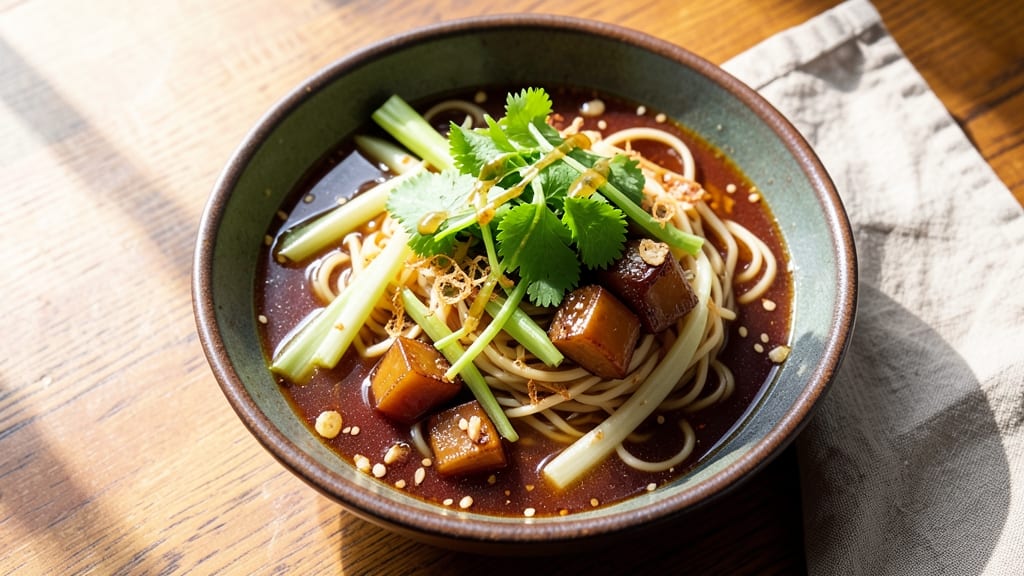
Celery-inspired ramen transforms a classic bowl into something fresh, vibrant, and packed with crunchy texture that keeps every bite exciting. I developed this recipe after realizing how often ramen lacks freshness—until I started adding celery to the broth and as a topping.
The secret? A double infusion: simmering celery stems in the broth for deep flavor, then crisping the leaves for a fresh, bright garnish. It’s the kind of upgrade that makes a simple bowl feel like a restaurant special.
This isn’t your average ramen. The broth gets its signature brightness from celery, ginger, and garlic, while the noodles stay perfectly chewy—no mushy leftovers here.
I use a mix of fresh celery leaves (for crunch) and celery root (for earthy depth), but even store-bought celery works if you blanch the leaves first. The best part? It only takes 30 minutes to make, and the flavors get better as it sits.
Trust me, your taste buds will thank you.
By the time you’re done, you’ll have a bowl that’s rich, fresh, and impossibly satisfying—creamy broth infused with celery’s bright notes, tender noodles, and a pile of crispy celery leaves on top.
It’s the kind of ramen that makes you want to eat it straight from the pot, no chopsticks required. The celery doesn’t just add flavor; it turns every spoonful into a textural experience. Ready to level up your ramen game?
This works for any occasion—weeknight dinners, game-day snacks, or even a cozy night in. Serve it with soft-boiled eggs, sliced green onions, or a drizzle of chili oil for extra depth. The celery keeps it light enough for summer but hearty enough for winter. Let’s get cooking!
Ingredients for celery in ramen
Fresh celery transforms ramen from ordinary to extraordinary with vibrant crunch and deep flavor infusion.
| Ingredient | Amount | Notes |
|---|---|---|
| Fresh Celery Stems 🧅 | 4 whole | Cut into 2-inch pieces, tough strings removed |
| Fresh Celery Leaves 🌿 | 2 cups | Packed, stems removed for garnish |
| Celery Root 🥕 | ½ lb | Peeled, cut into 1-inch chunks |
| Fresh Ginger 🌿 | 2 tbsp | Finely grated, skin on |
| Garlic Cloves 🧄 | 6 cloves | Peeled, smashed lightly |
| Ramen Noodles 🍜 | 2 packages | Fresh or dried, 8 oz each |
| Chicken Broth 💧 | 4 cups | Low-sodium preferred |
| Soy Sauce 🍶 | 2 tbsp | Light or dark variety |
| Sesame Oil 🫒 | 1 tbsp | Toasted, for finishing |
| Vegetable Oil 🫒 | 1 tbsp | For crisping celery leaves |
| Sea Salt 🧂 | 1 ½ tsp | For seasoning broth |
| White Pepper 🌶️ | ½ tsp | Freshly ground preferred |
| Green Onions 🧅 | 2 whole | Sliced, for garnish |
| Red Chili Flakes 🌶️ | ¼ tsp | Optional, for heat |
Celery is the star here—both the stems and leaves. Fresh celery root (celeriac) adds earthy depth, but regular celery works too if you can't find it. I grab mine from Whole Foods or the organic section at Trader Joe's—look for crisp, vibrant stalks with no brown spots. The leaves? Save them for garnish—they crisp beautifully when fried. For ginger, I always use the organic, knobby kind from the produce section. It’s pricier but worth it for that fresh, zesty punch. Skip the jarred ginger—it’s got no comparison.
No celery root? Extra celery stems work in a pinch—just add more to the broth. Fresh ginger too expensive? Ground ginger at half the amount gets you close, but it lacks that bright kick. Store-bought celery leaves? Blanch them first to keep them crisp. The soy sauce can be tamari for gluten-free, and if you’re avoiding sesame, toasted peanut oil works beautifully. For extra richness, add a splash of coconut milk to the broth—it pairs perfectly with the celery’s brightness.
This broth tastes even better the next day—make a double batch if you can. Store leftovers in the fridge for 4-5 days or freeze for 3 months. The celery leaves crisp up best when fried fresh, but you can prep them ahead and reheat in the oven for 2-3 minutes at 375°F. I always keep a bag of blanched leaves in the freezer for quick ramen nights.
Why You'll Love This Recipe
- No-Waste Magic: I swear by this trick—using the whole celery plant, stems, leaves, even the knobby root. That celery leaf adds this bright, herbal punch that turns a simple broth into something special. (Between us, I’ve thrown away enough celery tops to feed a small army.)
- Umami Bomb: The combo of crisp celery root, fresh ginger, and garlic cloves simmered in broth? It’s like a flavor explosion in your mouth. The celery root soaks up the broth while staying tender, and the leaves add a peppery finish that makes it taste like you slaved over it.
- Meal Prep MVP: This is my go-to for batch cooking—chop everything ahead, store it in the fridge, and toss it into ramen when you’re ready. Honestly, I make a big pot on Sundays and use it all week. The celery root holds up better than you’d think, and the leaves stay fresh in a sealed container.
- Budget-Friendly Flex: Celery is cheap, and this recipe stretches it into something luxurious. I’ll be real: I’ve made this with store-brand broth and still felt like I was eating at a ramen spot. Plus, the celery root keeps me from buying extra veggies—I just use what I’ve got.
Step-by-step instructions for celery-inspired ramen
Here's how to transform simple ramen into a vibrant, herb-forward bowl with layers of celery crunch and depth.
Build the Celery Base for Maximum Flavor
Heat the 1 tablespoon vegetable oil in a large stockpot over medium heat. Add the 0.5 lb celery root cut into 1-inch chunks and cook for 8-10 minutes, stirring occasionally, until the edges begin to soften and turn translucent. This step develops a subtle sweetness that will carry through the entire broth.
Add the 4 whole fresh celery stems cut into 2-inch pieces (strings removed) and continue cooking for another 5 minutes. The celery should soften but still retain some bite. Push the vegetables to one side of the pot and add the 6 cloves garlic cloves and 2 tablespoons fresh ginger. Cook for 30 seconds until fragrant—this ensures the garlic doesn't burn and releases its full aroma. Here's the thing—don't rush this step. The foundation of your broth starts now.
Infuse the Broth with Celery Depth
Pour in the 4 cups chicken broth and bring to a gentle simmer. Add the 1.5 teaspoons sea salt and 0.5 teaspoon white pepper. Stir well to combine, then add the 2 cups fresh celery leaves and 0.25 teaspoon red chili flakes (if using). Let the mixture simmer uncovered for 15 minutes—this allows the celery leaves to wilt and release their bright, herbal notes into the broth.
Taste the broth and adjust seasoning if needed. You'll notice the celery leaves have transformed from vibrant green to a softer, more muted hue. This is your signal that they've infused the broth perfectly. Keep the pot on low heat while you prepare the noodles—you don't want the broth to reduce too much before assembly.
Cook the Noodles Al Dente
While the broth simmers, prepare the 2 packages ramen noodles according to package instructions—but here's the key difference: cook them for 1 minute less than recommended. You want them al dente when they finish in the hot broth. Drain the noodles and set them aside, reserving 1 cup of the starchy pasta water for later.
Don't rinse the noodles—the surface starch helps the sauce cling. The slight undercooking ensures they finish perfectly in the hot broth while maintaining their texture. This is where the magic happens: the noodles will absorb the celery-infused broth and develop that signature ramen bite.
Assemble with Crispy Celery Garnish
Return the broth to a gentle simmer and add the 2 tablespoons soy sauce and 1 tablespoon sesame oil. Stir well to combine, then divide the cooked noodles among 4 bowls. Ladle the hot broth over the noodles, making sure each serving gets an even distribution of celery pieces and leaves.
For the finishing touch, heat 1 tablespoon vegetable oil in a small skillet over medium-high heat. Add the 2 cups fresh celery leaves in a single layer and cook for 1-2 minutes until they wilt and develop crispy edges. This quick crisping adds a delightful textural contrast to each bowl. Top each serving with the crispy celery leaves and sliced 2 whole green onions. The aroma alone will make your kitchen smell like a ramen shop.
Pro Tips For Making Celery In Ramen
- CHAR THE GINGER: Toss peeled ginger slices into a dry, screaming-hot pan for 30 seconds before adding oil—this deepens the flavor way more than gentle simmering ever will. I learned this the hard way when my first batch tasted like ginger flavor, not soul.
- SALT THE CELERY ROOT: Toss celery root chunks in 1 teaspoon of salt before cooking—it keeps them from turning to mush and lets the starches caramelize properly. Skip this, and you’ll end up with sad, watery pieces instead of rich, golden nuggets.
- RESERVE THOSE LEAVES: Save a handful of celery leaves until the very end—toss them in at the last minute to brighten the broth with fresh, herbal aroma. I used to toss them in early, and they just faded into the background noise.
- SEAR THE STEMS FIRST: Cut celery stems into 1-inch chunks, then sear them in oil until they’re just starting to brown before adding broth—this builds flavor that simmering alone can’t match. Sounds weird, but it works: the edges turn crisp, and the broth gets depth.
Wine and beer pairings for this recipe
Light Beer Harmony
For this celery-forward ramen, a crisp Japanese lager like Asahi Super Dry or Sapporo is my go-to choice. The light, clean profile lets the celery’s bright, herbal notes shine without competing. I grab these at my local Trader Joe's—their selection of Japanese beers is surprisingly good.
The subtle bitterness in lagers actually enhances the celery’s natural sweetness, creating a perfect balance. 🍺
Citrusy Sake Elevation
If you prefer something more traditional, a chilled junmai sake with citrus notes—like Dassai or Kubota—works beautifully. The acidity in these sakes cuts through the richness of the broth while complementing the celery’s freshness.
I like to serve it slightly chilled (45-50°F) to highlight its crispness. For an extra touch, add a squeeze of yuzu juice to your glass—it’s a game-changer.
White Wine Contrast
A dry Riesling from Germany or Austria adds an unexpected but delightful twist. Look for a Kabinett-level Riesling with bright acidity and hints of green apple—it mirrors the celery’s freshness while adding complexity.
I’ve had great luck with Dr. Loosen Blue Slate from my local Boston wine shop. The slight sweetness in the wine balances the savory broth perfectly. 🍷
Non-Alcoholic Options
Don’t overlook non-alcoholic pairings! A sparkling yuzu soda or even a well-chilled green tea (like Sencha) works surprisingly well. For something more substantial, try a ginger beer—the spicy kick complements the celery’s crunch.
I keep a stash of Feast Brewing ginger beer in my fridge for exactly these moments. It’s the perfect palate cleanser between bites.
Bonus: Celery-Infused Cocktail
For a fun twist, make a quick celery-infused gin and tonic. Muddle 2 celery leaves with 2 oz gin, ½ oz lime juice, and 4 oz tonic water over ice. The celery adds a subtle herbal depth that ties back to your ramen.
I’ve even used this as a garnish for my broth—just strain and drizzle it over the top for an unexpected flavor boost. 🍸
Nutrition facts
Frequently asked questions
Why does this ramen recipe use both celery stems and leaves?
The stems infuse the broth with deep, earthy flavor when simmered, while the leaves add fresh, bright crunch when crisped. The leaves also release their aromatic oils into the broth during simmering, creating a layered taste experience that regular ramen often misses. It's like getting two benefits from one vegetable!
Can I make this with regular celery instead of celery root?
Just use 6-8 extra celery stems instead of celery root to maintain the same earthy depth. For best results, add them to the broth along with the regular stems. The flavor will be slightly different but still delicious—just more pronounced celery character. The crispy leaves still work perfectly as garnish.
How do I keep the celery leaves crispy for garnishing?
Blanch the leaves in boiling water for 30 seconds, then shock them in ice water. Drain well and pat dry with paper towels. For extra crispiness, fry them in oil for just 1-2 minutes until the edges curl. If you're short on time, you can also toast them in a dry skillet until they wilt slightly but still hold their shape.
What if I don't have sesame oil?
No problem! Substitute with toasted peanut oil, avocado oil, or even a drizzle of toasted sesame seeds for a similar nutty depth. The key is to use something with a toasted flavor profile that complements the celery's freshness. Just add it at the very end to preserve its aroma.
Can I make this recipe vegetarian?
Yes—swap the chicken broth for vegetable broth and add 1 cup mushrooms (like shiitake) to the broth for umami depth. Consider adding a soft-boiled tofu instead of egg for protein. The celery's bright flavor will still shine through beautifully in a plant-based version.