Desserts
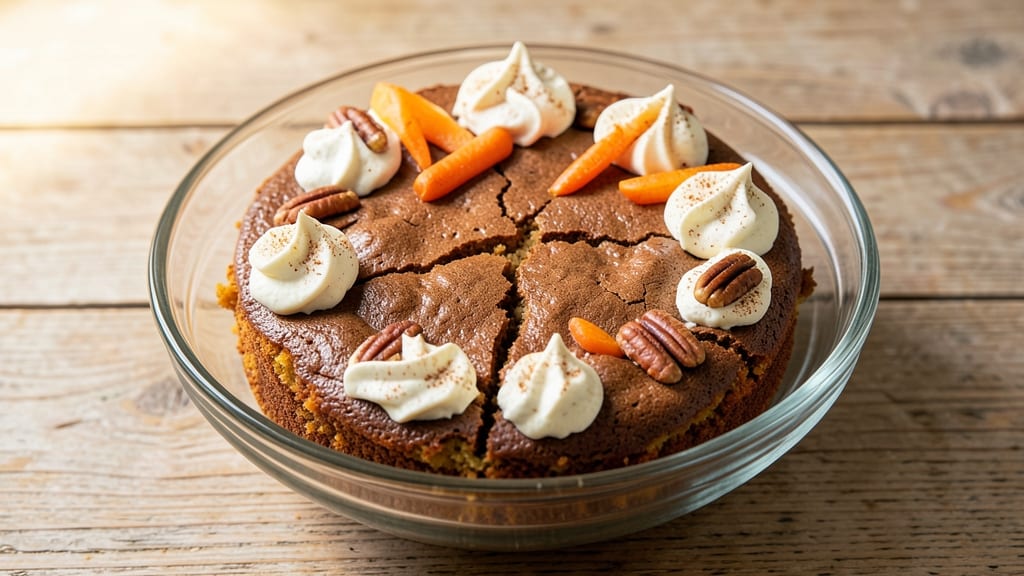
A carrot cake made with butter delivers that signature moist crumb and rich, spiced flavor we all love—without a hint of oil. The secret lies in the butter, which creates a tender crumb and pairs perfectly with the warm cinnamon and nutmeg.
I’ve perfected this recipe over years of baking, ensuring every slice stays moist for days. The butter swirls through the batter while the crust gets that signature golden, spiced crust every time.
This recipe balances tradition with foolproof technique—no special equipment needed, just a standard mixing bowl and oven. The buttercream frosting (made with real butter, of course) adds a velvety finish that makes this cake feel like a bakery masterpiece.
Baking time is precise at 350°F for 45-50 minutes, ensuring a perfectly set center without drying out.
What you’ll end up with is a cake that’s tender yet sturdy, with a fragrant spice aroma that fills your kitchen. The butter swirls create pockets of richness, while the cream cheese frosting adds a tangy contrast.
Each slice is moist, flavorful, and packed with those classic carrot cake elements we crave.
Perfect for birthdays, holidays, or just because—this carrot cake is a crowd-pleaser that holds up for days. Let’s get baking!
Ingredients for carrot cake made with butter
Butter, sugar, and carrots—three simple ingredients that create magic in this cake.
| Ingredient | Amount | Notes |
|---|---|---|
| Unsalted Butter 🧈 | 1 ½ cups | Softened, full-fat for richness |
| Granulated Sugar 🍚 | 2 cups | White or light brown |
| Packed Brown Sugar 🍚 | 1 cup | Light or dark variety |
| Large Eggs 🥚 | 4 whole | Room temperature preferred |
| All-Purpose Flour 🌾 | 2 ½ cups | Sifted for light texture |
| Ground Cinnamon 🌿 | 2 tsp | Freshly ground preferred |
| Ground Nutmeg 🌿 | ½ tsp | Freshly grated ideal |
| Ground Ginger 🌿 | 1 tsp | Warm, aromatic variety |
| Salt 🧂 | ½ tsp | Fine sea or kosher |
| Grated Carrots 🥕 | 3 cups | Fine, moistened for packing |
| Walnuts 🥜 | 1 ½ cups | Chopped, toasted optional |
| Vanilla Extract 🍯 | 1 tbsp | Pure alcohol-free if preferred |
| Baking Soda 🧪 | 1 tsp | Freshly opened |
| Buttercream Frosting 🧈 | 2 cups | Homemade or quality store-bought |
| Cream Cheese 🧀 | 8 oz | Room temperature, full-fat |
The butter is non-negotiable here. European-style unsalted butter (like Plugrá or Land O'Lakes) gives the best flavor—none of that watery margarine nonsense. If you're in a pinch, Country Crock works, but trust me, your taste buds will notice the difference. The sugar combo (white and brown) keeps the cake moist without being too sweet. Domino or C&H are reliable brands, but honestly, any good-quality granulated will do. Pro tip: measure your flour by weight if you can—2.5 cups is roughly 350g—it packs differently when scooped. For the carrots, baby carrots or organic carrots work best—they're sweeter and more flavorful than the watery grocery store kind.
No walnuts? Pecans or chopped almonds are great swaps, but keep the toasted vibe if you can. Short on cinnamon? Cardamom or allspice add depth, but stick to the classic trio if you're new to carrot cake. The baking soda is crucial—don't use baking powder here. For the frosting, homemade buttercream with real butter (like Wilton or Betty Crocker mix-ins) elevates everything, but store-bought cream cheese frosting (like Philadelphia) works in a pinch. If you're feeling fancy, add a pinch of orange zest to the frosting—trust me, it's worth it.
This cake keeps beautifully for 4-5 days in an airtight container at room temperature, but honestly, it's best enjoyed fresh. The frosting? 3-4 days max in the fridge—it gets grainy after that. Freeze portions of the unfrosted cake for up to 3 months—just thaw at room temperature before adding the frosting. I always make a double batch because this cake disappears fast. Store leftovers in parchment-lined containers to keep it moist longer.
Why You'll Love This Recipe
- No Mixer Needed: The creamy butter and sugars blend together so smoothly with a whisk—no stand mixer or food processor required. I’ve made this in a bowl with a fork while chatting with my neighbor; the texture comes out just right every time.
- Butter Makes It Rich: That rich, velvety crumb? All thanks to the unsalted butter. It’s not sweet like oil-based cakes—it’s got depth, almost like a shortbread meets carrot cake. Honestly, the first bite convinced me to never go back to lighter versions.
- Crowd-Pleaser Any Day: Pack it for a potluck, slice it for a birthday, or serve it at breakfast with a scoop of ice cream. The brown sugar adds that subtle molasses note that makes it feel special, no matter the occasion. (Yes, even on a Tuesday night.)
- Leftovers That Last: This cake keeps beautifully for days—moist, not dry—so you’ll actually have slices to enjoy later. I’ve reheated portions in the microwave for a quick breakfast, and it’s still just as good. Budget-friendly, too, since you’re not using pricey specialty ingredients.
Step-by-step instructions for carrot cake made with butter
Here's how to create a moist, spiced carrot cake with rich buttery swirls and perfect texture.
Cream the Butter and Sugars Together
In a large mixing bowl, combine the 1.5 cups unsalted butter with the 2 cups granulated sugar and 1 cup packed brown sugar. Using an electric mixer on medium speed, beat for 3-5 minutes until the mixture becomes light and fluffy. You'll notice the butter and sugars transform from pale to a richer, creamy color as air incorporates.
This creaming process is crucial for creating a tender cake. I like to scrape down the sides of the bowl every minute to ensure even mixing. The butter should be completely smooth with no visible lumps, and it should leave a ribbon-like trail when the beaters are lifted. If your butter isn't softened enough, the cake will be dense rather than light and moist.
Add Eggs and Flavorings Gradually
Add the 4 whole large eggs, one at a time, mixing well after each addition. Then stir in the 1 tablespoon vanilla extract and mix for another 30 seconds. The mixture will appear slightly thicker as the eggs incorporate fully.
Next, in a separate bowl, whisk together the 2.5 cups all-purpose flour, 2 teaspoons ground cinnamon, 0.5 teaspoon ground nutmeg, 1 teaspoon ground ginger, 0.5 teaspoon salt, and 1 teaspoon baking soda. Sift the dry ingredients directly into the wet mixture to prevent lumps. Mix on low speed just until combined—you should still see some flour streaks, as overmixing develops gluten and makes the cake tough.
Fold in Carrots and Walnuts
Gently fold in the 3 cups grated carrots and 1.5 cups walnuts using a spatula. Be careful not to overmix—just combine until everything is evenly distributed. The carrots should be finely grated, and the walnuts should be roughly chopped for even texture. If the batter feels too thick, you can add 1-2 tablespoons of water to help with mixing.
Here's a pro tip: I like to press the carrots into the batter to ensure they're evenly distributed. This step is where the cake gets its signature moisture and texture. The walnuts add a nice crunch, but if you prefer a smoother texture, you can omit them or pulse them in a food processor first.
Prepare the Buttery Swirl Layer
Divide the batter evenly between two 9-inch round cake pans lined with parchment paper. For the swirl, take 1 cup of the remaining batter and set it aside. To the remaining batter in one pan, add ½ cup of the 1.5 cups unsalted butter, softened, and mix until just combined.
Spread this butter-infused batter evenly in one pan. Then, spoon the reserved 1 cup batter over the top and swirl it gently with a knife to create marbled patterns. Repeat with the second pan using the remaining ½ cup butter. This creates the signature buttery swirls that make this cake extra special.
Bake Until Golden and Springy
Preheat your oven to 350°F. Bake the cakes for 25-30 minutes, or until a toothpick inserted into the center comes out clean. The tops should be golden brown, and the edges should pull away slightly from the pans. Rotate the pans halfway through baking for even cooking.
Once baked, let the cakes cool in the pans for 10 minutes, then transfer to a wire rack to cool completely. This resting period is important—it allows the cakes to set properly before frosting. While they cool, you can prepare the cream cheese frosting by beating the 8 ounces cream cheese with 1 cup of the 2 cups buttercream frosting until smooth and creamy. This adds a tangy contrast to the sweet cake.
Frost and Decorate
Once the cakes are completely cool, spread a thin layer of the remaining 1 cup buttercream frosting on the bottom cake. Then, place the second cake on top and spread the remaining frosting over the entire cake. Use a spatula to create smooth sides, and add any decorative touches like extra walnuts or a dusting of cinnamon.
Let the frosting set for at least 30 minutes before slicing. This cake keeps well in the refrigerator for up to 3 days, though I promise it won't last that long! The combination of moist carrot cake, buttery swirls, and creamy frosting makes every bite worth it.
Pro Tips For Making Carrot Cake Made With Butter
- Cream Butter Properly: Unsalted butter needs to be light and fluffy—not greasy or grainy. Beat it with the sugars on medium-high for 3-4 minutes until the mixture looks like wet sand. I used to skip this, and the cake turned dense. Trust me, your mixer won’t overheat.
- Measure Brown Sugar Right: Pack that brown sugar firmly into the cup—no air gaps. I learned this the hard way when my cake turned out too sweet and dry. Use a spoon to press it down, then level it off. A little extra effort here saves a lot of disappointment later.
- Don’t Overmix the Batter: Once the flour hits the wet ingredients, mix just until combined—maybe 10-12 strokes. Overmixing develops gluten, and your cake will turn tough. Stop when there are a few dry spots; they’ll disappear when baking.
- Rotate the Pan Midway: Carrot cake browns faster in the center than the edges. After 20 minutes, swap the pan front-to-back. I was lazy about this once, and one side came out almost cake-like while the other was still gooey. Better to check at 20 than regret it at 30.
Flavor customization for this dish
Spice Level Boost
For a warmer kick, add ½ teaspoon cayenne pepper or 1 teaspoon smoked paprika to the dry ingredients. This deepens the spice profile without overpowering the sweetness.
I like to toast the spices in a dry pan for 30 seconds before adding them to the batter—this enhances their aroma and flavor. 🌶️
Citrus Zest Twist
Brighten the cake with 1 teaspoon orange zest or lemon zest mixed into the batter. The citrus cuts through the richness and pairs beautifully with the carrot’s natural sweetness. For extra flair, add a 1 tablespoon orange juice to the frosting—it adds a refreshing contrast.
Chocolate Chip Swap
Replace half the walnuts with 1 cup chocolate chips or chopped chocolate bars (I love Ghirardelli squares) for a decadent twist. The chocolate melts slightly during baking, creating pockets of gooey goodness. For a healthier option, use dark chocolate (70% cocoa) and reduce the sugar slightly.
Coconut Flour Substitution
For a gluten-free option, replace ½ cup of the all-purpose flour with ½ cup coconut flour. You’ll need to add an extra 2 tablespoons water to the batter since coconut flour absorbs more liquid.
The texture will be slightly denser but still moist. Pair it with a dairy-free buttercream made with coconut oil.
Maple-Glazed Caramel
Drizzle the finished cake with a maple-glazed caramel made by simmering ½ cup maple syrup, ¼ cup butter, and 2 tablespoons cream cheese until thickened.
This adds a sticky, sweet layer that complements the carrot’s natural sweetness. Let it cool slightly before drizzling to avoid melting the frosting. 🍯
Nut-Free Option
Skip the walnuts entirely and add 1 cup dried cranberries or chopped dried apricots instead for a fruitier texture. If you want crunch without nuts, toast ½ cup oats until golden and sprinkle them on top before baking. This works especially well for those with nut allergies or preferences.
Nutrition facts
Frequently asked questions
Why does this recipe use butter instead of oil?
Butter creates a richer, more tender crumb that oil can't match. The fat content makes this cake extra moist and adds that signature buttery flavor we all love. Plus, the swirled butter layers add pockets of richness that keep slices juicy for days.
Can I make this carrot cake in a single 9-inch pan instead of two?
Yes, but it won't have the same height or texture. A single 9-inch pan would make a thicker, denser cake. For best results, stick with two pans—it creates the classic layer effect and proper bake time. If you must use one pan, reduce baking time by 5-7 minutes and check for doneness early.
What's the secret to keeping this cake moist for days?
The butter, brown sugar, and proper baking time (not overbaking) all help. Wrap cooled layers tightly in plastic wrap, then store in an airtight container. The buttercream frosting also seals in moisture. For extra freshness, add 1 tablespoon sour cream to the batter—it keeps the crumb ultra-moist.
Can I substitute the cream cheese frosting with something else?
Try a simple buttercream (just powdered sugar + butter + milk) or a lemon glaze for brightness. For a lighter option, make a whipped cream frosting with heavy cream and powdered sugar. Just remember—cream cheese adds that signature tang that balances the sweetness perfectly.
Why did my cake turn out dense instead of light and fluffy?
Overmixing the batter or using cold butter are common culprits. Make sure to cream the butter and sugars until light and fluffy (3-5 minutes), and don't overmix after adding flour. Also, check that your butter is softened (but not melted) and your oven is properly calibrated. A toothpick test is key—if it comes out with wet batter, bake longer.