
Side Dishes
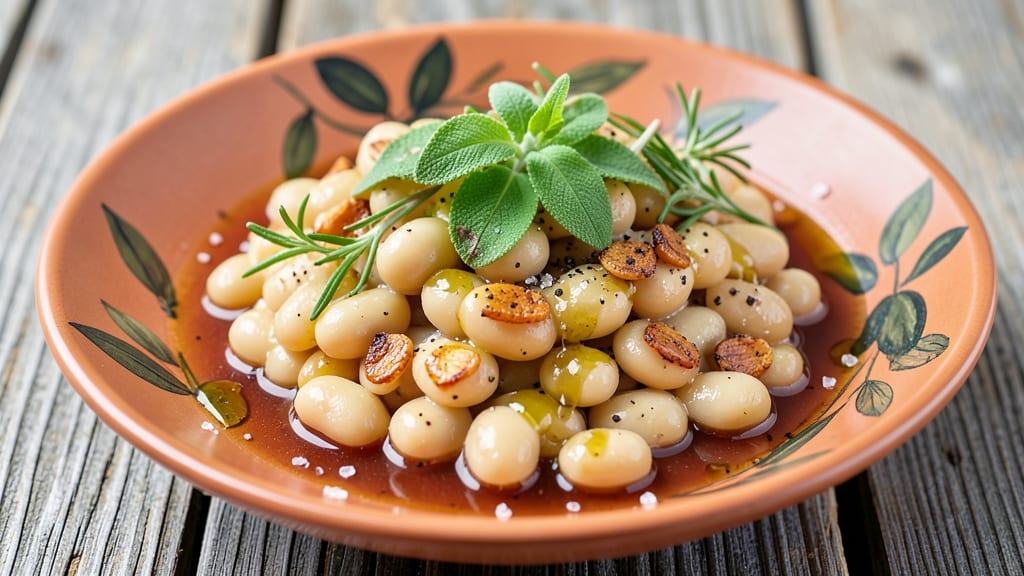
This creamy cannelli beans recipe transforms simple white beans into a rich, garlicky side dish that pairs perfectly with pasta in just 20 minutes.
I developed this method after realizing how often dried beans get overlooked for their canned counterparts—until you taste the depth of flavor from slow simmering and proper seasoning. The secret lies in balancing garlic, olive oil, and a touch of creaminess without overpowering the beans' natural earthiness.
What makes this recipe stand out is its simplicity: no soaking required, just a 30-minute simmer that develops rich, savory flavors. The beans become tender yet hold their shape, absorbing the aromatic garlic, fresh herbs, and a splash of broth for that signature creamy texture.
This isn’t just a side—it’s a flavorful centerpiece that elevates any Italian meal, from spaghetti to grilled chicken.
By the time you’re done, you’ll have a pot of restaurant-quality beans that taste homemade—no shortcuts, just pure flavor. The garlic infuses deeply, the herbs brighten each bite, and the slight creaminess makes every spoonful irresistible.
Serve it warm alongside your favorite pasta or use it as a hearty base for sandwiches. Let’s make it.
This method works with dried or canned beans, so you can adjust based on what’s in your pantry. The recipe scales easily for larger gatherings, and leftovers reheat beautifully—making it a foolproof addition to your meal prep rotation.
The key is patience and proper seasoning, which we’ll cover step by step.
Ingredients for cannelli beans
Creamy, garlicky beans that transform simple pantry staples into restaurant-quality flavor.
| Ingredient | Amount | Notes |
|---|---|---|
| Canned Cannellini Beans 🍲 | 2 cans | 15 oz each, drained and rinsed |
| Extra-Virgin Olive Oil 🫒 | ½ cup | High quality, fruity |
| Garlic Cloves 🧄 | 6 cloves | Minced, fresh preferred |
| Fresh Rosemary 🌿 | ¼ cup | Chopped, finely |
| Fresh Sage Leaves 🌿 | ¼ cup | Chopped, stems removed |
| Vegetable Broth 💧 | 2 cups | Low-sodium preferred |
| Heavy Cream 🥛 | ¼ cup | Full-fat for creaminess |
| Lemon Juice 🍋 | 1 tbsp | Freshly squeezed |
| Diamond Crystal Kosher Salt 🧂 | 1 ½ tsp | Adjust to taste |
| Freshly Ground Black Pepper 🌶️ | ½ tsp | Freshly cracked |
| Parmesan Cheese 🧀 | ¼ cup | Freshly grated from block |
| Dried White Wine 🍷 | ½ cup | Optional, dry variety |
The beans are the foundation, so cannellini is your best bet—their creamy texture holds up perfectly. Trader Joe's and Whole Foods carry high-quality canned versions, but any good brand works. If you’re using dried, soak overnight and simmer until tender. The garlic is non-negotiable—freshly minced is essential for that deep, aromatic punch. I always use garlic from the farmers market when in season, but store-bought is fine if it’s firm and fragrant. The herbs? Fresh rosemary and sage make all the difference—they brighten the dish without overpowering, but dried will work in a pinch (use half the amount).
No heavy cream? Full-fat Greek yogurt thins out to a similar texture. Short on rosemary? Thyme or basil work well, though the flavor shifts slightly. Wine optional? Substitute extra broth or a splash of white vinegar for acidity. The Parmesan needs to be real Parmigiano-Reggiano—pre-grated won’t melt as beautifully. For a lighter version, swap heavy cream for half-and-half or coconut milk, but you’ll lose some richness. The lemon juice is key—it balances the creaminess and brightens the whole dish, so don’t skip it.
This reheats like a dream—just add a splash of broth or water to loosen it up. Keeps 4-5 days in the fridge, though it’s best within the first two. Freezes beautifully for up to 3 months, making it perfect for meal prep. I always double the batch and portion it into containers—one for lunches, one for pasta night. The flavors deepen as it sits, so leftovers often taste even better the next day.
Why You'll Love This Recipe
- Five-Ingredient Magic: The pantry already has everything—no fancy shopping required. Just toss in beans, oil, garlic, and herbs, then let the stove do the work while you sip wine (or coffee, no judgment).
- Herb-Packed Punch: That rosemary and sage? They turn simple beans into something ridiculously flavorful—earthy, bright, with a crisp finish. Honestly, the aroma alone makes my kitchen smell like a Tuscan market.
- Lunch or Side: Cold in salads, warm with crusty bread, or as a base for grilled fish—this recipe adapts to whatever you’re craving. I’ve served it all, and it’s never disappointed (yes, even on a Tuesday night).
- Budget Meal, Big Payoff: A can of beans, a few cloves, and fresh herbs stretch into multiple meals without breaking the bank. My wallet and my taste buds thank me every time.
Step-by-step instructions for creamy garlicky cannellini beans
This method transforms simple cannellini beans into a lusciously creamy, aromatic dish that pairs perfectly with pasta.
Sauté the Aromatics in Olive Oil
Heat the 0.5 cup extra-virgin olive oil in a large skillet over medium heat until shimmering but not smoking. Add the 6 cloves minced garlic cloves and cook for 30 seconds until they turn golden and fragrant—don't let them brown or they'll turn bitter. Immediately add the 0.25 cup chopped fresh rosemary and 0.25 cup chopped fresh sage leaves, stirring constantly for 1 minute until the herbs release their aromatic oils.
Here's the thing—those herbs need to infuse the oil completely before the beans hit the pan. If you rush this step, the final dish will taste flat. The rosemary should be finely chopped so it dissolves into the sauce rather than remaining as distinct pieces.
Simmer the Beans in Broth and Wine
Add the 2 cans drained and rinsed cannellini beans to the skillet and stir to coat them in the herbed oil. Pour in the 0.5 cup dried white wine and let it simmer for 2 minutes until mostly evaporated. Then add the 2 cups vegetable broth and bring to a gentle simmer. Reduce heat to low and let it cook uncovered for 8-10 minutes until the liquid reduces by about half and the beans are heated through.
You'll know it's ready when the sauce thickens slightly and clings to the beans. If it's too thin, simmer uncovered for another 2-3 minutes. The beans should be tender but still hold their shape—overcooking turns them mushy. Stir occasionally to prevent sticking, but don't worry if a light crust forms on the bottom.
Create the Creamy Base
Remove the skillet from heat and stir in the 0.25 cup heavy cream and 1 tbsp lemon juice. The cream should warm gently from the residual heat and begin to emulsify with the bean mixture. Return the skillet to low heat and add the 1.5 tsp diamond crystal kosher salt and 0.5 tsp freshly ground black pepper, stirring constantly for 1-2 minutes until the sauce becomes velvety smooth.
This is where the magic happens—the cream and lemon juice create that signature creamy texture while balancing the richness. If the sauce looks too thick, add 1-2 tablespoons of the cooking liquid to loosen it. The final consistency should coat the back of a spoon but still be pourable.
Finish with Parmesan and Adjust Seasoning
Stir in the 0.25 cup freshly grated parmesan cheese until fully melted and incorporated. Taste and adjust seasoning—you might need a pinch more salt or a crack of pepper to taste. Let the dish sit off heat for 2-3 minutes to allow the flavors to meld completely. The parmesan should dissolve smoothly, adding a nutty depth that ties everything together.
For serving, you'll want this dish warm but not boiling—ideal temperature is around 160°F. The creaminess should be evident in every spoonful, with a perfect balance of garlic's sharpness, herbs' earthiness, and lemon's brightness. Serve immediately over pasta or with crusty bread to soak up every last bit of that luxurious sauce.
Pro Tips For Making Cannelli Beans
- Drain and Rinse Properly: Open that can of beans and give them a quick cold-water rinse—even if the label says "no salt added." The starchy water clings like glue, and skipping this step turns your olive oil into a thick, gloopy mess instead of a silky base. I learned this after my first batch turned into a paste that wouldn’t release from the pan.
- Toast Garlic Low and Slow: Slice those garlic cloves thin but uneven—some thicker, some paper-thin—and cook them in the olive oil over medium-low heat until golden, not brown. High heat burns them faster than you can blink, and burnt garlic ruins the whole dish. My grandmother swore by this, and she was right: patience here means flavor that actually sings.
- Strip Rosemary Needles: Don’t toss whole rosemary sprigs into the pan—strip the needles off the stems first. They cook more evenly and infuse the oil better, while the woody stems just sit there like stubborn guests who won’t leave. Takes 30 seconds and makes a real difference in how bright the herbs taste.
- Deglaze with a Splash: After cooking the garlic and herbs, pour in just enough white wine (or even broth) to barely cover the pan’s bottom—about ¼ cup. Let it simmer until mostly evaporated before adding the beans, or you’ll end up with a watery, sad purée instead of a rich, textured dish. Sounds weird, but it works: the residual liquid clings to the beans like a flavor blanket.
Common mistakes when making this dish
Overcooking the Beans
This is my biggest mistake when I first started making these beans—they turn mushy and lose their texture. Cannellini beans should be tender but still hold their shape, so simmer them uncovered for no more than 10-12 minutes total after adding broth.
If you're using dried beans, soak them overnight and cook until just tender (about 45-60 minutes). The moment they start breaking apart, you've gone too far. 🌶️
Skipping the Herb Infusion
I used to just toss in the herbs at the end, but that's a flavor crime! The rosemary and sage need to steep in the olive oil for at least 1 minute to release their essential oils. If you rush this step, your dish will taste flat.
Finely chop the herbs so they dissolve into the sauce rather than remaining as distinct pieces. Trust me, this makes all the difference in the final flavor profile.
Using Low-Quality Ingredients
Cheap olive oil, pre-minced garlic, or store-bought herbs will make your beans taste dull. Invest in extra-virgin olive oil (look for Italian varieties like Colavita or Bertolli), fresh garlic, and fresh herbs whenever possible.
The Parmesan should be freshly grated from a block—pre-grated cheese contains anti-caking agents that prevent proper melting. These small upgrades elevate the dish from good to restaurant-quality.
Adding Cream Too Early
If you stir in the heavy cream while the beans are still simmering at high heat, it will curdle and separate. Always remove the pan from heat before adding the cream and lemon juice, then return to just low heat to warm through gently.
This ensures a silky, velvety texture rather than a broken sauce. The residual heat from the beans is enough to emulsify the cream properly.
Ignoring the Wine Reduction
That 2-minute reduction of the white wine is crucial—it deepens the flavor by concentrating the alcohol and adding complexity. If you skip this step or rush it, your beans will taste flat. Use a dry white wine like Sauvignon Blanc or Pinot Grigio for the best results.
The alcohol burns off completely during cooking, leaving behind just the fruity undertones that complement the garlic and herbs.
Over-Salting or Under-Salting
Beans absorb flavors differently than other dishes, so seasoning requires careful attention. Start with the 1.5 tsp kosher salt but taste frequently—you can always add more, but you can't remove excess salt. The cream and Parmesan will also contribute to the overall saltiness, so err on the lighter side initially.
I've ruined batches by adding all the salt at once, so taste as you go and adjust gradually. 💡
Nutrition facts
Frequently asked questions
Can I use dried beans instead of canned?
Yes! For dried cannellini beans, soak them overnight in plenty of water, then simmer for 45-60 minutes until tender but still firm. Drain and rinse before using in the recipe. The flavor develops more deeply with dried beans, but they require more time and attention.
What's the best way to store leftovers?
Store in an airtight container in the fridge for up to 4-5 days. For longer storage, freeze for 3 months. Reheat gently with a splash of broth or water to restore creaminess. The flavors actually improve overnight!
Can I make this dish vegetarian?
This recipe is already vegetarian. Just ensure your broth is vegetable-based and your Parmesan is dairy-free if needed. The garlic, herbs, and lemon make it rich and satisfying without any meat.
Why did my sauce turn grainy?
This usually happens when the cream is added too early or the heat is too high. Always remove from heat before adding cream, then warm gently on low heat. If it still separates, whisk in 1 tablespoon cold water to help re-emulsify.
How can I make this dish spicier?
Add ½ teaspoon red pepper flakes with the garlic or stir in 1 teaspoon hot sauce at the end. For heat lovers, finish with a pinch of cayenne or a dash of chili oil. The creaminess balances the spice beautifully!