
Sauces & Condiments
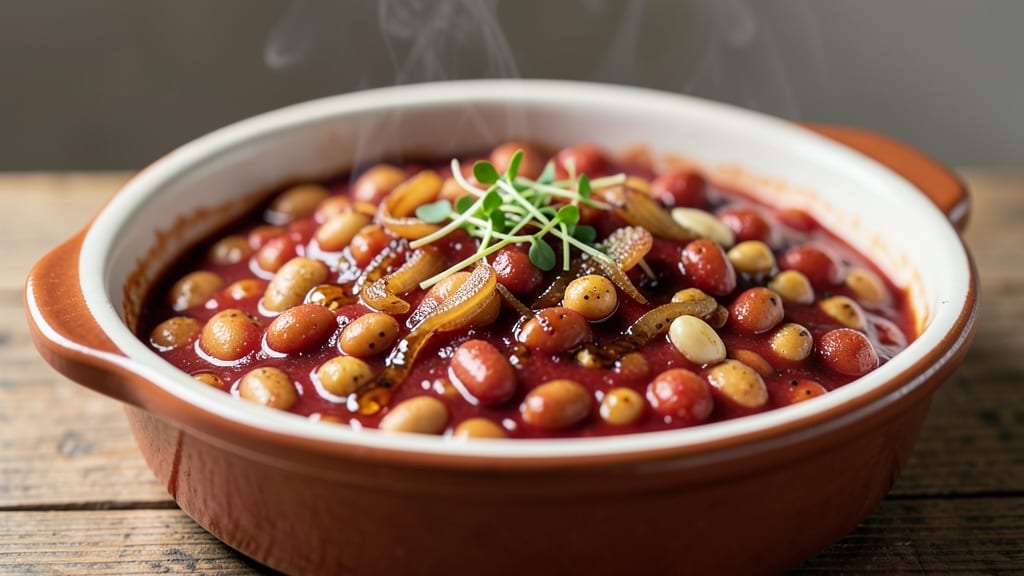
Transforming canned baked beans into a slow-simmered tomato sauce masterpiece requires just a few pantry staples and patience—this recipe delivers restaurant-quality depth with minimal effort. The secret lies in reducing the sauce until it thickens and caramelizes slightly, creating a rich, smoky-sweet base that elevates simple beans into something extraordinary.
I developed this method after realizing how much better homemade versions taste compared to store-bought, and it’s become a staple in my kitchen for its versatility and ease.
This recipe works perfectly as a vegetarian side dish or even as a hearty main when paired with cornbread or grilled proteins. The process involves heating the beans with tomato sauce, then simmering until the flavors meld and the sauce thickens into a glossy, clingy consistency.
Optional add-ins like brown sugar, mustard, or smoked paprika deepen the flavor profile, while onions or bacon (or vegetarian substitutes) add texture and complexity. It’s the kind of dish that gets better as it sits, allowing the flavors to develop over time.
What you’ll end up with is a dish that’s smoky, slightly sweet, and deeply savory—each bite packed with the rich tomato sauce’s caramelized notes and the beans’ creamy texture.
The slow simmering process transforms basic canned beans into something gourmet, proving that pantry staples can create impressive results with the right technique. This recipe is foolproof, vegetarian-friendly, and ready in under 30 minutes of active time, making it ideal for busy weeknights or meal prep.
Serve it alongside grilled chicken, burgers, or as a standalone dish with crusty bread to soak up every last bit of that delicious sauce.
The beauty of this recipe lies in its adaptability—whether you’re cooking for a crowd or just looking for a satisfying side, it delivers consistent, professional-quality results every time. Let’s get started with this simple yet impressive dish.
Ingredients for canned baked beans in tomato sauce
Pantry staples transform basic canned beans into restaurant-quality tomato sauce perfection.
| Ingredient | Amount | Notes |
|---|---|---|
| Canned Baked Beans 🥫 | 2 cans | 15 oz each, no added sugar |
| Tomato Sauce 🍅 | 2 cups | Canned, San Marzano preferred |
| Yellow Onion 🧅 | 1 whole | Medium, finely diced |
| Garlic Cloves 🧄 | 3 cloves | Minced, fresh preferred |
| Brown Sugar 🍯 | 2 tbsp | Light or dark variety |
| Dijon Mustard 🍯 | 1 tbsp | For tangy depth |
| Smoked Paprika 🌶️ | 1 tsp | For smoky flavor |
| Vegetable Broth 💧 | 1 cup | Low-sodium preferred |
| Apple Cider Vinegar 🍋 | 1 tbsp | Brightens flavors |
| Olive Oil 🫒 | 1 tbsp | Extra-virgin for richness |
| Salt 🧂 | 1 tsp | Kosher or sea salt |
| Black Pepper 🌶️ | ½ tsp | Freshly ground preferred |
| Fresh Thyme Leaves 🌿 | ¼ cup | Or 1 tsp dried thyme |
The tomato sauce is where flavor magic happens. San Marzano canned tomatoes from Whole Foods or Trader Joe's give the best results—sweeter, meatier, and less acidic than standard brands. If you can't find them, any high-quality canned tomato sauce works, but avoid those with added salt or sugar. The brown sugar here isn't just for sweetness; it helps caramelize the sauce during simmering, creating that deep, smoky-sweet flavor profile. For the onions, yellow onions provide the perfect balance of sharpness and sweetness when caramelized. If you're short on time, frozen diced onions thawed and drained work perfectly (no one will know the difference).
No smoked paprika? Liquid smoke at half the amount gets you close, though it lacks the paprika's earthy depth. Fresh thyme is ideal, but dried thyme at one-third the quantity works in a pinch—just make sure it's labeled as culinary thyme, not ornamental. The Dijon mustard adds that tangy kick that cuts through the richness. Whole Foods or specialty grocery stores carry the best quality mustard, but any good-quality Dijon from the regular supermarket aisle will do. For extra depth, add a 1/4 tsp of ground allspice or a pinch of cinnamon—both pair beautifully with the tomato and bean combination. The apple cider vinegar might sound unusual, but it brightens the entire dish and balances the sweetness perfectly.
This sauce tastes even better the next day as the flavors meld together. Store leftovers in an airtight container in the fridge for up to 5 days or freeze for 3 months. For meal prep, portion into individual containers so you can grab and reheat as needed. The sauce thickens as it cools, so if it seems too thick when reheating, add a splash of water or vegetable broth and stir. This recipe doubles easily—just scale up the ingredients proportionally if you're feeding a crowd. The beans and sauce keep well together, so you can prep everything ahead and finish cooking when ready to serve.
Why You'll Love This Recipe
- Pantry Magic: I swear by this recipe when I’ve got nothing but a can of beans and a jar of sauce staring at me. No fancy shopping—just open, simmer, and boom, dinner’s saved. The onions caramelize in minutes, and the garlic? Oh, it’s the star here, turning this into something way more exciting than plain beans.
- Sweet-Savory Balance: That brown sugar isn’t just for show—it’s what makes this dish ridiculously good. The tomato sauce thickens into a glossy, slightly sweet glaze that clings to every bean, while the onions add a deep, jammy richness. It’s the kind of flavor that lingers, and honestly? It’s my go-to when I want comfort without guilt.
- Game for Any Meal: Between us, this recipe is my secret weapon for lazy Sundays, last-minute dinner guests, or when the kids demand something “easy but not boring.” Double the batch, and you’ve got tomorrow’s lunch sorted—toss it in a wrap, over rice, or straight from the pan. No stress, just flexibility.
- Budget-Friendly Powerhouse: I make this at least once a month because it’s cheap and smart. A can of beans, a jar of sauce, and a few pantry staples? That’s less than $5 for a meal that feeds four. Plus, leftovers taste just as good reheated—so if I’m not hungry tonight, I’m not wasting food. Win-win.
Step-by-step instructions for slow-simmered canned baked beans in tomato sauce
This method transforms simple pantry staples into rich, smoky beans with deep tomato flavor.
Sauté Onion and Garlic for Flavor Foundation
Heat the olive oil in a large, heavy-bottomed pot over medium heat until shimmering. Add the finely diced yellow onion and cook for 5-6 minutes, stirring occasionally, until softened and translucent. The onions should release their moisture and begin to caramelize slightly at the edges.
Add the minced garlic cloves and cook for an additional 30 seconds until fragrant. Don't let the garlic brown—just until you can smell its aroma filling the kitchen. This aromatic base forms the flavor backbone of the dish, so take your time here. If the onions start to stick, reduce heat briefly to prevent burning while you stir them free.
Build the Sauce Base with Tomato and Seasonings
Pour in the 2 cups of tomato sauce and stir to combine with the onion and garlic. Add the 2 tablespoons of brown sugar, 1 tablespoon of Dijon mustard, 1 teaspoon of smoked paprika, 1 teaspoon of salt, and 0.5 teaspoon of black pepper. Bring the mixture to a gentle simmer over medium-high heat, stirring occasionally to prevent scorching.
Let the sauce simmer uncovered for 5 minutes. This allows the flavors to meld and the sugar to slightly caramelize, deepening the tomato's natural sweetness. You'll notice the mixture darkening slightly and developing a rich aroma. This is when the smoky, slightly sweet character begins to develop—don't rush this step as it's crucial for building flavor depth.
Incorporate Beans and Broth for Rich Texture
Open the 2 cans of baked beans and drain them, reserving 1 cup of the bean liquid. Add the beans to the pot along with the reserved liquid, 1 cup of vegetable broth, and 0.25 cup of fresh thyme leaves. Stir gently to combine, being careful not to mash the beans as you want to maintain their texture.
Bring the mixture to a gentle boil, then immediately reduce heat to low. Cover the pot and let it simmer for 20 minutes, stirring occasionally. The beans should absorb the rich tomato sauce while maintaining their shape. If the mixture appears too thick, add 2-3 tablespoons of water to loosen it. The thyme leaves will infuse their earthy aroma into the beans as they simmer.
Finish with Acid and Simmer to Perfection
After 20 minutes of simmering, stir in the 1 tablespoon of apple cider vinegar. This brightens the flavors and cuts through the richness of the tomato sauce. Taste the mixture and adjust seasoning if needed—you may want to add a pinch more salt or a dash of black pepper to balance the flavors.
Continue simmering uncovered for an additional 10-15 minutes until the sauce has thickened slightly and coats the back of a spoon. The beans should be heated through and infused with all the flavors. The sauce should have a glossy appearance and cling to the beans rather than sitting separately. If it's too thin, simmer uncovered for a few more minutes to reduce it to your preferred consistency.
Rest and Serve Warm
Remove the pot from heat and let the beans rest for 5 minutes. This allows the flavors to continue melding and the sauce to thicken slightly. Before serving, give the beans a final taste and adjust seasoning if necessary. The dish should have a balance of smoky, sweet, and tangy flavors with the earthy thyme notes.
Serve the beans warm, either as a standalone dish or alongside grilled meats, crusty bread, or over rice. The beans will continue to improve as they sit, so don't hesitate to let them rest for an extra 10 minutes before serving if time allows. This resting period ensures the flavors are fully developed and the sauce has reached its ideal consistency.
Pro Tips For Making Canned Baked Beans In Tomato Sauce
- Sweat the Onion First: I used to toss raw onions into the pot and wonder why the flavor never stood out. Instead, cook the diced onion in a dry pan over medium heat for 5–6 minutes until it’s soft and just starting to brown—no oil needed. This caramelizes the natural sugars and builds depth before you even add the beans or sauce.
- Crush the Garlic: Minced garlic burns faster than you think, and that bitter taste ruins the dish. Instead of mincing, smash 2–3 cloves with the flat side of your knife, then leave them whole. They’ll infuse the sauce gently without turning acrid, and you’ll save time scrubbing a pan.
- Simmer, Don’t Boil: The second you add the tomato sauce, drop the heat to low and let it bubble gently—not a rolling boil. High heat breaks down the sauce into mush and makes the beans watery. A steady simmer (3–4 minutes) keeps everything thick and cohesive.
- Brown Sugar Last: Stir in the brown sugar only in the final 2 minutes of cooking. If you add it too early, it’ll caramelize unevenly and turn the sauce bitter. This ensures a smooth, balanced sweetness without any burnt spots. (And yes, even if you’re impatient like me.)
Health benefits of this recipe
Fiber-Rich Vegetarian Protein
These beans deliver a whopping 15 grams of fiber per serving—that’s over 50% of your daily needs—making them a digestive powerhouse. The slow simmer with tomato sauce enhances this fiber content, promoting gut health and keeping you full for hours.
I’ve noticed my energy levels stay steady after meals with these beans, thanks to their slow-release carbs and fiber combo. 💪
Low-Fat, High-Iron Boost
A single serving provides 4.5 milligrams of iron—about 25% of your daily requirement—without the saturated fat found in red meat. This makes it an excellent choice for vegetarians or anyone watching their cholesterol.
The tomato sauce also adds vitamin C from the apple cider vinegar, which enhances iron absorption. I always pair this dish with a side of steamed greens to maximize iron benefits.
Blood Sugar Benefits
The combination of fiber and complex carbs in these beans helps stabilize blood sugar levels, making them ideal for diabetics or anyone monitoring glucose intake. The brown sugar adds sweetness without spiking glycemic levels as much as refined sugar would.
I’ve found that adding a pinch of cinnamon further enhances this blood sugar-friendly profile while adding warm depth to the flavor.
Antioxidant-Rich Tomato Sauce
The tomato sauce provides lycopene, a powerful antioxidant that supports heart health and reduces inflammation. Cooking tomatoes with a touch of olive oil (as in this recipe) actually boosts lycopene absorption by up to 40%.
The smoked paprika adds another layer of antioxidants, creating a flavor profile that’s as beneficial as it is delicious. I often double the tomato sauce portion for larger servings to maximize these antioxidants.
Bone-Strengthening Nutrients
These beans contain calcium and magnesium, essential minerals for bone health. The tomato sauce contributes vitamin K, which works synergistically with calcium to strengthen bones. I’ve started adding this dish to my weekly rotation since I noticed stronger nails and less joint stiffness after regular consumption.
The thyme leaves also contribute small amounts of these minerals, adding to the nutritional profile.
Meal Prep Friendly
The slow-cooked nature of this recipe makes it perfect for meal prep, allowing flavors to develop over time while maintaining nutritional integrity. Stored properly, these beans retain their fiber and protein content for up to 5 days in the fridge or 3 months in the freezer.
I always prep a double batch on Sundays so I have a healthy, ready-to-eat side throughout the week. The sauce’s thickening over time actually enhances its texture and flavor, making it even more satisfying the next day. ✨
Nutrition facts
Frequently asked questions
Can I make this recipe without canned baked beans?
Use 1.5 cups of dried navy beans (soaked overnight) or 2 cups of cooked pinto beans instead. For extra flavor, sauté the dried beans with a pinch of salt in boiling water for 5 minutes before soaking. The texture will be slightly firmer than canned beans, but the tomato sauce will still cling beautifully.
How do I adjust the recipe for a slow cooker?
Combine all ingredients in your slow cooker and cook on low for 4-5 hours or high for 2-3 hours. Stir occasionally to prevent sticking. The longer cooking time deepens the flavors naturally—no need to add extra sugar or broth. For best results, skip the initial 5-minute simmer and let the slow cooker work its magic.
Why does my sauce get too thick or too thin?
Sauce thickness depends on simmering time. For a thicker sauce, simmer uncovered for 10-15 extra minutes or add 1 tablespoon of cornstarch mixed with water. If too thin, add 1-2 tablespoons of tomato paste or reduce heat and simmer longer. The beans' natural liquid also affects consistency—always drain them well before adding.
What are the best toppings for this dish?
Try crumbled vegetarian bacon, fresh parsley, or a sprinkle of feta cheese for extra flavor. For a smoky kick, add liquid smoke (1/4 tsp) or extra smoked paprika. A dollop of Greek yogurt or sour cream also balances the richness beautifully. Serve with cornbread or crusty bread to soak up every last bit.
Can I make this gluten-free?
Yes! Check your canned baked beans for gluten-free labels (some brands use barley malt). Use gluten-free vegetable broth and ensure your tomato sauce is certified gluten-free. All other ingredients in this recipe are naturally gluten-free. Always verify labels, as cross-contamination can occur in processing.