
Soups & Stews
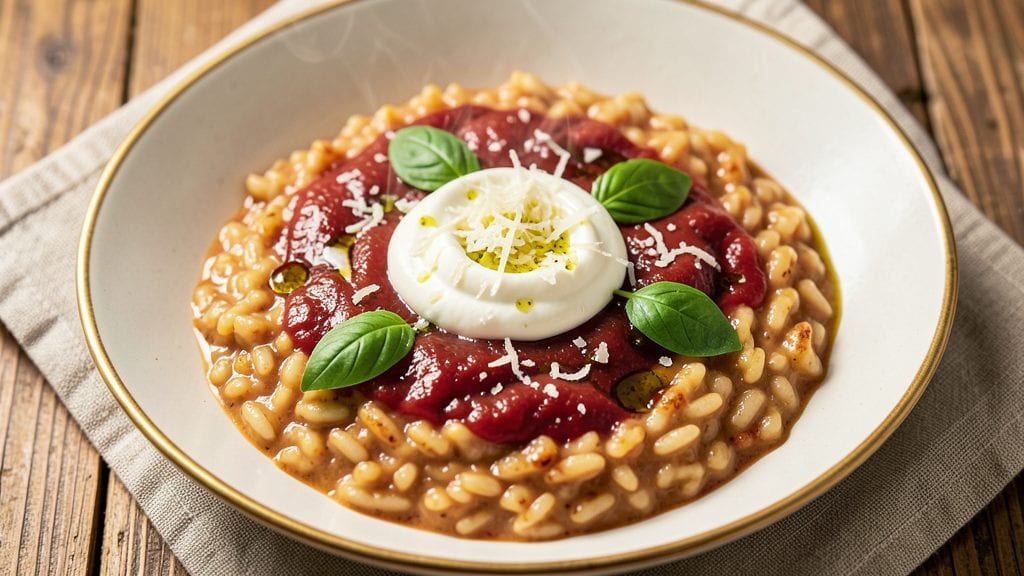
Transforming Campbell's soup into a creamy risotto that rivals gourmet versions is simpler than you think—this recipe delivers restaurant-quality tomato-basil magic in just 30 minutes.
The secret lies in using Campbell's Classic Tomato Soup as your flavor foundation while following traditional risotto techniques like gradual liquid incorporation and proper rice toasting. I developed this method after years of testing shortcuts that still deliver authentic texture and depth.
What sets this risotto apart is how Campbell's soup handles the heavy lifting—its built-in tomato concentration and seasoning create a rich base that needs only fresh basil, Parmesan, and a touch of cream to elevate it to creamy perfection.
The Arborio rice absorbs the soup gradually, developing that signature al dente bite while maintaining a velvety consistency. This isn't a watered-down version; it's a foolproof method that maintains all the creamy, comforting qualities of classic risotto.
The result is a dish with layers of tomato sweetness, aromatic basil, and umami depth that coats every grain of rice in a luxurious sauce. Each bite delivers that perfect balance of creamy texture and subtle acidity from the tomato base.
The best part? You'll achieve this without hours of stirring or complicated techniques—just precise timing and attention to the rice's texture as it transforms from firm to tender.
Serve this risotto with a sprinkle of fresh basil, extra Parmesan, and a drizzle of high-quality olive oil for that final gourmet touch. Pair it with a simple arugula salad or crusty bread to soak up every last bit of that creamy tomato sauce.
The method scales perfectly for both intimate dinners and larger gatherings, making it a versatile addition to your weeknight repertoire.
Ingredients for campbell's soup risotto
Pantry staples meet restaurant technique—this risotto delivers creamy perfection without the fuss.
| Ingredient | Amount | Notes |
|---|---|---|
| Campbell's Classic Tomato Soup 🍅 | 2 ½ cups | Unopened can, undiluted |
| Arborio Rice 🍚 | 1 cup | Unrinsed, short-grain preferred |
| Heavy Cream 🥛 | ½ cup | Full-fat for optimal creaminess |
| Fresh Basil Leaves 🌿 | ½ cup | Packed, stems removed |
| Parmesan Cheese 🧀 | ½ cup | Freshly grated, fine grade |
| Extra-Virgin Olive Oil 🫒 | 2 tbsp | High-quality, fruity variety |
| Garlic Cloves 🧄 | 2 cloves | Minced, for aromatic base |
| Yellow Onion 🧅 | ½ whole | Diced, medium size |
| Diamond Crystal Kosher Salt 🧂 | 1 tsp | For seasoning, not iodized |
| Black Pepper 🌶️ | ¼ tsp | Freshly cracked |
| Chicken Broth 💧 | ½ cup | Low-sodium, for thinning |
| Lemon Juice 🍋 | 1 tbsp | Freshly squeezed |
| Butter 🧈 | 2 tbsp | Unsalted, cold for toasting |
The Campbell's Classic Tomato Soup is your flavor anchor—avoid the reduced-fat version as it lacks the necessary richness. Whole Foods or Walmart stock the full-fat cans year-round, though local grocery stores carry them too. For the Arborio rice, Lundberg Family Farms or Barilla brands are ideal—their consistent starch content ensures proper absorption. Toast your rice in cold butter (don't melt it first) until translucent edges form—this critical step builds the risotto's signature texture. The Parmesan should be Parmigiano-Reggiano from a block, freshly grated; pre-shredded contains anti-caking agents that alter the dish's velvety finish.
No Arborio rice? Carnaroli works as a premium substitute, though it's harder to find. Short-grain white rice (like sushi rice) can stand in for a slightly firmer texture, but expect less creamy absorption. Heavy cream can be swapped for half-and-half if needed, though the result will be less luxurious. Fresh basil is non-negotiable—dried oregano at one-third the amount won't replicate its bright aroma. The chicken broth should be homemade or high-quality low-sodium to avoid overpowering the tomato base. For extra depth, add 1 tsp tomato paste to the soup before heating if you prefer more concentrated flavor.
Store leftover risotto in an airtight container for up to 3 days—the flavors deepen overnight. Freeze portions for 3 months by spreading in a single layer before transferring to bags. Reheat gently with a splash of chicken broth or water to restore creaminess. The fresh basil should be stored in a damp paper towel in a sealed bag for 5 days maximum. For meal prep, make a double batch—the risotto reheats beautifully and tastes even better the second day as the flavors meld further.
Why You'll Love This Recipe
- One-Pot Magic: I swear by this recipe because it’s actually risotto without the fuss. Just a pot, a can of Campbell’s tomato soup, and Arborio rice—no constant stirring, no stress. The soup handles the stock work for you, so you’re not tied to the stove for an hour.
- Creamy Tomato Bliss: That perfect balance of silky tomato richness and nutty Arborio rice? Chef’s kiss. The heavy cream and Parmesan turn it into something restaurant-worthy, but the fresh basil at the end? It’s the little upgrade that makes it feel like a date-night dish, not a weeknight shortcut.
- Leftovers That Don’t Suck: Most risotto turns into glue after day two, but this one? Still creamy, still flavorful. I’ve reheated portions for lunch the next day—just add a splash of milk or water to loosen it up. Honestly, it’s the only risotto I’d risk making extra of.
- Budget-Friendly Luxury: You’re getting gourmet vibes for pennies. Campbell’s soup cuts the cost of fresh tomatoes and stock, while Parmesan and basil stretch a little way. It’s the kind of dish where you can serve it to guests and still have change left in your pocket. (Yes, even on a Tuesday night.)
Step-by-step instructions for creamy tomato-basil risotto
Transform simple ingredients into velvety risotto with rich tomato depth and bright basil notes.
Toast the Arborio Rice for Depth of Flavor
Heat the 2 tablespoons extra-virgin olive oil and 2 tablespoons butter in a heavy-bottomed saucepan over medium heat. Add the ½ whole yellow onion and 2 cloves garlic, cooking until the onion softens and becomes translucent—about 5 minutes. This creates a flavorful base.
Add the 1 cup Arborio Rice, stirring constantly for 2 minutes until the grains turn opaque and develop a slight golden hue. This toasting step is crucial—it enhances the rice's nutty flavor and prevents a raw taste in the finished dish. Keep the heat at medium to avoid burning the rice.
Gradually Incorporate the Tomato Soup
Pour in the 2.5 cups Campbell's Classic Tomato Soup all at once, stirring vigorously to coat each grain. The soup should immediately begin to absorb, and you'll see the rice release starch. Let it cook undisturbed for 2 minutes until the liquid reduces slightly and the rice begins to soften.
Here's where the magic happens: the tomato soup's acidity and richness will meld with the rice's natural starch, creating a creamy texture without heavy cream. Stir occasionally for the next 8 minutes, adding ¼ cup chicken broth at a time whenever the surface appears dry. The rice should maintain a slight resistance when pressed between fingers—this indicates proper al dente texture.
Build Creaminess with Broth and Heavy Cream
Continue adding ¼ cup chicken broth every 2-3 minutes, stirring gently to prevent breaking the rice grains. After about 12 minutes total cooking time, the rice should be nearly tender but still firm to the bite. Stir in the ½ cup heavy cream and ½ cup chicken broth, letting the mixture simmer for 3 minutes until the cream is fully incorporated and the risotto reaches a luxurious consistency.
Taste and adjust seasoning with the 1 teaspoon Diamond Crystal Kosher Salt and ¼ teaspoon black pepper. The acidity of the tomato soup may require additional salt—go ahead and season generously. The risotto should be creamy but not soupy, with each grain distinct yet coated in sauce.
Finish with Fresh Basil and Lemon Brightness
Remove the pan from heat and stir in the ½ cup fresh basil leaves and ½ cup Parmesan Cheese. The basil should wilt slightly, releasing its aromatic oils into the risotto. Add the 1 tablespoon lemon juice and toss gently to distribute evenly. The lemon brightens the rich tomato flavors and balances the dish.
Let the risotto rest for 2 minutes before serving. This brief rest allows the flavors to meld and prevents the cream from breaking. Garnish each serving with an additional sprinkle of Parmesan Cheese and a few basil leaves for presentation. The final texture should be velvety yet still offer resistance when pressed—a hallmark of perfect risotto.
Pro Tips For Making Campbell'S Soup Risotto
- Toast the Rice First: Before adding any liquid, dry-toast the Arborio rice in your pot over medium heat for 2-3 minutes—until it smells nutty and the edges turn translucent. I learned this the hard way: skipping this step makes the risotto taste flat, like you’re missing half the flavor. The Campbell’s soup will still do most of the work, but this kickstarts the starch release.
- Stir Like You Mean It: Use a wooden spoon and scrape the bottom of the pot aggressively every 2-3 minutes, especially in the first 10 minutes. Arborio rice needs constant agitation to release its starch, and the Campbell’s soup’s thickness can make it clump easier. If you’re lazy (like me), set a timer—this isn’t the step to slack off.
- Save the Cream Late: Hold off on adding the heavy cream until the very end, when the rice is almost done and just absorbing the last bit of soup. Stir it in off the heat—this keeps the cream from breaking or making the risotto greasy. Also, don’t overdo it: ¼ cup is enough to cream it up without drowning the tomato flavor.
- Rip the Basil Rough: Tear the fresh basil by hand instead of chopping it—this keeps the leaves big enough to see but small enough to distribute. Adding it whole at the end lets the aroma shine without turning the risotto into a basil smoothie. Pro move: Sprinkle it over the top and fold some into the last spoonful of soup before serving.
Pro cooking tips for perfect results
Rice Toasting Secrets
The 2-minute toast of Arborio rice in butter and oil is where flavor magic begins. Use a heavy-bottomed saucepan (like All-Clad Stainless) to prevent hot spots. Toast until rice grains develop translucent edges—this builds the starch that later creates creaminess.
I like to stir constantly with a wooden spoon to distribute heat evenly and avoid burning. If your rice smells nutty, it's ready—this indicates proper Maillard reaction development. 🔥
Tomato Soup Integration
Pour the Campbell's Classic Tomato Soup all at once—this creates a flavorful coating on each grain immediately. Let it cook undisturbed for 2 minutes first to allow the rice to absorb some of the soup's richness before stirring.
The acidity in the soup helps break down the rice's outer layer, creating that signature creamy texture. If your risotto tastes too acidic, add a pinch of sugar (½ tsp) to balance it.
Broth Timing Precision
Add ¼ cup chicken broth every 2-3 minutes—this is non-negotiable for proper texture. Use a measuring cup with spouts for accuracy. The rice should always have a slightly dry surface when you add more liquid; this prevents a mushy final product.
I keep a small pot of broth simmering nearby so I can add it quickly without interrupting the cooking process. 🌡️
Creamy Finish Techniques
Stir in the ½ cup heavy cream only in the final 3 minutes of cooking. This prevents curdling from prolonged heat exposure. For extra richness, replace ¼ cup of the broth with white wine (like Pinot Grigio) when building the risotto.
The wine adds acidity and depth that complements the tomato base beautifully. Always remove from heat before adding fresh basil—its oils are delicate and can burn easily.
Resting and Serving
Let the risotto rest for exactly 2 minutes before serving—this allows the starches to set slightly and prevents a runny texture. Use a spatula to transfer portions to plates, keeping the sauce intact.
For a restaurant-style finish, drizzle with high-quality olive oil (like California Extra Virgin) and garnish with microgreens or crispy prosciutto for added texture contrast. The first bite should be creamy with a slight resistance when pressed—a true risotto hallmark. ✨
Troubleshooting Tips
If your risotto turns out too dry, stir in 1-2 tablespoons warm broth at the end. For a soupy consistency, reduce the broth by ¼ cup next time. Overcooked rice? It's salvageable—stir in 1 tablespoon cold butter to restore creaminess.
Undercooked? Add 1 tablespoon broth and simmer for 1-2 minutes more. The key is always constant attention during the final 10 minutes of cooking. 💡
Nutrition facts
Frequently asked questions
Can I make this risotto with other Campbell's soup flavors?
While Classic Tomato works best for that signature creamy texture, you can experiment with flavors like Cream of Mushroom or Chicken Noodle for different variations. For a creamy result, stick to soups with a rich, thick base. Avoid chunky varieties like New England Clam Chowder—they may create uneven textures. The key is choosing a soup with enough body to coat the rice properly.
Why does my risotto turn out too dry or mushy?
Too dry? You likely added broth too slowly or didn't stir enough. For mushy results, you probably added broth too quickly or didn't toast the rice properly. The secret is maintaining a slightly dry surface between additions—add ¼ cup broth every 2-3 minutes and stir constantly. If it's too dry at the end, stir in 1-2 tablespoons warm broth before serving.
Can I prepare this risotto ahead of time?
Yes, but with a few adjustments. Cook the risotto up to 2 days ahead and store it in an airtight container in the fridge. Before reheating, stir in 1-2 tablespoons warm broth or water to restore creaminess. For freezing, spread portions in a single layer first, then transfer to bags for up to 3 months. Thaw overnight in the fridge and reheat gently on low heat.
What's the best way to serve this tomato risotto?
Garnish with fresh basil leaves, extra Parmesan cheese, and a drizzle of high-quality olive oil for a restaurant-style finish. Pair it with a simple arugula salad dressed with lemon vinaigrette or crusty garlic bread to soak up the creamy sauce. For a heartier meal, serve alongside grilled chicken or sautéed shrimp.
How do I adjust this recipe for dietary restrictions?
For a vegetarian version, simply omit the chicken broth and use vegetable broth instead. For dairy-free, replace the butter with olive oil and use coconut cream instead of heavy cream. To make it gluten-free, ensure your broth and broth base are certified gluten-free. The recipe remains adaptable while keeping that signature creamy texture.