
Snacks
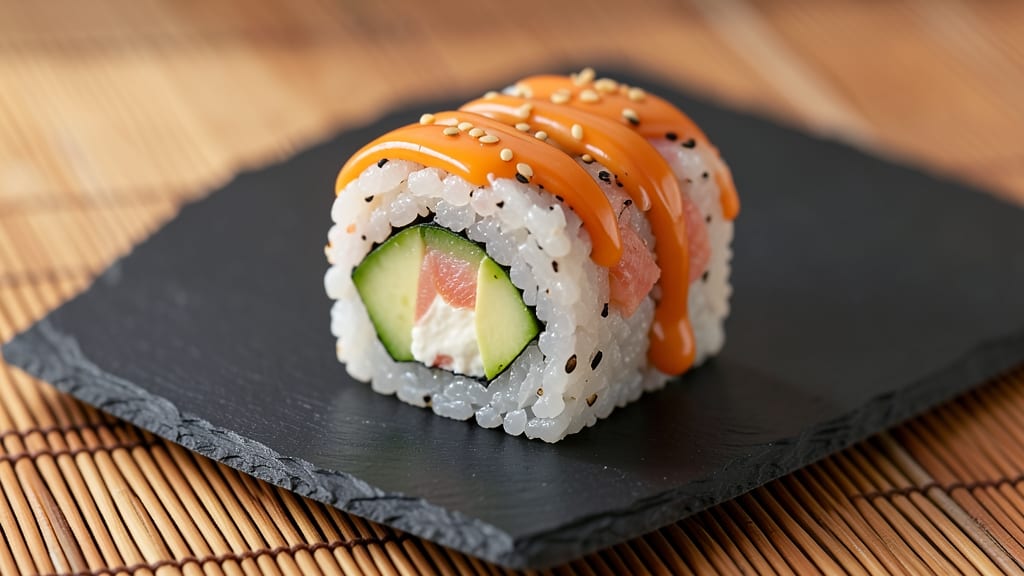
Creating authentic California maki rolls at home delivers that perfect balance of fresh avocado, crisp crab, and delicate nori—just like your favorite sushi spot. ✨ The key lies in properly preparing sushi rice and mastering the rolling technique to achieve clean slices and a tight roll every time.
I've refined this recipe through countless batches, ensuring even beginners can achieve professional-looking results.
This recipe builds on traditional Japanese techniques while incorporating California's signature ingredients—avocado and imitation crab—that make these rolls so distinctive. The process starts with perfectly seasoned sushi rice that stays sticky yet not mushy, then moves to precise layering of fillings before rolling.
What sets these apart is the avocado's creamy texture and the crab's subtle sweetness that complement the nori's oceanic flavor.
By following these steps, you'll end up with beautifully formed maki rolls featuring crisp, evenly sliced pieces that reveal the vibrant green avocado and pink crab filling at every cut.
The presentation alone makes these rolls impressive enough for any gathering, while the combination of textures and flavors satisfies every bite. This is sushi-making made approachable yet still restaurant-quality.
Whether you're preparing for a sushi night or simply craving fresh rolls, this recipe scales perfectly for individual servings or feeding a crowd. The techniques here form the foundation for creating other maki variations as well. Let's get started on making your first perfect batch!
Ingredients for california maki roll
Fourteen essential ingredients transform into restaurant-quality California maki rolls with perfect texture and flavor.
| Ingredient | Amount | Notes |
|---|---|---|
| Short-Grain Sushi Rice 🍚 | 2 cups | Uncooked, Japanese short-grain preferred |
| Rice Vinegar 🍶 | ⅓ cup | Seasoned rice vinegar for authentic flavor |
| Granulated Sugar 🍚 | 2 tbsp | Fine grain preferred for even dissolving |
| Diamond Crystal Kosher Salt 🧂 | 1 ½ tsp | Fine grain for delicate seasoning |
| Fresh Avocado 🥑 | 1 whole | Ripe but firm, Hass variety |
| Imitation Crab Meat 🦞 | 8 oz | Surimi-style, finely chopped |
| Nori Sheets 🍣 | 4 whole | High-quality, 7-inch sheets |
| Sesame Seeds 🌾 | 1 tbsp | White or black, toasted lightly |
| Fresh Cucumber 🥒 | ½ whole | English cucumber, seeds removed |
| Fresh Wasabi 🌶️ | 1 tsp | Freshly grated, for authenticity |
| Soy Sauce 🍶 | ¼ cup | Low-sodium preferred for balance |
| Pickled Ginger 🍵 | 2 slices | Thinly sliced, for serving |
| Extra-Virgin Olive Oil 🫒 | 1 tsp | For rice preparation |
The foundation begins with Japanese short-grain sushi rice, available at specialty Asian markets or well-stocked grocery stores like Whole Foods or Trader Joe's. For optimal results, use freshly milled rice—older stocks lose their stickiness. The seasoned rice vinegar should have a delicate sweetness; Kikkoman or Makura brands are reliable choices. Diamond Crystal kosher salt is preferred over table salt for its fine grain, which dissolves evenly without altering the rice's delicate texture. Fresh avocado is non-negotiable—Hass variety at its peak ripeness ensures that creamy, buttery texture essential to California rolls. The imitation crab should be finely chopped surimi-style, like Immaculate or New England brands, which mimic real crab's texture perfectly. Nori sheets from Marukyu or Hana deliver the crisp, oceanic flavor needed for authentic presentation.
No fresh avocado? Ripe but firm pear or mashed banana can substitute in a pinch, though texture will differ. Imitation crab unavailable? Finely chopped lobster or shrimp works for a premium version, though texture will be firmer. Nori sheets can be toasted briefly in a dry pan to enhance crispness, but avoid burning. For the pickled ginger, fresh ginger marinated in rice vinegar and sugar creates a superior product compared to store-bought versions. The sesame seeds should be toasted lightly in a dry skillet—just until fragrant—to prevent bitterness. Soy sauce should be low-sodium to avoid overwhelming the delicate flavors, and extra-virgin olive oil should be light and fruity, like California-grown brands from Corto or Bertolli, to complement the rice without overpowering.
Sushi rice maintains optimal texture for 2 hours at room temperature before rolling, though it's best used immediately after seasoning. Nori sheets should be stored in a cool, dry place and used within 2 weeks of opening for peak crispness. Imitation crab keeps for up to 3 months in the freezer, while fresh avocado should be used within 2 days of purchase for ideal ripeness. Pickled ginger can be made ahead and stored in the refrigerator for up to 2 weeks, making it a convenient garnish for future sushi nights. Sesame seeds retain freshness for 6 months in an airtight container, while rice vinegar and soy sauce remain stable for 12 months unopened.
Why You'll Love This Recipe
- No Nori Needed: I’ll admit—rolling sushi without seaweed was my first hurdle, but the sticky rice alone holds everything together. No fancy tools, no stress over perfect shapes; just spread, slice, and enjoy.
- Creamy Crunch Magic: That avocado? It’s the star—cool, buttery, and just firm enough to stay put. The vinegar-sweet rice adds a bright tang, so you get this perfect balance of silky and crisp every single bite.
- Lunchbox Hero: Between us, this is my go-to for packed lunches. The rolls keep their shape for hours, and the avocado stays fresh longer than most store-bought options. (Yes, even on a Tuesday night.)
- Budget Bite-Sized: Honestly, the ingredients won’t break the bank—especially if you buy rice in bulk. A single avocado and a bag of rice stretch across multiple meals, and the flavor? Ridiculously good for the cost.
Step-by-step instructions for California maki rolls
Here's the precise method for assembling these vibrant rolls with perfect texture and balance.
👨🍳 Step 1: Prepare the Sushi Rice with Perfect Texture
Rinse the 2 cups short-grain sushi rice under cold water in a fine-mesh strainer until the water runs clear. This removes excess starch that would make the rice gummy. Drain completely, then transfer to a rice cooker with 2 cups fresh water. Cook according to manufacturer's instructions until fully tender.
While the rice cooks, mix the 0.33 cup rice vinegar, 2 tbsp granulated sugar, and 1.5 tsp diamond crystal kosher salt in a small saucepan. Heat gently until the sugar dissolves completely. Remove from heat and let cool to room temperature. This sweetened vinegar mixture is essential for that signature sushi rice flavor.
Once the rice is cooked, transfer it to a wooden bowl or non-reactive container. Gently fold in the vinegar mixture using a rice paddle, cutting down through the center and folding up. Be careful not to mash the grains - you want them to remain distinct. Let the rice cool to room temperature before proceeding. The rice should be slightly sticky but not wet, with a delicate balance of sweet, tangy, and salty flavors.
🔪 Step 2: Prep and Combine All Fillings
Peel and slice the 1 whole fresh avocado lengthwise into thin strips, removing the pit first. Cut the 0.5 whole fresh cucumber in half lengthwise, then slice into thin half-moons. Remove any seeds from the cucumber using a spoon. Place both avocado and cucumber strips in a bowl of ice water to prevent browning while you work.
Drain and pat dry the 8 oz imitation crab meat with paper towels to remove any excess moisture. In a small bowl, mix the crab with 0.25 cup soy sauce and 1 tsp freshly grated wasabi. The wasabi adds that signature California roll heat while balancing the sweetness of the avocado and cucumber. Let this mixture sit for 5 minutes to allow the flavors to meld.
Toast the 1 tbsp sesame seeds in a dry skillet over medium heat for 1-2 minutes until fragrant. They'll darken slightly and release their nutty aroma. Let them cool completely before using to prevent burning your fingers when assembling the rolls.
🥘 Step 3: Assemble the Rolls with Precision
Place a bamboo sushi mat on a clean work surface. Lay one nori sheet shiny-side down on the mat. Using wet hands, spread approximately 1 cup of the prepared sushi rice evenly over the nori, leaving about 1 inch bare at the top. The rice should be about ¼-inch thick. Wet your hands frequently to prevent sticking.
Spread the crab mixture evenly over the rice, leaving a ½-inch border along the bottom edge. Add the avocado and cucumber strips in a single line parallel to the bottom edge, about 1 inch from it. The fillings should be evenly distributed but not overcrowded.
Carefully lift the edge of the mat closest to you and roll tightly over the fillings, using the mat to compress gently but firmly. Continue rolling until you reach the top edge, then seal the roll by pressing the bare nori edge onto the rice. Use a sharp knife dipped in water to slice the roll into 6 equal pieces. Repeat with remaining nori sheets and rice.
🍽️ Step 4: Serve Immediately with Traditional Accompaniments
Arrange the California maki rolls on a platter with the cut sides facing up. Sprinkle the toasted sesame seeds evenly over the top for added texture and flavor. Serve immediately with the 2 slices pickled ginger on the side - this helps cleanse the palate between bites.
For presentation, I like to arrange the rolls in a slightly overlapping pattern to create visual interest. The contrast of the green avocado and cucumber against the white rice and nori creates a beautiful, appetizing display. Each bite should deliver a perfect balance of creamy avocado, crunchy cucumber, and slightly spicy crab in every piece.
Pro Tips For Making California Maki Roll
- Rinse Rice Twice: DESCRIPTION:
- Salt the Vinegar Mix: DESCRIPTION:
- Slice Avocado Last: DESCRIPTION:
- Press Firmly, Not Hard: DESCRIPTION:
Essential equipment for great california maki roll
Bamboo Sushi Mat
This is the single most essential tool for rolling maki perfectly. I use a 7-inch x 14-inch bamboo mat like the Kasugai Premium Bamboo Sushi Mat—its durable construction handles multiple rolls without warping.
The textured surface grips the nori while allowing smooth rolling. For beginners, look for mats with thick, tightly woven bamboo to prevent bending. ⚡
Sharp Sushi Knife
A 6-inch sushi knife with a gyuto-style blade is non-negotiable for clean cuts. My go-to is the Shun Premier Sushi Knife—its razor-sharp edge glides through rolls effortlessly. For budget options, Mercer Culinary Genesis delivers similar performance.
Always keep your knife stone-sharpened and dip it in water between cuts to prevent sticking. Never use a serrated knife—it tears the delicate nori.
Wooden Rice Bowl
Traditional hinoki wood bowls maintain even temperatures while preventing rice from sticking. I recommend a 10-inch diameter bowl like those from Japanese Woodenware. The natural oils in hinoki wood also impart subtle flavor to the rice.
For non-traditional options, a ceramic or glass bowl works, but avoid metal—it alters the rice's texture. Keep your bowl clean and dry between uses to prevent bacterial growth.
Fine-Mesh Strainer
A stainless steel strainer with 200-micron holes is perfect for rinsing sushi rice thoroughly. I use a Norpro 2.5-quart strainer—its durable mesh handles repeated rinsing without bending. The key is cold water rinsing until the water runs completely clear.
This removes excess starch that would make your rice gummy. Rinse in small batches to avoid overcrowding the strainer.
Rice Cooker
While any rice cooker works, a dedicated sushi rice cooker like the Zojirushi NS-LAC10 delivers consistent results. These models maintain precise temperature control during cooking and warming cycles.
For budget options, Cuisinart CRC-100AMY provides reliable performance. Never use a standard pot—it's nearly impossible to achieve the same even texture without specialized equipment.
Knife Sharpening Stone
Maintaining your knife's edge is crucial for clean cuts. I recommend a 1,000/6,000-grit whetstone pair like the King Crab Diamond Stone. Sharpen at a 15-degree angle for the best results. For quick touch-ups, a pull-through sharpener like the Work Sharp works well.
Always store your knife in a magnetic strip holder to protect the edge between uses. A dull knife is the fastest way to ruin perfect rolls. 💡
Nutrition facts
Frequently asked questions
Can I make California rolls without imitation crab?
For a more premium version, use finely chopped lobster or shrimp instead. You can also make it vegetarian by replacing the crab with tofu or avocado-only (just add more cucumber for crunch). The key is maintaining the same texture contrast with creamy and crunchy elements.
Why does my sushi rice turn out too sticky?
Over-rinsing the rice removes too much starch, while under-rinsing leaves excess starch. Rinse until water runs completely clear (not cloudy), then use the right rice-to-water ratio (1:1 for short-grain sushi rice). Let the rice cool to room temperature before using—warm rice makes rolling messy.
How do I prevent the avocado from browning?
Keep avocado slices submerged in ice water while prepping and only remove them right before rolling. Use a lemon juice spray (mix 1 tbsp lemon juice with 1 cup water) as an alternative. Work quickly and avoid cutting avocado too far in advance—it's best used within 10 minutes of slicing.
Can I make these rolls ahead of time?
No—California rolls are best eaten fresh. The avocado and cucumber will turn mushy if refrigerated overnight. You can prep all ingredients (cook rice, chop fillings) up to 2 hours ahead, but assemble and serve immediately. For make-ahead options, try tempura rolls or fried rolls that hold up better.
What's the best way to store leftover nori sheets?
Keep unused nori in an airtight container at room temperature for up to 2 weeks. For longer storage (1 month), wrap tightly in plastic wrap and refrigerate. Avoid moisture—nori absorbs odors easily. When ready to use, let sheets sit at room temperature for 10 minutes before rolling to prevent cracking.