
Soups & Stews
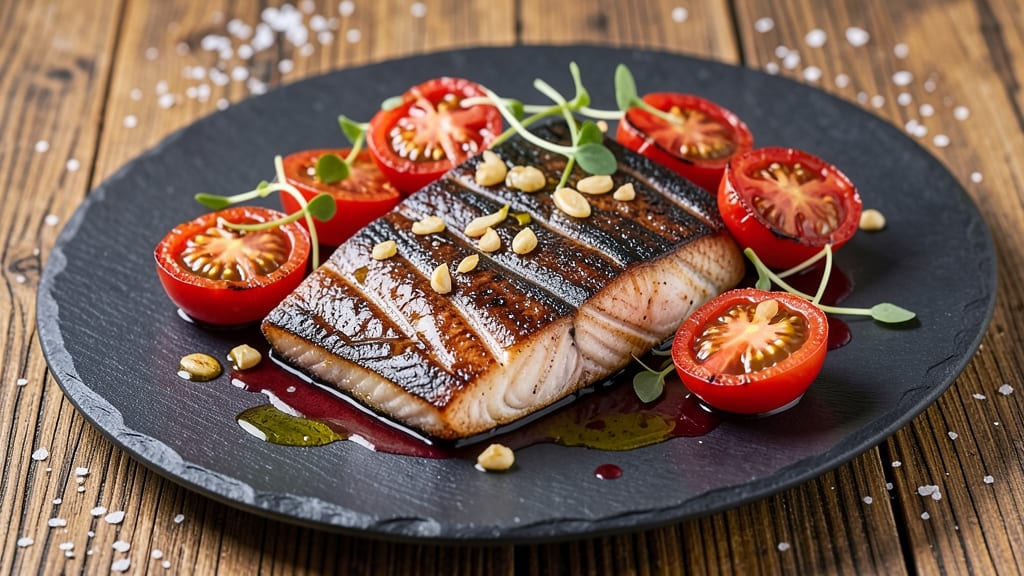
Black cod with tomatoes creates a delicate balance of silky fish and bright acidity that elevates any dinner table. This recipe transforms tender black cod into melt-in-your-mouth perfection while letting fresh tomatoes add a vibrant, tangy contrast.
After years of perfecting the technique, I’ve found the right heat level and sauce reduction time to achieve that restaurant-quality finish without the fuss.
The secret lies in searing the cod just enough to lock in flavor before gently simmering it in a rich tomato sauce. This method preserves the fish’s natural richness while letting the tomatoes develop into a velvety, slightly sweet accompaniment.
The result is a dish that’s elegant yet approachable, perfect for both special occasions and weeknight dinners.
By the time you plate it, you’ll have perfectly cooked black cod with a glossy, golden surface and a sauce that clings beautifully to each flake. The bright acidity of the tomatoes cuts through the richness of the fish, creating a harmonious balance that’s both satisfying and refined.
Serve it with steamed jasmine rice or a simple arugula salad to complete the meal.
This recipe delivers professional results with straightforward steps, making it ideal for home cooks who want restaurant-quality dishes without the complexity. The key is patience—letting the sauce reduce slowly and the fish cook gently ensures every bite is tender and full of flavor. Let’s get started!
Ingredients for black cod tomato
Sixteen ingredients balance delicate fish with vibrant tomato sauce for elegant weeknight dining.
| Ingredient | Amount | Notes |
|---|---|---|
| Black Cod Fillets 🐟 | 2 whole | Skin-on, 6-8 oz each, sushi-grade preferred |
| San Marzano Tomatoes 🍅 | 1 ½ lb | Fresh, ripe, or high-quality canned |
| Extra-Virgin Olive Oil 🫒 | ½ cup | Light fruity variety, not heavy |
| Shallots 🧅 | 2 whole | Finely minced, or sub 4 tbsp onion |
| Garlic Cloves 🧄 | 4 cloves | Thinly sliced, not minced |
| Dry White Wine 🍷 | ½ cup | Sauvignon Blanc or Pinot Grigio |
| Fish Stock 💧 | 1 cup | Homemade or quality low-sodium |
| Heavy Cream 🥛 | ¼ cup | Full-fat for velvety texture |
| Unsalted Butter 🧈 | 2 tbsp | Cold, for finishing |
| Fresh Basil Leaves 🌿 | ¼ cup | Chopped, for garnish |
| Lemon Zest 🍋 | 1 tsp | Bright yellow lemon |
| Kosher Salt 🧂 | 1 ½ tsp | Adjust to taste |
| Freshly Ground Black Pepper 🌶️ | ½ tsp | Light hand only |
| Jasmine Rice 🍚 | 1 cup | Uncooked, for serving |
The black cod is the star—sushi-grade quality ensures silky texture without overpowering flavors. Look for 6-8 oz fillets with even thickness at specialty seafood markets or high-end grocery stores like Whole Foods. If using frozen, thaw overnight in the fridge—never at room temperature. San Marzano tomatoes are non-negotiable for sauce quality; their natural sweetness balances the fish's richness. For fresh tomatoes, choose vibrant red, firm varieties like Roma or heirloom. The shallots and garlic should be freshly minced just before cooking to prevent bitterness—don't use pre-minced from jars.
No white wine? Fish stock with 1 tbsp lemon juice mimics the acidity beautifully. Substituting tomatoes? Canned San Marzano works 1:1, but fresh is ideal. For a dairy-free version, replace heavy cream with equal parts coconut cream and fish stock. The butter at the end is crucial—it adds shine and richness. If you're short on time, ghee works identically. Fresh basil is best, but dried oregano at 1/4 the amount works in a pinch. The jasmine rice should be steamed to perfect tenderness—al dente rice won't absorb the sauce properly.
This dish reheats beautifully—gentle warming on low heat preserves the cod's texture. Store leftovers in an airtight container with a thin layer of sauce on top to prevent drying. Keeps 2-3 days refrigerated or 1 month frozen. For freezing, portion sauce separately from fish to maintain quality. The rice can be cooked ahead and reheated separately. When plating, always add a generous drizzle of sauce over the fish—it clings best when hot.
Why You'll Love This Recipe
- No-Fuss Cooking: I swear, this dish is that easy—just sear the cod, toss in halved San Marzano tomatoes, and let the olive oil do the magic. No peeling, no dicing, no stress.
- Umami Bomb: That first bite? The sweetness of the tomatoes meets the rich, buttery cod, all kissed by garlic and shallots. It’s the kind of flavor that makes you close your eyes and sigh.
- Date Night Ready: Fancy enough for a Friday dinner but simple enough to throw together when your partner’s boss is over. The cod looks elegant, but honestly? It’s foolproof.
- Leftovers That Don’t Suck: Unlike most fish dishes, this reheats like a dream—just a quick warm in the pan with a splash of water. My lunchbox has never been happier.
Step-by-step instructions for black cod with tomatoes
Here's the method for silky fish and vibrant tomato sauce that balances rich texture with bright acidity.
Prepare the Black Cod and Tomatoes
Pat the 2 whole black cod fillets dry with paper towels, removing any remaining moisture from the skin. This step is crucial—wet skin prevents proper browning. Place the fillets skin-side down on a cutting board and score the skin in a crosshatch pattern using a sharp knife, being careful not to cut into the flesh. This creates a textured surface that holds the sauce beautifully.
For the tomatoes, peel and seed 1.5 lb of San Marzano tomatoes by making a small "X" on the bottom of each tomato, blanching them in boiling water for 30 seconds, then shocking in ice water. The skin will slip off easily. Chop the tomatoes into ½-inch pieces, removing any seeds or white pith. Set aside—you'll notice the tomatoes release some liquid as you work with them, which will contribute to the sauce's depth.
Build the Tomato Sauce Base
Heat 0.5 cup of extra-virgin olive oil in a large, deep skillet over medium heat. Add the 2 finely minced shallots and cook for 5 minutes until soft and translucent. Add the 4 thinly sliced garlic cloves and cook for another 30 seconds until fragrant—this prevents the garlic from burning, which would make the sauce bitter.
Pour in the 0.5 cup of dry white wine and let it simmer for 2 minutes until reduced by half. Add the chopped tomatoes, 1.5 tsp of kosher salt, and 0.5 tsp of freshly ground black pepper. Bring to a gentle simmer and cook uncovered for 15 minutes, stirring occasionally. The sauce should thicken slightly and develop a rich, concentrated tomato flavor. If it reduces too quickly, add ¼ cup of fish stock to maintain moisture.
Cook the Black Cod in the Sauce
Carefully place the scored black cod fillets skin-side down into the tomato sauce. Reduce the heat to low and simmer gently for 4-5 minutes. You'll see the skin begin to crisp slightly while the flesh remains tender—this is the ideal texture for black cod. The sauce should coat the fish but not overwhelm it; if it's too thick, add another ¼ cup of fish stock to loosen it.
Once the skin is just beginning to crisp and the flesh is opaque but still tender, remove the fillets with a spatula and set them aside on a warm plate. The cod should flake easily when tested with a fork but still hold together. Keep the sauce warm in the skillet—it will continue to thicken as it rests.
Finish the Sauce and Plate
Return the skillet to medium heat and stir in the 0.25 cup of heavy cream and 2 tbsp of cold unsalted butter. Let the sauce simmer for 2 minutes until it becomes velvety and slightly thickened. Add the 1 tsp of lemon zest and the 0.25 cup of chopped fresh basil leaves, stirring gently to incorporate. Taste and adjust the seasoning with additional salt or pepper if needed.
To plate, spoon the sauce over the black cod fillets, arranging them skin-side up. The crispy texture of the skin contrasts beautifully with the silky sauce. Serve immediately with 1 cup of cooked jasmine rice on the side to soak up any remaining sauce. The bright acidity of the tomatoes and lemon zest cuts through the richness of the fish, creating a perfectly balanced dish.
Pro Tips For Making Black Cod Tomato
- Pat Dry the Cod: Black cod stays tender when it’s not swimming in its own juices. Grab paper towels and press hard—this isn’t the time to be gentle. Wet skin = steam = rubbery fish. (Yes, even if it feels dramatic.)
- Sear Before Tomatoes: Hit the cod with a screaming-hot pan and olive oil first—no waiting for the tomatoes to soften. A 2-minute crust on each side locks in flavor before the acidity kicks in. I learned this the hard way when my cod turned mushy under a slow simmer.
- Crush Garlic Like Salt: No mincing—just smash those cloves with the flat of your knife, then sprinkle over the shallots. It releases more oil and flavor faster than chopped bits. (And skip the garlic press; it makes paste, not magic.)
- Save the Brightest Tomato: Hold back one whole San Marzano until the end—slice it raw over the finished dish. The raw acidity cuts through the richness of the cod and olive oil like a knife. (Trust me, it’s the only way to wake up the plate.)
Essential equipment for black cod tomato
Deep Skillet Essentials
Start with a 12-inch cast-iron skillet—I swear by my Lodge Pre-Seasoned—because it retains heat beautifully and develops a natural non-stick patina over time. The deep sides prevent sauce splatter while cooking the delicate black cod.
If you don’t own cast iron, a high-quality stainless steel skillet like All-Clad Stainless works too, but preheat it longer to avoid cool spots. 🔥
For sauce reduction, invest in a tempered glass lid—it lets you monitor the sauce’s progress without losing steam. I use the OXO Good Grips lid because it fits my Lodge skillet perfectly and has a sturdy handle.
If you’re working with fresh tomatoes, a fine-mesh strainer (like OXO Good Grips) helps remove excess seeds and skin for a smoother sauce.
Precision Tools Matter
A digital kitchen scale (I use OXO Good Grips) ensures accurate measurements for the fish and sauce ingredients—black cod should be 6-8 oz per fillet for perfect doneness.
For scoring the cod skin, a sharp chef’s knife (like Wüsthof Ikon) with a 205mm blade gives you clean, precise lines without tearing the flesh. A fish spatula (I recommend Mercer Culinary) helps transfer the delicate fillets without breaking them.
Temperature control is key, so a thermometer (I love the ThermoWorks Thermapen) lets you monitor the sauce’s heat. Keep it between 180-190°F for gentle simmering—any hotter, and the cod will overcook.
A microplane (like OXO Good Grips) is perfect for zesting the lemon and mincing shallots to a fine texture that dissolves into the sauce.
Sauce Thickening Tools
For the velvety finish, a whisk (I prefer Mercer Culinary’s silicone-coated version) blends the heavy cream and butter smoothly into the sauce. If your sauce reduces too quickly, keep fish stock (homemade or Knorr Low-Sodium) on hand to adjust consistency.
A fine-mesh sieve (like OXO Good Grips) strains any unwanted bits from the sauce before plating.
Finally, a tongs set (I use Mercer Culinary’s stainless steel) helps plate the fish with confidence—gently grip the fillets to avoid tearing the crispy skin. For garnish, a pair of kitchen shears (like OXO Good Grips) makes quick work of chopping fresh basil leaves.
These tools ensure every step—from searing to plating—is executed with precision. ✨
Nutrition facts
Frequently asked questions
Why do we score the black cod skin before cooking?
The crosshatch pattern on the skin creates a textured surface that helps the tomato sauce cling beautifully to the fillets. This technique also prevents the skin from curling too tightly during cooking, ensuring even exposure to heat. The result is a crispy, flavorful exterior that contrasts perfectly with the silky flesh inside.
Can I substitute San Marzano tomatoes with regular tomatoes?
While San Marzano tomatoes are ideal for their natural sweetness and low acidity, you can use regular Roma tomatoes as a substitute. For best results, remove all seeds and excess liquid to prevent a watery sauce. If using vine-ripened varieties, add an extra ½ teaspoon of lemon juice to balance the flavors during cooking.
How do I know when the black cod is perfectly cooked?
The cod is done when it reaches an internal temperature of 130-135°F and the flesh flakes easily with a fork but still holds together. The skin should be just beginning to crisp while the center remains tender. Overcooking will make the fish dry and crumbly, so remove it from the sauce as soon as it reaches this stage.
What's the best way to reheat leftovers?
Gently reheat the dish on low heat in a skillet with a splash of fish stock or water to maintain moisture. Avoid high heat, which can dry out the cod. For best results, reheat only the sauce separately and combine it with the fish just before serving. This method preserves the delicate texture of the fish and keeps the sauce velvety.
Why does the recipe call for both white wine and heavy cream?
The white wine adds acidity that brightens the tomatoes and cuts through the richness of the fish, while the heavy cream creates a luxurious, velvety texture that complements the cod's natural richness. Together, they create a perfect balance of flavors and mouthfeel. If you prefer a lighter version, you can reduce the cream to ¼ cup and add an extra ¼ cup of fish stock.