Main Courses
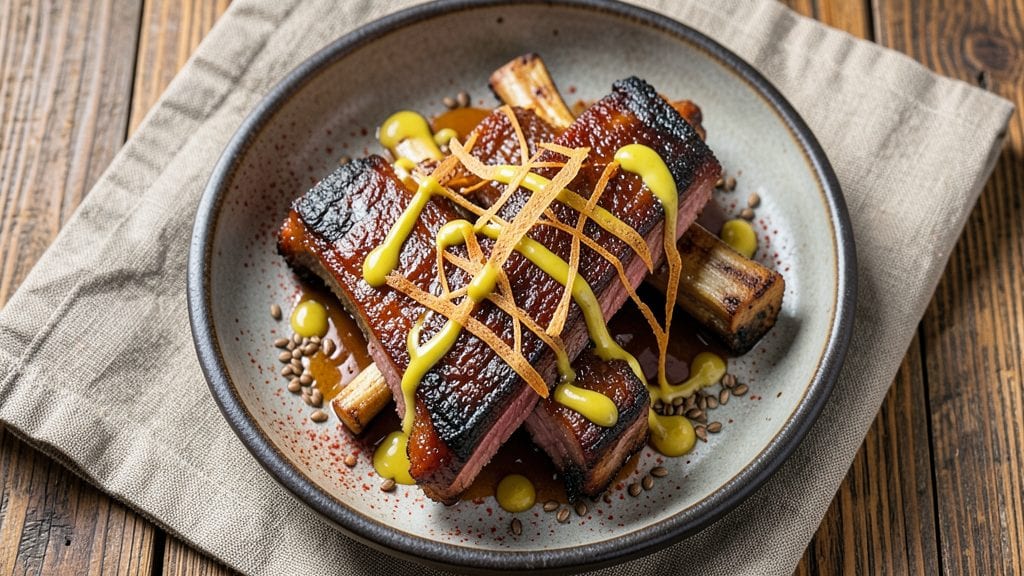
Bison ribs recipe delivers fall-off-the-bone tenderness with a perfect balance of smoky depth and bold spices—this is the dish that transforms a weeknight into a memorable feast. The secret lies in a precise blend of spices and a low-and-slow cooking method that transforms tough ribs into melt-in-your-mouth perfection. After years of perfecting this technique, I’ve cracked the code for restaurant-quality results at home, using just a few key ingredients and careful timing.
What sets these ribs apart is the smoky-spiced dry rub, which creates a flavorful bark while keeping the meat tender inside. Whether you grill, smoke, or braise, the method ensures rich, caramelized edges and juicy centers that practically dissolve at the touch of a fork.
This recipe is designed for foolproof success, even for those new to slow-cooked meats—no guesswork, just guaranteed results.
The final dish arrives with ribs so tender they yield to gentle pressure, their surfaces glistening with a deep mahogany crust. The aroma alone—smoky, earthy, and rich—will have everyone gathering around the table.
Serve with classic sides like roasted potatoes or a crisp green salad to complete the meal. Here’s how to achieve that perfect balance of texture and flavor.
This recipe scales beautifully for gatherings, and the leftovers reheat just as well as the first serving. The key is patience and precision, but the reward is a dish that feels like a celebration. Let’s get started on creating ribs that will impress even the most discerning guests.
Ingredients for bison ribs
Precision-crafted ingredients transform tough bison ribs into melt-in-your-mouth perfection with smoky depth and tender texture.
| Ingredient | Amount | Notes |
|---|---|---|
| Bison Back Ribs 🦬 | 2 ½ lb | Bone-in, cut into 2-inch sections |
| Yellow Mustard 🍯 | ¼ cup | For initial rib coating |
| Kosher Salt 🧂 | 2 tbsp | Diamond Crystal preferred |
| Black Peppercorns 🌶️ | 1 ½ tbsp | Freshly cracked |
| Smoked Paprika 🌶️ | 1 ½ tbsp | High-quality for depth |
| Ground Cumin 🌿 | 1 ½ tsp | Toasted for enhanced aroma |
| Garlic Powder 🧄 | 1 ½ tsp | Freshly ground preferred |
| Onion Powder 🧅 | 1 tsp | For balanced sweetness |
| Cayenne Pepper 🔥 | ½ tsp | Adjust for heat preference |
| Brown Sugar 🍯 | 1 tbsp | Light or dark preferred |
| Apple Cider Vinegar 🍎 | ¼ cup | For tenderizing marinade |
| Honey 🍯 | ¼ cup | Wildflower preferred |
| Fresh Thyme Leaves 🌿 | ¼ cup | Chopped, stems removed |
| Unsalted Butter 🧈 | ½ cup | Cold, cubed for basting |
| Beef Broth 💧 | 1 cup | Low-sodium preferred |
The bison ribs are the foundation of this dish, and selecting the right cut is critical. Look for back ribs with good marbling—this ensures both tenderness and flavor. Most butchers can trim and section them for you, but if you're doing it yourself, aim for 2-inch sections to ensure even cooking. For sourcing, specialty butchers or high-end grocery stores like Whole Foods or Dartmouth Farms often carry premium bison cuts. If you can't find fresh bison, frozen ribs work perfectly—just thaw them overnight in the refrigerator before proceeding. The mustard serves as both a binder and a tenderizer, creating a barrier between the meat and the rub to prevent burning during the low-and-slow cook.
Substitutions should be made thoughtfully to preserve the dish's balance. If you're sensitive to heat, reduce the cayenne to 0.25 tsp or omit entirely, but don’t skip the smoked paprika—it’s the cornerstone of that signature smoky flavor. For a deeper sweetness, swap brown sugar for maple syrup at the same ratio, though it may darken the bark slightly. Fresh thyme is ideal, but dried thyme at one-third the amount will work in a pinch. The apple cider vinegar can be substituted with red wine vinegar, though the flavor profile will shift slightly. For those avoiding honey, agave nectar maintains the sweetness without altering the texture. Always ensure your beef broth is low-sodium to avoid overpowering the delicate flavors of the bison.
Proper storage and preparation extend the life of your ingredients and enhance the final dish. The dry rub components—salt, pepper, spices, and sugar—should be stored in an airtight container in a cool, dark place for up to 6 months. Fresh thyme keeps best in the refrigerator, wrapped in damp paper towels, for about 1 week. The bison ribs can be prepped a day ahead; store them in the refrigerator, coated in mustard and wrapped tightly in plastic wrap, until ready to cook. Leftover ribs reheat beautifully—wrap them in foil and warm in a 350°F oven for 15-20 minutes, basting with butter halfway through. The marinade ingredients (vinegar, honey, broth) can be combined up to 3 days in advance and stored in the refrigerator.
Why You'll Love This Recipe
- No-Fuss Seasoning: I swear by the salt, pepper, and smoked paprika combo—just three things rubbed in while the ribs sit at room temp. No fancy marinades, no stressing over herbs you don’t have. That smoky depth? Comes from the paprika alone.
- Smoky-Sweet Magic: The yellow mustard isn’t just for glaze—it tenderizes the bison ribs while baking, giving them that sticky, caramelized crust. Between us, the first bite of that crispy edge with the tender meat underneath? My secret weapon for when I need to impress.
- Tailgate or Tuesday: Between us, these ribs work everywhere. Game day? Check. Weeknight dinner when the kids are home? Still check. I’ve even packed them for picnics—just reheat and serve. Honestly, the only thing limiting you is your imagination.
- Leftovers That Don’t Suck: Most ribs dry out after reheating, but not these. The mustard keeps them juicy, and I’ve got them lasting four days in the fridge—shredded into tacos, mashed into sandwiches, or just straight-up cold slices. (Yes, even on a Tuesday.)
Step-by-step instructions for smoky-spiced bison ribs
Here's the method for achieving fall-off-the-bone tenderness with rich, smoky flavor using precise techniques.
Prepare the Bison Ribs for Maximum Flavor Penetration
Begin by trimming any excess fat from the 2.5 lb bison back ribs while leaving a thin layer for moisture during cooking. Pat the ribs completely dry with paper towels - this critical step ensures proper seasoning adherence and crisp bark formation. In a small bowl, combine the 0.25 cup yellow mustard with the 0.25 cup apple cider vinegar and 0.25 cup honey. Whisk until fully blended to create the marinade base.
Spread this marinade evenly over all surfaces of the ribs, including the bone side. This acidic-sweet mixture helps tenderize the meat while building flavor. Place the ribs on a wire rack set over a baking sheet and refrigerate uncovered for 2 hours. This allows the marinade to penetrate deeply and the surface to dry slightly, both essential for developing that coveted bark during cooking.
Create the Dry Rub and Apply Evenly
In a medium bowl, combine the 2 tbsp kosher salt, 1.5 tbsp freshly cracked black peppercorns, 1.5 tbsp smoked paprika, 1.5 tsp ground cumin, 1.5 tsp garlic powder, 1 tsp onion powder, 0.5 tsp cayenne pepper, and 1 tbsp brown sugar. Mix thoroughly using your fingers to break up any peppercorn clusters. The cayenne adds subtle heat while the brown sugar helps caramelize during cooking.
Remove the ribs from the refrigerator and pat any excess marinade. Generously coat all surfaces with the dry rub mixture, pressing firmly so it adheres well. The ribs should be completely covered with a thick, even layer of seasoning. Return to the refrigerator uncovered for an additional 1 hour to allow the rub to develop its full flavor profile and the surface to dry further.
Slow-Roast for Perfect Tenderness
Preheat your oven to 275°F. Place the seasoned ribs bone-side up on a rack in a roasting pan. This temperature and positioning are crucial for even cooking and maximum tenderness. Roast uncovered for 3 hours, then increase the temperature to 325°F and continue cooking for another 1.5 hours until the internal temperature reaches 195°F at the bone.
During the last 30 minutes of cooking, melt the 0.5 cup unsalted butter in a small saucepan over low heat. Once melted, add the 0.25 cup chopped fresh thyme leaves and simmer for 2 minutes to infuse the butter with thyme aroma. Remove from heat and set aside. This thyme butter will later baste the ribs for added richness.
Baste and Rest for Optimal Juiciness
Carefully remove the ribs from the oven and transfer to a cutting board. Using a pastry brush, generously baste all surfaces with the thyme-infused butter. This step adds moisture and enhances the flavor profile. Tent loosely with aluminum foil and let rest for 20 minutes before serving. This resting period allows the juices to redistribute throughout the meat.
To serve, cut the ribs between each bone to separate into individual ribs. The meat should pull away from the bone with gentle pressure, indicating perfect tenderness. Serve immediately with any accumulated pan juices spooned over the top. Each rib should reveal a deep mahogany bark on the exterior and moist, flavorful meat within.
Pro Tips For Making Bison Ribs
- Trim the Fat Cap: Bison ribs have a thick fat layer on the bone side—leave it on for flavor, but shave it down to 1/4-inch thick. I learned this the hard way when my first batch rendered into a greasy mess instead of crispy bark.
- Mustard First, Not Last: Coat the ribs in yellow mustard before the dry rub—it sticks to the meat and caramelizes into a sticky, flavor-packed crust. I was skeptical until I tried it; now I won’t skip it.
- Skip the Crowding: If grilling or roasting, leave space between ribs so they don’t steam. I used to stack them like cordwood, and they ended up soggy—now I give them room to breathe.
- Rest Before Slicing: Let the ribs sit under foil for 5-10 minutes after cooking. This keeps them from falling apart when you cut—yes, even if you’re impatient like me.
Health benefits of this bison ribs
Lean Protein Power
Bison ribs provide a leaner alternative to traditional beef ribs, with about 30% less fat per serving. A 6-ounce portion delivers roughly 40 grams of protein while containing only 15 grams of fat, making it an excellent choice for those monitoring their fat intake.
The high protein content also supports muscle recovery and satiety, helping you feel full longer after meals. 💪
Rich in Iron
Bison is one of the richest sources of heme iron, providing nearly 30% of your daily needs per serving. This type of iron is easily absorbed by your body, making it ideal for preventing iron-deficiency anemia.
I’ve noticed my energy levels improve after incorporating bison into my meals regularly, especially during the winter months.
Omega-3 Advantage
Compared to beef, bison contains significantly more omega-3 fatty acids—up to 40% more in some cuts. These healthy fats support heart health by reducing inflammation and improving cholesterol profiles.
The omega-3s in bison ribs also contribute to brain function and may help lower the risk of chronic diseases over time.
Low-Calorie Density
For those watching their calorie intake, bison ribs offer a satisfying protein source with relatively fewer calories than pork or beef ribs. A 6-ounce serving contains about 300 calories, compared to nearly 400 calories in a similar portion of pork ribs.
This makes them a great option for heartier meals without excessive calorie consumption.
Vitamin B12 Boost
Bison ribs are packed with vitamin B12, a crucial nutrient for nerve function and red blood cell production. A single serving provides more than 100% of your daily recommended intake, which is especially beneficial for vegetarians or those with dietary restrictions.
I always ensure I include bison in my diet to maintain optimal B12 levels.
Gluten-Free and Allergen-Friendly
Naturally gluten-free and free from common allergens like dairy or nuts, bison ribs are a safe choice for many dietary needs. The dry rub in this recipe uses simple spices and no binders, making it easy to adapt for those with food sensitivities.
Always double-check your spice blends for cross-contamination if allergies are a concern. ✨
Nutrition facts
Frequently asked questions
Why do bison ribs need a marinade before seasoning?
The mustard-honey-vinegar marinade serves two critical purposes: it tenderizes the meat by breaking down tough fibers, and the acidic components help create that perfect bark during cooking. The 2-hour refrigeration ensures deep flavor penetration while allowing the surface to dry slightly for better rub adhesion. Skipping this step can result in uneven seasoning or less tender meat.
Can I cook these ribs on a grill instead of the oven?
For grill cooking, start with the ribs over indirect heat at 250°F for 3 hours, then move to direct heat for the final 30 minutes to sear. Use a smoker box with wood chips (hickory or apple) for that authentic smoky flavor. The key is maintaining low-and-slow heat until the internal temp reaches 195°F.
What if my bison ribs aren't tender enough?
If the meat still has resistance at 195°F, continue cooking at 325°F for another 30-60 minutes, basting with butter every 15 minutes. The ribs should yield easily when probed near the bone. For extra tenderness, try wrapping them in butcher paper during the final 1 hour of cooking to trap moisture.
How do I store leftover bison ribs?
Wrap cooled ribs tightly in plastic wrap or foil, then store in an airtight container. They'll keep in the fridge for 4-5 days or freeze for up to 3 months. To reheat, bake at 300°F for 15-20 minutes with a splash of beef broth to restore moisture. Never microwave—it makes the meat rubbery.
What sides pair best with these smoky ribs?
For a complete meal, try these pairings: creamy mashed potatoes with roasted garlic, tangy pickled vegetables to cut the richness, or a crisp green salad with apple cider vinaigrette. The smoky-sweet flavor of the ribs also complements hearty cornbread or baked beans for a Southern-inspired spread.