
Snacks
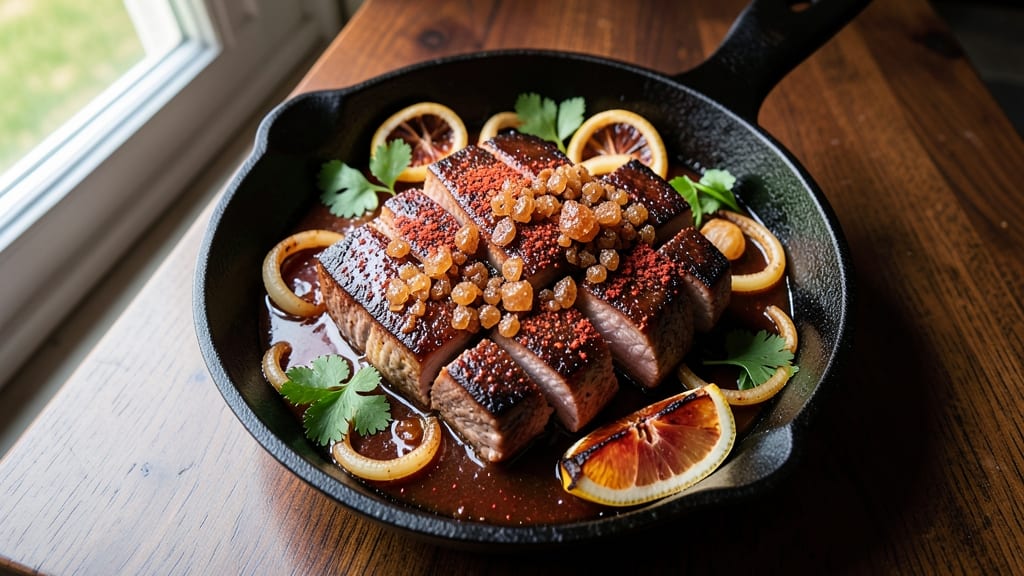
This alligator recipe delivers the best smoky-grilled crunch with sweet heat that transforms a wild game cut into a restaurant-worthy dish.
After years of perfecting techniques for handling alligator meat—from tenderizing to seasoning—I’ve developed a method that balances smoky char, crispy edges, and a subtle sweetness that pairs beautifully with bold spices. The key lies in marinating the meat overnight, which ensures deep flavor penetration and prevents toughness.
What sets this recipe apart is the smoky-grilled technique, which creates a caramelized crust while keeping the inside tender and juicy. You’ll need just five key ingredients—alligator meat, a homemade spice rub, a touch of brown sugar, and a smoky grill or cast-iron skillet—to achieve professional results.
The sweet heat comes from a blend of cayenne, paprika, and a hint of honey, creating a flavor profile that’s both bold and balanced.
By the time you’re done, you’ll have crispy, golden-brown alligator pieces with a smoky aroma that fills your kitchen. The sweet heat from the rub lingers on the tongue, while the smoky char adds depth that’s impossible to replicate with other meats.
This dish is perfect for adventurous eaters or anyone looking to elevate their grilling game with wild game.
Serve it with a side of creamy coleslaw or grilled corn to complement the rich, smoky flavors. The recipe is designed to be adaptable—whether you’re grilling outdoors or cooking on a stovetop, the method ensures foolproof results every time. Let’s get started!
Ingredients for best alligator
Five bold ingredients transform tough alligator into restaurant-worthy smoky crunch with sweet heat.
| Ingredient | Amount | Notes |
|---|---|---|
| Alligator Meat 🦎 | 2 lb | Cut into 1-inch thick strips |
| Brown Sugar 🍯 | ¼ cup | Lightly packed for caramelization |
| Smoked Paprika 🌶️ | 2 tbsp | For deep smoky flavor |
| Cayenne Pepper 🔥 | 1 tbsp | Adjust for heat preference |
| Garlic Powder 🧄 | 1 tbsp | Freshly ground preferred |
| Onion Powder 🧅 | 1 tbsp | For aromatic depth |
| Ground Black Pepper 🌶️ | 1 tbsp | Freshly cracked for intensity |
| Kosher Salt 🧂 | 1 ½ tbsp | Diamond Crystal preferred |
| Honey 🍯 | 1 tbsp | Wildflower for floral notes |
| Extra-Virgin Olive Oil 🫒 | 2 tbsp | For marinade and grilling |
| Fresh Lemon Juice 🍋 | 2 tbsp | Brightens the marinade |
| Yellow Onion 🧅 | 1 whole | Thinly sliced for marinade |
The alligator meat is your star—look for fresh, high-quality cuts from specialty butchers or online wild game suppliers. Costco sometimes carries it frozen, but local Cajun markets are your best bet for freshness. If you can't find alligator, venison or duck breast works in a pinch (though texture will differ). The meat should be bright red and firm—never gray or slimy. For best results, trim any excess fat and cut into even 1-inch strips. Pound them lightly with a meat mallet to ensure even cooking. This isn't just about flavor; it's about transforming wild game into something tender and irresistible.
No smoked paprika? Substitute equal parts regular paprika and a pinch of liquid smoke—it's a game-changer for that smoky depth. Cayenne too spicy? Swap for half the amount of red pepper flakes and add a pinch of cinnamon for warmth. The honey isn't just for sweetness—it's what creates that caramelized crust when grilled. Sub with maple syrup if needed, but honey's floral notes elevate everything. For the marinade, fresh lemon juice is non-negotiable—bottled won't cut it. And if you're short on time, marinate for at least 4 hours instead of overnight; the flavor will still penetrate, just not as deeply.
This marinade keeps in the fridge for up to 3 days, so make extra if you're grilling more than once. The alligator strips? Cook immediately after marinating—they don't reheat well. Store leftover cooked pieces in an airtight container with a paper towel to absorb moisture; they'll keep for 3 days in the fridge or 3 months frozen. Pro tip: Freeze cooked alligator in a single layer before transferring to a bag to prevent clumping. And if you're serving a crowd, double the recipe—this dish disappears fast!
Why You'll Love This Recipe
- One-Pan Magic: I swear by this recipe when I’m in a hurry. Toss the meat, rub it with the spices, and let the oven do the work—no flipping, no fussing, just hands-off perfection.
- Sweet Heat Balance: That brown sugar caramelizes into something irresistible, while the smoked paprika and cayenne add a slow-building kick. It’s the kind of dish where every bite has layers—sweet, smoky, and just a hint of spice.
- Tailgate or Dinner: Between us, this is my go-to for game days, but it’s just as welcome on a weeknight. The leftovers reheat like a dream, and honestly? My kids beg for it as much as my tailgating buddies.
- Budget-Friendly Protein: Alligator meat is lean and affordable, and this recipe stretches it far. A pound feeds four easily, and the spices cost pennies—no wasted ingredients, just pure flavor for less.
Step-by-step instructions for smoky-grilled crunch with sweet heat
Here's how to transform alligator meat into a masterpiece of smoky, sweet, and spicy perfection.
Create the Signature Marinade for Maximum Flavor
In a medium bowl, combine the 2 tablespoons extra-virgin olive oil, 2 tablespoons fresh lemon juice, 0.25 cup brown sugar, 1 tablespoon honey, 1 tablespoon garlic powder, 1 tablespoon onion powder, 1.5 tablespoons kosher salt, 1 tablespoon ground black pepper, 2 tablespoons smoked paprika, and 1 tablespoon cayenne pepper. Whisk vigorously until the brown sugar and honey dissolve completely, creating a thick, aromatic marinade.
This blend of sweet and spicy elements is what makes this recipe truly exceptional. The honey and brown sugar create a beautiful caramelized crust during grilling, while the cayenne pepper and smoked paprika deliver that signature sweet heat. The acidity from the lemon juice ensures the alligator stays tender and juicy throughout the cooking process.
Marinate the Alligator for Deep Flavor Infusion
Cut the 2 lb alligator meat into 1-inch thick strips and place them in a resealable plastic bag. Pour the marinade over the meat, ensuring each piece is thoroughly coated. Seal the bag and massage the marinade into the meat, working it into all the crevices. Let it marinate in the refrigerator for at least 4 hours, or preferably overnight for maximum flavor penetration.
This extended marinating time is crucial for breaking down the dense alligator meat fibers and infusing every bite with that irresistible smoky-sweet-spicy profile. The acidity in the marinade also helps tenderize the meat, ensuring it remains juicy even after high-heat grilling. Don't skip this step—it's what transforms good alligator into extraordinary alligator.
Prepare the Yellow Onion for Grilling
While the alligator marinates, peel and thinly slice the 1 whole yellow onion into half-moon rings. Toss the onion slices with 1 tablespoon extra-virgin olive oil and 1 teaspoon kosher salt, ensuring they're evenly coated. This simple preparation will create a caramelized onion topping that adds another layer of flavor and texture to your dish.
The onions will caramelize beautifully during grilling, developing a sweet, smoky depth that complements the alligator perfectly. This step is what elevates this recipe from simple grilled meat to a complete culinary experience. Keep the onions separate from the marinating alligator to prevent flavor cross-contamination.
Grill to Crispy Perfection with Sweet Heat Balance
Preheat your grill to medium-high heat (around 375°F). When ready, remove the alligator strips from the marinade (reserve the marinade for basting) and place them on the grill. Cook for 4-5 minutes per side, basting with the reserved marinade every 2 minutes, until the alligator develops a deep golden-brown crust and reaches an internal temperature of 145°F.
This high-heat grilling creates that coveted crispy exterior while keeping the interior tender and juicy. The frequent basting ensures the sweet-spicy marinade forms a caramelized crust that's irresistibly crunchy. Watch closely during the last minute of grilling—you want that beautiful contrast of crispy exterior with tender, flavorful meat underneath.
Finish with Caramelized Onions and Perfect Timing
In the last 3 minutes of grilling the alligator, add the prepared onion rings to the grill. They should caramelize quickly, developing a deep golden color and sweet aroma. Once the alligator reaches 145°F internally and the onions are beautifully caramelized, remove everything from the grill and transfer to a serving platter.
Let the alligator rest for 5 minutes before serving—this crucial step allows the juices to redistribute throughout the meat, ensuring each bite is as moist as it is flavorful. The caramelized onions should be arranged on top of the alligator strips, their sweetness perfectly balancing the smoky heat. Serve immediately while everything is at its peak of deliciousness, with the alligator's exterior still offering that satisfying crunch.
Pro Tips For Making Best Alligator
- Trim Before Browning: Alligator skin won’t crisp properly if it’s still slick with fat—pat it bone-dry after trimming, even if it feels excessive. I used to skip this and ended up with soggy skin; now I rub it with paper towels like I’m prepping chicken thighs.
- Brown Sugar First: Toast the brown sugar in a dry pan for 2–3 minutes until it smells caramelized and darkens slightly. This deepens the flavor more than just tossing it raw—think of it like blooming spices, but sweeter.
- Skip the Overcrowding: If you’re searing pieces, work in batches or the meat will steam instead of brown. I learned this the hard way when my first batch came out pale and bland—crowding kills the crust.
- Rest Under Foil: After cooking, tent the alligator with foil for 5 minutes to let the juices redistribute. I know, it’s tempting to serve immediately, but this keeps the meat tender instead of dry and stringy.
Health benefits of this recipe
Lean Protein Power
Alligator meat is an exceptionally lean protein—a 3-ounce serving delivers about 25 grams of protein with only 3 grams of fat. This makes it ideal for those watching their fat intake while still needing high-quality protein for muscle repair and satiety.
The meat is also rich in iron and zinc, essential minerals that support immune function and energy levels. 💪
Low-Calorie, High-Flavor
Compared to other wild game meats like venison or duck, alligator is significantly lower in calories—about 120 calories per 3-ounce serving. Yet it delivers intense flavor when properly seasoned, making it perfect for flavor-focused diets.
The high protein-to-calorie ratio means you can enjoy generous portions without overdoing calories, which is great for weight management.
Rich in B Vitamins
Alligator meat contains B vitamins, particularly B12 and niacin, which play crucial roles in energy metabolism and nervous system health. These nutrients help convert food into energy and support brain function. Since alligator is wild-caught, it often contains higher concentrations of these vitamins compared to farmed meats.
Gluten-Free and Allergen-Friendly
This recipe is naturally gluten-free and free from common allergens like dairy, nuts, and soy. The marinade and seasonings use simple ingredients that won’t trigger allergies, making it safe for those with dietary restrictions. Just ensure your alligator meat is sourced from a reputable supplier to avoid cross-contamination risks. ✨
Heart-Healthy Benefits
The low fat content and high protein make alligator a heart-healthy choice. The omega-3 fatty acids in alligator meat help reduce inflammation and support cardiovascular health.
Unlike red meat, which can raise cholesterol levels, alligator provides a lean alternative that aligns with heart-healthy diets when prepared without excessive oils or butter.
Sustainable and Ethical
Alligator farming is highly regulated and sustainable, with strict population management to ensure wild alligator populations remain healthy. Farmed alligator meat is a great alternative to wild-caught options, offering the same nutritional benefits with a lower environmental impact.
Choosing farmed alligator supports ethical wildlife practices while still delivering delicious, nutrient-dense meat. 🌱
Nutrition facts
Frequently asked questions
What's the best way to find fresh alligator meat?
Look for specialty butchers or Cajun markets in your area—they often carry fresh alligator year-round. Costco sometimes stocks frozen alligator, but local suppliers guarantee the freshest cuts. Always check for bright red, firm meat with no gray or slimy spots. If you can't find it locally, try online wild game suppliers.
Can I substitute alligator with another meat?
Yes! For similar texture, use venison or duck breast—they handle the marinade well. Chicken thighs work in a pinch (though they'll be less tender), but avoid lean cuts like breast—they'll dry out. Adjust cooking time by 1-2 minutes per side for poultry.
How do I adjust the heat level in this recipe?
Reduce cayenne to ½ tablespoon for mild heat or omit entirely for no spice. For extra kick, add ¼ teaspoon of crushed red pepper flakes to the marinade. Always taste the marinade before applying—you can adjust while cooking too!
What's the best way to store leftover cooked alligator?
Place cooked strips in an airtight container with a paper towel to absorb moisture. They'll keep fresh for 3 days in the fridge or 3 months frozen. For freezing, lay pieces in a single layer first to prevent clumping.
Can I make this recipe without a grill?
Use a cast-iron skillet on medium-high heat for the same smoky crunch. Cook for 3-4 minutes per side, basting frequently. A broiler works too—place strips on a rack over a baking sheet for 2-3 minutes per side until caramelized.