Main Courses
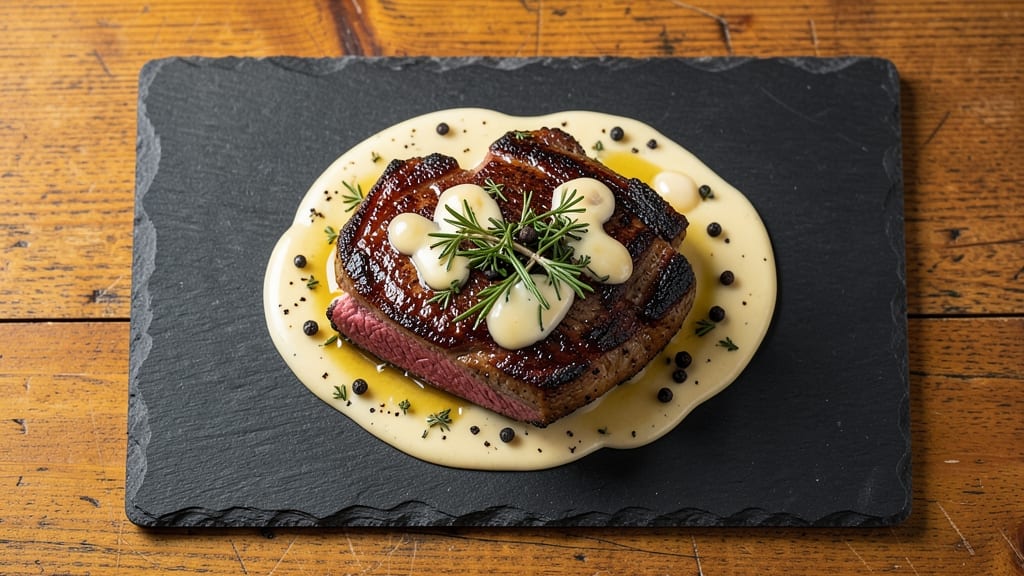
Mastering a beef leg steak recipe transforms weeknight dinners into restaurant-worthy experiences with minimal effort. The secret lies in balancing a perfectly seared crust with melt-in-your-mouth tenderness—no fancy equipment required. After years of testing, I’ve refined this method to deliver juicy, flavorful results every time, even with budget-friendly cuts.
This professional technique focuses on precise temperature control and proper resting times to ensure your steak stays tender while developing that coveted caramelized crust. Whether you prefer medium-rare or well-done, the key steps—including trimming, seasoning, and reverse searing—guarantee foolproof results.
The beef’s natural fat content keeps it moist, while the high-heat sear adds depth of flavor.
By the time you plate your steak, you’ll have a dish that’s rich, buttery, and packed with savory notes—ideal for special occasions or impressing guests. The method scales easily for different serving sizes, and pairing suggestions will elevate your meal further.
Let’s dive into the exact steps to achieve this perfect balance of texture and flavor.
For those watching fat intake, this recipe includes options to trim excess fat without sacrificing moisture, ensuring it fits dietary preferences while maintaining restaurant-quality taste. The versatility of beef leg steak makes it a go-to choice for both casual dinners and elegant gatherings.
Ingredients for beef leg steak
Fourteen ingredients for restaurant-quality beef leg steak at home—juicy, buttery, and packed with savory depth.
| Ingredient | Amount | Notes |
|---|---|---|
| Beef Leg Steak 🥩 | 1 ½ lb | Center-cut, 1-1.5 inches thick |
| Unsalted Butter 🧈 | ½ cup | Cold, cut into 1-inch cubes |
| Kosher Salt 🧂 | 1 ½ tsp | Diamond Crystal preferred |
| Freshly Ground Black Pepper 🌶️ | 1 tsp | Coarse grind preferred |
| Garlic Cloves 🧄 | 4 cloves | Smashed, not minced |
| Fresh Rosemary 🌿 | ¼ cup | Finely chopped, stems removed |
| Extra-Virgin Olive Oil 🫒 | 2 tbsp | High smoke point preferred |
| Yellow Onion 🧅 | 1 whole | Thinly sliced, 1/4-inch pieces |
| Fresh Thyme Leaves 🌿 | 0.1 cup | Stems removed, loosely packed |
| Red Wine 🍷 | ½ cup | Dry, bold variety like Cabernet |
| Beef Stock 🍲 | ½ cup | Homemade or high-quality store-bought |
| Heavy Cream 🥛 | ¼ cup | Full-fat for richness |
| Fresh Parsley 🌿 | 0.1 cup | Chopped, for garnish |
The beef leg steak is the star here—look for center-cut pieces with good marbling for maximum flavor. Costco or Whole Foods often carry high-quality cuts, but your local butcher will have the freshest options. If you're trimming fat, leave a thin layer—it keeps the steak moist during cooking. For the rosemary and thyme, fresh is non-negotiable—dried herbs won’t give the same aromatic punch. I usually grab these from the grocery store’s produce section, but if they’re wilted, skip them entirely. The garlic should be plump and firm, not sprouting.
No red wine? Beef stock plus a splash of balsamic vinegar mimics the depth, though the acidity won’t be identical. Short on butter? Ghee or duck fat works beautifully for searing—just don’t substitute margarine. The onion can be swapped for shallots if you prefer milder flavor, but don’t skip it entirely. For the cream, full-fat is essential—light cream will curdle when heated. If you’re watching fat, reduce the cream to 2 tablespoons and add an extra splash of beef stock to balance the sauce. The parsley is purely decorative, so feel free to use dried if you’re in a pinch, but fresh brightens everything.
Steak keeps best in the fridge for 3-4 days if vacuum-sealed, but it’s best cooked within 2 days of purchase. The aromatics—garlic, rosemary, and thyme—can be prepped ahead and stored in an airtight container in the fridge for up to 5 days. The wine reduction (red wine + stock) freezes beautifully for 3 months, so make extra if you’re hosting. For leftovers, reheat the steak in a skillet with a splash of water or stock to restore moisture—microwaving makes it tough. The sauce reheats well too, but add a pat of butter to keep it glossy.
Why You'll Love This Recipe
- Here’s what sold me: the garlic cloves smashed into the hot pan first, then the steak searing right over them. That crispy, aromatic crust? It’s the kind of flavor that makes people pause mid-bite.
- Two-Ingredient Magic: I swear by this—just butter and salt, but the right way. That leg steak’s natural richness shines when you let the butter baste it low and slow, turning it into something restaurant-worthy without any fuss.
- Crispy-Garlic Edge: Here’s what sold me: the garlic cloves smashed into the hot pan first, then the steak searing right over them. That crispy, aromatic crust? It’s the kind of flavor that makes people pause mid-bite.
- Weeknight to Dinner Party: Same recipe, two vibes. Toss it on the grill for a casual family night or let it rest before slicing for a fancier spread. (Yes, even on a Tuesday night.)
Step-by-step instructions for beef leg steak with pan-seared crust
Here's how to transform a simple beef leg steak into a restaurant-worthy centerpiece with perfect crust and velvety interior.
Prepare the Steak with Herb Butter Rub
Pat the 1.5 lb beef leg steak dry with paper towels, removing all moisture from the surface. This ensures maximum browning. In a small bowl, combine the 0.5 cup cold unsalted butter, 0.25 cup finely chopped fresh rosemary, 0.1 cup fresh thyme leaves, 1.5 tsp kosher salt, and 1 tsp freshly ground black pepper. Rub this mixture all over the steak, pressing firmly so the herbs adhere. Let the steak sit at room temperature for 30 minutes while you prepare the pan.
Here's the thing—cold butter creates a better seal on the steak's surface, preventing moisture loss during searing. The herbs will infuse the crust with aromatic depth while keeping the interior tender. Don't skip the room temperature step; cold meat cooks unevenly and can end up tough.
Sear the Steak to Develop Crust
Heat a heavy skillet (cast iron works best) over medium-high heat until very hot. Add 2 tbsp extra-virgin olive oil and swirl to coat. Place the steak in the pan and sear for 4-5 minutes per side, pressing down gently with a spatula during the first minute to prevent curling. You're looking for a deep golden-brown crust with caramelized edges.
Don't walk away during this critical step. The steak should release easily from the pan when ready to flip. For a 1.5 lb steak, you'll want to hit medium-rare (about 130°F internal temperature). Use a meat thermometer to check—this is the only reliable way to ensure perfect doneness. If the crust isn't dark enough after 5 minutes, increase the heat slightly and sear another minute per side.
Build the Red Wine Reduction Sauce
Remove the steak from the pan and set it aside to rest. Reduce heat to medium and add the 1 whole yellow onion (thinly sliced) and 4 smashed garlic cloves to the same pan. Cook for 3-4 minutes until the onions soften and begin to caramelize. Deglaze the pan with 0.5 cup red wine, scraping up all the browned bits from the bottom—this is where all the flavor lives.
Simmer the wine until reduced by half (2-3 minutes), then add 0.5 cup beef stock and continue simmering until reduced by another third. Stir in 0.25 cup heavy cream and let it warm through. The sauce should coat the back of a spoon but still be fluid enough to coat the steak. Season with additional salt if needed—this sauce should be rich but balanced.
Rest and Slice for Maximum Juiciness
Return the steak to the pan with the sauce and let it baste for 1-2 minutes on each side. Transfer the steak to a cutting board and tent loosely with foil. Let it rest for 10-15 minutes—this is non-negotiable. During this time, the juices redistribute throughout the meat, preventing them from running out when you slice.
Slice the steak against the grain into ½-inch thick pieces. The grain direction will be visible as lines running through the meat. Spoon the sauce over the top and garnish with 0.1 cup chopped fresh parsley. Serve immediately with the remaining sauce drizzled over each portion. The crust should be deep mahogany with crisp edges, while the interior remains tender and juicy with just a hint of pink.
Pro Tips For Making Beef Leg Steak
- Sear First, Butter Later: Hit that leg steak with a screaming-hot pan—no butter yet—until it develops a deep brown crust. Only then add cold butter and minced garlic; the residual heat will melt it into a luscious sauce while keeping the meat juicy. I used to add butter too early, and the steak just steamed instead of searing.
- Salt the Night Before: Toss the steak with kosher salt at least 12 hours ahead. The seasoning penetrates deeper, and the crust forms better when you sear it. I learned this the hard way after a dinner where the salt just clung to the surface—like kissing a statue.
- Skip the Overcrowding: Cook one steak at a time, no matter how tempting it is to batch them. A crowded pan steams the meat instead of searing, and the butter pools into a sad, watery mess. Your first steak will be perfect; the second will be a sad, soggy afterthought.
- Rest Under Foil: After searing, transfer the steak to a warm plate, tent loosely with foil, and let it rest for 5–10 minutes. This keeps it hot while the juices redistribute—no one wants a dry, stringy leg steak. (Yes, even if you’re impatient like me.)
Wine and beer pairings for these flavors
Bold Red Wine Pairings
The rich, caramelized crust and herb-infused beef leg steak demand a wine with enough body to stand up to its depth. I reach for a Cabernet Sauvignon from Napa Valley—its dark fruit notes and tannins mirror the steak’s intensity.
For a more accessible option, try a Malbec from Argentina, which offers juicy plum flavors that complement the rosemary and thyme. Both wines should be served at 65-68°F to enhance their structure and aroma. 🍷
Earthy Syrah Complements
A Northern Rhône Syrah brings an earthy complexity that pairs beautifully with the steak’s crust and wine reduction. Look for bottles from Crozes-Hermitage or Saint-Joseph—their peppery notes and dark berry flavors cut through the richness.
The wine’s natural acidity also helps cleanse your palate between bites. I like to decant mine for 30 minutes before serving to soften the tannins. 💫
Beer Options for Bold Flavor
If wine isn’t your thing, a Belgian Dubbel like Westmalle Trappist adds a malty sweetness that balances the steak’s savory crust. For something lighter, try a German Dunkelweizen—its caramel and clove notes harmonize with the rosemary and caramelized onions.
Serve the beer slightly chilled (55-60°F) to preserve its crispness. 🍺
Whiskey Pairing Surprise
Here’s a twist: a bourbon or rye whiskey like Woodford Reserve adds a smoky depth that enhances the steak’s crust. Sip it neat or on the rocks to let its vanilla and oak notes complement the dish.
The whiskey’s caramel undertones mirror the steak’s seared edges, creating a surprisingly cohesive pairing. 🥃
Light White Wine Contrast
For a refreshing contrast, a Viognier from Condrieu offers floral and stone fruit notes that balance the steak’s richness. Its high acidity cuts through the butter and cream sauce beautifully.
I recommend chilling it to 45-50°F to highlight its aromatic profile. This is a great option if you prefer white wine but want to avoid overwhelming the dish. 🍷
Non-Alcoholic Options
Don’t overlook sparkling grape juice or a ginger beer—both add effervescence to cleanse your palate. For a richer option, try a chilled hibiscus tea with a splash of lime, which provides a tart contrast to the steak’s richness. These choices keep the meal vibrant without alcohol. 💧
Nutrition facts
Frequently asked questions
What makes beef leg steak different from other cuts like ribeye or sirloin?
Beef leg steak comes from the hind leg (round or rump area) and offers a leaner profile with more connective tissue than ribeye or sirloin. The key advantage is its affordability—it’s often half the price of premium cuts while still delivering excellent flavor when cooked properly. The texture is slightly firmer, but the right technique (like slow searing or marinating) transforms it into a tender, juicy dish.
Can I cook beef leg steak to medium-well or well-done without drying it out?
Yes, but with adjustments! For medium-well, aim for 145°F internal temp and cook 1-2 minutes longer per side than medium-rare. For well-done, use 160°F and consider a reverse sear method: Slow-roast at 275°F for 20-30 minutes before searing. The low-and-slow approach breaks down connective tissue, preventing dryness.
How do I know when my beef leg steak is done if I don’t have a meat thermometer?
Press the steak gently with your finger—it should feel firm but still springy for medium-rare. For medium, it’ll feel slightly springy like pressing a firm mattress. The touch test works best with 1-inch thick steaks—thinner cuts cook faster. If unsure, cut into the thickest part: medium-rare shows a pink center with red edges.
What’s the best way to reheat leftover beef leg steak?
Never microwave—it turns meat rubbery! Instead, warm slices in a skillet over medium heat for 1-2 minutes per side with a splash of beef broth. For the whole steak, bake at 300°F for 15 minutes wrapped in foil with a pat of butter. This restores moisture without overcooking. Pro tip: Reheat only once for best texture.
Can I substitute butter in the herb rub with something else?
Yes! Try duck fat (for richer flavor) or olive oil (for a Mediterranean twist). For a lighter option, use 1 tbsp butter + 1 tbsp Greek yogurt—the acidity tenderizes the meat. Just adjust seasoning: fat-based rubs need more salt, while oil-based ones benefit from extra garlic or herbs.