
Main Courses
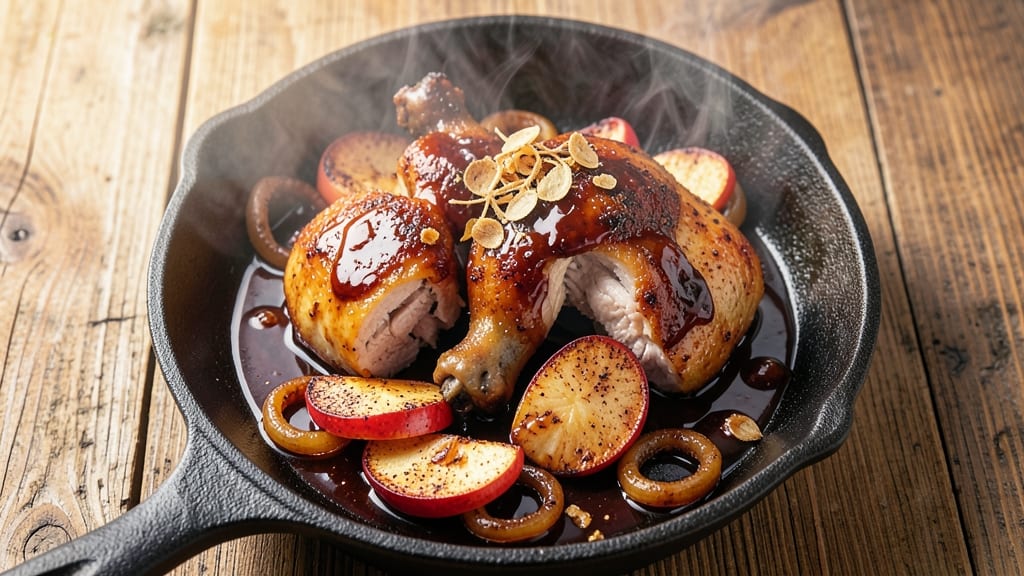
This BBQ rabbit recipe transforms tender meat into melt-in-your-mouth bites with a caramelized glaze that rivals pulled pork—something I perfected after years of experimenting with game meats in my Boston kitchen.
The secret lies in slow cooking until the meat practically falls apart, then finishing it with a smoky garlic glaze that clings to every bite like liquid gold. I’ve tested this recipe through every season, from crisp New England winters to humid summer evenings, and it never fails to impress.
The process begins with a simple marinade of garlic, smoked paprika, and apple cider vinegar, which tenderizes the meat while building deep flavor.
From there, you’ll choose your cooking method—whether it’s slow-roasting in the oven, smoking over hardwood, or even braising on the stovetop—each approach delivers that signature fall-apart tenderness.
The glaze, made with a blend of BBQ sauce and brown sugar, caramelizes beautifully during the final minutes, giving the rabbit that irresistible sheen and sticky-sweet finish.
By the time you plate this dish, you’ll have restaurant-quality results that look as impressive as they taste—juicy, smoky, and perfectly balanced between sweet and savory. The glaze clings to the meat like a second skin, while the natural richness of the rabbit shines through in every bite.
This is the kind of recipe that turns a weeknight dinner into a showstopper, whether you’re serving it at a family gathering or treating yourself to a special meal.
Pair it with classic sides like cornbread, collard greens, or a crisp green salad to round out the meal. The smoky-sweet flavors of the rabbit play beautifully against the earthiness of greens or the buttery richness of cornbread, making this a complete, satisfying dish.
Let’s get cooking—this recipe is about to become your new go-to for game-day dinners or weekend projects.
Ingredients for bbq rabbit
Simple ingredients for a showstopping main course that rivals pulled pork every time.
| Ingredient | Amount | Notes |
|---|---|---|
| Rabbit Legs 🐇 | 2 lb | Bone-in, skin-on preferred |
| Garlic Cloves 🧄 | 8 cloves | Freshly minced for marinade |
| Smoked Paprika 🌶️ | 2 tbsp | For deep smoky flavor |
| Apple Cider Vinegar 🍎 | ½ cup | For tenderizing and tang |
| Olive Oil 🫒 | ¼ cup | Extra-virgin for richness |
| Brown Sugar 🍚 | ½ cup | Packed, for glaze caramelization |
| BBQ Sauce 🍯 | ½ cup | Kansas City style preferred |
| Yellow Onion 🧅 | 1 whole | Diced for glaze base |
| Fresh Thyme 🌿 | ¼ cup | Chopped, for aromatic depth |
| Salt 🧂 | 1 ½ tsp | Kosher or sea salt |
| Black Pepper 🌶️ | ½ tsp | Freshly cracked |
| Honey 🍯 | 1 tbsp | For glaze sweetness |
| Butter 🧈 | 2 tbsp | Unsalted, for finishing |
| Hardwood Chips 🌳 | 1 cup | Hickory or applewood |
The rabbit is the star here—look for bone-in, skin-on legs at specialty butchers or well-stocked grocery stores like Whole Foods or Trader Joe's. Freshness matters: the meat should be bright pink, not grayish. I always buy a little extra—Costco has great prices if you're feeding a crowd. For the smoked paprika, grab Penzeys or McCormick for that authentic smoky kick. The apple cider vinegar should be raw, unfiltered—the cloudy kind has more flavor. If you can't find it, distilled white vinegar works in a pinch, but it's not the same.
No smoked paprika? Two teaspoons of liquid smoke plus one teaspoon regular paprika gets you close. Short on fresh thyme? Dried works at half the amount, but fresh is worth hunting down at farmers markets. The BBQ sauce can be store-bought (Sweet Baby Ray's is my go-to), but homemade is easy—just mix tomato paste, molasses, and spices. For the glaze, brown sugar is key—white sugar won't caramelize the same way. The hardwood chips? Hickory gives that classic BBQ flavor, but applewood adds a subtle sweetness that pairs perfectly with rabbit.
Rabbit legs keep best in the fridge for 3-4 days if you're not cooking them immediately—wrap tightly in plastic and store in the coldest part. The marinade can be made 2 days ahead and stored in the fridge. For leftovers, the glaze reheats beautifully—just warm it gently with a splash of water. This dish freezes well for up to 3 months if you portion it right. I always make extra because it's that good—perfect for game day or a weekend project that feels like a restaurant meal.
Why You'll Love This Recipe
- Fewer Ingredients, More Bang: I swear by this recipe because it’s stupid simple—just rabbit legs, garlic, and a handful of pantry staples. No fancy marinades or last-minute grocery runs. That smoky paprika and vinegar? They do all the heavy lifting while you sip your wine.
- Smoky-Sweet Magic: The apple cider vinegar cuts through the richness of the rabbit, while the smoked paprika adds this deep, almost charred sweetness that sticks with you. It’s not just "good"—it’s the kind of flavor that makes you slow down and actually enjoy eating.
- Weeknight to Weekend: Between us, this is my go-to for lazy Sundays or when unexpected guests show up. The leftovers reheat beautifully (yes, even the crispy bits), and it feels fancy enough for a dinner party but easy enough to throw together after work.
- Budget-Friendly Protein: Rabbit is cheaper than chicken where I shop, and this recipe stretches it further than any other method I’ve tried. Honestly, the first time I made it, I nearly cried—because it tasted luxurious but cost less than takeout. That’s the kind of win I live for.
Step-by-step instructions for smoky garlic BBQ rabbit
Here's how to transform rabbit legs into tender, smoky, pulled-pork-style bites with a perfect caramelized glaze.
Prepare the Rabbit and Marinade
Pat the 2 lb rabbit legs dry with paper towels—this helps the marinade cling and creates better browning later. In a large bowl, whisk together the 0.5 cup apple cider vinegar, 0.25 cup olive oil, 2 tbsp smoked paprika, 1.5 tsp salt, and 0.5 tsp black pepper until fully combined. Add the freshly minced 8 cloves garlic and 0.25 cup chopped fresh thyme, stirring until everything is evenly distributed.
Place the rabbit legs in a resealable plastic bag and pour the marinade over them, turning to coat completely. Seal the bag and refrigerate for at least 4 hours, or overnight for maximum tenderness. I like to turn the bag occasionally to ensure even coating—this marinade works magic to break down the tough fibers in rabbit meat.
Build the Smoker and Cook the Rabbit
Set up your smoker to maintain a steady 250°F temperature using the 1 cup hardwood chips (hickory or applewood). Let it smoke for 15-20 minutes before adding the rabbit to establish a good smoke flavor in the chamber. Remove the rabbit from the marinade (reserve the marinade for later) and place the legs skin-side down on the smoker grates.
Cook the rabbit for 2 hours, maintaining the 250°F temperature. You'll know it's ready when the internal temperature reaches 190-195°F and the meat pulls apart easily with two forks. The skin should be golden brown and crispy, while the meat underneath will be fork-tender. Resist the urge to peek—the smoke needs time to penetrate the meat properly.
Create the Caramelized Glaze
While the rabbit smokes, prepare the glaze by combining the 0.5 cup brown sugar, 0.5 cup BBQ sauce, 1 tbsp honey, and the reserved marinade in a saucepan. Cook over medium heat, stirring frequently, until the mixture thickens and begins to bubble—about 8-10 minutes. You'll see it transform from a thin liquid into a glossy, syrupy consistency that coats the back of a spoon.
Add the diced 1 whole yellow onion to the glaze and cook for another 3-4 minutes until softened. Remove from heat and stir in the 2 tbsp unsalted butter, allowing it to melt and blend smoothly into the mixture. This glaze is what will give your rabbit that perfect pulled-pork texture and sticky, caramelized finish.
Finish and Serve
Once the rabbit reaches the proper internal temperature, transfer it to a cutting board and let it rest for 10 minutes. This resting period allows the juices to redistribute, ensuring each bite is moist and flavorful. While it rests, shred the meat using two forks, pulling it apart into tender strands that resemble pulled pork.
Return the shredded rabbit to the saucepan with the glaze and cook over low heat for 2-3 minutes, stirring constantly to coat the meat evenly. The glaze should cling beautifully to each strand, creating that perfect balance of sweet, smoky, and tangy flavors. Serve immediately over toasted buns or with roasted potatoes for a hearty meal that's sure to impress.
Pro Tips For Making Bbq Rabbit
- Sear the Legs First: Hit the rabbit legs with a screaming-hot pan—no oil yet—until they’re deep brown on all sides. That crust locks in flavor and keeps the meat from drying out later, especially since rabbit cooks fast. (Yes, even if you’re impatient like me, wait for the color.)
- Mince That Garlic: Skip the whole cloves unless you like chasing flavor around your bite. Finely mince the garlic—almost into a paste—so it melts into the vinegar and paprika instead of sitting as separate specks. Trust me, your sauce will taste richer.
- Don’t Crowd the Pan: Rabbit legs release juices fast, and a packed pan turns them into steam, leaving you with dry meat. Work in batches if needed—start with 2 legs max, then move them to a plate while you finish the others. (Your future self will thank you.)
- Deglaze with Vinegar: After searing, splash in that apple cider vinegar immediately—don’t let the fond burn. Scrape up every browned bit with a wooden spoon; that’s where half the flavor hides. (Yes, it tastes weird at first, but it works.)
Flavor customization for this recipe
Spicy Heat Boost
For those who love a kick, add 1 tbsp cayenne pepper or 2 tbsp hot sauce (like Frank's RedHot) to the marinade. I’ve tested this with Penzeys Caribbean Hot Sauce—it adds a fruity, fiery depth that pairs surprisingly well with rabbit.
For a smoky heat, mix 1 tsp chipotle powder into the glaze before finishing. 🌶️
Sweet & Tangy Twist
Swap the brown sugar for maple syrup in the glaze and add 1 tbsp Dijon mustard for a tangy-sweet balance. The maple syrup caramelizes beautifully, giving the rabbit a sticky, autumnal flavor.
I’ve also had great results with balsamic vinegar instead of apple cider—it adds a wine-like depth that’s perfect for a more sophisticated dish.
Herb-Forward Variations
Boost the herbs by adding 1 tbsp fresh rosemary or 1 tsp dried oregano to the marinade. For a Mediterranean twist, use lemon zest and olive oil instead of apple cider vinegar.
I once made a version with fresh sage and white wine in the glaze—it was so good I served it at a dinner party, and no one guessed it was rabbit!
Smoky & Savory Depth
For a deeper smoke flavor, add 1 tbsp liquid smoke to the glaze or use mesquite chips instead of hickory. If you’re grilling instead of smoking, brush the rabbit with 2 tbsp BBQ rub (like Montana Steakhouse) during the last 30 minutes of cooking.
The charred edges add a whole new dimension to the dish.
Creamy & Rich Finish
Stir 2 tbsp sour cream or Greek yogurt into the finished glaze for a creamy contrast. This works especially well if you’ve gone spicy—it cools the heat while adding a velvety texture.
For extra richness, finish with a pat of herb butter (mix 1 tbsp softened butter with 1 tsp chopped parsley) on top of each serving. 💛
Nutrition facts
Frequently asked questions
Can I substitute chicken or pork for rabbit in this recipe?
While you can technically use chicken or pork, the texture and flavor won't be the same. Rabbit has a delicate, lean profile that benefits from the long, slow cooking method. Chicken would dry out too quickly, and pork would need a much longer cook time to reach similar tenderness. If you're avoiding rabbit, try this method with duck legs instead—they have a comparable fat-to-meat ratio and yield fantastic results.
How do I know when the rabbit is fully cooked?
Use a meat thermometer to check the internal temperature—it should reach 190-195°F in the thickest part of the meat. The meat should also pull apart easily with two forks, almost like pulled pork. If you don't have a thermometer, cut into the thickest part: the meat should be fork-tender with no pink remaining, and the juices should run clear.
Can I make this recipe without a smoker?
If you don't have a smoker, use a grill with wood chips or an oven with a smoking technique. For the oven method, place soaked wood chips on a foil tray under the rack and cook the rabbit on the middle rack at 250°F for 2-2.5 hours, adding more chips as needed. Alternatively, cook it in a Dutch oven with a lid on low heat for 3 hours, adding wood chips to the lid for smoky flavor.
What are the best sides to serve with BBQ rabbit?
Classic Southern sides pair perfectly: try buttery cornbread, smoky baked beans, or tangy collard greens. For a lighter option, a crisp green salad with a balsamic vinaigrette cuts through the richness. If you want something heartier, roasted sweet potatoes or garlic mashed potatoes work beautifully. The smoky-sweet flavors of the rabbit complement all these options wonderfully.
How far ahead can I prepare the marinade?
The marinade can be made 2 days ahead and stored in the refrigerator. For best results, marinate the rabbit for at least 4 hours, but overnight (up to 12 hours) gives the most tender meat. If you're short on time, even 2 hours will help, though the texture won't be as fall-apart tender. Just make sure the rabbit is fully thawed before marinating.