
Main Courses
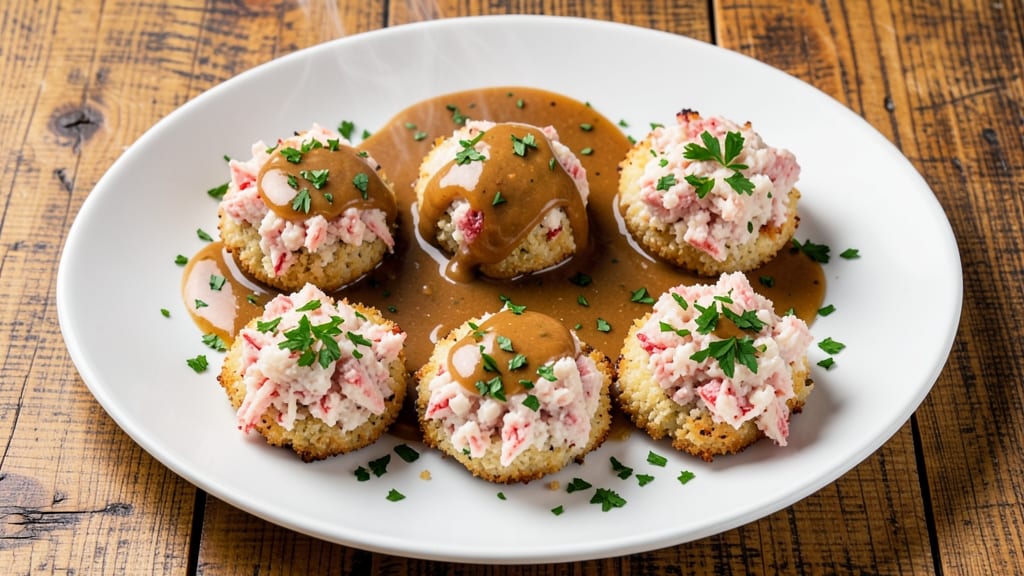
Baltimore-style crab cakes bring the Chesapeake Bay's briny charm to your table with their signature crispy exterior and tender, juicy centers. The secret lies in using fresh lump crab meat bound just right with egg and Old Bay seasoning—no shortcuts here.
After years of perfecting the technique, I’ve cracked the code for achieving that iconic texture without overmixing the delicate batter.
What sets these crab cakes apart is the balance: crispy edges from careful frying (or baking for a lighter version) and a moist interior that holds together like a pro. The Old Bay seasoning isn’t just a garnish—it’s the soul of the dish, giving each bite that unmistakable Maryland tang.
This recipe delivers restaurant-quality results with a method even beginners can master.
By the time you flip the first golden-brown cake, you’ll understand why this dish is a coastal classic. The crab meat stays plump, the breadcrumbs create that satisfying crunch, and every bite carries the essence of the Bay.
Serve with lemon wedges and tartar sauce for the full experience—this is comfort food at its finest.
Whether you’re hosting a seafood feast or treating yourself to a weekend brunch, these crab cakes rise to the occasion. The recipe scales perfectly for parties, and leftovers reheat beautifully. Let’s get started on your first batch—just don’t blame me if you make it a regular menu staple.
Ingredients for baltimore style crab cakes
Crab meat, Old Bay, and crispy panko—just three key players for perfect Baltimore-style crab cakes.
| Ingredient | Amount | Notes |
|---|---|---|
| Fresh Lump Crab Meat 🦀 | 1 ½ lb | Backfin or Chesapeake Bay brand preferred |
| Old Bay Seasoning 🌶️ | 2 tbsp | Original blend, not imitation |
| Panko Breadcrumbs 🍞 | ½ cup | Light and crispy, not fine |
| Large Eggs 🥚 | 1 whole | Cold, lightly beaten |
| Mayonnaise 🥛 | 2 tbsp | Duck brand or Hellmann's |
| Extra-Virgin Olive Oil 🫒 | 1 tbsp | For frying, high smoke point |
| Butter 🧈 | ¼ cup | Unsalted, melted |
| Fresh Lemon Juice 🍋 | 1 tbsp | From Meyer lemon if available |
| Garlic Cloves 🧄 | 1 clove | Minced, fresh preferred |
| Salt 🧂 | ½ tsp | Kosher or sea salt |
| Black Pepper 🌶️ | ¼ tsp | Freshly cracked |
| All-Purpose Flour 🌾 | 2 tbsp | For dredging |
The crab meat is non-negotiable here. Backfin or Chesapeake Bay brand is worth the splurge—their lump crab stays plump and holds together. Avoid pre-packaged imitation crab (it's just surimi). Grab it from the seafood counter, not the canned aisle. If you're near a Whole Foods or Trader Joe's, they often carry the best quality. Look for meat that's bright white and slightly translucent—any grayish tint means it's old. I usually buy mine day-of and keep it on ice until ready to use. The Old Bay? Original blend only—the imitation stuff lacks that signature Maryland kick.
No panko? Regular breadcrumbs plus a pinch of baking powder for extra lift. Short on mayo? Greek yogurt works too—it adds tang. The egg acts as glue, but don't overbeat it or the cakes get tough. For a lighter version, replace half the panko with crushed cornflakes. Want extra crunch? Toss in 1 tbsp crushed potato chips (trust me on this). The lemon juice brightens everything—Meyer lemons if you can find them, but regular lemons work fine. And yes, you can make these ahead—they actually taste better the next day once the flavors meld.
Crab cakes reheat beautifully—just pop them in a 350°F oven for 10 minutes until crispy again. Store leftovers in an airtight container with a paper towel on top to keep them dry. They'll stay fresh for 2 days in the fridge. For longer storage, freeze them on a tray first (so they don't stick), then transfer to a bag. Thaw overnight in the fridge before reheating. Pro tip: Double the batch—these disappear fast at parties.
Why You'll Love This Recipe
- No-Fuss Assembly: I swear by the "dump-and-stir" method here—just mix the crab, mayo, egg, and Old Bay, then fold in panko until it holds. No rolling, no shaping like fancy patties, just gentle presses into a pan. My hands stay clean, and the texture? Still golden and crispy.
- Old Bay Magic: That spice blend isn’t just seasoning—it’s the soul of these cakes. The celery salt, paprika, and cayenne cut through the richness of the crab and mayo, giving every bite a bright, tangy finish. Honestly, I’ve tried other recipes, but nothing beats the classic Old Bay punch.
- Weeknight to Party: These work just as well for a lazy Tuesday dinner as they do for a summer BBQ. Fry them up for a quick lunch, or bake ahead and reheat for guests—no one will guess they took 10 minutes to make. (Yes, even on a Tuesday night.)
- Leftover Goldmine: The best part? They reheat like a dream. Toss them in the oven for 10 minutes, and they’re crispy again—perfect for sandwiches or salads the next day. I make a double batch on Sundays just so I don’t have to think about dinner for days.
Step-by-step instructions for Baltimore-style crab cakes
Here's how to make crab cakes that stay juicy inside while developing that classic crispy crust.
Prepare the Crab Mixture
In a large bowl, gently combine the 1.5 lb fresh lump crab meat with the 2 tbsp mayonnaise, 1 tbsp fresh lemon juice, and the minced 1 clove garlic cloves. I use my hands for this—it's easier to feel the texture and ensure everything incorporates evenly. You want the crab to stay as intact as possible, so avoid overmixing.
Next, add the 2 tbsp Old Bay seasoning, 0.5 tsp salt, and 0.25 tsp black pepper. Mix gently again until the seasoning is evenly distributed. The mixture should look slightly shaggy with visible crab lumps—this ensures each bite delivers that signature Old Bay flavor and tender crab texture. If your crab meat feels too wet, add 1 tbsp panko breadcrumbs now to help bind it.
Create the Binding Mixture
In a separate bowl, whisk together the 1 whole large egg, then gently fold in the 0.5 cup panko breadcrumbs and the 2 tbsp all-purpose flour. This creates a light, airy binder that will help hold the crab cakes together while adding that perfect crunch. The mixture should resemble wet sand—just moist enough to hold when pressed but not soupy.
Now combine the crab mixture with the egg-panko mixture, folding gently just until everything comes together. Be careful not to overmix—you're looking for a texture that holds when shaped but still shows some crab lumps. If the mixture feels too dry, add 1 tsp of the 0.25 cup melted butter to help bind it. Cover the bowl and refrigerate for at least 30 minutes to let the flavors meld and the mixture firm up slightly.
Shape and Chill the Crab Cakes
Using your hands, form the chilled crab mixture into 4 equal patties, each about 3/4-inch thick. I like to make them slightly wider than they are thick—this helps create that classic Baltimore-style shape with crispy edges. Place the shaped crab cakes on a plate, cover, and refrigerate for another 20 minutes to firm up even more.
While they're chilling, melt the remaining 0.25 cup butter in a small saucepan over low heat. Once melted, remove from heat and stir in 1 tbsp extra-virgin olive oil. This butter-oil mixture will give your crab cakes that signature golden color and rich flavor. Let it cool slightly before using.
Fry to Golden Perfection
Heat a large skillet over medium heat and add enough of the butter-oil mixture to coat the bottom about 1/8-inch deep. You should see gentle ripples when you stir it—this indicates the right temperature. Add the chilled crab cakes and cook undisturbed for 3-4 minutes per side, until they develop a deep golden brown crust and are firm to the touch.
I know it's tempting to press down on them, but resist! The weight will make them dense instead of crispy. You'll know they're ready when the edges are beautifully browned and the underside releases easily from the pan. Transfer to a paper towel-lined plate to drain any excess butter, then serve immediately while still warm and crisp.
Pro Tips For Making Baltimore Style Crab Cakes
- Chill the Mixture: I learned this the hard way—skipping the fridge makes for greasy, dense crab cakes. After mixing your crab, mayo, egg, and Old Bay, pop the bowl in the fridge for 20-30 minutes. The cold binds everything better, so your cakes hold together when frying instead of falling apart.
- Pick Your Panko: Not all breadcrumbs are created equal. For Baltimore-style crab cakes, use fine Panko—not the chunky kind. It coats the crab evenly and gives that signature crispy crust without overwhelming the delicate flavor. (Yes, even if you're impatient like me.)
- Press Gently, Not Hard: Overcompressing the crab cakes turns them into hockey pucks. Form them loosely, then press just enough to hold shape—about 1.5 inches thick. Too tight, and they’ll steam instead of sear. Too loose, and they’ll crumble. Find that happy medium.
- Fry in Batches: Crowding the pan drains heat and steams the cakes instead of browning them. Fry two at a time in about 2 tablespoons of oil (enough to coat the bottom) over medium-high heat. The oil should shimmer—if it looks calm, it’s too cool. Flip once for a golden crust.
Make-ahead tips for this dish
Prep Ahead for Flavor
The best part about these crab cakes? You can prep most of the work 24 hours ahead. Mix your crab batter in a large airtight container (I use Rubbermaid Brilliance) and refrigerate.
The flavors deepen overnight, and the mixture firms up perfectly for shaping later. Just let it sit at room temperature for 15 minutes before forming patties to prevent cracking. 💡
Freezer-Friendly Technique
For parties or busy weekends, shape your crab cakes and freeze them uncooked on a parchment-lined tray. Once solid (about 1 hour), transfer to a ziplock bag with parchment between layers.
Cook straight from frozen—just add 1 extra minute per side to the frying time. No thawing needed! This is my secret for stress-free game day hosting. ❄️
Reheat Like a Pro
Leftover crab cakes deserve special treatment. For crispy results, reheat in a skillet over medium heat with 1 tbsp butter for 2-3 minutes per side until golden. For oven reheating, bake at 375°F for 10 minutes on a wire rack (not directly on the pan) to maintain crispiness.
Always cover with a paper towel while reheating to absorb excess moisture. 🔥
Make-Ahead Serving Suggestions
Plan your meal like a Baltimore chef: Prep the crab cakes morning-of, then fry them fresh while your guests arrive. Serve with pre-made tartar sauce (store-bought or homemade) and lemon wedges in small bowls.
For a full spread, assemble a seafood platter with chilled oysters on the half shell and corn on the cob—everything stays fresh until serving time. 🍽️
Batch Cooking Tips
Double the recipe and freeze half for future meals. Label your freezer bags with the date—these stay delicious for up to 3 months. When ready to cook, remove the number of cakes you need and let them thaw in the fridge overnight.
Pro tip: Use a meat mallet to gently flatten any frozen cakes before cooking for even crispiness. 💪
Party-Ready Shortcuts
Hosting a crowd? Shape your crab cakes into mini sliders (about 2-inch diameter) for easy serving. Arrange them on a slate board with mini tartar sauce cups and lemon wedges for a restaurant-worthy presentation.
Keep cooked cakes warm in a 200°F oven on a wire rack while you finish frying the rest. This keeps them crispy for up to 20 minutes. 🎉
Nutrition facts
Frequently asked questions
Why does Baltimore-style use lump crab meat instead of ground?
The texture is everything! Lump crab meat keeps its natural shape, delivering that signature tender bite in every piece. Ground crab breaks down too much, creating a dense, mushy cake. For authentic results, always use fresh lump crab—it's worth the splurge for that restaurant-quality experience.
Can I bake these instead of frying for a healthier version?
Bake at 400°F for 12-15 minutes on a wire rack (not directly on the pan) for maximum crispiness. Brush with melted butter halfway through. The key is using panko breadcrumbs and keeping the cakes 3/4-inch thick—this ensures they stay crispy without frying. Just watch closely after 10 minutes to avoid over-browning.
What's the secret to keeping crab cakes from falling apart?
Three things: don't overmix the batter (just fold until combined), chill the mixture for at least 30 minutes before shaping, and use cold crab cakes when frying. The egg and mayo bind everything together, but heat causes them to expand—starting cold prevents cracks. Also, use fresh lump crab (not imitation) for better structural integrity.
How do I make these ahead for a party?
Shape the cakes and freeze them uncooked on a tray for 1 hour, then transfer to a bag. Cook straight from frozen—just add 1 extra minute per side to frying time. For serving, keep cooked cakes warm in a 200°F oven on a wire rack (not plate) for up to 20 minutes to maintain crispiness. Pro tip: Prep the batter 24 hours ahead for deeper flavor development.
What sides pair best with Baltimore crab cakes?
Classic pairings include creamy coleslaw, steamed asparagus, or crispy potato wedges. For a full Maryland spread, add oysters on the half shell and corn on the cob. The tangy lemon and tartar sauce balance the richness perfectly—serve them in small bowls with toothpicks for easy dipping.