Main Courses
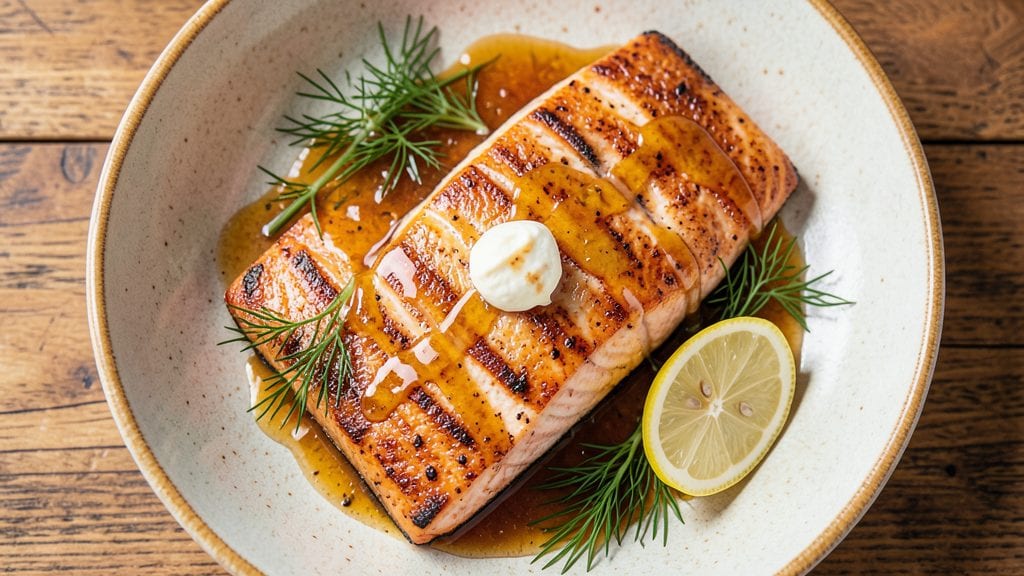
This baked wild salmon recipe delivers restaurant-quality results with a honey-lemon crust that seals in flavor and creates a caramelized exterior. The rich, buttery texture of wild-caught salmon pairs perfectly with the bright, tangy crust, making every bite unforgettable.
I've perfected this method to ensure tender, moist fish that never dries out, even when baked to crispy perfection.
What sets this recipe apart is the honey-lemon crust, which adds a subtle sweetness and zesty contrast that complements the natural richness of wild salmon. With just a few simple ingredients and about 20 minutes of active preparation, you'll have a complete meal ready to serve.
The crust locks in moisture while creating a beautiful golden finish that looks as good as it tastes.
The result is a perfectly baked wild salmon fillet with a crispy, caramelized crust that gives way to tender, flaky flesh inside. This dish pairs beautifully with roasted vegetables, quinoa, or a fresh salad, creating a balanced meal that's both elegant and satisfying.
The honey-lemon flavor profile also makes it a great match for crisp white wines or sparkling beverages.
Whether you're cooking for a special occasion or a simple weeknight dinner, this recipe delivers professional-quality results with minimal effort. The key is precise timing and temperature control to ensure the salmon cooks evenly without overcooking.
Let's get started on creating this delicious, foolproof dish that will impress anyone at your table.
Ingredients for baked wild salmon
Rich wild salmon fillets meet sweet-tart honey-lemon crust for a restaurant-worthy dish.
| Ingredient | Amount | Notes |
|---|---|---|
| Wild-Caught Salmon Fillets 🐟 | 2 whole | Skin-on, 6-8 oz each, center-cut preferred |
| Honey 🍯 | 2 tbsp | Raw or wildflower for subtle flavor |
| Fresh Lemon Juice 🍋 | ¼ cup | From 2-3 lemons, freshly squeezed |
| Unsalted Butter 🧈 | 4 tbsp | Cold, cut into small cubes |
| Dijon Mustard 🍯 | 1 tbsp | For tangy depth in crust |
| Fresh Dill 🌿 | ¼ cup | Chopped, stems removed |
| Garlic Cloves 🧄 | 2 cloves | Minced, for aromatic base |
| Sea Salt 🧂 | 1 tsp | Fine grain, for seasoning |
| Ground Black Pepper 🌶️ | ½ tsp | Freshly ground for best flavor |
| Extra-Virgin Olive Oil 🫒 | 1 tbsp | For drizzling on salmon |
| Lemon Zest 🍋 | 1 tbsp | From 1 lemon, for bright finish |
Wild-caught salmon is non-negotiable here—its rich, buttery texture pairs perfectly with the honey-lemon crust. Look for center-cut fillets at your local seafood counter or specialty market like Whole Foods or Trader Joe's. The skin-on variety ensures the crust adheres beautifully. If you can't find wild-caught, Alaskan sockeye is the next best option. For the honey, avoid processed varieties—raw or wildflower honey adds subtle floral notes that complement the salmon. Fresh dill is ideal, but if you're short, dried dill at one-third the amount works in a pinch.
The Dijon mustard is key for that tangy depth in the crust—don't skip it. If you're out of Dijon, whole-grain mustard thinned with lemon juice works, but the flavor won't be as refined. For the garlic, freshly minced is best, but pre-minced from a jar will do in a bind. The butter should be cold when mixed into the crust—this ensures it creates a crispy, caramelized finish. If your kitchen runs warm, chill the butter mixture for 15-20 minutes before applying. Lemon juice and zest are best fresh, but bottled lemon juice (like ReaLemon) is a solid backup if you're in a hurry.
This dish reheats beautifully—just 5 minutes at 350°F to restore crispiness. Store leftovers in an airtight container for up to 2 days in the fridge, though I recommend eating it fresh. The crust loses its crispness over time, so plan to serve it soon after baking. For meal prep, portion the salmon into individual containers and freeze for up to 1 month. Thaw overnight in the fridge before reheating.
Why You'll Love This Recipe
- Here’s what sold me: the edges get crispy—not burnt, not sad—just perfectly golden—while the inside stays tender. No flipping, no hovering, no guesswork. Just bake it, let the butter and lemon work their magic, and walk away. (Yes, even on a Tuesday night.)
- Five-Ingredient Magic: I swear by this combo—salmon, honey, lemon, butter, mustard. That’s it. No fancy prep, no stress, just flavor that sticks with you. The honey caramelizes into a glossy glaze, the Dijon adds a little tang, and the butter? It melts into pure richness. Honestly, I’ve made it for friends who “don’t like fish,” and they’ve come back for seconds.
- Crispy Without Fuss: Here’s what sold me: the edges get crispy—not burnt, not sad—just perfectly golden—while the inside stays tender. No flipping, no hovering, no guesswork. Just bake it, let the butter and lemon work their magic, and walk away. (Yes, even on a Tuesday night.)
- Weeknight to Dinner Party: This is my go-to when I need something elevated but not pretentious. Serve it with roasted potatoes for a lazy night, or plate it with asparagus and a drizzle of extra honey for guests. Same recipe, different vibes. Between us, my husband’s coworkers think I’m a gourmet chef after one bite.
Step-by-step instructions for baked wild salmon with honey-lemon crust
Here's how to create a perfectly balanced honey-lemon crust that seals in moisture and delivers bold flavor.
Prepare the Honey-Lemon Glaze
In a small bowl, combine the 2 tablespoons honey, 0.25 cup fresh lemon juice, 1 tablespoon Dijon mustard, and 1 tablespoon lemon zest. Whisk until smooth and set aside. This mixture forms the flavorful crust that caramelizes beautifully during baking.
For best results, use freshly squeezed lemon juice and zest from organic lemons. The acidity in the lemon juice helps tenderize the salmon while the honey adds natural sweetness that balances the dish. Keep this mixture at room temperature until ready to use.
Create the Herb Butter Base
In a separate bowl, mix the 4 tablespoons cold unsalted butter (cut into small cubes), 0.25 cup chopped fresh dill, 2 cloves minced garlic, 1 teaspoon sea salt, and 0.5 teaspoon ground black pepper. Use your fingers to work the mixture until it forms a coarse paste. This herb butter creates a flavorful base that complements the honey-lemon crust.
The cold butter is crucial here—it prevents the dill from wilting and ensures the mixture stays firm enough to adhere to the salmon. Spread this mixture evenly over both salmon fillets, pressing gently to ensure full coverage. The butter will melt slightly during baking, creating a rich, aromatic layer beneath the crust.
Season and Prepare the Salmon
Pat the 2 whole wild-caught salmon fillets dry with paper towels, removing any excess moisture. This step is essential for achieving crispy skin. Season both sides generously with additional sea salt and ground black pepper if needed, then drizzle lightly with 1 tablespoon extra-virgin olive oil to help the crust adhere.
Place the salmon fillets skin-side down on a parchment-lined baking sheet. The skin should face down to protect the delicate flesh while creating crispy skin. Arrange them in a single layer with space between each fillet to allow for even cooking.
Assemble and Bake
Spread the honey-lemon glaze evenly over the top of each salmon fillet, ensuring complete coverage. Transfer the baking sheet to a preheated oven set to 400°F. Bake for 12-15 minutes until the salmon is opaque and flakes easily with a fork, and the crust is golden brown.
Watch the salmon closely during the last few minutes of baking—it cooks quickly at this temperature. The crust should develop a beautiful caramelized color while the flesh remains moist and tender. For best results, avoid opening the oven door during baking to maintain consistent heat.
Rest and Serve
Remove the salmon from the oven and let it rest for 5 minutes before serving. This resting period allows the juices to redistribute throughout the fillets, ensuring each bite is moist and flavorful. The crust will remain intact while the salmon stays warm.
Serve immediately with steamed vegetables, a fresh salad, or your favorite side dish. The combination of sweet honey, bright lemon, and aromatic herbs creates a perfect balance that complements the rich, wild-caught salmon beautifully. Enjoy the restaurant-quality results with minimal effort!
Pro Tips For Making Baked Wild Salmon
- Dry the Skin First: Salmon skin won’t crisp if it’s wet—pat it thoroughly with paper towels before baking. I used to skip this and ended up with sad, rubbery skin every time, even with wild-caught fillets.
- Use Room-Temp Butter: Cold butter melts unevenly and makes your glaze clump. Let that unsalted butter sit out for 10 minutes before mixing with honey and mustard—your glaze will coat the salmon smoothly, not pool in lumps.
- Skip the Overcrowding: If you’re baking multiple fillets, do it in batches. I learned this the hard way—overcrowding the pan steams the salmon instead of browning it, and you lose that perfect caramelized crust.
- Zest Before Juicing: Add lemon zest to your glaze (just a teaspoon) alongside the juice. The zest brightens the flavor without extra effort—it’s the thing that makes this recipe taste restaurant-worthy, not just good.
Pro cooking tips for baked wild salmon
Perfect Temperature Control
The oven temperature is non-negotiable for this recipe—I bake at exactly 400°F for that perfect balance of crispy crust and tender flesh. Preheat your oven for at least 15 minutes before baking to ensure even heat distribution.
I use a digital thermometer like the Thermoworks Smoke to confirm my oven's accuracy, especially if you're using an older model. 🌡️
Wild salmon cooks faster than farm-raised varieties, so 12-15 minutes is the ideal window. If your fillets are thicker than 1 inch, add 2-3 minutes to the baking time.
The internal temperature should reach 145°F—this ensures the fish is fully cooked without drying out. Use a meat thermometer to check the thickest part near the center.
Crust Adhesion Secrets
For the honey-lemon crust to stick perfectly, pat the salmon completely dry before seasoning—even the slightest moisture will prevent proper adhesion. I use two layers of paper towels and press firmly.
The extra-virgin olive oil drizzle is crucial too—it creates a slight barrier that helps the crust cling without making it greasy. 🧂
When spreading the herb butter mixture, press firmly with your fingers or the back of a spoon. This ensures even coverage and prevents any gaps where the crust might peel away.
For extra insurance, chill the salmon on a wire rack in the fridge for 10 minutes after applying the butter—this firms up the mixture slightly before baking.
Timing the Rest Period
Never skip the 5-minute rest after baking—this is when the magic happens! The crust sets while the juices redistribute, giving you that perfectly moist bite every time.
I place the salmon on a wire rack over a baking sheet to catch any drips, then tent loosely with foil if serving immediately. 💡
If you're serving buffet-style or need to hold the salmon, rest it for up to 10 minutes in a 200°F oven to maintain warmth. The crust stays crispy while the flesh remains juicy.
For plating, I garnish with extra lemon zest and a sprinkle of fresh dill right before serving to keep everything vibrant.
Oven Rack Placement
Position the salmon on the middle rack of your oven for even heat circulation. The middle rack ensures the top crust caramelizes while the bottom stays tender.
Avoid the top rack—it can cause uneven browning and potential overcooking. If your oven runs hot, consider using the second rack from the top instead. 🔥
For convection ovens, reduce the temperature to 375°F and bake for 10-12 minutes. Convection fans increase airflow, which can dry out the salmon faster. Always monitor closely, especially during the last 2 minutes of baking when the crust develops its golden color.
Nutrition facts
Frequently asked questions
Why does wild salmon need a special crust?
Wild salmon has a naturally rich, buttery flavor that can be delicate when baked alone. The honey-lemon crust locks in moisture and adds a perfect balance of sweetness and acidity that complements its natural taste. It also creates a beautiful caramelized finish that makes the dish look as good as it tastes!
Can I use frozen wild salmon for this recipe?
Yes, but thaw it properly first! Place the frozen fillets in the refrigerator overnight for even thawing. Never thaw at room temperature—this can create dangerous bacteria growth. Pat completely dry before seasoning to ensure the crust adheres perfectly.
What's the best way to tell when the salmon is fully cooked?
Use a meat thermometer to check the thickest part of the fillet—it should read 145°F. The flesh should also be opaque and flake easily with a fork. Wild salmon cooks faster than farm-raised, so watch it closely in the last 2 minutes of baking.
How can I make this recipe gluten-free?
All the ingredients in this recipe are naturally gluten-free! Just ensure your Dijon mustard is certified gluten-free (some brands contain traces). The honey-lemon crust remains perfectly safe and delicious without any modifications.
What sides pair best with this baked salmon?
For a complete meal, try roasted asparagus with lemon zest, garlic mashed potatoes, or a fresh arugula salad with shaved fennel. The bright acidity of lemon in both the salmon and sides creates a perfect flavor harmony. For wine pairings, a crisp Sauvignon Blanc or sparkling rosé works beautifully.