
Side Dishes
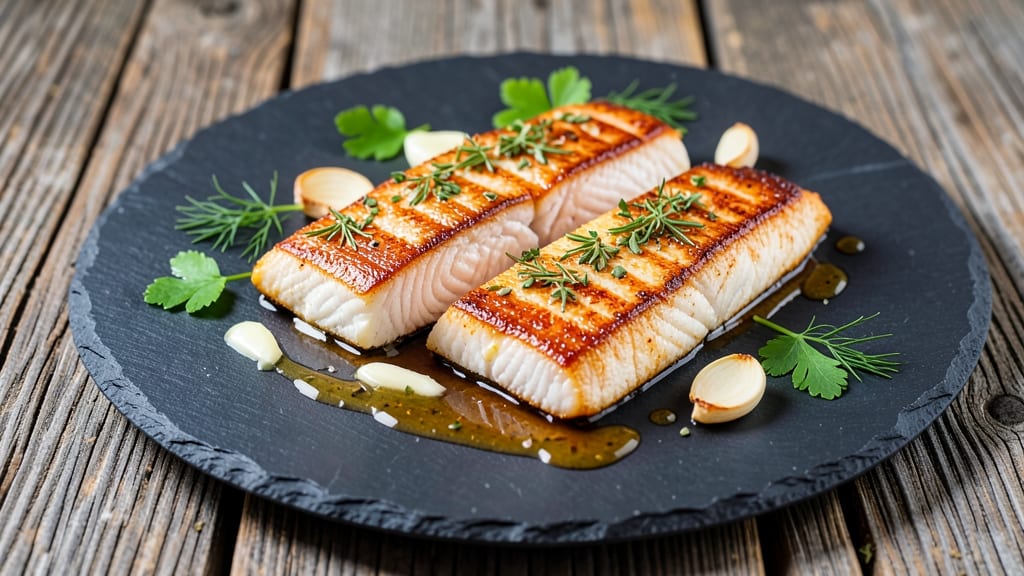
This baked pike recipe delivers restaurant-quality crispy fillets that melt in your mouth while maintaining perfect texture. The secret lies in a simple yet effective technique that transforms delicate fish into a showstopping centerpiece—golden, tender, and infused with bright lemon-herb butter that elevates every bite.
I perfected this method after years of experimenting with different baking times and seasoning blends, ensuring the skin stays crispy without overcooking the delicate flesh inside.
The process begins with carefully prepping the pike fillets—pat them dry, season generously with salt and pepper, then let them rest briefly to develop flavor. While the fish bakes at a precise temperature, the lemon-herb butter mixture transforms into a fragrant, aromatic sauce that bastes the fillets as they cook.
This method guarantees a crispy exterior with a tender, flaky interior, making it ideal for both weeknight dinners and special occasions.
Pair these crispy fillets with complementary sides like roasted seasonal vegetables or a fresh herb salad to create a balanced meal. The bright acidity of lemon and fresh herbs in the butter cuts through the richness of the fish, while the crispy texture adds an element of indulgence.
Whether you're serving this dish to family or guests, the presentation and flavor will leave a lasting impression.
For an elevated dining experience, consider pairing this baked pike with a crisp white wine or a light, citrusy cocktail. The crispness of the fish and the zesty butter create a harmonious balance that enhances both the meal and the drink.
This recipe is designed to be foolproof, ensuring you achieve perfect results every time—no matter your level of culinary expertise.
Ingredients for baked pike
Restaurant-quality crispy pike fillets start with these precise ingredients and techniques.
| Ingredient | Amount | Notes |
|---|---|---|
| Pike Fillets 🐟 | 2 whole | Skin-on, 6-8 oz each |
| Unsalted Butter 🧈 | ½ cup | Cold, cubed for butter bath |
| Fresh Lemon Juice 🍋 | 2 tbsp | Freshly squeezed, strained |
| Fresh Parsley 🌿 | ¼ cup | Finely chopped, stems removed |
| Fresh Dill 🌿 | ¼ cup | Finely chopped, fresh preferred |
| Garlic Cloves 🧄 | 3 cloves | Minced, fresh preferred |
| Kosher Salt 🧂 | 1 ½ tsp | Fine grain, sea salt alternative |
| Freshly Ground Black Pepper 🌶️ | ½ tsp | Freshly cracked for best flavor |
| Extra-Virgin Olive Oil 🫒 | 1 tbsp | For greasing baking dish |
| All-Purpose Flour 🌾 | 1 tbsp | For dredging fillets |
| Lemon Zest 🍋 | 1 tsp | From 1 lemon, for garnish |
The pike fillets are the star, so look for fresh, skin-on fillets from a trusted seafood counter—Whole Foods or local fish markets often carry the best quality. Opt for fillets around 6-8 ounces each to ensure even cooking. If you can't find pike, walleye or Arctic char work as excellent substitutes. The butter should be cold and cubed—this creates the perfect crispy exterior while keeping the interior tender. For the herbs, fresh dill and parsley are non-negotiable; dried herbs won’t deliver the same bright, aromatic flavor. If you're short on time, pre-chop the herbs and store them in an airtight container in the fridge for up to 3 days.
No fresh dill? Substitute with 1/4 cup fresh cilantro or 1 tbsp dried dill, though the flavor will differ slightly. Running low on butter? Use a mix of olive oil and butter at a 1:1 ratio, but the texture won’t be as rich. For the lemon juice, bottled lemon juice works in a pinch, but fresh is always better. The flour dredge is optional but helps create an extra-crispy crust—skip it if you prefer a simpler texture. If you don’t have a microplane, use a fine grater for the lemon zest, but avoid the pith. The garlic can be minced finely or left in small pieces—both work, but finer mincing blends better into the butter mixture.
Prep the fillets and butter mixture ahead of time to streamline cooking day. The butter-herb blend keeps well in the fridge for up to 3 days if stored in an airtight container. For longer storage, freeze it in an ice cube tray—thaw overnight in the fridge before using. The fillets should be baked immediately after seasoning to prevent drying out, but you can prep them up to 1 hour ahead if kept uncovered in the fridge. Leftovers, if any, reheat gently in the oven at 300°F for 5-7 minutes to maintain crispiness. This dish pairs beautifully with steamed asparagus or a simple arugula salad for a complete meal.
Why You'll Love This Recipe
- Foolproof Timing: I swear by this recipe when I need dinner now—just 20 minutes in the oven at 375°F, and the butter and herbs melt right into the fillets. No waiting for a pan to sear or fish to fry.
- Bright & Zesty: That lemon juice and fresh dill? It’s the kind of flavor that makes you close your eyes mid-bite. The butter keeps it rich but the acidity cuts through—like a sunny day on a plate.
- Weeknight & Potluck Star: Between us, this is my go-to for both lazy Tuesdays and summer BBQs. Serve it with crusty bread for a no-fuss meal, or double the batch for a crowd—everyone thinks you slaved over it.
- Leftovers That Don’t Suck: Unlike some fish, baked pike reheats like a dream—just a quick warm in the oven or microwave. Honestly, the second day is just as good, and it’s cheaper than takeout when you’re feeding the family.
Step-by-step instructions for crispy baked pike fillets
Here's the precise method to achieve restaurant-quality crispiness with tender fillets every time.
Prepare the Pike Fillets for Crispy Perfection
Pat the 2 whole pike fillets completely dry with paper towels—this is critical for crispy skin. Remove any remaining pin bones using tweezers or a small fish pick. Place each fillet skin-side down on a clean cutting board and gently press down with your palm for 30 seconds to create an even surface for cooking.
In a shallow dish, combine the 1 tablespoon all-purpose flour with 1 teaspoon kosher salt and 0.5 teaspoon freshly ground black pepper. Lightly dredge each fillet in this mixture, tapping off any excess. This creates a delicate crust that will crisp beautifully during baking. For extra flavor, sprinkle the lemon zest evenly over the dredged fillets.
Create the Lemon-Herb Butter Bath
In a medium bowl, melt the 0.5 cup unsalted butter in the microwave in 20-second intervals, stirring between each, until completely melted. Stir in the 2 tablespoons fresh lemon juice, minced 3 cloves garlic, 0.25 cup fresh parsley, and 0.25 cup fresh dill. Taste and adjust seasoning with additional kosher salt if needed.
Transfer the butter mixture to a small saucepan and warm over low heat for 2 minutes to infuse the flavors. Remove from heat and let cool slightly while you prepare the baking dish. This infused butter will create a rich, flavorful bath that keeps the fillets moist while contributing to that coveted crispy exterior.
Bake to Golden Crispiness
Preheat your oven to 400°F. Grease a baking dish with 1 tablespoon extra-virgin olive oil to prevent sticking. Arrange the prepared fillets skin-side down in the dish, leaving about 1 inch between each. Pour the lemon-herb butter mixture evenly over the top of the fillets, coating them completely.
Bake for 12-15 minutes until the skin is golden brown and crispy, and the internal temperature reaches 145°F when measured with an instant-read thermometer. The fillets should release easily from the skin without falling apart. If the butter browns too quickly, tent the dish with foil to prevent burning while allowing the skin to crisp.
Rest and Serve with Confidence
Remove the fillets from the oven and transfer them to a serving platter. Let them rest for 3-5 minutes before serving. This brief resting period allows the juices to redistribute, ensuring each bite is moist and flavorful. The skin should remain crispy while the flesh stays tender.
Garnish each fillet with additional lemon zest and a sprinkle of fresh dill for presentation. Serve immediately with lemon wedges on the side for squeezing over the top. The combination of crispy skin, tender flesh, and bright lemon-herb butter creates a perfect balance of textures and flavors that will impress any guest.
Pro Tips For Making Baked Pike
- Pat the fillets dry: Pike skin sticks like glue if it’s damp—wipe each fillet with paper towels before baking. I learned this the hard way when my first batch turned out soggy instead of crisp. Five minutes with towels makes all the difference for that golden crust.
- Bake at 180°C (350°F) only: Pike cooks fast and overcooks faster—no need for high heat. Too hot, and you’ll end up with rubbery fish; too low, and the butter won’t brown. Stick to 180°C and pull them out when the center flakes easily with a fork.
- Zest lemon first, save juice last: The zest adds brightness the butter won’t—grate it fresh and mix it into the melted butter before spreading. Save the juice for drizzling at the end, or the fillets will get waterlogged before they even hit the oven.
- Chop herbs fine, then mix: Whole sprigs of dill and parsley won’t infuse—chop them small and fold them into the butter-lemon mix. I was skeptical until I tried it: now the flavor is even in every bite, not just on top. (Yes, even if you’re impatient like me.)
Dietary considerations for these flavors
Gluten-Free Adaptations
This recipe is naturally gluten-free as written, but I always double-check ingredients like flour and broth to ensure no cross-contamination. The flour dredge can be eliminated entirely if needed, or substitute with 1 tablespoon cornstarch or arrowroot powder for a crispy texture without gluten. 🌾
Low-Carb Options
For a low-carb version, skip the flour dredge and focus on the lemon-herb butter's natural crispiness. Pike is already a lean protein with minimal natural carbs, making it perfect for keto diets when paired with non-starchy sides like roasted Brussels sprouts or zucchini noodles.
The butter adds richness without significant carb impact.
Allergen-Friendly Swaps
If you're sensitive to dairy, replace the butter with an equal amount of olive oil or vegan butter (like Miyoko's). For nut allergies, ensure all ingredients are certified nut-free, as some butter brands process in nut facilities. Always check labels on herbs and spices for potential cross-contamination warnings.
Pescatarian-Friendly
This recipe is inherently pescatarian and requires no modifications—just ensure your pike is sustainably sourced. Pike is a lean, white fish rich in protein and omega-3s, making it a fantastic alternative to meat. Pair it with plant-based sides like quinoa or roasted vegetables for a complete vegan-friendly meal.
Low-Sodium Adjustments
For a low-sodium version, reduce the kosher salt to 0.5 teaspoon and use a low-sodium soy sauce splash (just 1 teaspoon) in the lemon-herb butter for umami depth.
Fresh herbs and lemon already provide plenty of flavor, so taste as you go—you may not need extra salt at all. 🧂
Kid-Friendly Simplifications
Make it approachable for picky eaters by omitting the lemon zest garnish (some kids dislike citrusy textures) and serving the fish with mild sides like steamed carrots or mashed sweet potatoes. The butter's richness often wins over hesitant young palates, and the crispy skin adds fun texture they'll love. 🍽️
Nutrition facts
Frequently asked questions
Can I bake pike without the flour dredge?
The flour dredge creates extra crispiness, but it's optional! Skip it if you prefer a simpler texture or need a gluten-free version. For a crispy alternative, lightly brush the fillets with olive oil before seasoning. The lemon-herb butter will still give that delicious flavor and moisture.
How do I know when the pike is fully cooked?
Use an instant-read thermometer to check the internal temperature—it should reach 145°F at the thickest part. The skin should be golden brown and crispy, while the flesh flakes easily with a fork. Overcooking can make the fish dry, so don't exceed 15 minutes at 400°F.
What's the best way to store leftovers?
Store cooked pike in an airtight container in the fridge for up to 2 days. To reheat, place fillets on a baking sheet and warm in a 300°F oven for 5-7 minutes—this keeps the texture crispy. Avoid microwaving as it makes the skin soggy.
Can I substitute another white fish?
Yes! Walleye, Arctic char, or even cod work well. Pike has a delicate flavor, so firmer fish like halibut may need slightly longer baking time (16-18 minutes). Adjust seasoning to taste—some fish are naturally milder. The lemon-herb butter method works universally for white fish.
Why did my pike skin turn rubbery instead of crispy?
Rubbery skin usually means the fillets weren't dry enough before baking or the oven temperature wasn't hot enough. Pat fillets completely dry with paper towels and ensure your oven reaches 400°F before baking. For extra crispiness, broil for 1-2 minutes at the end (watch closely!).