
Main Courses
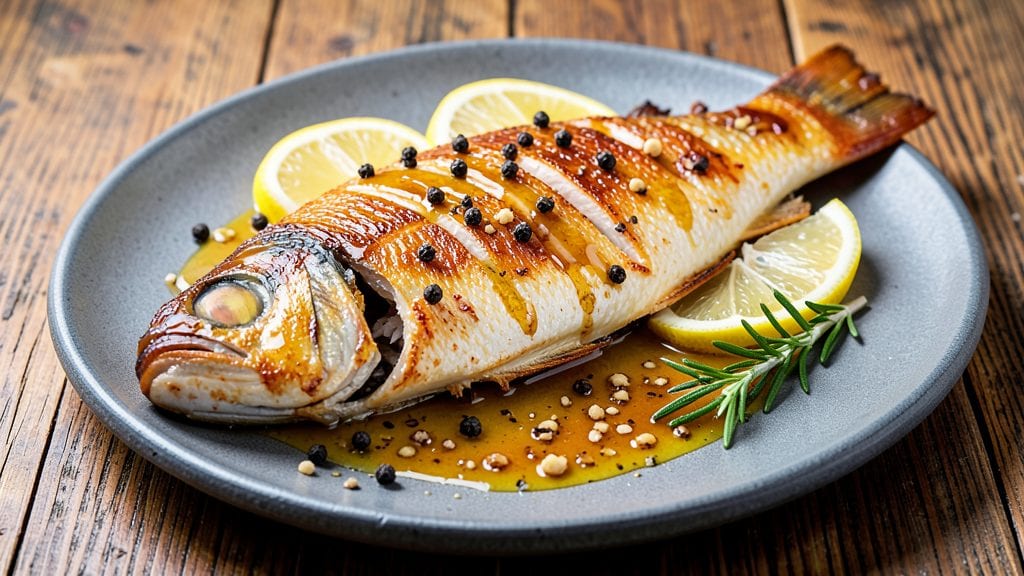
This baked full fish recipe delivers restaurant-quality results with crispy skin and melt-in-your-mouth flakiness—all in just 25 minutes. After years of perfecting my technique, I’ve cracked the code for achieving that golden crust and tender flesh without overcooking.
The key lies in precise seasoning, high-heat baking, and a few professional tricks that make all the difference.
What sets this method apart is the balance between crispy skin and flaky texture, achieved through careful preparation and baking at 425°F. I’ll guide you through every step—from cleaning and seasoning to stuffing (optional) and basting—so your fish turns out perfectly every time.
This recipe works beautifully with firm white fish like cod, halibut, or snapper, but even beginners will find it foolproof.
The result is a dish that’s elegant yet simple: golden, crispy skin that shatters with each bite, revealing tender, white flesh underneath. The aroma alone will have everyone gathering at the table, and the presentation is effortlessly impressive.
Serve with lemon wedges, fresh herbs, or a light sauce to elevate it further.
Whether you're cooking for a special occasion or a weeknight dinner, this method guarantees a showstopping centerpiece that’s both restaurant-worthy and easy to master. Let’s get started—your perfect baked fish is just 25 minutes away.
Ingredients for baked full fish
Simple ingredients, restaurant-quality results—just 12 staples for perfect crispy skin and flaky fish.
| Ingredient | Amount | Notes |
|---|---|---|
| Whole White Fish 🐟 | 1 ½ lb | Firm fillet like cod, halibut, or snapper |
| Extra-Virgin Olive Oil 🫒 | 2 tbsp | High-quality, fruity variety |
| Diamond Crystal Kosher Salt 🧂 | 1 ½ tbsp | Fine grain preferred |
| Freshly Ground Black Pepper 🌶️ | ½ tsp | Freshly cracked preferred |
| Garlic Cloves 🧄 | 4 cloves | Minced for seasoning |
| Fresh Lemon Juice 🍋 | 2 tbsp | Freshly squeezed |
| All-Purpose Flour 🌾 | ½ cup | For dredging skin |
| Fresh Parsley 🌿 | ¼ cup | Chopped for garnish |
| Unsalted Butter 🧈 | 2 tbsp | Melted for basting |
| Fresh Thyme Leaves 🌿 | ¼ cup | Chopped, for aroma |
| Lemon Zest 🍋 | 1 tbsp | From 1 lemon |
| Vegetable Oil 🫒 | 1 tbsp | For greasing pan |
The fish is everything here. Look for firm fillets like cod or halibut—they hold up best to high heat. Whole Foods or your fishmonger will have the freshest cuts, but don't overlook the frozen section at Trader Joe's—their pre-portioned fillets save time. The skin should be intact and shiny, not dull or slimy. If using frozen, thaw overnight in the fridge—never under running water, or you'll end up with dry fish. I always buy a little extra (about 10% more) since some shrinkage happens during baking.
No fresh parsley? Dried oregano at one-third the amount works in a pinch, but fresh herbs make all the difference. Short on lemon juice? Substitute white vinegar or apple cider vinegar, but reduce to 1 tbsp—it's sharper. The butter for basting? Full-fat only—low-fat won't give you that rich, golden crust. For the flour dredge, all-purpose works best—breadcrumbs get too heavy. And if you're feeling fancy, swap the thyme for rosemary or tarragon—both pair beautifully with fish.
Prep the fish and all your garnishes ahead—this is one dish where everything tastes better the next day. Store leftover fish in an airtight container with a paper towel underneath to absorb moisture. Keeps 3 days in the fridge, but honestly, it disappears that fast. For the lemon zest and herbs, keep them in a small jar in the fridge for up to 1 week. The flour and spices? Cool, dark cabinet for months—just make sure they're not near the stove where they'll get steamy.
Why You'll Love This Recipe
- Foolproof Prep: Between us, this takes less effort than boiling water. Just slather the fish with olive oil, crack open a few garlic cloves on top, and let the oven do the work. No basting, no flipping—just set it and forget it.
- Garlic-Oil Magic: That simple olive oil and garlic combo? It transforms flaky white fish into something ridiculously good. The crust gets crispy in spots while the inside stays tender—like a hug from your nonna, but easier.
- Weeknight to Dinner Party: Same recipe, zero extra work. Serve it with crusty bread for a lazy Tuesday or pair it with lemon wedges and wine for guests. Honestly, I’ve pulled this off for both without breaking a sweat.
- Leftovers That Don’t Suffer: Baked fish actually holds up better than you’d think. Shred the extra into salads, mash it into pasta, or eat it cold the next day—it’s still just as good. (Yes, even on a Tuesday.)
Step-by-step instructions for baked full fish recipe
Here's how to achieve that perfect balance of crispy skin and melt-in-your-mouth flakiness every time.
Prepare the Fish for Maximum Crispiness
Begin by patting the 1.5 lb whole white fish completely dry with paper towels—this is absolutely critical for crispy skin. You want every inch of that surface bone dry before we proceed. I like to work over the sink to catch any drips, and I use two layers of paper towels for stubborn spots. The drier the surface, the better the crust will form when we bake.
Next, create a seasoning paste by combining the 2 tbsp extra-virgin olive oil, 1.5 tbsp diamond crystal kosher salt, 0.5 tsp freshly ground black pepper, 4 cloves minced garlic, 2 tbsp fresh lemon juice, and 1 tbsp lemon zest. Rub this mixture all over the fish, including the cavity if it's a whole fish with an opening. The citrus and garlic will infuse beautifully while the salt helps draw out moisture for that perfect crust.
Create the Flour Crust for Extra Crisp
In a shallow dish, combine the 0.5 cup all-purpose flour with the 0.25 cup chopped fresh thyme leaves. Gently press the seasoned fish into this flour mixture, coating it evenly on all sides. I use my fingers to press the flour into the skin—this helps create those beautiful crispy pockets. Don't press too hard or you'll compact the flesh and lose some of that flaky texture we're after.
Let the floured fish rest for 10 minutes at room temperature while you prepare the baking setup. This brief resting period allows the flour to adhere better and prevents the fish from sticking to the pan during baking. I always set a timer for this step because it's easy to forget and rush ahead.
Bake to Perfect Doneness
Preheat your oven to 425°F—this high temperature is essential for achieving that crispy skin while keeping the inside perfectly flaky. Grease a baking dish with the 1 tbsp vegetable oil, then place the prepared fish in the center. For extra browning, melt the 2 tbsp unsalted butter and drizzle it over the top of the fish.
Bake for 12-15 minutes until the skin is deep golden brown and crispy, and the internal temperature reaches 145°F when measured at the thickest part. You'll know it's ready when the fish flakes easily with a fork and the edges pull away from the pan cleanly. The exact time depends on your oven, so watch closely after 12 minutes—every oven runs slightly differently.
Rest and Serve with Fresh Herbs
Remove the fish from the oven and let it rest on a wire rack for 5 minutes. This resting period is crucial—it allows the juices to redistribute throughout the flesh, ensuring each bite is moist and flavorful. I know it's tempting to dig in immediately, but those 5 minutes make all the difference in the final texture.
While the fish rests, garnish it with the chopped fresh parsley. The bright green color contrasts beautifully with the golden skin and adds a fresh finish. Serve immediately with lemon wedges on the side—squeezing fresh lemon juice over each portion enhances the citrus notes in the crust and balances the richness of the fish.
Pro Tips For Making Baked Full Fish
- Dry the Fish First: Pat the fish thoroughly—inside and out—with paper towels before seasoning. Wet skin won’t crisp, and you’ll end up with a sad, soggy mess instead of that perfect golden crust. (Yes, even if you’re impatient like me.)
- Salt Inside Before Baking: Sprinkle kosher salt inside the cavity (about ½ teaspoon) while you prep the outside. It seasons the flesh evenly and prevents that bland, watery core. I learned this the hard way—overlooking it leaves the middle tasting like nothing.
- Use a Thermometer for Doneness: Pull the fish when the internal temp hits 130–135°F—any hotter, and it’ll flake apart. Fish cooks fast, but guessing leads to rubbery texture. (Pro move: Check the thickest part near the center.)
- Roast Garlic Cloves First: Toss whole garlic cloves in olive oil, wrap in foil, and roast at 400°F for 10 minutes before baking the fish. The mellow, caramelized flavor beats raw garlic’s bite—no chopping, just spoon the softened cloves over the fish at the end.
Regional styles of baked full fish
Mediterranean Style
In coastal regions like Greece and Turkey, they bake fish with a lemon-herb crust that’s even simpler than mine.
Start with a 1.5 lb whole sea bass or branzino, then mix 1 tbsp olive oil, 1 tsp dried oregano, ½ tsp red pepper flakes, and zest of 1 lemon. Rub this all over the fish, then sprinkle with 1 tbsp coarse sea salt.
Bake at 400°F for 12-15 minutes until the skin is blistered and golden. The key here is no flour—just the natural oils and citrus create that perfect crust. Serve with roasted cherry tomatoes and warm pita bread for a true Mediterranean spread. 🌊
New England Classic
Up north, they take their baked fish with clams and white wine—a technique called "fish au gratin" that’s been a New England staple for generations.
Start by stuffing your 1.5 lb cod with a mix of ½ cup chopped scallions, 2 tbsp minced parsley, 1 tbsp butter, and ¼ cup dry white wine. Top with ½ cup breadcrumbs, 2 tbsp grated Parmesan, and 1 tbsp melted butter.
Bake at 375°F for 20 minutes until the breadcrumbs are golden and the clams (if using) have opened. The wine infuses the fish with depth, while the breadcrumbs add a satisfying crunch. Pair with steamed broccoli and crusty sourdough. 🍷
Japanese Miso-Glazed
For a bold, umami-packed twist, try this Japanese-inspired method using white miso paste. Mix 1 tbsp white miso, 1 tbsp mirin, 1 tbsp soy sauce, and 1 tsp grated ginger into a glaze.
Coat a 1.5 lb snapper or flounder with this mixture, then bake at 425°F for 12-15 minutes until the skin is crispy and the glaze caramelizes. The miso adds a deep, savory richness that pairs perfectly with steamed jasmine rice and quick-pickled cucumbers.
For extra drama, sprinkle toasted sesame seeds on top before serving. 🌸
Southern Fried Crust
In the American South, they often double-crisp the fish by frying it first, then baking. Start by dredging your 1.5 lb catfish or trout in ½ cup cornmeal mixed with 1 tsp smoked paprika and ½ tsp cayenne.
Pan-fry in vegetable oil at 350°F for 3 minutes per side until golden, then transfer to a baking sheet. Bake at 400°F for 8-10 minutes to finish cooking through. The result? A crunchy, spicy crust with tender flesh inside.
Serve with hushpuppies and hot sauce for a true Southern feast. 🌶️
French Beurre Blanc Finish
For a restaurant-worthy touch, finish your baked fish with a beurre blanc sauce.
After baking your 1.5 lb sea bream or Dover sole at 425°F for 12 minutes, whisk together 2 tbsp butter, 1 tbsp white wine, 1 tbsp shallots, and 1 tsp lemon juice in a small saucepan. Simmer until thickened, then drizzle over the fish.
The buttery, tangy sauce elevates the dish instantly. Garnish with chives and serve with buttery mashed potatoes for a French bistro experience at home. 🍽️
Nutrition facts
Frequently asked questions
What's the best type of fish for baking whole?
Firm, medium-fat white fish work best—cod, halibut, or snapper are ideal choices. These varieties hold their shape and texture well during high-heat baking. Avoid delicate fish like flounder or sole unless you're baking at lower temperatures (375°F) for longer periods. The key is a fish with enough fat to stay moist but not so much it becomes greasy.
Why does my fish skin stay soggy instead of crispy?
This usually happens when the fish isn't dry enough before baking or the oven isn't hot enough. Double-check that you've patted the fish completely dry with paper towels, and preheat your oven to 425°F for at least 15 minutes before baking. The flour coating also needs time to crisp—don't skip the 10-minute rest before baking. For extra crispiness, try broiling for the last 2 minutes of cooking.
Can I bake fish without flour for the crust?
For a flour-free crust, try coating the fish with olive oil and crushed nuts (like almonds or pistachios) or a mix of panko breadcrumbs and smoked paprika. Another great option is a lemon-zest and herb rub—just mix 1 tbsp lemon zest, 1 tbsp chopped parsley, and 1 tsp garlic powder with 1 tbsp olive oil and rub it all over the fish. These methods still create great texture while keeping it gluten-free.
How do I know when the fish is fully cooked?
The fish is done when it reaches an internal temperature of 145°F at its thickest part and the skin is deep golden brown. You'll also notice the edges pull away cleanly from the pan, and the flesh should flake easily with a fork. For whole fish, check the thickest part of the fillet (usually near the tail) with a meat thermometer—this is the most reliable method. Overcooking by even 1-2 minutes can make the fish dry.
Can I make this recipe ahead of time?
While the fish is best served immediately after baking, you can prepare components ahead. Make the seasoning paste and chop all herbs up to 1 day in advance and store them in airtight containers in the fridge. For the fish itself, pat it dry and season it, then refrigerate uncovered on a wire rack for up to 4 hours before baking. This helps dry the surface further for extra crispiness. Never bake ahead—always cook fresh for the best texture.