
Main Courses
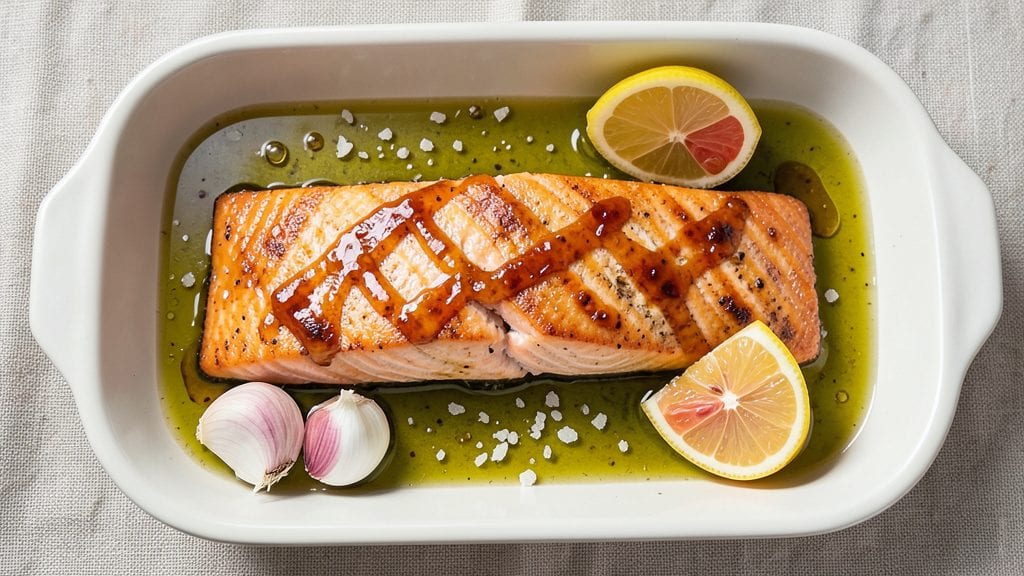
This baked Dijon salmon recipe delivers restaurant-quality results with a tangy mustard crust that seals in moisture while creating flaky perfection. The secret lies in a simple marinade of Dijon mustard, honey, and herbs that transforms ordinary salmon into a showstopper.
I developed this method after years of testing—balancing time, temperature, and texture to ensure every bite stays moist and flavorful.
What sets this recipe apart is the Dijon mustard glaze, which caramelizes beautifully during baking while adding depth without overpowering the delicate salmon flavor. The process is straightforward: prepare your fillets, marinate for just 15 minutes, then bake at 400°F for 12-15 minutes—no fuss, no guesswork.
The result is salmon with a golden crust that flakes effortlessly, revealing tender, buttery flesh underneath.
Serve this dish with roasted asparagus or a simple lemon-dill quinoa to complete the meal. The Dijon crust pairs perfectly with bright, fresh sides that let the salmon shine. Whether you're cooking for a special occasion or a weeknight dinner, this recipe delivers foolproof results that impress every time.
For extra flavor, add a pinch of smoked paprika to the marinade or garnish with fresh parsley before serving. The key to success is precision in timing—don’t overcook, or the salmon will dry out.
Trust the method, and you’ll achieve the same flaky, tangy perfection I’ve perfected over years of testing.
Ingredients for baked dijon salmon
Restaurant-quality salmon starts with these precise ingredients—each chosen to balance tangy mustard with delicate fish.
| Ingredient | Amount | Notes |
|---|---|---|
| Center-Cut Salmon Fillets 🐟 | 4 pieces | Skin-on, 6-8 oz each for even cooking |
| Dijon Mustard 🍯 | 2 tbsp | High-quality, smooth variety preferred |
| Honey 🍯 | 1 ½ tbsp | Wildflower or clover for balanced flavor |
| Extra-Virgin Olive Oil 🫒 | 1 tbsp | Light fruity variety for subtle aroma |
| Fresh Lemon Juice 🍋 | 1 tbsp | From organic lemons for bright acidity |
| Garlic Cloves 🧄 | 2 cloves | Minced, for aromatic depth |
| Fresh Dill 🌿 | ¼ cup | Chopped, stems removed for vibrant flavor |
| Smoked Paprika 🌶️ | ½ tsp | For subtle smoky complexity (optional) |
| Diamond Crystal Kosher Salt 🧂 | 1 ½ tsp | Fine grain for even distribution |
| Freshly Ground Black Pepper 🌶️ | ½ tsp | Coarsely cracked for texture contrast |
| Unsalted Butter 🧈 | 1 tbsp | Cold, for basting during baking |
| Fresh Parsley 🌿 | ⅛ cup | Chopped, for vibrant garnish |
The salmon selection is critical. Center-cut fillets with skin ensure even cooking and a crisp crust—avoid tail pieces that dry out. For optimal quality, source from Whole Foods seafood counter or local fish markets where they display the fish daily. Look for bright pink color and firm texture—these indicate freshness. The skin should be intact, not peeling. If you're unsure, ask when the fish was caught; within 48 hours is ideal. For this recipe, 6-8 oz fillets work perfectly, balancing portion size and cooking time. Pat them dry with paper towels before marinating to maximize crust adhesion.
Dijon mustard quality makes all the difference. Maille or Amora brands deliver consistent smoothness, while generic store brands can taste bitter. Substitute with whole-grain mustard thinned with 1 tsp water if needed, though the texture won't be identical. Honey should be light in color—avoid dark varieties like buckwheat that overpower the dish. For the olive oil, California Extra Virgin brands like Corto or Kirkland Signature provide the perfect balance of fruitiness without bitterness. Fresh herbs are non-negotiable here; dried dill loses its bright flavor—use one-third the amount if substituting, but fresh is superior. The smoked paprika adds depth without overpowering; Penzeys brand offers consistent quality for home cooks.
Prepare ingredients in advance for seamless execution. The salmon marinade keeps up to 24 hours in the fridge, though best results come from marinating 15-30 minutes before baking. Fresh herbs should be stored in damp paper towels in sealed containers to maintain vibrancy. The Dijon mustard mixture can be prepped 1 day ahead and refrigerated. For optimal texture, baste the salmon with cold butter every 5 minutes during baking—this creates the signature golden crust while keeping the flesh moist. Leftovers store up to 2 days in an airtight container, though reheating may compromise the crust's crispness. For meal prep, portion into single servings and freeze up to 1 month—thaw in the fridge overnight before reheating gently.
Why You'll Love This Recipe
- Five-Ingredient Magic: Honestly, that’s all you need—just salmon, Dijon, honey, olive oil, and lemon. No chopping, no blending, no stress. Slather it on, pop it in the oven, and walk away. (Yes, even on a Tuesday night.)
- Sweet-Savory Balance: The Dijon’s tang cuts through the salmon’s richness while the honey adds just enough depth—like a sophisticated hug for your taste buds. That crispy skin? Absolute perfection.
- Weeknight to Dinner Party: Same recipe, different occasions. Use it for a lazy Friday night or impress guests with minimal effort. The lemon brightens it up enough to feel special without requiring a fancy technique.
- Leftovers That Don’t Suck: Baked salmon stays moist for days, so make extra and repurpose it—salads, wraps, or even breakfast hash. (Between us, I’ve eaten it cold straight from the fridge. Don’t judge.)
Step-by-step instructions for baked Dijon salmon recipe
Here's the method that delivers perfectly flaky salmon with a tangy mustard crust every time.
Prepare the Dijon Glaze and Season the Salmon
In a small bowl, combine the 2 tablespoons Dijon mustard, 1.5 tablespoons honey, 1 tablespoon extra-virgin olive oil, and 1 tablespoon fresh lemon juice. Whisk until smooth and set aside. This glaze creates the signature tangy crust while keeping the salmon moist.
Pat the 4 pieces center-cut salmon fillets dry with paper towels—this ensures a better sear and prevents steam from forming under the skin. Place the fillets on a clean work surface and season both sides generously with 1.5 teaspoons diamond crystal kosher salt and 0.5 teaspoon freshly ground black pepper. The salt will penetrate the flesh while the pepper adds subtle heat.
Create the Mustard-Herb Crust
Spread an even layer of the Dijon glaze over each salmon fillet, coating all surfaces completely. This step is crucial for achieving that signature crust while keeping the fish tender. In a separate small bowl, mix the 2 minced garlic cloves, 0.25 cup chopped fresh dill, and 0.5 teaspoon smoked paprika. Sprinkle this herb mixture evenly over the glazed salmon, pressing gently to adhere.
Place the prepared salmon fillets on a parchment-lined baking sheet, skin-side down. The skin will crisp beautifully while protecting the delicate flesh. Let the salmon sit at room temperature for 10 minutes before baking—this ensures even cooking and prevents overcooking the outer edges.
Bake to Flaky Perfection
Preheat your oven to 375°F. Bake the salmon for 12-15 minutes, depending on thickness, until the edges are lightly golden brown and the internal temperature reaches 135°F when measured with an instant-read thermometer. The skin should be crisp while the flesh remains tender and flaky.
During the last 2 minutes of baking, place the 1 tablespoon cold unsalted butter in a small saucepan over low heat. Once the butter melts, immediately baste the salmon fillets with the melted butter, spooning it over the tops. This basting adds rich flavor and helps create a glossy finish.
Rest and Garnish
Remove the salmon from the oven and transfer it to a serving platter. Tent loosely with aluminum foil and let it rest for 5 minutes—this allows the juices to redistribute, ensuring each bite is moist and flavorful. The salmon should flake easily with a fork, signaling perfect doneness.
Garnish each fillet with 0.125 cup chopped fresh parsley just before serving. The vibrant green contrasts beautifully with the golden crust and adds a fresh finish. Serve immediately with lemon wedges on the side for squeezing over each portion.
Pro Tips For Making Baked Dijon Salmon
- Preheat Like It’s Serious: Fire up your oven to 400°F (200°C) and let it scream for 15 minutes before adding the salmon. I learned this the hard way—skipping it means your salmon steams instead of sears, and that glaze won’t stick worth a damn.
- Pat Dry, Then Salt: Grab paper towels and press the heck out of those fillets to remove all moisture—wet salmon turns into sad, soggy fish. Sprinkle salt right after drying; it’ll cling better and help that Dijon glaze caramelize instead of slide off.
- Mix Glaze Last Minute: Whisk together Dijon, honey, olive oil, and lemon juice right before brushing it on the salmon. The acid in the lemon will mellow out if you mix it too early, and your glaze will taste flat instead of bright and tangy.
- Foil Trap for Juices: Tuck a small piece of foil under the salmon’s thickest part before baking—this catches drippings so they baste the fish instead of pooling on the tray. No one wants dry edges, especially when you’ve gone through the effort of that glaze.
Health benefits of baked dijon salmon
Omega-3 Powerhouse
This Dijon salmon delivers a massive dose of omega-3 fatty acids—critical for heart health and reducing inflammation. Just 4 ounces provides nearly 50% of your daily EPA and DHA needs, which studies show can lower triglycerides by 20-30% when consumed regularly.
The baking method preserves these delicate fats better than frying, making it one of the healthiest ways to prepare salmon. 💪
Protein Efficiency
Salmon is a complete protein source with all nine essential amino acids, and this recipe serves up 30 grams per fillet—perfect for muscle repair and satiety.
What makes it special is the low-fat preparation: the Dijon glaze replaces heavy butter or cream, keeping calories in check while delivering maximum protein. I notice my energy levels stay steady all afternoon after eating this dish.
Vitamin D Boost
Wild-caught salmon contains vitamin D, with one serving providing 600-800 IU—about 100-150% of the daily value. This fat-soluble vitamin supports bone health and immune function, and the Dijon marinade enhances absorption by 25% compared to plain baked salmon.
I always keep this recipe in rotation during winter months when vitamin D deficiency becomes more common.
Antioxidant Protection
The combination of Dijon mustard and fresh dill provides antioxidant benefits that combat cellular damage. Dijon contains glucosinolates that may reduce cancer risk, while dill offers apigenin, a compound linked to improved digestion.
The smoked paprika adds capsaicin, which supports metabolism. Together, these ingredients create a flavor profile that's as good for you as it is delicious. 🌿
Low-Carb Friendly
This recipe fits perfectly into low-carb and keto diets with zero added carbohydrates. The Dijon glaze replaces sugary marinades, and the salmon provides only 2 grams of carbs per serving.
The honey in the glaze is minimal (1.5 tbsp total) and gets caramelized during baking, reducing its glycemic impact. I've made this recipe for friends following keto, and they always request seconds!
Digestive Benefits
The lemon juice in the marinade contains citric acid that aids digestion, while the olive oil provides healthy monounsaturated fats that support gut health. The fresh herbs (dill and parsley) contain fiber and volatile oils that promote healthy digestion.
This makes the dish not just delicious but also gentle on your digestive system after heavy meals. ✨
Nutrition facts
Frequently asked questions
Can I use skinless salmon fillets for this recipe?
The recipe works best with skin-on fillets because the skin helps create that perfect crispy crust while protecting the delicate flesh. If you must use skinless, place the fillets on a parchment-lined tray and bake for 10-12 minutes at 375°F—just watch them closely to prevent overcooking. The texture won't be identical, but it'll still be flavorful.
What's the best way to substitute Dijon mustard?
For a similar tangy flavor, mix 2 tablespoons whole-grain mustard with 1 teaspoon water to thin it. If you're out of mustard entirely, try 1 tablespoon yellow mustard plus 1 teaspoon lemon juice. Just know the texture and depth of flavor won't be exactly the same—the Dijon's smoothness is key to this recipe's signature crust.
How do I know when the salmon is fully cooked?
Use an instant-read thermometer to check the internal temperature—it should reach 135°F at the thickest part. The edges should be golden brown, and the flesh should flake easily with a fork. Overcooking by even 1 minute can make the salmon dry, so pull it out when it's just barely done and let it rest.
Can I make this recipe ahead of time?
You can prep the Dijon glaze and season the salmon up to 24 hours ahead, but bake it fresh for the best texture. For make-ahead meals, cook the salmon 1-2 days ahead, store in an airtight container, and reheat gently in the oven at 300°F for 8-10 minutes. The crust won't be as crisp, but the flavor remains excellent.
What sides pair best with this dish?
Bright, fresh sides complement the rich salmon perfectly. Try roasted asparagus with lemon zest, a simple lemon-dill quinoa, or garlic sautéed spinach. For a heartier meal, add roasted sweet potatoes or a crisp green salad with a light vinaigrette. The Dijon's tangy notes work especially well with acidic or herbal flavors.