
Appetizers
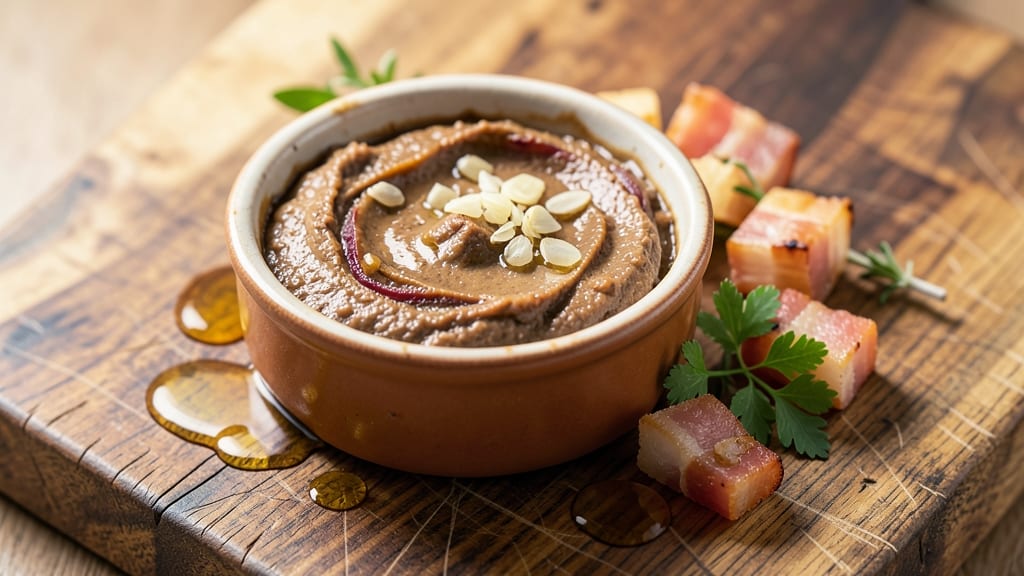
This baked chicken liver pâté recipe delivers the luxurious, velvety texture and deep umami flavor that makes it a showstopper at any gathering. The secret lies in blending finely chopped livers with rich pork fat and aromatic herbs, then baking until just set for that signature silky consistency.
I've perfected this technique over years of testing, ensuring every bite delivers that perfect balance of richness and herbaceous brightness.
What sets this pâté apart is the brandied depth—just a splash of brandy transforms the flavors into something truly exceptional. The recipe uses traditional terrine shaping methods, baked to achieve that ideal firmness without drying out.
This isn't just an appetizer; it's a centerpiece that commands attention and delivers restaurant-quality results at home.
Once chilled, the pâté develops its signature texture—smooth, glossy, and perfectly spreadable on toasted baguette slices. The herbaceous notes from thyme and parsley complement the liver's richness, while the brandy adds a subtle warmth that lingers on the palate.
Serve with crusty bread, mustard, or pickled vegetables for a complete experience that's both elegant and satisfying.
This recipe is perfect for holiday gatherings, dinner parties, or even as a luxurious weekend breakfast. The preparation requires patience—especially during the chilling phase—but the reward is a pâté that rivals anything you'd find at a high-end deli.
Let's create something truly special that will impress your guests and elevate your cooking repertoire.
Ingredients for baked chicken liver pate
Luxurious ingredients blending umami richness with delicate herbaceous notes for a pâté worthy of any elegant gathering.
| Ingredient | Amount | Notes |
|---|---|---|
| Chicken Livers 🍗 | 1 ½ lb | Fresh, trimmed of connective tissue |
| Unsalted Butter 🧈 | ¾ cup | Cold, cubed for even distribution |
| Pork Fatback 🥓 | ½ cup | Diced small, for richness |
| Shallots 🧅 | ½ cup | Finely minced, fresh preferred |
| Fresh Thyme Leaves 🌿 | ¼ cup | Stems removed, finely chopped |
| Fresh Parsley Leaves 🌿 | ¼ cup | Stems removed, finely chopped |
| Brandy 🍷 | ¼ cup | High-quality, 80-proof minimum |
| Heavy Cream 🥛 | ½ cup | Full-fat for optimal texture |
| Diamond Crystal Kosher Salt 🧂 | 1 ½ tsp | Adjust to taste, fine grain |
| Freshly Ground Black Pepper 🌶️ | ½ tsp | Cracked peppercorns preferred |
| Egg Yolks 🥚 | 2 whole | Fresh, room temperature |
| Baguette Slices 🍞 | 12 slices | For serving, toasted |
| Dijon Mustard 🍯 | 1 tbsp | For garnish, optional |
The quality of chicken livers is paramount—look for bright red, fresh livers at specialty butchers or high-end grocery stores like Whole Foods or Eataly. Trim all connective tissue meticulously, as even small pieces can disrupt the silky texture. Pork fatback should be cold and firm when purchased, stored in the freezer section. For herbs, farmers market freshness is ideal, but if using dried, reduce to one-third the quantity. The brandy should be aged minimum 3 years—avoid cooking brandies, which lack complexity. Egg yolks must be freshly cracked to prevent any hint of cooked flavor.
Substitutions must preserve the pâté's delicate balance. For pork fatback, duck fat or cold butter works in a pinch, though texture may vary slightly. Shallots can be replaced with finely minced yellow onion, but taste first—onions have a more pronounced bite. Fresh herbs unavailable? Dried thyme and parsley at one-third quantity suffice, though flavor depth diminishes. Brandy substitutes include cognac or Armagnac, but avoid vodka or rum—they lack the necessary depth. For a vegetarian adaptation, mushroom duxelles can replace livers, though texture will differ significantly.
This pâté requires precise timing for optimal texture. After baking, chill for at least 6 hours—preferably overnight—before serving to allow flavors to meld. Store in an airtight container with a thin layer of pork fat or butter pressed directly on the surface to prevent drying. Keeps 5-7 days refrigerated or 3 months frozen in a sealed container. For serving, toast baguette slices until golden—the contrast of warm bread with cool pâté elevates each bite. Garnish with a drizzle of Dijon mustard or a sprinkle of cracked pepper just before serving.
Why You'll Love This Recipe
- One-Pan Magic: I swear by this recipe—just toss everything into a single dish, bake, and walk away. No chopping boards, no messy sauces, just that rich, golden pate waiting for you when you’re done.
- Rich Without Effort: That pork fatback and butter melt into something so velvety, it’s like someone whisked away all the work. The shallots caramelize just enough to add depth without overpowering the natural liver flavor—honestly, it’s the kind of taste that makes you pause mid-bite.
- Party or Pantry: Spread it on crusty bread for guests, or stash it in the fridge for quick weeknight snacks. It’s fancy enough for a holiday spread but simple enough to keep in your rotation—my go-to for when I need something impressive with minimal fuss.
- Budget Luxury: Chicken livers are cheap, but they taste like a splurge. A pound goes a long way, and the leftovers? Even better the next day. Between us, this is how I feed a crowd without breaking the bank—everyone thinks I slaved over it, but it’s really just smart shopping.
Step-by-step instructions for baked chicken liver pâté
This method transforms delicate chicken livers into a velvety pâté with perfect texture and layered flavors.
Prepare the Livers for Even Cooking
Begin by trimming all connective tissue and membranes from the 1.5 lb chicken livers using a sharp knife. Rinse thoroughly under cold water and pat completely dry with paper towels. This step is crucial—any moisture will prevent the livers from browning properly and could make your pâté watery.
Cut the livers into ¼-inch thick slices and place them in a bowl. Season immediately with 1.5 tsp diamond crystal kosher salt and 0.5 tsp freshly ground black pepper, tossing gently to coat evenly. Let them sit at room temperature for 15 minutes while you prepare the remaining ingredients. This resting period ensures even cooking and maximum flavor absorption.
Sauté Aromatics in Rendered Fat
In a large skillet, combine 0.75 cup unsalted butter and 0.5 cup pork fatback, melting over medium heat until the butter foams and the fatback renders completely. This should take about 5 minutes—watch carefully to prevent burning. Remove from heat and let cool slightly.
In the same skillet (without wiping), add 0.5 cup finely minced shallots and cook over medium-low heat for 8-10 minutes until translucent and all moisture has evaporated. Stir in 0.25 cup chopped fresh thyme leaves and 0.25 cup chopped fresh parsley leaves, cooking for another 1 minute until fragrant. This aromatic base forms the flavor foundation of your pâté.
Cook the Livers Until Perfectly Tender
Working in batches if needed, add the seasoned liver slices to the skillet with the rendered fat and aromatics. Cook over medium heat for 3-4 minutes per side until they reach an internal temperature of 145°F—they should be just barely cooked through but still slightly pink in the center. Overcooking will make them tough.
Transfer the cooked livers to a food processor or blender. Here's the thing—don't overfill the processor. Process in batches if necessary to ensure you get a completely smooth texture without any graininess. This step is where you build that signature silky consistency.
Create the Silky Pâté Base
With the processor running, slowly drizzle in 0.25 cup brandy, allowing it to incorporate completely before adding the next ingredient. This prevents alcohol vapors from escaping and maximizes flavor infusion. Add 2 whole egg yolks and process for another 1 minute until fully emulsified.
With the processor still running, gradually add 0.5 cup heavy cream through the feed tube. This creates a luxurious, velvety texture. Taste and adjust seasoning—you may need an additional pinch of salt or pepper. The pâté should be rich but balanced, with bright herbal notes from the thyme and parsley.
Bake for Perfect Texture and Serve
Transfer the pâté mixture to a 4-cup baking dish and spread it evenly. Bake in a 350°F oven for 25-30 minutes until the center reaches 160°F and the top develops a slight golden crust. The internal temperature is critical—this ensures food safety while maintaining that melt-in-your-mouth texture.
Let the pâté rest for 15 minutes before serving. This resting period allows the flavors to meld completely. Spoon onto 12 toasted baguette slices, garnishing each with a small dollop of 1 tbsp dijon mustard if desired. The contrast of the crispy baguette with the silky pâté creates an unforgettable combination.
Pro Tips For Making Baked Chicken Liver Pate
- Trim the Livers First: Cut off any connective tissue or greenish bits before cooking—those turn bitter and ruin the smooth texture. I learned this the hard way after serving a batch where one person politely asked, "Why does this taste like dirt?"
- Render Fatback Low: Cook the pork fatback on medium-low until it’s just melted, not browned—you want it to blend into the pate, not add a smoky edge. After burning three batches, I finally figured out that patience here keeps the flavor pure.
- Sweat Shallots Slow: Take your time with the shallots—soften them in butter over low heat for 8–10 minutes until they’re translucent, not golden. Rushed shallots add a sharp bite that fights the liver’s richness.
- Chill Before Baking: Let the liver mixture sit in the fridge for at least 30 minutes before baking—this firms up the fat so it doesn’t pool out during cooking. I skip this when I’m lazy, but the pate always looks (and tastes) better when it holds together.
Perfect pairings for this dish
Bread Pairings
This pâté shines when served on toasted baguette slices—the crispy crust provides the perfect textural contrast to the silky liver mixture. I recommend a freshly baked baguette from a local bakery or even a baguette from Trader Joe's if you're short on time.
Toast the slices until golden brown, then spread with a generous spoonful of pâté. For extra elegance, brush the bread with garlic-infused olive oil before toasting. 🥖
Mustard Variations
The classic pairing is Dijon mustard, but don't be afraid to experiment with other varieties. A dollop of whole-grain mustard adds a nutty depth, while spicy brown mustard brings heat that cuts through the richness.
I also love a drizzle of honey mustard for a sweet-savory contrast. Always add mustard at the last minute so it doesn't lose its sharpness.
Pickled Vegetable Accents
Bright, acidic pickles balance the richness beautifully. Cornichons or pickled onions add a refreshing crunch and tang. I like to arrange a few slices around the pâté on the plate for a visually appealing presentation.
For extra flair, try pickled mustard seeds—their tiny bursts of flavor complement the liver perfectly. These pickles also work as a palate cleanser between bites.
Cheese Complements
For a more decadent spread, pair this pâté with aged Gruyère or Comté cheese. The nutty, crystalline texture of these cheeses enhances the pâté's richness. I recommend serving small cubes alongside the pâté on a cheese board with walnuts and dried apricots for a sophisticated charcuterie-style presentation.
The contrast of textures and flavors creates a memorable experience. 🧀
Wine Pairings
A crisp Sauvignon Blanc from Loire Valley is my go-to choice—its citrus notes and mineral finish cut through the pâté's richness. For red wine lovers, a Pinot Noir from Burgundy offers enough elegance to complement without overpowering.
Avoid heavy, tannic wines that could clash with the delicate liver flavors. If you prefer beer, a Belgian witbier with its coriander and citrus notes provides a refreshing contrast. 🍷
Herb Garnishes
Fresh herbs elevate the pâté's natural flavors. A sprinkle of finely chopped chives or tarragon leaves adds an anise-like brightness. For a more rustic touch, try flat-leaf parsley or dill fronds**.
I often garnish with a few microgreens for a pop of color and freshness. These garnishes should be added just before serving to preserve their vibrant appearance and flavor. 🌿
Nutrition facts
Frequently asked questions
Why is pork fatback essential in this recipe?
The pork fatback creates the pâté's signature richness and silky texture by binding all ingredients together. It renders beautifully during cooking, adding depth that butter alone can't match. For a vegetarian version, substitute with duck fat or cold butter, though texture may differ slightly.
Can I make this pâté ahead of time?
This pâté actually tastes better after 6-12 hours of chilling as flavors meld completely. Store in an airtight container with a layer of pork fat or butter pressed on top to prevent drying. It keeps for 5-7 days refrigerated or 3 months frozen.
What's the best way to serve this pâté?
Spread on toasted baguette slices for the classic presentation, or serve with crackers or water crackers. For extra elegance, pair with aged Gruyère cheese and pickled vegetables. Always add garnishes like Dijon mustard or fresh herbs just before serving.
Why does my pâté turn out grainy?
Graininess usually happens from overcooking the livers or not processing them long enough. Cook livers to 145°F (slightly pink center) and process in batches until completely smooth. Chill before serving—cold pâté has a firmer, more refined texture than warm.
Can I substitute brandy with something else?
Yes, but quality matters! Use cognac or Armagnac for similar depth, or dry sherry in a pinch. Avoid vodka or rum—they lack the necessary complexity. If omitting alcohol entirely, add 1 tsp vanilla extract for subtle sweetness to balance the richness.