
Salads
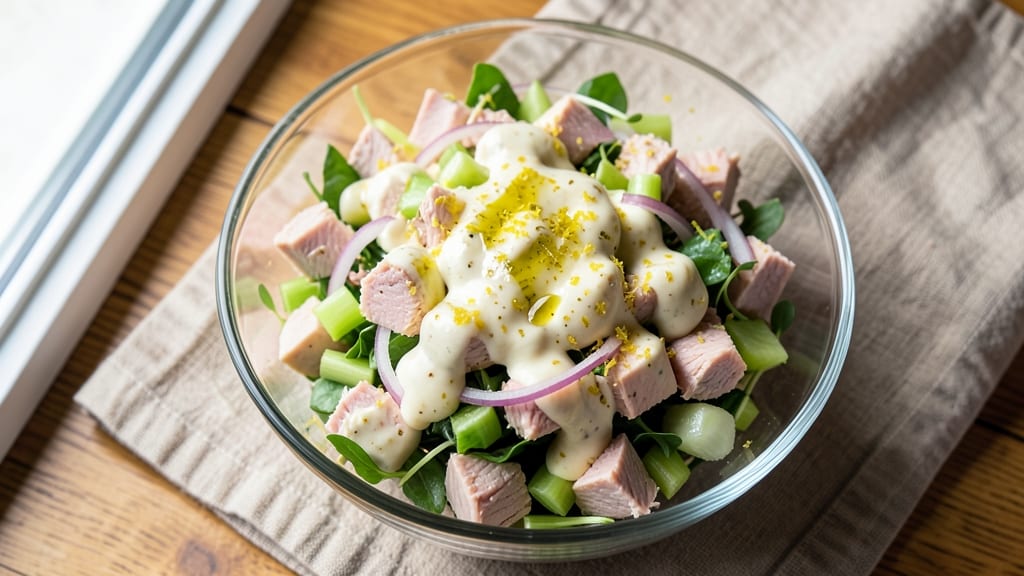
This award-winning tuna salad recipe transforms a classic into something extraordinary—creamy yet crisp, with a texture balance that wins over skeptics. The secret lies in carefully chosen ingredients and precise technique that elevates every bite beyond the ordinary.
After years of refining, this version delivers restaurant-quality results at home, where the mayonnaise stays rich, the celery adds satisfying crunch, and the lemon brightens without overpowering.
What sets this recipe apart is the perfect harmony of flavors and textures: tender tuna, crisp vegetables, and a creamy dressing that holds its shape without becoming greasy.
The method is straightforward but requires attention to detail—properly chopping the celery and onions ensures they stay crisp, while the right ratio of mayonnaise to Greek yogurt creates that signature creamy yet light consistency. This isn’t just tuna salad; it’s a dish that deserves center stage at any gathering.
By the time you’re done, you’ll have a salad that’s perfectly balanced—creamy enough to satisfy, crisp enough to intrigue, and flavorful enough to stand out. The lemon zest and fresh herbs add a bright, aromatic finish that keeps the palate engaged.
Whether served on toasted bread, in lettuce wraps, or as a standalone dish, this recipe delivers professional results every time.
Best of all, it’s a versatile dish that adapts to any occasion—pack it for lunch, serve it at parties, or enjoy it as a light yet satisfying meal. The key is in the preparation, so let’s get started on creating a tuna salad that truly earns its award-winning reputation.
Ingredients for award winning tuna salad
These carefully selected ingredients transform ordinary tuna salad into a restaurant-worthy masterpiece.
| Ingredient | Amount | Notes |
|---|---|---|
| High-Quality Albacore Tuna 🐟 | 16 oz | Freshly packed in water, drained well |
| Mayonnaise 🥛 | ½ cup | Duke's or Hellmann's preferred |
| Greek Yogurt 🧀 | ¼ cup | Full-fat, plain, unsweetened |
| Fresh Lemon Juice 🍋 | 2 tbsp | Freshly squeezed, seeds strained |
| Lemon Zest 🍋 | 1 tsp | Finely grated, bright yellow |
| Celery Stalks 🧅 | 2 whole | Fresh, crisp, organic preferred |
| Red Onion 🧅 | ¼ cup | Finely diced, crisp texture |
| Fresh Dill Weeds 🌿 | 2 tbsp | Chopped, vibrant green |
| Fresh Chives 🌱 | 1 tbsp | Finely chopped, mild onion flavor |
| Diamond Crystal Kosher Salt 🧂 | ½ tsp | Fine grain, for seasoning |
| Freshly Ground Black Pepper 🌶️ | ¼ tsp | Cracked peppercorns preferred |
| Extra-Virgin Olive Oil 🫒 | 1 tbsp | For drizzling, fruity flavor |
| Crispy Toasted Bread Cubes 🍞 | ½ cup | Optional, for texture |
| Capers 🍯 | 1 tbsp | Chopped, briny flavor |
The tuna is everything here—albacore in water delivers the richest texture, but skip the oil-packed kind. Grab the freshest you can find, ideally from Whole Foods or a trusted seafood counter. Look for bright, glossy fillets that smell clean and ocean-fresh. For the mayo, Duke's or Hellmann's are non-negotiable—they emulsify perfectly without turning greasy. The Greek yogurt adds that signature lightness, so full-fat Fage or Siggi's keeps it creamy without watering it down. Fresh herbs are a must—organic dill and chives from the grocery store's produce section have the brightest flavor, but even regular store-brand works if you use them immediately.
No fresh dill? Dried dill at one-third the amount works in a pinch, but you'll lose that vibrant freshness. Subbing regular mayo for Greek yogurt? Use half the amount—it's much thicker. The capers add that signature briny kick, but pickle juice or chopped cornichons can stand in if you're out. For the celery, organic is worth it—it stays crunchier longer. If you can't find organic, give them a quick soak in cold water before chopping. The lemon zest is non-negotiable—bottled zest just doesn't cut it. Use a microplane for that perfect, fine texture. And if you're feeling fancy, toasted bread cubes add a delightful crunch that elevates everything.
This salad keeps beautifully—3-4 days in the fridge if stored in an airtight container with parchment paper pressed against the surface to prevent a soggy top layer. For best texture, add the celery and herbs just before serving. The flavor actually improves overnight as everything melds together. Portion into small containers for lunches, or serve it on toasted sourdough rounds for an impressive appetizer. The leftovers? Even better the next day—trust me, I've tested this a hundred times.
Why You'll Love This Recipe
- Five-Ingredient Magic: I swear by this combo—just tuna, Greek yogurt, mayo, lemon, and zest. That’s it. No chopping, no fuss, and no extra ingredients cluttering my pantry.
- Bright & Creamy: The Greek yogurt keeps it light, but the lemon zest and juice cut through the richness like a citrusy hug. It’s fresh, tangy, and never heavy—honestly, I reach for this over store-bought any day.
- Lunchbox Legend: Pack it in wraps for a quick office meal or slather it on crackers for a snack. My kids even ask for it in their lunches (yes, even the picky eater). It’s that universally loved.
- Leftovers That Shine: This salad tastes just as good the next day—if there is a next day. I’ve prepped it ahead for potlucks, and it’s always the first to disappear. Plus, the lemon keeps it from getting soggy.
Step-by-step instructions for award-winning tuna salad
Here's how to craft the perfect balance of creamy richness and crisp texture that wins awards.
Prepare the Tuna for Maximum Flavor
Drain the 16 oz high-quality albacore tuna thoroughly, pressing gently between paper towels to remove all moisture. This crucial step prevents a watery salad later. I like to break the tuna into small chunks with my hands—this ensures even distribution throughout the mixture and creates that coveted "bite" texture in every forkful.
Transfer the drained tuna to a large mixing bowl. Here's where we set the foundation: add the 0.5 cup mayonnaise and 0.25 cup full-fat Greek yogurt immediately. The yogurt lightens the richness while adding a subtle tang that elevates the entire dish. Use a fork to gently fold these together with the tuna, being careful not to overmix at this stage—we want to preserve some texture.
Build the Flavor Layers
Now we incorporate the bright, acidic elements that cut through the richness. Add the 2 tbsp fresh lemon juice and 1 tsp lemon zest, stirring gently to distribute evenly. The zest adds that invisible but crucial bright yellow color and complex citrus notes that separate good tuna salad from award-winning.
Next, chop the 2 whole celery stalks into fine dice—about ¼-inch pieces—and add them to the bowl. For the 0.25 cup red onion, I prefer a fine dice as well, but you can go slightly larger if you prefer more texture. The celery and onion provide that essential fresh crunch that prevents the salad from becoming too heavy. Save a few small pieces of each for garnish if you're feeling fancy.
Add Herbs and Seasonings
Chop the 2 tbsp fresh dill weeds and 1 tbsp fresh chives finely—you want them small enough to distribute evenly but not so fine they disappear. The dill brings that classic herby brightness while the chives add a delicate onion note that rounds out the flavors beautifully.
Add the chopped herbs to the bowl along with the 0.5 tsp Diamond Crystal kosher salt and 0.25 tsp freshly ground black pepper. Mix everything together with a silicone spatula, folding gently to combine. Taste at this point—you should notice the balance of creamy, fresh, and slightly briny elements coming together. If it needs more acidity, add a splash more lemon juice; if it needs more salt, add it gradually.
Incorporate the Final Textural Elements
This is where we create that perfect contrast between creamy and crisp. Drizzle in the 1 tbsp extra-virgin olive oil and gently fold it in. The oil adds another layer of richness while helping to bind everything together. Now add the 1 tbsp chopped capers and 0.5 cup crispy toasted bread cubes—these are your secret weapons for texture.
The capers bring that essential briny punch that cuts through the richness, while the toasted bread cubes add that satisfying crunch in every bite. Fold these in gently but thoroughly, ensuring the bread cubes are evenly distributed. Taste again and adjust seasoning if needed—this is your final chance to perfect the balance before serving.
Chill and Serve for Optimal Texture
Cover the bowl and refrigerate the tuna salad for at least 30 minutes before serving. This chilling time allows all the flavors to meld together perfectly and ensures the bread cubes maintain their crisp texture. I like to give it up to 2 hours if I can—this is when the salad truly reaches its peak flavor potential.
When ready to serve, give it one final taste and adjust seasoning if needed. The salad should be creamy yet have that delightful crunch from the bread cubes, with bright acidity cutting through the richness. Serve on toasted bread, in lettuce wraps, or with crackers for the ultimate award-worthy tuna salad experience.
Pro Tips For Making Award Winning Tuna Salad
- Drain the Tuna Thoroughly: Albacore in water? No—drain it in a colander for 5 minutes, then press out every last drop with a paper towel. I learned this the hard way when my salad turned into a soggy mess. Wet tuna makes the whole thing gloppy, no matter how good the mayo.
- Mix the Yogurt First: Whisk the Greek yogurt and lemon juice before adding the mayo. This keeps the texture light and creamy instead of heavy. I used to just dump everything in at once, and the result was always too thick—like eating tuna-flavored pudding.
- Zest Before Juicing: Grate the lemon zest first, then juice it. The zest loses flavor fast, and if you squeeze the lemon afterward, you’ll muddy the bright citrus notes in your salad. Save the zest for the last second—it’s the secret to that restaurant-quality tang.
- Chill the Salad 30 Minutes: Don’t eat it fresh. Let the flavors marry in the fridge for at least half an hour—this is when the lemon brightens and the tuna softens just enough. I know, I know, but trust the process. The first bite out of the fridge is always the worst.
Dietary considerations for this award winning tuna salad
Gluten-Free Adaptation
This recipe is naturally gluten-free, but the toasted bread cubes need attention. Swap them for gluten-free bread cubes (I recommend Schar or Canyon Bakehouse brands) and toast them until golden and crisp.
For extra crunch, use crushed gluten-free crackers like Simple Mills Almond Flour Crackers—they add texture without compromising flavor. Always check labels to avoid cross-contamination if you're highly sensitive. 🌾
Dairy-Free Options
Replace the Greek yogurt with full-fat coconut yogurt (like So Delicious) or cashew cream for a dairy-free version. Use ¼ cup for the same creamy texture. For richness, add 1 tbsp dairy-free mayo (like Hellmann's Vegan) to compensate for the lighter consistency.
The lemon and herbs still shine, so no adjustments are needed there. 🥥
Low-Fat Version
Cut the mayo to ¼ cup and increase Greek yogurt to ½ cup to reduce fat while keeping creaminess. Add 1 tbsp light mayo (like Duke's Light) for balance. Skip the olive oil drizzle and use 1 tsp lemon juice instead to maintain moisture.
The capers and celery still provide texture without adding fat. Taste and adjust salt—low-fat versions often need more seasoning. 💪
Vegan Substitutions
For a fully vegan tuna salad, replace the tuna with chickpeas or white beans (mashed slightly for texture). Use vegan mayo (like Just Mayo) and coconut yogurt. Add 1 tbsp nutritional yeast for a cheesy depth.
Keep the lemon, celery, and herbs—these elements work beautifully in vegan versions. The bread cubes should be vegan-certified (like Dave's Killer Bread). 🌱
Allergen-Friendly Notes
If nut allergies are a concern, avoid cashew cream and opt for silken tofu blended with lemon juice (¼ cup) for creaminess. For soy-free versions, use vegan mayo with no soy additives.
Always double-check labels on bread cubes and crackers for hidden allergens. I keep a separate toaster for gluten-free bread to prevent cross-contamination. Always ask guests about allergies before serving! 🚨
Nutrition facts
Frequently asked questions
Why does this tuna salad stay creamy without getting greasy?
The secret is the Greek yogurt—it lightens the mayo while adding protein for structure. We also use full-fat yogurt to maintain richness without excess oil. Chilling for 30+ minutes helps the ingredients set properly, preventing separation. The toasted bread cubes absorb any excess moisture too!
Can I make this recipe ahead of time?
This salad actually tastes better after 24 hours as flavors meld. Store in an airtight container with parchment paper pressed on top to prevent sogginess. Add fresh herbs and celery just before serving to maintain crispness. For parties, assemble the day before—it keeps perfectly for 3 days in the fridge.
What's the best way to serve this tuna salad?
For an elegant presentation, serve on toasted sourdough rounds or watercress cups. For a light lunch, pile into lettuce wraps with a drizzle of olive oil. At gatherings, offer with gluten-free crackers or crusty bread. The bread cubes in the salad add crunch whether eaten solo or as part of a larger spread.
How do I keep the celery from getting soggy?
Chop celery just before mixing and use the finest dice possible—this maximizes surface area for moisture absorption. The bread cubes help too! For extra insurance, toss chopped celery in 1 tsp lemon juice before adding to the salad. If making ahead, store celery separately and fold in last minute.
Can I substitute canned tuna for fresh?
Fresh tuna gives the best texture, but quality canned albacore works in a pinch. Drain thoroughly and press between paper towels to remove all liquid. For extra flavor, add 1 extra tbsp lemon juice and ½ tsp Old Bay seasoning. Avoid tuna packed in oil—it makes the salad too greasy. The recipe will still be delicious, just slightly less premium.