Side Dishes
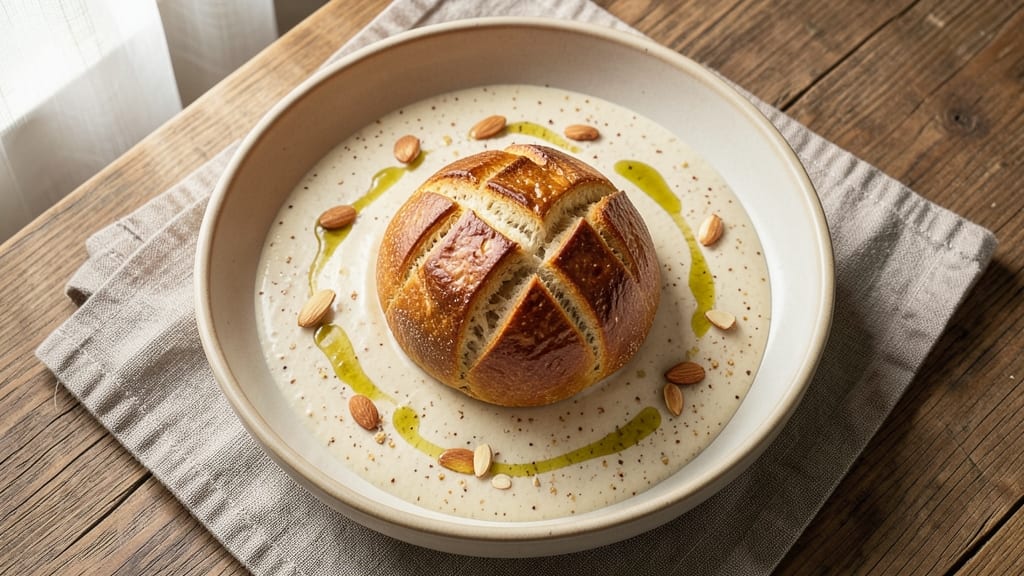
Creating a gluten-free bread that works for autoimmune protocols requires the right balance of ingredients and technique—this almond flour loaf delivers both texture and nutrition without compromising flavor.
The secret lies in combining almond flour with coconut flour and a touch of psyllium husk to mimic gluten's structure while keeping inflammation-friendly properties intact. I developed this recipe after testing countless variations to find the perfect ratio that yields a light, slightly crispy crust with a tender interior.
What sets this bread apart is its versatility—it bakes up beautifully for sandwiches, toast, or as a side, and the almond flour adds a subtle nutty richness that pairs well with both sweet and savory toppings.
The recipe avoids common triggers like gluten, dairy, and refined grains while still delivering a satisfying bite. Baking time is straightforward, and the loaf holds together well when sliced, making it ideal for meal prep or serving immediately.
This bread isn’t just about dietary restrictions—it’s about achieving a texture that rivals traditional loaves while supporting digestive health. The almond flour provides healthy fats and fiber, while the psyllium husk ensures a stable structure without gluten.
Whether you’re managing autoimmune symptoms or simply looking for a nutritious gluten-free option, this recipe delivers on both fronts without sacrificing taste or texture.
Ready to bake? Here’s everything you need to create a loaf that’s gentle on digestion but packed with flavor—no compromises required.
Ingredients for autoimmune bread
Almond flour provides structure while coconut flour adds binding—psyllium husk mimics gluten's elasticity perfectly.
| Ingredient | Amount | Notes |
|---|---|---|
| Almond Flour 🌰 | 2 cups | Finely ground, unsweetened preferred |
| Coconut Flour 🥥 | ¼ cup | Unsifted for best texture |
| Psyllium Husk Powder 🌿 | 2 tbsp | Pure, unscented preferred |
| Large Eggs 🥚 | 4 whole | Room temperature for even mixing |
| Extra-Virgin Olive Oil 🫒 | ¼ cup | Cold-pressed, high quality |
| Warm Water 💧 | ½ cup | Room temperature preferred |
| Baking Soda 🧂 | ½ tsp | Aluminum-free preferred |
| Sea Salt 🧂 | ½ tsp | Fine grain preferred |
| Apple Cider Vinegar 🍏 | 1 tbsp | Raw, unfiltered preferred |
| Ground Flaxseed 🌾 | 1 tbsp | Freshly ground preferred |
| Honey 🍯 | 2 tbsp | Raw, unprocessed preferred |
| Cinnamon 🌿 | ¼ tsp | Ceylon preferred for purity |
| Sesame Seeds 🌻 | 1 tbsp | Toasted for flavor enhancement |
The almond flour is non-negotiable here—Bob's Red Mill or Anthony's Goods brands deliver the finest grind. Coconut flour absorbs moisture aggressively, so measure it precisely and don't skip the 10-minute rest with wet ingredients. Psyllium husk powder should be pure and unscented—anything with additives will alter texture. For the eggs, pasture-raised yields superior flavor, though standard organic works fine. The sesame seeds? Toast them separately in a dry pan until golden—30 seconds max—to amplify their nutty aroma without burning.
No almond flour? Sunflower seed flour works in a pinch, though texture will be denser. Coconut flour shortages? Tapioca starch at half the amount helps, but expect a slightly crumbly result. Egg substitutes? Flax eggs (3 tbsp ground flax + 9 tbsp water per egg) maintain binding, though flavor will differ. For the honey, manuka or raw wildflower adds subtle antimicrobial properties—worth the splurge if available. The apple cider vinegar should be raw and unfiltered to preserve beneficial enzymes; conventional versions lack these benefits. All spices must be organic to avoid cross-contamination with gluten or other allergens.
This dough thickens rapidly after mixing—work quickly but thoroughly. For best results, preheat your loaf pan in the oven for 5 minutes before pouring the batter. The loaf keeps at room temperature for 3 days wrapped tightly in beeswax wrap, or 1 week refrigerated in an airtight container. For longer storage, slice and freeze portions between parchment paper—3 months maximum. Toasting slices in a dry pan with a touch of ghee revives freshness instantly. The crust develops optimal crunch when baked at 350°F for 45 minutes, then broiled 2 minutes at the end.
Why You'll Love This Recipe
- No-Fuss Mix-In: The psyllium husk powder does all the heavy lifting—just whisk the wet and dry ingredients, pour, and bake. No kneading, no waiting for dough to rise, no stress. Honestly, I’ve made this while chatting on the phone; it’s that hands-off.
- Rich, Nutty Depth: That combo of almond and coconut flour gives it a toasty, almost biscuit-like warmth, while the olive oil keeps it moist without tasting greasy. Between us, it’s the kind of bread that makes store-bought pale bread look sad.
- Weeknight Hero: Slice it for toast in the morning, pack it for lunch, or serve it warm with soup—it handles everything. I’ll be real: my husband now asks for it on Sundays, and I’ve even used it as a base for open-faced sandwiches. Versatile doesn’t even cover it.
- Lasts Like a Champ: A loaf stays fresh for days (yes, even without preservatives), and if you freeze slices, they toast up like they’re fresh-baked. Not the prettiest, but the taste makes up for it—and your wallet thanks you for skipping the bread aisle.
Step-by-step instructions for autoimmune paleo bread
This method delivers a perfectly structured gluten-free loaf with crispy almond flour crust and tender crumb.
Prepare the Wet Ingredients
In a medium bowl, whisk together the 4 whole large eggs until they're completely homogeneous. Add the 0.5 cup warm water, 0.25 cup extra-virgin olive oil, 1 tablespoon apple cider vinegar, and 1 tablespoon ground flaxseed. Mix thoroughly until fully combined and no dry spots remain.
Next, stir in the 2 tablespoons honey and 0.25 teaspoon cinnamon until the honey is fully dissolved. The mixture should be smooth and slightly thickened. I find using a silicone spatula helps incorporate all ingredients evenly without creating air bubbles. Let this mixture sit for 5 minutes while you prepare the dry components - this allows the flaxseed to begin its gelling action.
Combine Dry Ingredients and Form the Dough
In a separate large bowl, sift together the 2 cups almond flour and 0.25 cup coconut flour to eliminate any potential clumps. Add the 2 tablespoons psyllium husk powder, 0.5 teaspoon baking soda, and 0.5 teaspoon sea salt, mixing gently with a whisk to distribute evenly.
Create a well in the center of the dry mixture and pour in the wet ingredients. Using a rubber spatula, gently fold everything together until just combined - you should still see some flour streaks. Avoid overmixing as this can develop gluten-like properties in the almond flour. The dough will be thick and sticky, similar to cookie dough.
Rest and Prepare the Loaf Pan
Lightly grease an 8x4-inch loaf pan with olive oil or line it with parchment paper for easy removal. Transfer the dough to the prepared pan and smooth the top with a wet spatula, creating a slightly domed shape. Sprinkle the 1 tablespoon toasted sesame seeds evenly over the top for texture and flavor.
Cover the pan tightly with plastic wrap and refrigerate for at least 30 minutes or up to 24 hours. This resting period allows the psyllium husk to fully hydrate and develop its binding properties. The dough will firm up significantly during this time, making it easier to handle and ensuring a proper rise in the oven.
Bake to Golden Perfection
Preheat your oven to 350°F and place a small baking dish filled with 1 cup hot water on the lower rack. This creates steam that helps the bread rise properly. Bake the covered loaf for 45 minutes, then remove the cover and continue baking for an additional 15-20 minutes until the top is golden brown and the internal temperature reaches 205°F when measured with an instant-read thermometer.
The bread is ready when it sounds hollow when tapped on the bottom and pulls away cleanly from the sides of the pan. For best results, let it cool in the pan for 10 minutes before transferring to a wire rack. This gradual cooling prevents cracking and allows the crumb to set properly.
Pro Tips For Making Autoimmune Bread
- STIR THE PSYLLIUM FIRST: The psyllium husk powder is your bread’s glue—mix it with the eggs and olive oil before adding the flours. I learned this the hard way when my first loaf crumbled like sand because the psyllium clumped. Let it sit for 2 minutes to thicken slightly; that’s when the magic starts.
- WEIGH YOUR FLOURS: Almond and coconut flour vary wildly in density. Scooping leads to dry, dense bread. Use a kitchen scale for precise measurements—1 cup almond flour isn’t always 100g. I now measure both flours separately and sift them together to avoid pockets of dryness.
- BAKE LOW AND SLOW: This isn’t regular bread—it needs patience. Preheat to 350°F (not higher) and bake for 40-45 minutes. The crust won’t brown like wheat bread; check doneness with a toothpick (it should come out clean, not gummy). Rushing = a gummy center that’ll make you question your life choices.
- EGG ROOM TEMPERATURE: Cold eggs make your dough stiff and hard to mix. Take them out 30 minutes before using—room temp eggs blend smoother and help the psyllium bind better. I used to crack them straight from the fridge and wondered why my dough felt like cement. Trust me, this small step makes mixing effortless.
Serving suggestions for autoimmune bread
Toast Toppings
This bread toasts beautifully, so elevate simple slices with avocado mash (½ ripe avocado + 1 tbsp lime juice + pinch of sea salt) or almond butter drizzled with raw honey.
For savory options, try sliced smoked salmon with cream cheese and capers, or turkey slices with sprouted mustard. The almond flour crust handles heat well, so toast in a dry pan over medium heat for 2-3 minutes per side until golden. 🥖
Sandwich Versatility
Use this bread for autoimmune-friendly sandwiches with fillings like grilled chicken, avocado, and sprouted greens wrapped in lettuce leaves. For a PB&J alternative, layer sunflower seed butter (like SunButter) with sliced banana and chia seeds.
The sturdy texture holds up to wet ingredients like hummus or egg salad without falling apart. Cut into thick slices for easy handling.
Breakfast Pairings
Serve warm slices with scrambled eggs cooked in coconut oil and sautéed mushrooms. Top with crumbled bacon (check for sugar-free) and a sprinkle of fresh dill.
For a sweet breakfast, spread with almond butter, drizzle with maple syrup, and add sliced strawberries. The bread’s subtle sweetness balances savory toppings perfectly. 🍳
Dipping Sauces
Pair with olive oil-based dips like garlic-infused olive oil (mix 2 tbsp olive oil with 1 minced garlic clove and ½ tsp dried oregano) or avocado-lime dip (blend 1 avocado with 2 tbsp lime juice and ¼ cup Greek yogurt).
For a spicy kick, serve with chimichurri (chop 1 cup parsley, 2 garlic cloves, 2 tbsp olive oil, and 1 tsp red pepper flakes).
Meal Prep Ideas
Slice the bread and store in an airtight container with parchment paper between layers to prevent drying. Toast directly from frozen for 3-4 minutes per side—no thawing needed. Pack slices with prepped fillings (like turkey and cheese) for grab-and-go sandwiches.
For overnight oats, crush a slice into ½ cup oats with almond milk and berries for added crunch. ✨
Garnish Finishes
Before serving, brush slices with melted ghee for extra richness or sprinkle with toasted pumpkin seeds for crunch. For a herbaceous touch, add fresh thyme or rosemary.
A pinch of flaky sea salt enhances any topping. The sesame seeds on top already add texture, but these extras take it to the next level. 🌿
Nutrition facts
Frequently asked questions
Can I substitute almond flour with another nut or seed flour?
Yes, but texture may vary. Sunflower seed flour works best as a 1:1 replacement for structure, though the loaf will be denser. Coconut flour alone isn't recommended—it requires too much liquid and lacks binding properties. For a lighter crumb, blend 50% almond flour with 50% cassava flour, but reduce psyllium husk by 1 teaspoon to avoid gumminess.
Why does my bread turn out crumbly or dry?
Most likely, the coconut flour wasn't properly hydrated or the dough rested too briefly. Always mix dry ingredients first, then let the wet mixture sit for 5 minutes before combining. For extra moisture, add 1 extra tablespoon of olive oil or 1 tablespoon of warm water. Overbaking also causes dryness—check doneness at 205°F internal temp, not just color.
Is this bread safe for strict AIP (Autoimmune Protocol) diets?
This recipe is 90% AIP-compliant but contains honey and cinnamon, which some AIP followers avoid. For a fully compliant version, replace honey with maple syrup (check for no additives) and omit cinnamon. The almond flour and psyllium husk remain safe for AIP, as do all other ingredients listed. Always verify individual ingredient compliance with your specific AIP guidelines.
Can I make this bread without eggs?
Yes, but binding will be weaker. Replace eggs with 4 flax eggs (4 tbsp ground flaxseed + 10 tbsp water, rested for 5 minutes) or 4 tbsp chia seeds mixed with 10 tbsp water. For best results, also add 1 extra tablespoon of psyllium husk to compensate. The texture will be slightly denser but still hold together for sandwiches.
How do I store leftovers to keep them fresh?
Wrap slices tightly in beeswax wrap or store in an airtight container with parchment paper between layers. At room temperature, it stays fresh for 3 days. For longer storage, slice and freeze between parchment—3 months maximum. Toast directly from frozen for 3-4 minutes per side over medium heat for crispiness.