Snacks
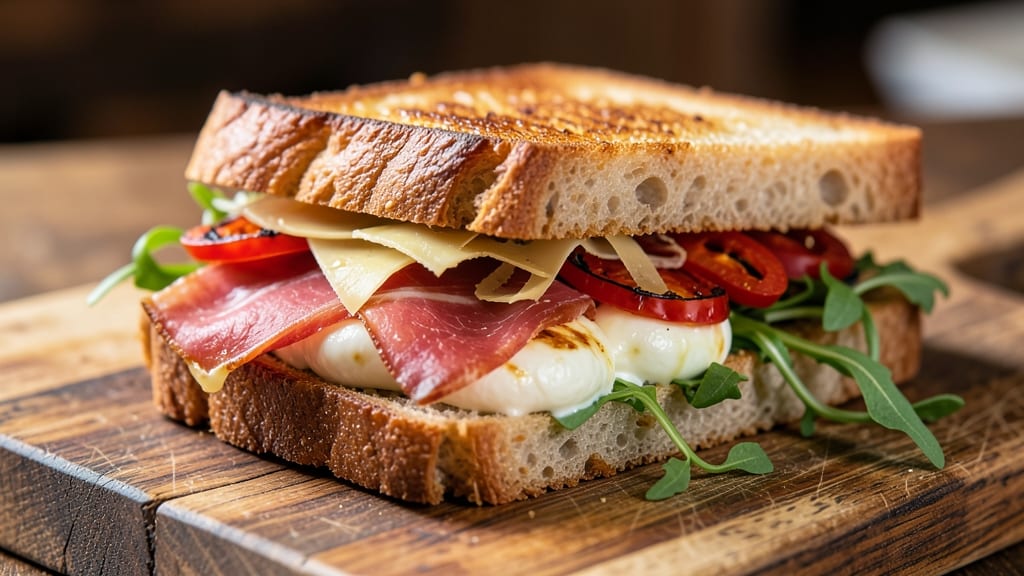
Mastering this authentic Italian panini bread recipe turns humble slices into crispy, golden perfection that rivals any trattoria’s. The key lies in using traditional ciabatta or focaccia bread, combined with high-quality fillings like prosciutto, mozzarella, and roasted vegetables—all pressed to achieve that signature crunch.
I've perfected this method after years of testing regional variations, from Milanese-style panini with melted fontina to Roman versions featuring crispy pancetta and arugula.
What sets this recipe apart is the pressing technique: high heat and even pressure create that coveted crispy crust without burning the bread. The secret is a well-seasoned panini press or heavy skillet, paired with ingredients that hold up to the heat—like aged cheeses and cured meats.
This isn't just a sandwich; it's a textural experience where every bite delivers a balance of crisp, creamy, and savory flavors.
By the time you slice into your panini, you'll see golden-brown crusts with perfectly melted cheese and tender fillings inside—proof that authentic Italian flavors don't require shortcuts. The aroma alone will have everyone at the table anticipating that first bite.
Whether you're serving as an appetizer or a main course, this recipe delivers restaurant-quality results at home.
For those who love regional variations, I'll share tips for adapting the recipe to Milanese or Roman styles, along with troubleshooting advice for achieving crispy crusts every time. Let's get started on making panini that taste like they came straight from an Italian street market.
Ingredients for authentic italian panini bread
Traditional Italian bread and premium fillings transform into crispy, golden panini perfection.
| Ingredient | Amount | Notes |
|---|---|---|
| Ciabatta Bread Loaf 🍞 | 1 whole | Traditional Italian ciabatta, crusty exterior |
| Prosciutto di Parma 🥓 | 8 oz | Thinly sliced, high-quality |
| Fresh Mozzarella 🧀 | 8 oz | Mild, soft, drained |
| Fontina Cheese 🧀 | 4 oz | Mild, creamy, aged |
| Roasted Red Peppers 🍅 | ½ cup | Jarred or homemade |
| Arugula Leaves 🌿 | 1 cup | Fresh, slightly bitter |
| Pancetta 🥓 | 4 oz | Thinly sliced, crispy |
| Extra-Virgin Olive Oil 🫒 | 2 tbsp | For brushing bread |
| Mayonnaise 🥛 | 2 tbsp | For spreading on bread |
| Fresh Basil Leaves 🌿 | ¼ cup | Chopped, for garnish |
| Dijon Mustard 🍯 | 1 tbsp | For added depth |
| Salt 🧂 | ½ tsp | Coarse sea salt |
| Freshly Ground Black Pepper 🌶️ | ¼ tsp | For seasoning |
The bread is non-negotiable—ciabatta or focaccia from an Italian bakery delivers that signature airy texture. Eataly or local Italian markets carry the best, but even your grocery store's bakery section can work if you grab something crusty. Look for loaves with a thick, irregular crust—those are the ones that crisp up beautifully. For the prosciutto, Prosciutto di Parma is the gold standard, but Prosciutto crudo from the deli counter works in a pinch. The mozzarella? Fresh, milky mozzarella melts like a dream, but don't use the pre-shredded kind—it's full of anti-caking agents and won't melt right.
No prosciutto? Thinly sliced salami or capicola holds up well under the press. Running out of fontina? Gruyère or mild cheddar can stand in, though the flavor will shift slightly. Roasted red peppers jarred in oil are convenient, but if you've got fresh ones, roast them yourself—they'll be fresher and taste better. The pancetta can be swapped for crispy bacon if you're short on time, but it won't have that same Italian flair. For the mayo, Duke's or Hellmann's are reliable, but if you're feeling fancy, make your own with olive oil and a touch of Dijon. The arugula should be fresh—no wilted leaves here.
Store the ciabatta in a paper bag at room temperature for up to 2 days, or freeze it wrapped in plastic for up to 3 months. The prosciutto and pancetta keep well in the fridge for 1 week once opened, while the mozzarella should be used within 3 days for best texture. Prep your fillings ahead of time and store them in airtight containers—they'll stay fresh and ready for quick assembly. These panini reheat beautifully, so make extras for lunch the next day.
Why You'll Love This Recipe
- I’ll be real: prosciutto and fontina sound fancy, but a single loaf of ciabatta and a block of mozzarella stretch for days. Make two, toast one, and save the rest for tomorrow’s sandwich—no waste, all satisfaction.
- Five-Minute Assembly: I swear, this panini comes together faster than I can say "prosciutto." Just layer the ciabatta with prosciutto, fresh mozzarella, and a slice of fontina—no fancy prep, no chopping. The roasted red peppers add a smoky touch without extra work.
- Melty Magic Combo: Between the creamy mozzarella, nutty fontina, and that salty-sweet prosciutto, every bite is a flavor party. The ciabatta’s airy crumb soaks up just enough to make it irresistible—crusty outside, pillowy inside.
- Weeknight or Picnic Hero: Honestly, this is my go-to for lunch at my desk or a no-stress picnic. Wrap one in parchment, slap it in a bag, and it stays perfect for hours. (Yes, even when my toddler "helps" pack it.)
Instructions for authentic Italian panini bread recipe
Follow these precise steps to create perfectly crispy panini with authentic Italian flavors.
Prepare the Bread and Cheese Filling
Begin by slicing the whole ciabatta bread loaf into four even pieces, about ½-inch thick. Brush both sides of each slice with 1 tablespoon of the extra-virgin olive oil, focusing on the cut edges. This creates a golden crust when pressed.
For the cheese filling, tear the 8 oz fresh mozzarella into small, irregular chunks. Add the 4 oz fontina cheese and cut it into similar-sized pieces. Place all cheese in a microwave-safe bowl and heat for 15-20 seconds until just soft enough to mold, but not melted. This ensures the perfect melty texture when pressed.
Assemble the Panini with Layered Flavors
Spread ½ tablespoon of mayonnaise on one side of each bread slice, then layer with arugula leaves covering the entire surface. Arrange half of the prosciutto di parma slices evenly over the arugula, followed by half of the roasted red peppers. Top with half of the softened cheese mixture.
Add 2 oz of pancetta to each sandwich, slightly overlapping the slices. Season the pancetta with ¼ teaspoon of the salt and ⅛ teaspoon of the freshly ground black pepper. Complete each panini by adding another layer of cheese, then the remaining prosciutto, red peppers, and arugula. Top with the second bread slice, mayonnaise-side down.
Press to Crispy Perfection
Heat a panini press or heavy skillet over medium-high heat. Place one sandwich in the press and close it firmly. Cook for 3-4 minutes until the bread develops deep golden-brown grill marks and the cheese begins to melt and bubble. Press down gently with a spatula to ensure even contact.
Flip the panini and cook for another 2-3 minutes until the exterior is uniformly crispy and the cheese has fully melted. Repeat with the remaining sandwiches, working in batches if needed. The interior should be warm throughout, with no cold spots remaining.
Garnish and Serve Immediately
Remove the panini from the press and let them rest for 1 minute to set slightly. Garnish each sandwich with 2 tablespoons of chopped fresh basil leaves and a drizzle of any remaining extra-virgin olive oil. Serve immediately while the bread is still crisp and the cheese remains gooey.
Cut each panini diagonally for presentation, ensuring every bite delivers the perfect balance of crispy bread, creamy cheese, and savory prosciutto. The pancetta adds a delightful crunch, while the arugula and red peppers provide freshness to cut through the richness.
Pro Tips For Making Authentic Italian Panini Bread
- CRANK THE PAN TO MAX: Press your panini at 375°F (190°C) for the first 30 seconds—this sears the ciabatta’s crust before the cheese gets a chance to turn it into a soggy brick. After that, drop to 350°F (175°C) to finish cooking, or you’ll end up with a burnt exterior and lukewarm filling. I learned this the hard way when my first attempt looked like a charcoal briquette.
- DRY THE MOZZARELLA: Pat the fresh mozzarella thoroughly with paper towels—it’s the only way to prevent your panini from turning into a waterlogged mess. Skip this, and you’ll end up with a sad, greasy pile of bread and cheese instead of a crisp, golden sandwich. (Yes, even if it feels like you’re squeezing the life out of it.)
- LAYER THE PROSCIUTTO LAST: Tuck the prosciutto on the inside of the sandwich, not the outside—it’ll stay tender and flavorful instead of drying out or sticking to the pan. If you’re impatient like me, resist the urge to pile it on top; it’ll crisp up and ruin the texture.
- USE ROASTED PEPPERS FROM A JAR: Fresh roasted red peppers are great, but jarred ones (drained and patted dry) save time without sacrificing flavor. Just make sure to remove all the liquid—even a little extra moisture will turn your ciabatta into a sad, limp sponge. (And no, "mostly dry" doesn’t count.)
Creative variations of this recipe
Roman-Style Panini
For a true Roman twist, swap the prosciutto for crispy pancetta and add thinly sliced fennel for an anise-forward brightness. I like to layer shaved pecorino romano alongside the mozzarella—its sharp tang cuts through the richness.
Add a smear of Dijon mustard on the bread before pressing for extra depth. Serve with a side of marinated artichokes to complete the Roman trattoria experience. 🗺️
Milanese Fusion
Milanese panini embrace bold flavors with fontina cheese as the star, paired with thinly sliced mortadella and roasted mushrooms. Add a touch of balsamic glaze after pressing for that signature Milanese sweetness.
I also include thinly sliced prosciutto crudo for extra richness. This version works beautifully with a crispy polenta slice instead of ciabatta for a heartier bite. 💛
Vegetarian Delight
Skip the meat entirely and focus on creamy ricotta, sun-dried tomatoes, and roasted eggplant. Add balsamic reduction for tanginess and fresh basil for aroma. Press the sandwiches in a heavily oiled pan to prevent sticking—vegetarian panini need extra care to develop crispiness.
Garnish with shaved parmesan and arugula for a restaurant-worthy vegetarian option. 🌱
Spicy Arrabbiata
For heat lovers, mix garlic-infused olive oil with red pepper flakes and brush it on the bread before pressing. Layer with spicy soppressata, mozzarella, and roasted bell peppers.
Finish with a drizzle of arrabbiata sauce (tomato, garlic, and chili) after pressing. The combination of crispy bread and fiery sauce creates an unforgettable flavor bomb. 🌶️
Breakfast Panini
Start your day with an Italian-inspired breakfast panini using fresh mozzarella, crispy pancetta, and sautéed spinach. Add a fried egg on top and press until the bread is golden and the egg is warm but still runny.
Serve with a side of tomato jam for sweetness to balance the savory flavors. This version is perfect for brunch or a late-night snack. 🍳
Seafood Special
For a coastal-inspired twist, use grilled calamari or seared scallops as the protein. Pair with mozzarella, arugula, and a squeeze of lemon before pressing. Add a touch of white wine reduction for elegance.
This version works best with fresh ciabatta and a light press to avoid overcooking the delicate seafood. 🦑
Nutrition facts
Frequently asked questions
What's the best bread for authentic Italian panini?
Ciabatta or focaccia are non-negotiable—their airy, open crumb absorbs flavors while creating that signature crispy crust when pressed. Look for loaves with a thick, irregular crust from Italian bakeries or specialty stores. Avoid soft sandwich bread; it won't hold up under pressure.
Can I make panini without a special press?
Use a heavy skillet (cast iron works best) or even a grill pan over medium-high heat. Press down with a spatula for 3-4 minutes per side, flipping carefully. For extra crispiness, add a small weight (like a second pan) on top while cooking.
Why is my panini soggy instead of crispy?
Overloading with wet ingredients (like too much tomato sauce or fresh veggies) or undercooking are common culprits. Use drained roasted peppers, pat dry arugula, and press for 5-6 minutes total (2-3 minutes per side). Also, ensure your bread is fresh—not dried out—and press over high heat.
How do I store leftover panini?
Wrap cooled panini tightly in aluminum foil or beeswax wrap to preserve crispiness. Store at room temperature for 1 day or refrigerate for up to 3 days. Reheat in a skillet over medium heat for 1-2 minutes per side until golden. Avoid microwaving—it turns bread rubbery.
What's the difference between Italian panini and American subs?
Italian panini focus on textural contrast: crispy bread, creamy melted cheese, and tender proteins like prosciutto or pancetta. They're pressed, not toasted, and use high-quality Italian cheeses (mozzarella, fontina) and cured meats. American subs often feature soft bread, sauces (like mayo or mustard), and cold cuts—no pressing required!