
Breakfast & Brunch
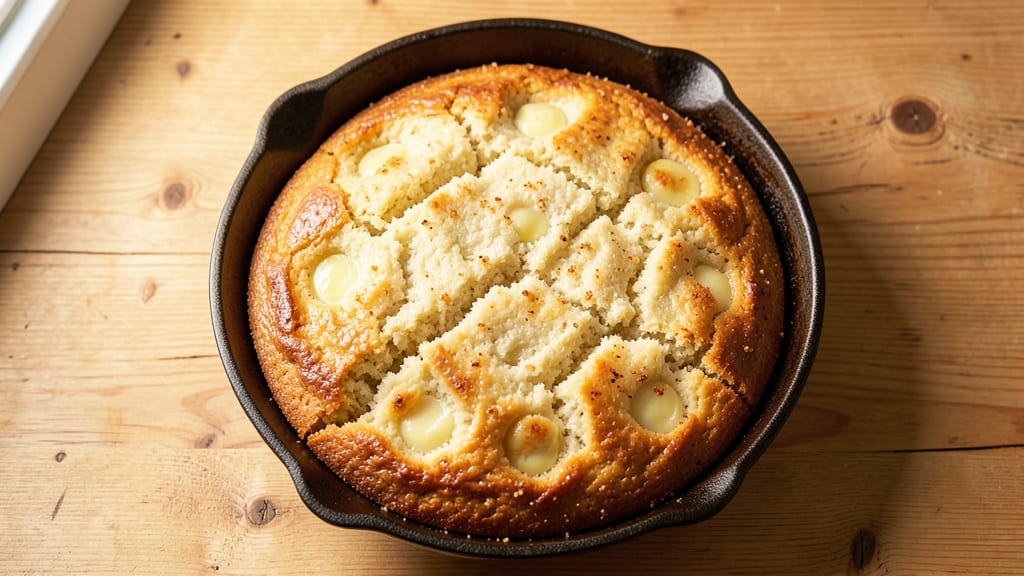
This Aunt Jemima white cornmeal cornbread recipe delivers the perfect balance of golden crust and rich, buttery corn flavor that defines Southern comfort food. The secret lies in using fine-ground cornmeal for a tender crumb while maintaining that classic cornbread texture.
I’ve baked this recipe countless times—whether for weekend breakfasts or holiday gatherings—and it never fails to impress.
Traditional Southern techniques ensure a foolproof result, starting with a cast-iron skillet that creates an irresistible crust. The recipe calls for just 10 ingredients, including butter, eggs, and a splash of milk, all mixed together in minutes.
For extra depth, I recommend adding a pinch of salt to enhance the corn flavor while keeping the sweetness in check.
What you’ll end up with is a moist yet crumbly cornbread with a golden-brown top that cracks just enough to reveal tender layers beneath. The buttery aroma alone will have everyone heading to the table, and each bite delivers that satisfying blend of sweetness and corn flavor.
This is the kind of cornbread that turns ordinary meals into memorable ones.
Serve warm with honey butter, chili, or as a side to grilled meats—this recipe scales perfectly for crowds or single servings. Let’s get baking!
Ingredients for aunt jemima white cornmeal cornbread
Ten simple ingredients transform into the iconic golden crust and buttery corn flavor of Southern cornbread tradition.
| Ingredient | Amount | Notes |
|---|---|---|
| Fine-Ground White Cornmeal 🌽 | 1 ½ cups | Aunt Jemima brand preferred for authenticity |
| All-Purpose Flour 🌾 | ½ cup | Standard white flour for structure |
| Unsalted Butter 🧈 | ½ cup | Cold, cubed for proper mixing |
| Large Eggs 🥚 | 2 whole | Room temperature for even mixing |
| Granulated Sugar 🍚 | ¼ cup | White sugar for balanced sweetness |
| Baking Powder 🍞 | 2 tsp | Diamond Crystal preferred for lift |
| Salt 🧂 | ½ tsp | Kosher salt for flavor control |
| Whole Milk 🥛 | 1 cup | Room temperature for smooth batter |
| Yellow Cornmeal 🌽 | ¼ cup | For color and corn flavor depth |
| Vanilla Extract 🌸 | 1 tsp | Pure extract for subtle aroma |
The Aunt Jemima white cornmeal is non-negotiable for authentic flavor—its fine grind creates that signature tender crumb. King Arthur or Bob's Red Mill brands work well if you can't find Aunt Jemima, but the flavor profile differs slightly. For the butter, Plugrá or Land O'Lakes unsalted varieties provide optimal richness without altering the salt balance. The baking powder should be fresh (test by mixing with water—if it fizzes, it's active). I always measure mine by the spoonful to avoid over-aerating the batter. The yellow cornmeal adds visual appeal and subtle sweetness, but don't skip it—it's what gives that classic cornbread color.
No white cornmeal? Substitute with fine-ground corn grits at 1:1 ratio, though texture will be slightly denser. Ran out of vanilla? Almond extract at half the amount works in a pinch, but the flavor profile shifts. For a lower-fat version, reduce butter to 0.375 cup and add 0.125 cup melted coconut oil—it maintains moisture without compromising flavor. The milk can be swapped for buttermilk (same amount) for extra tang, or even water in a bind, though texture will be slightly drier. Always use room-temperature eggs—they incorporate more smoothly than cold ones, preventing lumps in the batter.
This batter keeps in the fridge for up to 24 hours covered, making it perfect for overnight prep. For longer storage, portion into freezer-safe containers and freeze for up to 3 months. Thaw overnight in the fridge before baking. The cast-iron skillet should be preheated for 10 minutes on medium-high before pouring the batter—this ensures that signature crisp crust. Leftovers reheat beautifully in a 350°F oven for 10-12 minutes to restore freshness, though they're best enjoyed warm from the skillet.
Why You'll Love This Recipe
- Foolproof Mix-In: I swear by this recipe because it’s literally just dumping dry ingredients into a bowl—no sifting, no measuring cups out of order. The fine-ground cornmeal blends seamlessly with flour, and the butter gets cut in fast with a fork. Honestly, it’s the kind of recipe that makes me feel like I’ve earned my afternoon coffee.
- Buttery-Sweet Crunch: That crispy top? Chef’s kiss. The sugar caramelizes just enough to balance the cornmeal’s earthiness, while the melted butter keeps the crumb tender inside. Between us, I’ve tried store-bought cornbread—this beats it every time, and it’s half the price.
- Weeknight Workhorse: This cornbread is my go-to for breakfast (with honey), dinner (as a side to chili), or even dessert (drizzled with maple syrup). It reheats like a dream—toss a slice in the toaster or microwave for 20 seconds—and it’s the one thing my kids will eat straight from the pan. (Yes, even on a Tuesday night.)
- Pantry Staple Magic: I keep a bag of Aunt Jemima cornmeal and flour on hand because this recipe costs pennies to make. A single batch feeds four, and leftovers stay fresh for days wrapped in foil. I’ll be real: I’ve made this so often I’ve memorized the ratios, and it’s still my secret weapon for feeding a crowd without stress.
Step-by-step instructions for Aunt Jemima white cornmeal cornbread
This method delivers a perfectly moist crumb with a golden crust and authentic corn flavor every time.
Prepare the Dry Ingredients
In a medium bowl, whisk together the 1.5 cups fine-ground white cornmeal, 0.5 cup all-purpose flour, 2 teaspoons baking powder, and 0.5 teaspoon salt until evenly combined. This dry blend forms the structural backbone of the cornbread. Sift the mixture through a fine-mesh sieve directly into a separate large bowl to eliminate any potential lumps and aerate the flour for a lighter texture.
Next, stir in the 0.25 cup yellow cornmeal and set the bowl aside. The yellow cornmeal adds depth of color and flavor, while the white cornmeal ensures that signature tender crumb. Keep this dry mixture ready for the next step—it's essential to have everything prepped before adding wet ingredients to maintain the proper batter consistency.
Mix Wet Ingredients to Create a Smooth Batter
In a separate bowl, melt the 0.5 cup unsalted butter over low heat until completely liquid, then let it cool to room temperature. This prevents the butter from cooking the eggs or creating steam pockets in the batter. In the same bowl, whisk together the melted butter, 2 whole large eggs, 0.25 cup granulated sugar, 1 cup whole milk, and 1 teaspoon vanilla extract until fully incorporated and smooth.
I find it helpful to whisk the wet ingredients vigorously for about 2 minutes to fully emulsify the butter. This step creates a silky base that will blend seamlessly with the dry ingredients. The vanilla extract adds subtle depth, while the sugar balances the cornmeal's natural sweetness. The batter should be thick but pourable—similar to heavy cream consistency.
Combine Wet and Dry Ingredients Gently
With the dry ingredients sifted and ready, gradually pour the wet mixture into the dry ingredients while stirring gently with a rubber spatula. Mix just until combined—you should still see small pockets of flour throughout the batter. Overmixing develops gluten and results in a tougher crumb. The goal is to create a thick, slightly lumpy batter that holds its shape when spooned into the pan.
This is where the magic happens—the cornmeal's natural starch begins to activate. The batter should be thick enough to hold its form when dropped from a spoon but still spreadable. If it's too thick, add 1 tablespoon of whole milk at a time until it reaches the proper consistency. The batter should coat the back of the spoon without being runny.
Bake for a Golden Crust and Moist Interior
Preheat your oven to 375°F and grease a 9-inch cast-iron skillet or baking dish thoroughly with butter or baking spray. The cast iron distributes heat evenly and creates that coveted crispy crust. Pour the batter into the prepared pan and smooth the top with a spatula. The batter should fill the pan about halfway—this ensures even baking and prevents a domed top that might not cook through properly.
Bake for 22 to 25 minutes until the edges are golden brown and a toothpick inserted in the center comes out clean. The top should have a slightly cracked appearance with a deep golden hue. I always check for doneness at the 20-minute mark—some ovens run hot, and cornbread can go from perfect to overdone quickly. If the top browns too quickly, tent the pan with foil after 15 minutes to prevent over-browning while the interior finishes baking.
Rest and Serve for Optimal Texture
Remove the cornbread from the oven and let it rest in the pan for 5 minutes before transferring to a wire rack. This resting period allows the internal structure to set and prevents a crumbly texture when cutting. The cornbread should be warm but not hot to the touch when ready to serve—this ensures each bite delivers that perfect balance of moist crumb and crispy edges.
Slice into 4 equal wedges for serving. The interior should be tender with a fine crumb, while the exterior maintains that golden crust. The flavor should showcase the cornmeal's natural sweetness with a buttery richness from the melted butter. Serve warm with honey butter or your favorite chili for the ultimate cornbread experience.
Pro Tips For Making Aunt Jemima White Cornmeal Cornbread
- Preheat That Pan: I learned this the hard way—skipping the preheat leaves you with a sad, undercooked center. Get your cast-iron or skillet screaming hot for 5 minutes before pouring the batter. The edges will crisp up like they’re supposed to, not steam like a sad pancake.
- Whisk the Eggs First: Beat those eggs until they’re pale yellow and slightly thickened before mixing anything else. This keeps the batter smooth and prevents lumps from forming when you fold in the cornmeal and flour. Trust me, your cornbread will thank you with a lighter crumb.
- Skip the Overmixing: Once you’ve combined the dry and wet ingredients, stir just until the flour is barely incorporated—no need to make it a science experiment. Overworking the batter makes cornbread dense and tough. Think "just combined," not "homemade Play-Doh."
- Butter the Pan Again: After the first coat of butter melts in the hot pan, grab a paper towel and wipe out the excess—then add another thin layer. This guarantees the bottom won’t stick, even if you’re impatient and pull it out too soon. (Yes, even if you’re impatient like me.)
Troubleshooting your aunt jemima white cornmeal cornbread
Dense or Gummy Texture
If your cornbread turns out dense or gummy, the issue is usually overmixing or insufficient baking. I’ve found that mixing the batter just until combined—leaving small flour pockets—prevents developing excess gluten. For baking, ensure your oven reaches 375°F and bake for the full 22-25 minutes.
If the center feels undercooked, extend by 2-3 minutes but watch closely to avoid over-browning. A toothpick should come out clean with minimal crumbs. 🌡️
Cakey or Dry Crumb
Cornbread with a cakey texture often results from too much flour or insufficient fat. Stick to the 1.5 cups white cornmeal and 0.5 cup flour ratio—cornmeal is the star here. For moisture, ensure your butter is fully melted before mixing and that your milk is room temperature.
If the crumb feels dry, try adding 1 extra tablespoon of milk to the batter or brushing the top with melted butter before baking. 🥛
Uneven Baking or Raw Center
Uneven baking is usually caused by an oven that’s too cool or a pan that isn’t preheated properly. Always preheat your oven for 10-15 minutes and use a 9-inch cast-iron skillet—it retains heat better than other materials.
If the center stays raw, tent the pan with foil after 15 minutes to trap heat and finish baking. For stubborn spots, broil for 1-2 minutes at the end, but watch closely to avoid burning. ⚡
Flat or Sunken Top
A flat or sunken top happens when the batter is too thick or the oven isn’t hot enough. The batter should be thick but pourable—similar to heavy cream. If it’s too stiff, add 1 tablespoon of milk at a time.
Also, ensure your oven is fully preheated and the pan is placed on the middle rack. For extra rise, sprinkle a pinch of baking powder on top before baking. 🍞
Burnt Top, Raw Bottom
This classic issue occurs when the oven runs too hot or the pan isn’t properly greased. To fix it, tent the cornbread with foil after 15 minutes to slow browning while the bottom finishes cooking.
For future bakes, reduce the oven temperature by 25°F and check for doneness at 20 minutes. A 9x9-inch baking dish instead of a skillet can also help distribute heat more evenly. 🔥
Batter Too Thin or Runny
If your batter is too thin, it won’t hold its shape and may spread too much in the pan, leading to a thin cornbread. To thicken it, add 1 tablespoon of cornmeal or flour at a time until it reaches a thick, spreadable consistency.
Avoid overcorrecting—you want it to coat the back of a spoon but still hold its form. If the batter is already too thin, reduce the milk by 1 tablespoon in future batches. 🥄
Nutrition facts
Frequently asked questions
Why does this recipe use both white and yellow cornmeal?
The white cornmeal creates that signature tender crumb, while the yellow cornmeal adds depth of color and flavor. Together, they balance texture and authenticity—white for structure, yellow for that classic cornbread look and subtle sweetness.
Can I make this cornbread in a regular baking dish instead of cast iron?
Yes, but expect slightly different results. A 9-inch baking dish works well, though the crust won't be as crispy. Grease it thoroughly and reduce oven temp to 350°F to prevent over-browning. For best texture, stick with cast iron—it creates that iconic crust.
How do I store leftovers without drying them out?
Wrap tightly in plastic wrap or aluminum foil and store at room temperature for 2 days. For longer storage, freeze slices in an airtight container for up to 3 months. Reheat in a 350°F oven for 10 minutes or microwave for 20 seconds covered.
What's the secret to getting that perfect golden crust?
Preheat your cast-iron skillet for 10 minutes before pouring batter and bake at 375°F. For extra browning, brush the top with melted butter before baking. The key is patience—check at 20 minutes and tent with foil if browning too quickly.
Can I add cheese or jalapeños to this recipe?
For cheese, fold in 1 cup shredded sharp cheddar with the dry ingredients. For heat, stir in 1-2 chopped jalapeños with the wet ingredients. Keep other measurements the same, but reduce baking time by 2-3 minutes to prevent over-browning.