
Breakfast & Brunch
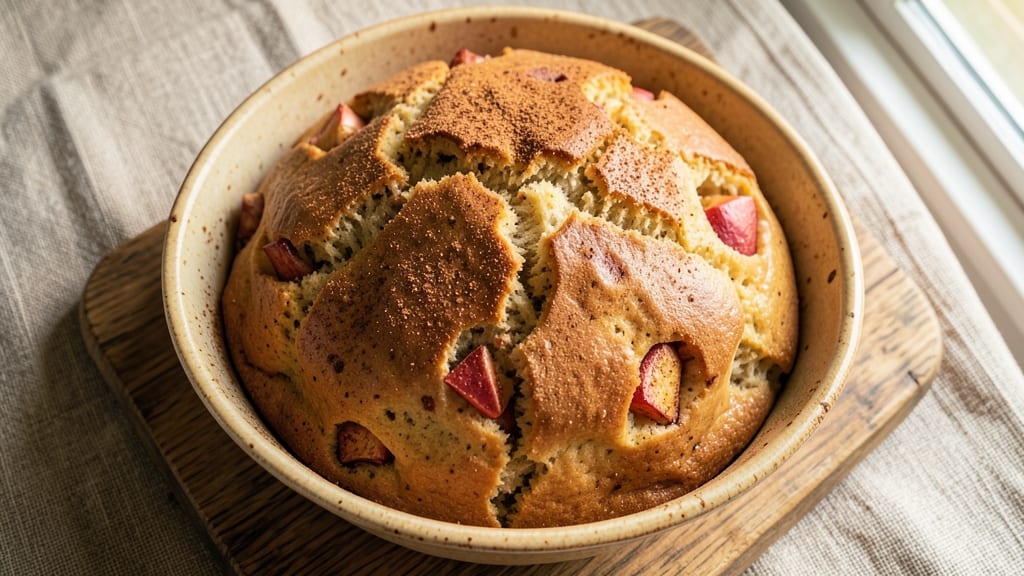
This apple cider cinnamon bread recipe transforms ordinary baking into a warm, aromatic experience that tastes like autumn in every bite. The secret lies in infusing apple cider into the dough, creating a subtle tartness that balances the cinnamon's sweetness—something store-bought loaves simply can't match.
I developed this recipe after years of experimenting with spiced breads, and it's now my go-to for weekend mornings or holiday gatherings.
The dough comes together in just 20 minutes with simple ingredients, but the magic happens during the slow rise and baking. Apple cider replaces water in the dough, adding natural sweetness and depth, while cinnamon and warm spices create that signature cozy flavor.
The result is a loaf with a perfectly crisp crust and a tender, moist interior studded with pockets of caramelized sweetness.
By the time it emerges from the oven, you'll have a golden-brown loaf that smells like a bakery—warm, spiced, and impossible to resist. Slice it fresh for buttery toast, or serve it at room temperature with a cup of coffee.
This bread keeps well for days, making it ideal for meal prep or gifting.
The beauty of this recipe is its versatility. Use it for breakfast, brunch, or even dessert with a dusting of powdered sugar. The apple cider infusion makes it stand out from basic cinnamon bread, giving each bite a complex, autumnal flavor that feels special without being complicated. Let's get baking!
Ingredients for apple cider cinnamon bread
Simple ingredients transformed into a fragrant, autumn-scented loaf that captures the essence of apple cider season.
| Ingredient | Amount | Notes |
|---|---|---|
| Unsalted Butter 🧈 | ½ cup | Softened to room temperature |
| Granulated Sugar 🍚 | ¾ cup | Light brown sugar for depth |
| Apple Cider 🍎 | 1 cup | Unpasteurized for best flavor |
| Large Eggs 🥚 | 2 whole | Room temperature for even mixing |
| All-Purpose Flour 🌾 | 3 ½ cups | Sifted for light texture |
| Ground Cinnamon 🌿 | 2 tbsp | Ceylon cinnamon preferred |
| Ground Nutmeg 🌶️ | ½ tsp | Freshly grated for intensity |
| Baking Powder 🧂 | 1 ½ tsp | Aluminum-free for stability |
| Salt 🧂 | ½ tsp | Fine sea salt preferred |
| Vanilla Extract 💧 | 1 tsp | Pure vanilla for aroma |
| Chopped Walnuts 🥜 | ½ cup | Toasted for enhanced flavor |
| Powdered Sugar 🍚 | ¼ cup | For dusting finished loaf |
The apple cider is the heart of this recipe—opt for unpasteurized varieties from local orchards or specialty stores like Whole Foods or Trader Joe's for maximum depth of flavor. If you can't find unpasteurized, pasteurized still works but lacks that subtle tartness. For the cinnamon, Ceylon (the lighter variety) adds warmth without bitterness, while cassia delivers stronger spice. The walnuts should be toasted just until fragrant—Costco sells them pre-toasted in bulk, saving time. Store your spices in airtight containers away from light to preserve their potency.
No apple cider? Unsweetened apple juice works in a pinch, though it lacks the same complexity. Substituting orange juice adds brightness but changes the flavor profile entirely. For nut alternatives, pecans or hazelnuts toast beautifully—just adjust the amount to match the walnuts' texture. If you're sensitive to gluten, King Arthur's gluten-free flour blend replaces all-purpose flour one-to-one, though texture will differ slightly. The baking powder is non-negotiable here—Diamond Crystal (double-acting) ensures proper rise.
This loaf keeps exceptionally well—wrapped tightly at room temperature for 3 days or frozen for up to 3 months for freshness. For gifting, slice and package portions in parchment-lined boxes with a dusting of powdered sugar. Reheat slices in a 350°F oven for 5-7 minutes to restore crispness. The dough can be prepped a day ahead and refrigerated, with the rise time adjusted by 15-20 minutes.
Why You'll Love This Recipe
- No Mixer Needed: I swear by this dough—just a bowl and a wooden spoon. The apple cider softens the flour while you mix, so no overworking required. My hands stay clean, and the texture comes out light without a single pulse of effort.
- Cinnamon-Sugar Overload: That first bite? Warm, buttery layers with a caramelized crust from the sugar and cider reduction. Honestly, the smell alone makes my kitchen feel like autumn. It’s the kind of bread that disappears in slices.
- Weeknight Hero: Toss a loaf in the fridge Monday night, and it’s breakfast by Wednesday—still fresh, still soft. Or slice it for toast with peanut butter. I’ve even used it to soak up soup broth. One batch covers every lazy morning.
- Pantry Staple Power: Five ingredients, zero specialty items. The butter and sugar are already there, the eggs are cheap, and flour? Always on hand. I’ve made this on a budget, for guests, and even as a last-minute hostess gift. Reliable doesn’t get better than this.
Step-by-step instructions for apple cider cinnamon bread
A warm, spiced loaf with apple cider sweetness and nutty depth awaits—here's how to bake it perfectly.
Prepare the Wet Ingredients
In a medium bowl, combine the 0.5 cup unsalted butter and 0.75 cup granulated sugar. Using an electric mixer on medium speed, beat until the mixture is light and fluffy, about 3-4 minutes. This step incorporates air, which creates a tender crumb. Scrape down the sides of the bowl with a rubber spatula to ensure even mixing.
Add the 1 cup apple cider and 1 tsp vanilla extract, mixing until fully combined. The cider will add natural sweetness and moisture to the bread. In a separate small bowl, whisk together the 2 whole large eggs until they're slightly frothy. Gently fold the eggs into the wet mixture, being careful not to overmix. The batter should be smooth and well incorporated, with no visible streaks of egg.
Combine Dry Ingredients and Form the Dough
In a large bowl, sift together the 3.5 cups all-purpose flour, 2 tbsp ground cinnamon, 0.5 tsp ground nutmeg, 1.5 tsp baking powder, and 0.5 tsp salt. This ensures even distribution of the spices and leavening agents. Create a well in the center of the dry ingredients and pour in the wet mixture. Using a wooden spoon or rubber spatula, gently fold the ingredients together until just combined.
Add the 0.5 cup chopped walnuts and fold them in evenly. The walnuts will add texture and a subtle crunch to each bite. Once combined, transfer the dough to a lightly floured surface and knead it gently for 1-2 minutes until it comes together into a cohesive mass. Avoid over-kneading, as this can make the bread dense. Shape the dough into a rectangular loaf pan, about 9x5 inches, and place it in a greased loaf pan.
Bake Until Golden and Springy
Preheat your oven to 350°F. Once the oven is fully heated, place the loaf pan in the center rack and bake for 50-55 minutes, or until a toothpick inserted into the center comes out clean. The bread should be golden brown on top and have a slightly domed appearance. If the top browns too quickly, tent it loosely with aluminum foil to prevent over-browning while ensuring it cooks through.
During the last 10 minutes of baking, watch for the bread to develop a deep golden color and pull away slightly from the sides of the pan. This indicates it's fully baked. If the edges brown too quickly, rotate the pan halfway through baking for even browning. The internal temperature should reach 190-200°F for a perfectly baked loaf.
Cool and Dust with Powdered Sugar
Remove the bread from the oven and let it cool in the pan for 10 minutes. This allows the bread to set slightly and makes it easier to remove without breaking. Transfer the loaf to a wire rack and let it cool completely for 20-30 minutes. Cooling ensures the bread holds its shape and doesn't fall apart when sliced.
Once fully cooled, dust the top generously with 0.25 cup powdered sugar using a fine-mesh sieve. The powdered sugar adds a delicate sweetness and a beautiful finish. Slice the bread into 4 equal servings and serve warm for the best texture and flavor. Store any leftovers in an airtight container at room temperature for up to 3 days, or freeze for up to 3 months.
Pro Tips For Making Apple Cider Cinnamon Bread
- Warm the cider first: Pour your apple cider into a small saucepan and heat it to about 110°F (43°C)—just until it’s warm to the touch. Cold cider makes the butter seize up when you mix it, and your dough will turn out gummy instead of tender. Trust me, your future toast will be worth the 30-second wait.
- Use room-temperature butter: Take your unsalted butter out of the fridge 30 minutes before mixing—no, don’t microwave it. Cold butter creates pockets in the dough that won’t dissolve properly, leaving you with a dense, crumbly loaf. Soft but not melted is the sweet spot.
- Don’t overmix the dough: Once you’ve combined the wet and dry ingredients, stop mixing as soon as the dough comes together. Overworking it develops gluten, and your bread will turn out tough instead of pillowy. A few lumps are fine—just fold them in gently.
- Brush with cider after baking: While your loaf is still warm, brush the top with a little extra apple cider mixed with a splash of melted butter. It’ll keep the crust soft for days and add that signature fall flavor without extra effort. (Yes, even if you’re impatient like me.)
Troubleshooting this recipe
Dough Too Sticky
If your dough feels overly sticky after mixing, you likely need more flour—but don’t overdo it. I find adding 1-2 tablespoons of flour at a time while kneading helps. The apple cider adds moisture, so resist the urge to dump in extra flour all at once.
For a lighter texture, chill the dough for 15-20 minutes before shaping—this firms it up for easier handling. 🧈
Bread Doesn’t Rise
A flat loaf usually means the baking powder lost potency or the oven wasn’t hot enough. First, check your baking powder—it should be fresh (6 months old max). Preheat your oven for 15 minutes before baking to ensure it reaches 350°F.
If using a glass pan, reduce baking time by 5-10 minutes—glass conducts heat faster. For extra insurance, place a baking sheet under the loaf pan to boost heat circulation.
Dry or Dense Texture
Overmixing or underbaking often causes this. Stop folding the dough as soon as it comes together—overworking develops gluten, making the bread tough. For baking, use an oven thermometer to confirm your oven’s accuracy (many run 25°F hotter or cooler than set).
If the bread feels dry after baking, brush warm slices with melted butter and dust with powdered sugar to restore moisture.
Cider Flavor Too Weak
Store-bought pasteurized cider lacks depth. For richer flavor, simmer 1 cup apple cider with 1 cinnamon stick and 1 star anise pod for 5 minutes before using. Unpasteurized cider from local orchards (like Whole Foods’ organic or Trader Joe’s) has more complexity.
If you must substitute, reduce sugar by 1-2 tablespoons—cider varies in sweetness.
Top Burns Before Baking Through
This happens when the oven is too hot or the bread isn’t fully hydrated. Tent the loaf with foil after 25 minutes to prevent over-browning while it finishes cooking. For even heat, place a baking tray on the lower rack to reflect heat upward.
If your oven has hot spots, rotate the pan halfway through baking. A toothpick should come out clean—if not, bake 5-10 minutes longer.
Walnuts Sink to the Bottom
Fold walnuts in last and gently—overmixing causes them to sink. For better distribution, lightly toast the walnuts first (350°F for 5 minutes) to enhance their flavor and reduce moisture absorption.
If they still sink, try chopping them slightly finer or mixing them into the dry ingredients before combining with wet ingredients. 🥜
Nutrition facts
Frequently asked questions
Can I make this bread without apple cider?
The apple cider is what gives this loaf its signature depth, but you can substitute unsweetened apple juice or even orange juice in a pinch. For best flavor, reduce the sugar by 1-2 tablespoons since juices vary in sweetness. The texture will be slightly less moist, but it'll still taste delicious with warm spices.
How do I store leftovers to keep them fresh?
Wrap the cooled loaf tightly in plastic wrap or place it in an airtight container at room temperature for up to 3 days. For longer storage, slice and freeze portions for up to 3 months. To restore freshness, reheat slices in a 350°F oven for 5-7 minutes or toast in a toaster. The powdered sugar dusting helps preserve moisture too!
Can I add extra spices or mix-ins?
Try adding ½ teaspoon of cloves or ¼ teaspoon of cardamom for deeper warmth. For mix-ins, swap walnuts for pecans or hazelnuts, or fold in ¼ cup dried cranberries for tart contrast. Just reduce flour by 1-2 tablespoons to maintain texture. The key is balancing sweetness and spice!
Why does my bread turn out dense?
Overmixing develops too much gluten, making bread tough. Stop folding once ingredients are just combined. Also check your baking powder—it should be fresh (6 months old max) and double-acting. If your oven runs hot, reduce temperature to 340°F and bake 5-10 minutes longer. A toothpick should come out clean when done.
Is this bread good for breakfast?
Perfect for breakfast! Serve warm slices with butter or cream cheese, or toast with cinnamon sugar. The apple cider sweetness pairs beautifully with coffee or tea. For extra protein, add 1 scoop vanilla protein powder to the wet ingredients (reduce flour by 2 tbsp). The nutty crunch keeps it satisfying all morning.