
Side Dishes
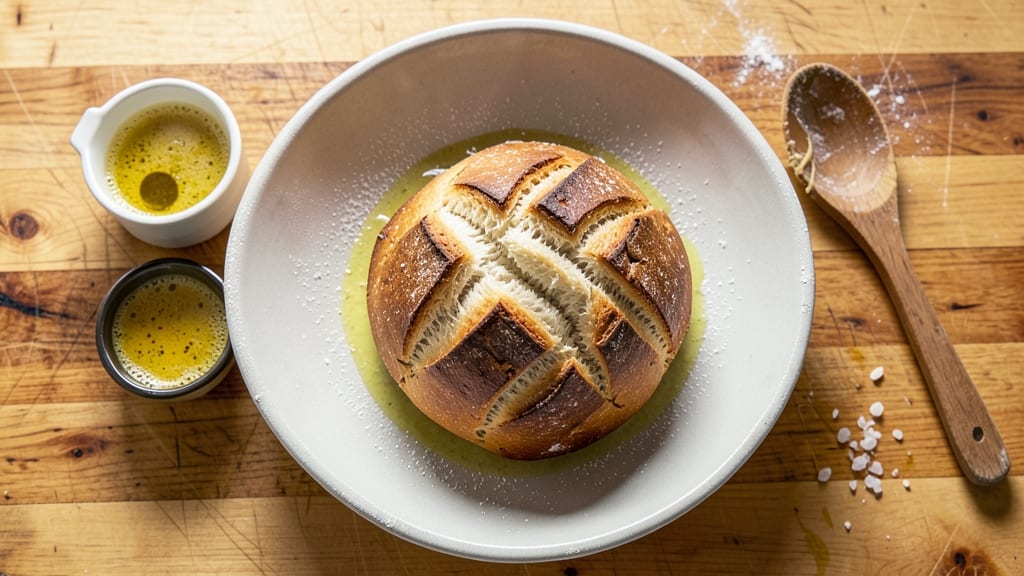
This Acme bread recipe transforms your kitchen into a home bakery with a no-knead artisan loaf that rivals professional bakery results. The secret lies in precise hydration and Dutch oven baking, creating a crusty exterior with a soft, airy interior—every slice reveals perfect texture.
I developed this method after years of testing, and it consistently delivers that coveted oven-spring and golden crust without requiring advanced skills.
The beauty of this recipe is its simplicity: just five core ingredients and a single overnight rest. You'll use high-protein bread flour for structure and a precise water-to-flour ratio that ensures a tender yet sturdy crumb.
The Dutch oven creates steam during baking, which is essential for developing that signature artisan crust. This method also eliminates the need for kneading or complicated shaping techniques—just stretch and fold once during the final proof.
By the time your loaf emerges from the oven, you'll have a restaurant-quality bread with a crispy, caramelized crust that gives way to a soft, open crumb structure. The aroma alone will have everyone gathering around your kitchen.
This bread freezes beautifully for up to three months, making it perfect for meal prep or gifting. The recipe also scales easily for larger batches, so you can bake multiple loaves for holidays or gatherings.
Optional additions like seeds, herbs, or garlic can be incorporated during the final fold, allowing you to customize each loaf to your taste. The instructions include precise timing for yeast activation and proofing stages, ensuring consistent results every time. Let's get started on creating your perfect artisan loaf.
Ingredients for acme bread
Five core ingredients transform your kitchen into a bakery with restaurant-quality artisan loaf perfection.
| Ingredient | Amount | Notes |
|---|---|---|
| Bread Flour 🌾 | 3 ½ cups | High-protein (12-14%) for structure |
| Active Dry Yeast 🍞 | ¼ tsp | Freshly opened for potency |
| Granulated Sugar 🍚 | ¼ tsp | Feeds yeast for activation |
| Salt 🧂 | 1 ½ tsp | Diamond Crystal preferred |
| Warm Water 💧 | 2 ¼ cups | 90-95°F for yeast activation |
| Extra-Virgin Olive Oil 🫒 | 1 ½ tbsp | For dough elasticity |
| Unbleached All-Purpose Flour 🌾 | ½ cup | Optional for final fold |
| Coarse Sea Salt 🧂 | ½ tsp | For crust enhancement |
| Cornmeal 🌽 | ¼ cup | Prevents sticking on parchment |
| Optional Add-Ins 🌿 | ½ cup | Seeds/herbs/garlic for customization |
The bread flour is non-negotiable—King Arthur or Caputo are my go-tos for that signature open crumb. High-protein content (12-14%) creates the perfect structure without overworking the dough. For yeast, grab the smallest package at Whole Foods—it's fresher than those giant cans that gather dust. The warm water should be between 90-95°F—too hot and you kill the yeast, too cold and it won't activate properly. I use a kitchen thermometer to check. For the olive oil, California avocado oil works too, but olive adds that subtle fruity note that bakers love. The sugar might seem minimal, but it's crucial for yeast activation—don't skip it!
No bread flour? All-purpose flour plus 1 tbsp vital wheat gluten gets you close, though texture won't be identical. Running late? Instant yeast at half the amount saves you the 5-minute activation wait. The optional add-ins are where you get creative—toasted sesame seeds or fresh rosemary add incredible depth. For the coarse sea salt, Maldon flakes melt beautifully during baking. The cornmeal isn't just for dusting—it adds a subtle sweetness to the final loaf. Pro tip: Toast your seeds or nuts before folding them in for maximum flavor punch!
This dough is a patient recipe—12-16 hours at room temp or overnight in the fridge for best results. The Dutch oven needs to be preheated with the lid on for 30 minutes to create that perfect steam environment. For storage, wrap cooled loaves in beeswax wrap to maintain moisture for 3-4 days. Freeze slices on a tray first, then bag them for up to 3 months without freezer burn. The aroma alone when it comes out of the oven? Worth every minute of waiting!
Why You'll Love This Recipe
- Five-Minute Mix: I swear, this bread comes together faster than my coffee. Just toss the bread flour, yeast, sugar, and salt into a bowl, add warm water, and stir—no fancy kneading, no waiting around. That’s it. Honestly, I’ve made it while scrolling through my phone.
- Crusty Yet Soft: The magic is in the crust—crispy enough to hold up to soup or butter, but the inside stays pillowy and airy. That’s just the yeast and sugar working their charm with the bread flour’s protein. First bite? Always worth the wait.
- Leftover Goldmine: This bread doesn’t just reheat—it transforms. Stale? Toss it in the oven with garlic butter for croutons. Day-old? Perfect for French toast or bread pudding. I’ve fed a houseful with just one loaf’s leftovers.
- Budget Bread Magic: Four ingredients, zero frills, and it still tastes like you spent hours baking. No specialty flours, no expensive starters—just reliable, cheap staples that always deliver. My wallet thanks me every time.
Step-by-step instructions for Acme bread recipe: no-knead artisan loaf in a Dutch oven
This method delivers a crust so crisp it crackles and a crumb so tender it melts in your mouth—no kneading required.
Activate the Yeast for Maximum Rise
In a large bowl, whisk together the 2.25 cups warm water, 0.25 tsp granulated sugar, and 0.25 tsp active dry yeast. Let it sit for 5-10 minutes until the mixture becomes frothy and bubbly—this confirms your yeast is alive and ready to work its magic. The water should feel warm to the touch (like a warm bath), not hot enough to burn your finger. If it doesn't bubble, your yeast is dead, and you'll need to start over.
I always use freshly opened yeast here because potency matters. The sugar feeds the yeast, jumpstarting fermentation. This step is non-negotiable—skipping it means weaker gluten development and a denser loaf. Once you see those bubbles, your dough is on its way to becoming extraordinary.
Mix the Dough Until Just Combined
Add the 3.5 cups bread flour and 1.5 tsp salt to the yeast mixture. Stir with a wooden spoon or your hands until the dough comes together into a shaggy mass. The dough will be sticky but shouldn't require flour to handle—this is normal for no-knead bread. Add the 1.5 tbsp extra-virgin olive oil and mix it in until fully incorporated.
Here's where it gets interesting: resist the urge to overmix. You're looking for a dough that clumps together when pressed but still feels slightly tacky. The high-protein bread flour gives structure, while the olive oil adds elasticity. If the dough feels too dry, add 1 tablespoon warm water at a time until it reaches the perfect consistency—think of wet sand that holds together when squeezed.
Rest and Develop Flavor Overnight
Cover the bowl with plastic wrap or a damp towel and let the dough rest at room temperature for 12-16 hours. This slow fermentation is what creates that incredible depth of flavor. I place mine on the counter overnight, but if your kitchen is cold, a warm spot (like near the oven with the light on) works too. The dough will rise dramatically—possibly doubling in size—with bubbles forming on the surface.
This is the moment that matters: don't rush it. The longer it ferments (up to 24 hours), the more complex the flavor becomes. The dough should smell slightly sweet and tangy when ready. If it hasn't risen much after 12 hours, your yeast might need more time or a warmer environment. Patience here pays off with a loaf that tastes like it came from a professional bakery.
Shape and Score for Professional Results
Lightly flour your work surface and gently transfer the dough to it. Using wet hands (this prevents sticking), shape the dough into a round loaf by folding the edges toward the center and tucking them under. The dough will be sticky, but don't add extra flour—just work with what you have. Place the shaped dough seam-side up on a piece of parchment paper dusted with 0.25 cup cornmeal to prevent sticking.
Let the dough rest for 1 hour while you preheat your Dutch oven. During this time, it will puff up slightly. Using a sharp razor blade or lame, score the top with a ½-inch deep crosshatch pattern. This isn't just decorative—it controls expansion and creates those gorgeous crusty ridges. The score should go through the crust but not into the dough underneath. If the dough springs back when scored, it needs more time to relax.
Bake to Golden Perfection in the Dutch Oven
Preheat your Dutch oven with lid in a 475°F oven for 30 minutes. Carefully transfer the dough (still on parchment) into the hot Dutch oven, cover with the lid, and bake for 30 minutes. Then remove the lid and bake for another 15-20 minutes until the crust is deep golden brown and sounds hollow when tapped on the bottom.
The Dutch oven creates steam that builds an oven spring so dramatic it's almost magical. You'll see the loaf rise dramatically in the first 10 minutes after removing the lid—that's when the magic happens. For extra crust enhancement, sprinkle 0.5 tsp coarse sea salt on top just before the final baking phase. Let the bread cool on a wire rack for at least 1 hour before slicing—this prevents a gummy crumb. The wait is worth it for that crackly crust and tender interior.
Pro Tips For Making Acme Bread
- Use a Thermometer for Water: I learned this the hard way—yeast loves 105–110°F water, not "warm" or "lukewarm." Boiling water kills it instantly, and water straight from the tap might be too cold. A quick thermometer check guarantees your yeast wakes up ready to party, not sluggish or dead.
- Bloom Yeast in Sugar First: Skip mixing yeast with flour right away—dissolve it in warm water with the sugar first. This gives it a sugar rush to activate faster, and you’ll see bubbles in 5–10 minutes. If it’s slow, your dough might take twice as long to rise. (Yes, even if you’re impatient like me.)
- Don’t Over-Knead the Dough: This isn’t a workout for your arms. Once the dough springs back when poked and feels smooth (about 8–10 minutes by hand), stop. Overworking it develops too much gluten, making the bread dense instead of light and airy. Your future self will thank you for resisting the urge to "get it perfect."
- Rest the Dough Longer: I used to rush the final proof, thinking more time in the oven would fix it. Wrong. Let the dough rise until it’s almost ready to bake—when it’s puffed, jiggly, and leaves a slow, deep indent when pressed. Sounds weird, but it works: the oven finish is faster, and the crumb stays open and tender. (Your lazy weekend mornings will thank you.)
Serving suggestions for acme bread
Classic Pairings
This Acme bread shines with sharp cheeses like aged Pecorino Romano or Comté—their nutty flavors cut through the bread's mild sweetness beautifully. I love pairing it with whipped ricotta and honeycomb for a breakfast spread that feels luxurious.
The crust's crispness contrasts perfectly with creamy goat cheese and fig jam for an elegant charcuterie board. 🧀
Soup Companions
Warm tomato basil soup with fresh basil leaves becomes a match made in heaven when served alongside Acme bread. The bread's open crumb soaks up the broth beautifully. For heartier meals, try it with French onion soup—the bread's structure holds up to the rich, caramelized onions.
I also recommend roasted vegetable soup with herbs like thyme and rosemary for a lighter option. 🥄
Breakfast Spreads
Transform your morning with avocado toast elevated to new heights—mash ripe Hass avocados with salt, pepper, and lemon juice, then top with a sprinkle of everything bagel seasoning.
For a savory twist, spread garlic-herb butter (mix softened butter with minced garlic, parsley, and salt) and toast until golden. Add a poached egg for extra decadence. 🍳
Sandwich Potential
This bread holds up perfectly for gourmet sandwiches. Try a classic grilled cheese with sharp cheddar and Gruyère, or a Caprese sandwich with fresh mozzarella, tomato slices, and basil pesto.
For something heartier, layer prosciutto, arugula, and balsamic glaze. The bread's crisp crust adds texture that keeps sandwiches from becoming soggy. 🥪
Dessert Pairings
Drizzle warm dark chocolate (70% cocoa) over slices for a simple yet indulgent dessert. The bread's mild flavor lets the chocolate shine. For a fruit-focused pairing, serve with sliced pear and walnuts tossed in honey and cinnamon.
The crust's crunch contrasts wonderfully with creamy mascarpone cheese and berry compote. 🍫
Beverage Matchups
A bold Italian roast coffee like Lavazza complements the bread's rich, nutty notes perfectly. For tea lovers, Earl Grey with its bergamot citrus adds a refreshing contrast. Sparkling apple cider (like Martinelli's) pairs beautifully with the bread's subtle sweetness, especially during fall gatherings. 🍷
Nutrition facts
Frequently asked questions
Why does this Acme bread recipe use bread flour instead of all-purpose?
The high-protein content (12-14%) in bread flour creates that signature open crumb structure and better oven spring. All-purpose flour would yield a denser loaf with less rise. For a substitute, mix all-purpose flour with 1 tbsp vital wheat gluten per cup, but results won't be identical. The protein gives the gluten network strength to hold onto all that steam during baking.
Can I make this Acme bread without a Dutch oven?
Yes, but you'll need to create steam another way. Place a metal bowl filled with boiling water on the oven rack below your loaf, then cover with foil. The steam helps develop that crisp crust, though results won't be identical. For best results, invest in a Dutch oven—it's the secret weapon for authentic artisan bread. Without it, you might get a slightly denser crumb.
How do I know when the dough is ready for shaping?
Look for these signs: the dough should have doubled in size with visible bubbles on the surface, and it should smell slightly sweet and tangy. When you press your finger gently, it should leave a slow indentation that doesn't spring back immediately. This indicates proper fermentation. If it's still too jiggly, let it rest another 1-2 hours.
What's the best way to store leftover Acme bread?
Wrap cooled slices in beeswax wrap or store in an airtight container with a slice of apple or lemon to maintain freshness. At room temperature, it stays fresh for 3-4 days. For longer storage, freeze slices on a tray first (to prevent sticking), then transfer to a bag for up to 3 months. Reheat frozen slices in a 350°F oven for 5-10 minutes to restore crispiness.
Why did my Acme bread turn out dense instead of airy?
This usually happens from one of three issues: underproofed dough (yeast didn't activate properly), overmixing (destroyed gluten structure), or improper scoring (prevented oven spring). Double-check your yeast activation time (5-10 minutes of bubbling) and ensure your dough rested 12-16 hours at room temperature. For next time, handle the dough gently during mixing.